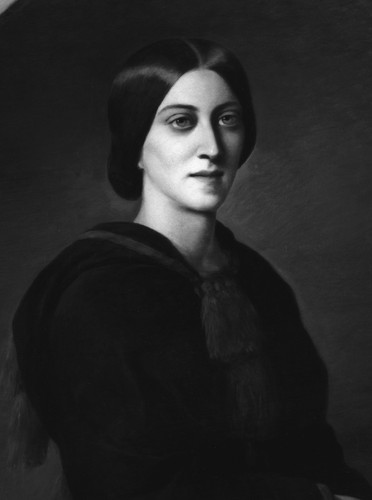
Adelaide Anne Procter
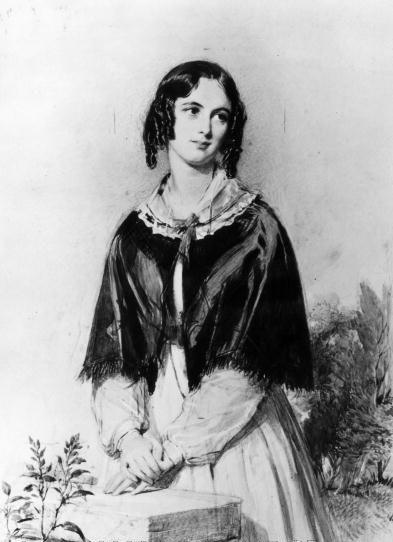
Adelaide Anne Procter was an English poet and philanthropist whose literary contributions emerged in the mid-19th century. Beginning her career as a teenager, Procter's poems were featured in prominent periodicals such as Charles Dickens's 'Household Words' and 'All the Year Round,' as well as in feminist journals. Her writing often reflected her deep commitment to social issues, particularly homelessness, poverty, and the plight of fallen women, themes that were influenced by her philanthropic work and her conversion to Roman Catholicism. Procter garnered significant acclaim during her lifetime, becoming the favorite poet of Queen Victoria and earning praise from contemporaries like Coventry Patmore, who regarded her as the most popular poet after Alfred, Lord Tennyson. Despite her popularity in the Victorian era, Procter's work has received limited attention from 20th-century critics, often overshadowed by her religious beliefs. However, recent scholarship has begun to reassess her poetry, recognizing its technical skill and emotional depth. Procter's life was marked by her dedication to her craft and her charitable endeavors, though her health declined due to overwork, ultimately leading to her untimely death from tuberculosis at the age of 38. Her legacy endures as a significant voice in Victorian literature, illuminating the social issues of her time through her poignant verse.
Famous Quotes
View all 3 quotes“No star is ever lost we once have seen, We always may be what we might have been Since Good, though only thought, Has life and breath - God's life - can always be redeemed from death. And evil in its nature is decay, And any hour may blot it all away. The hope that lost in some far distance seems, May be the truer life, and this the dream.”
“Have we not all, amid life's petty strife, Some pure ideal of a noble life That once seemed possible? Did we not hear The flutter of its wings, and feel it near, And just within our reach? It was. And yet We lost it in this daily jar and fret, And now live idle in a vague regret. But still our place is kept, and it will wait, Ready for us to fill it, soon or late: No star is ever lost we once have seen, We always may be what we might have been. Since Good, though only thought, has life and breath, God's life--can always be redeemed from death; And evil, in its nature, is decay, And any hour can blot it all away; The hopes that lost in some far distance seem, May be the truer life, and this the dream.”
“Our Beasts and our Thieves and our Chattels Have weight for good or for ill; But the Poor are only His image, His presence, His word, His will; - And so Lazarus lies at our doorstep And Dives neglects him still.”
Books from the author

Link to this page
Add a free, dofollow link to Lex on your blog, forum, syllabus, or reading list.

<a href="https://lex-books.com/author/adelaide-anne-procter"><img src="https://lex-books.com/badges/read-on-lex.svg" alt="Adelaide Anne Procter on Lex" width="160" height="40"></a>[](https://lex-books.com/author/adelaide-anne-procter)[url=https://lex-books.com/author/adelaide-anne-procter][img]https://lex-books.com/badges/read-on-lex.svg[/img][/url]Adelaide Anne Procter on Lex: https://lex-books.com/author/adelaide-anne-procter