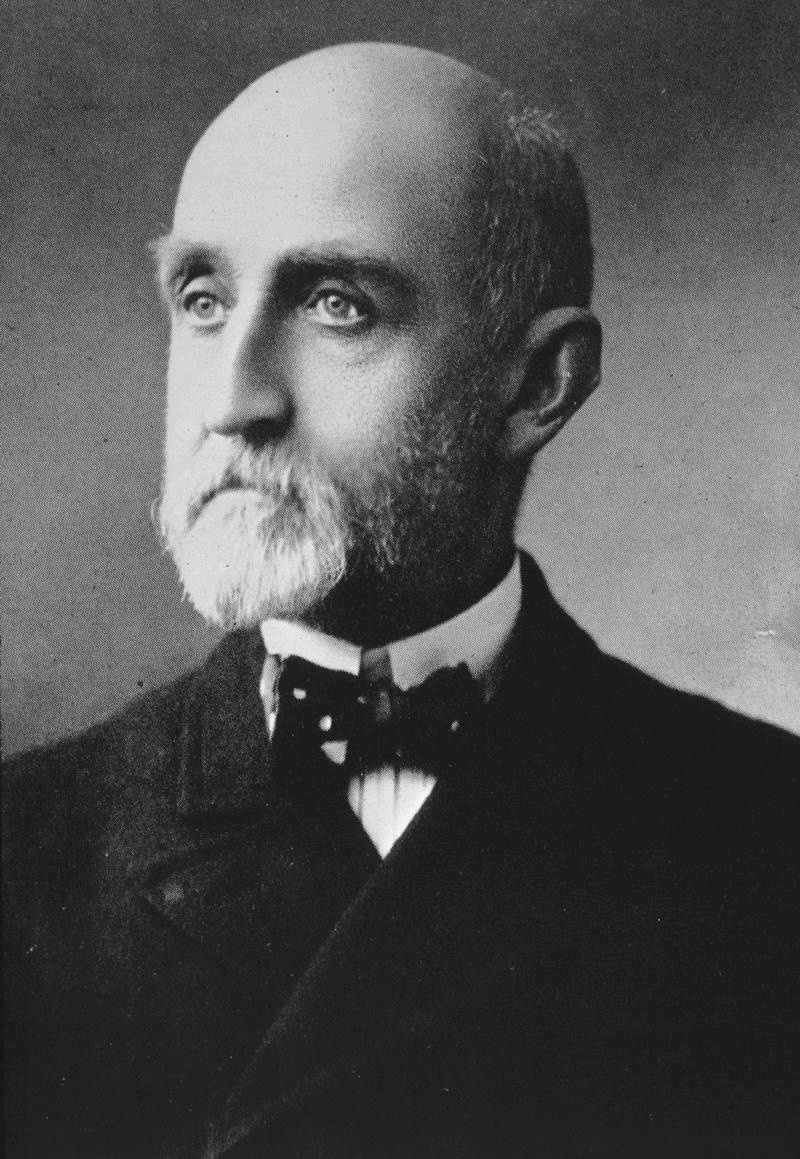
Achilles Rose
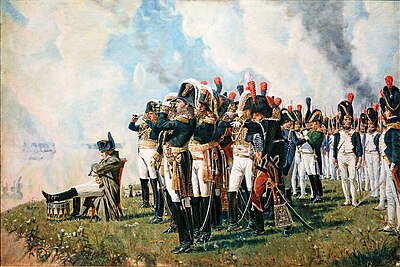
Achilles Rose was a notable figure in the realm of medical literature during the late 19th and early 20th centuries. His works often bridged the gap between medicine and historical analysis, as exemplified in 'Napoleon's Campaign in Russia, Anno 1812; Medico-Historical,' where he examined the medical implications of military campaigns. This unique perspective not only highlighted the medical challenges faced during warfare but also contributed to the understanding of military medicine as a distinct field of study. In addition to his historical analyses, Rose made significant contributions to medical linguistics with his publications 'Medical Greek; Collection of Papers on Medical Onomatology and a Grammatical Guide to Learn.' These works served as essential resources for medical professionals seeking to understand the Greek terminology that underpins much of modern medical language. His exploration of onomatology—the study of names and naming—reflected a broader interest in the intersection of language and medicine. Furthermore, his work 'Carbonic Acid in Medicine' underscored the importance of chemical compounds in medical practices, showcasing his dedication to advancing medical knowledge through rigorous research and scholarship. Rose's legacy lies in his innovative approach to medical literature, which combined historical context with linguistic precision, paving the way for future scholars in the field.
Books from the author





Link to this page
Add a free, dofollow link to Lex on your blog, forum, syllabus, or reading list.

<a href="https://lex-books.com/author/achilles-rose"><img src="https://lex-books.com/badges/read-on-lex.svg" alt="Achilles Rose on Lex" width="160" height="40"></a>[](https://lex-books.com/author/achilles-rose)[url=https://lex-books.com/author/achilles-rose][img]https://lex-books.com/badges/read-on-lex.svg[/img][/url]Achilles Rose on Lex: https://lex-books.com/author/achilles-rose