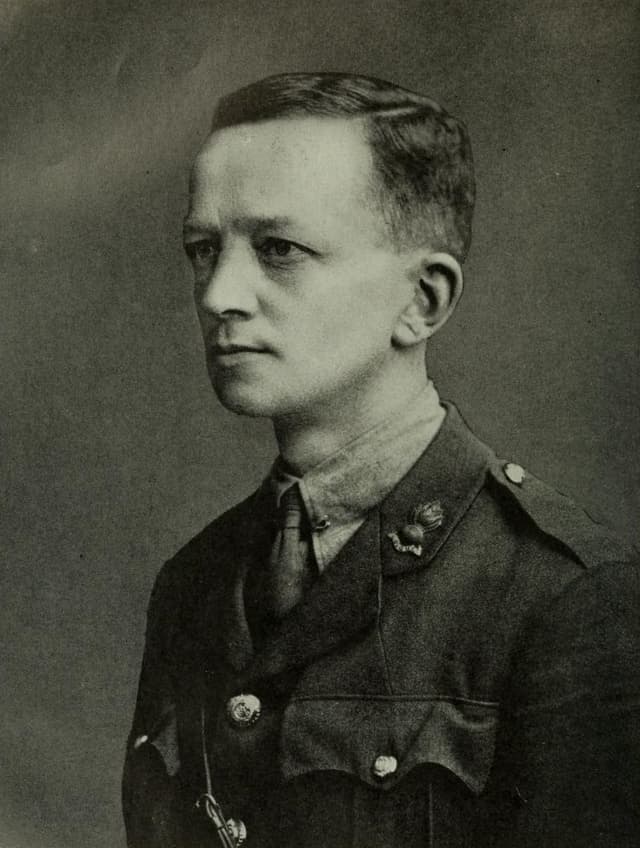
A. S. M. Hutchinson
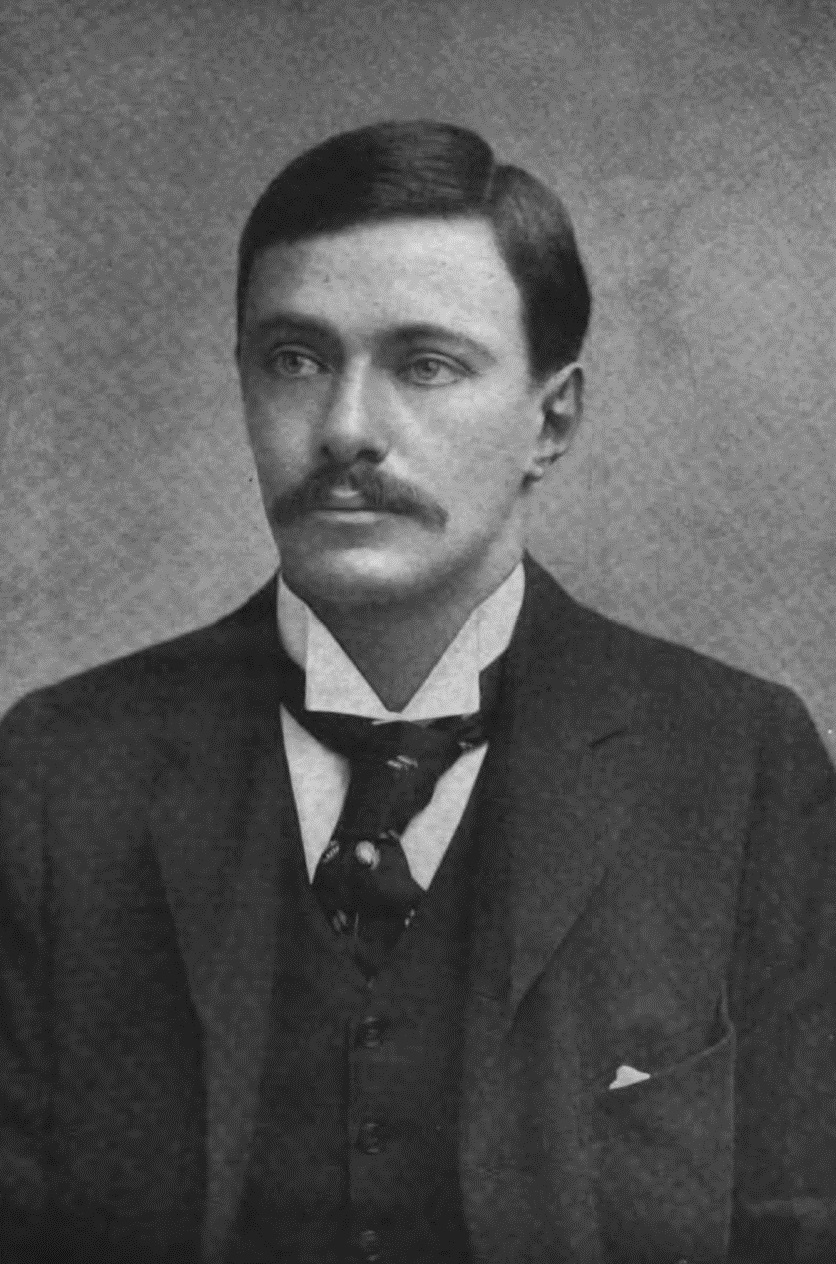
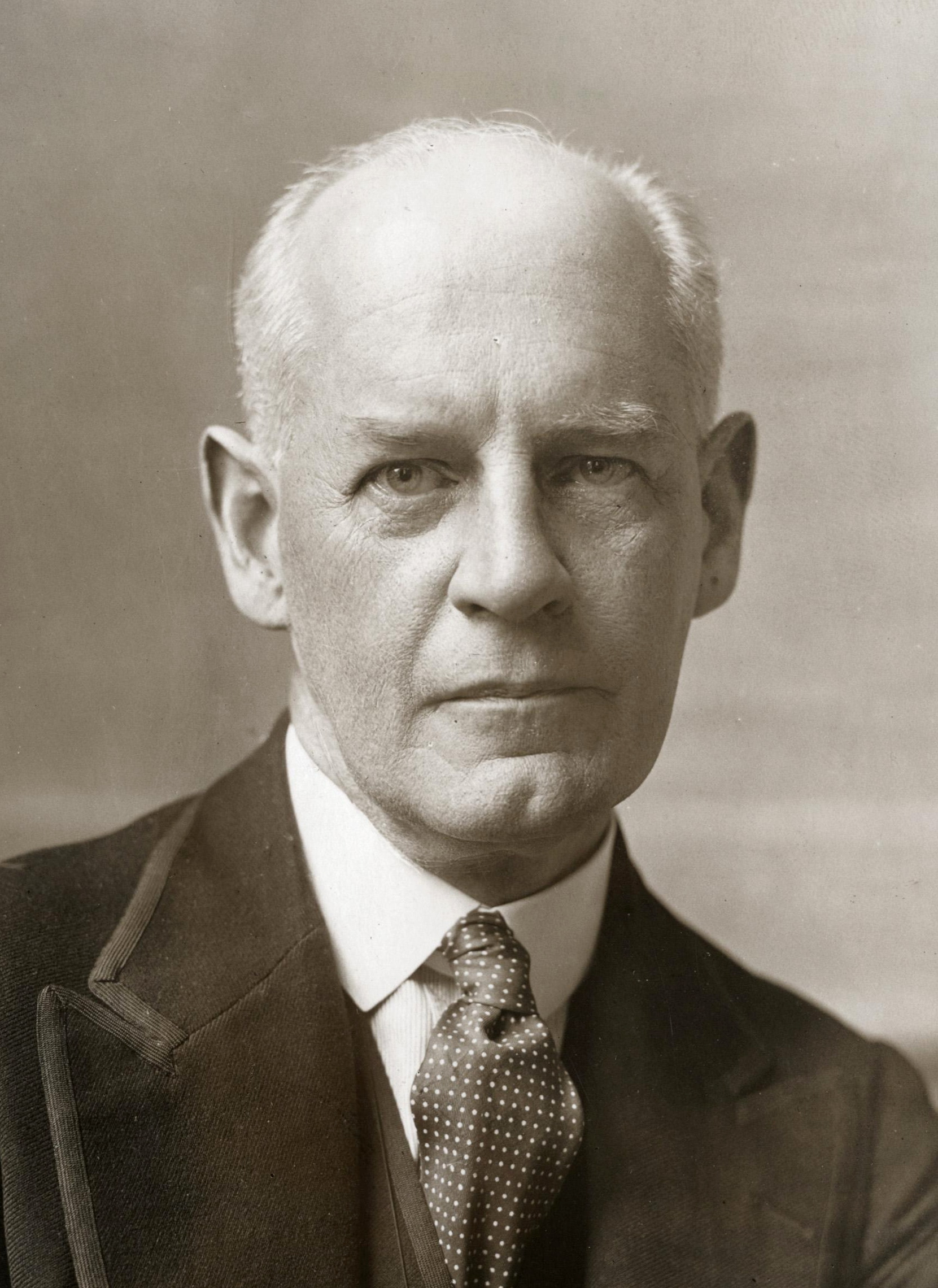
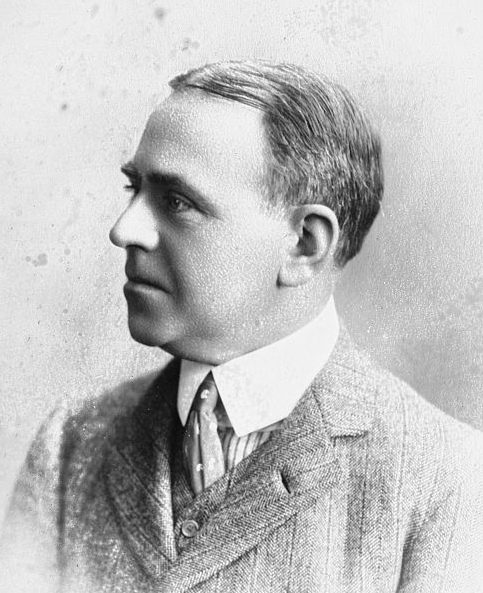
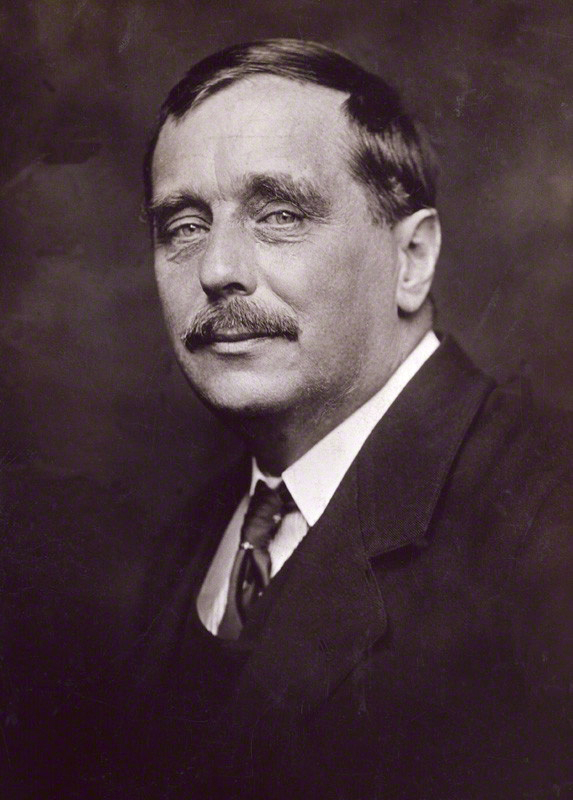
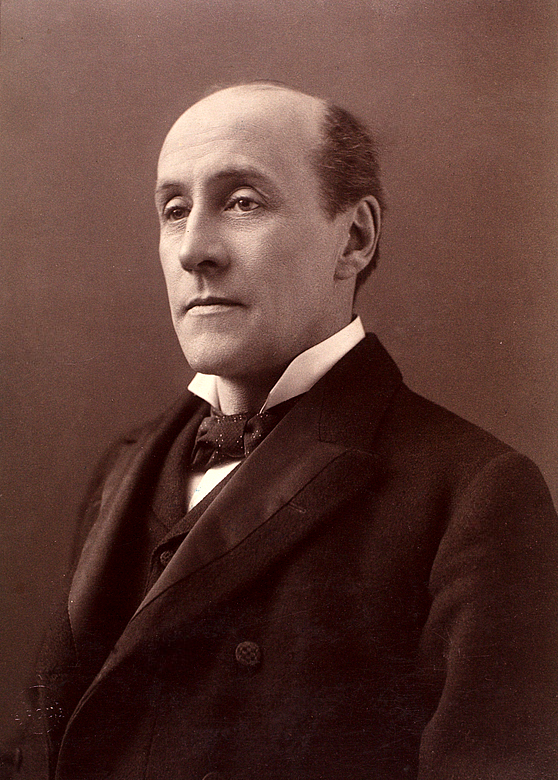
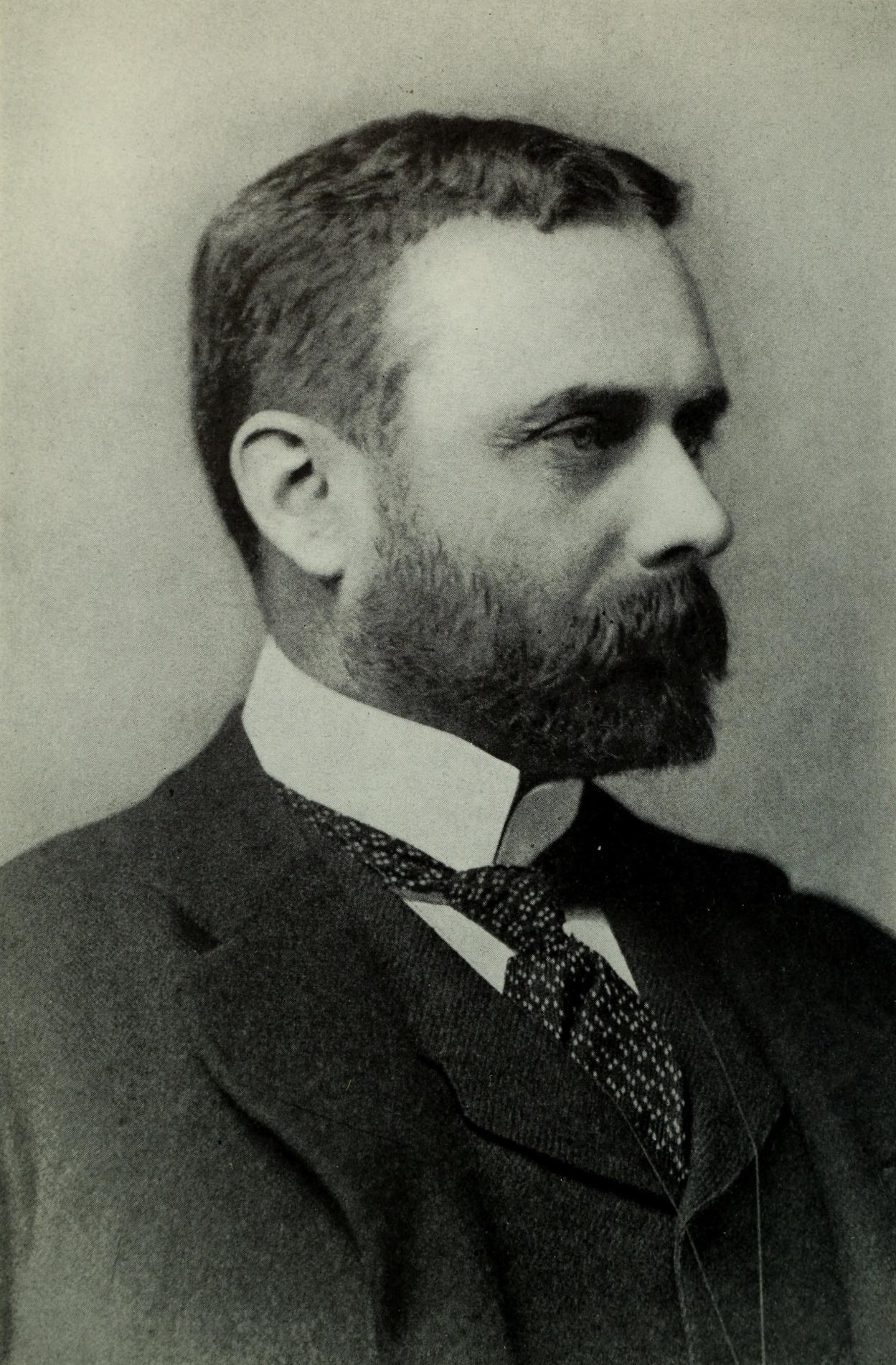
A. S. M. Hutchinson was a British novelist and playwright, best known for his contributions to early 20th-century literature. Born in 1880, he gained prominence with his novel 'If Winter Comes,' published in 1921, which explored themes of love, loss, and the complexities of human relationships against the backdrop of societal change. Hutchinson's writing was characterized by its emotional depth and keen observations of character, which resonated with readers of his time. His works often reflected the anxieties and aspirations of the post-World War I era, making him a significant voice in the literary landscape of his day. In addition to 'If Winter Comes,' Hutchinson wrote several other notable works, including 'The Man Who Knew' and 'The Last of Mr. D'Arcy.' His ability to weave intricate narratives with relatable characters earned him a loyal readership. Hutchinson's literary significance lies not only in his storytelling but also in his exploration of the human condition, which paved the way for future writers to delve into similar themes. His legacy endures through his contributions to the genre of psychological fiction, influencing subsequent generations of authors who sought to capture the complexities of human emotion and societal change.
Famous Quotes
View all 20 quotes“Overcrowding in the towns; the desire of men to get away from their place of business; the increasing pressure of business and the increasing recreational variety of life that, deepening and widening through the years, actuated the desire; the extension of traffic facilities that permitted the desire; all the modern tendencies that made work less of a pleasure and more of a toil,”
“till next June and the decisive battle was fought in June, 1915, just a hundred years after Waterloo. That would be dramatic, eh?" They all laughed, and Sabre, realising the preposterousness of such a notion, laughed with them. Twyning said, "Next June! Imagine it! At the very outside it will be well over by Christmas.””
“Why, yes, to-day, like all to-days in the removed and placid light of all to-morrows, would be shown needlessly hectic. Ten to one something would have happened in the night to make to-day look foolish. If nothing had happened, if it still was war, it could only be a swiftly over business, a rapid and general recognition of the impossibility of war in modern conditions.””
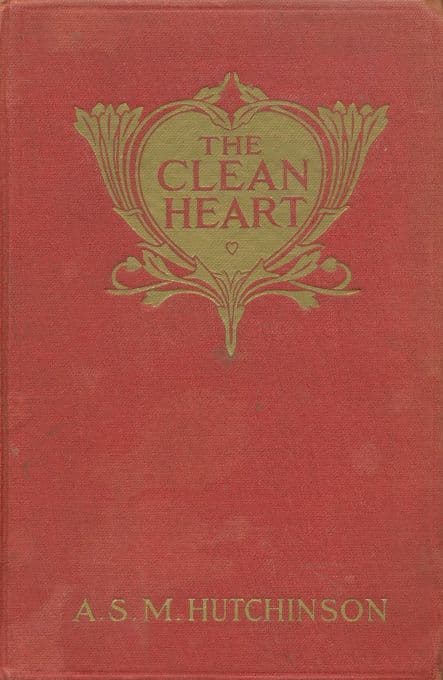
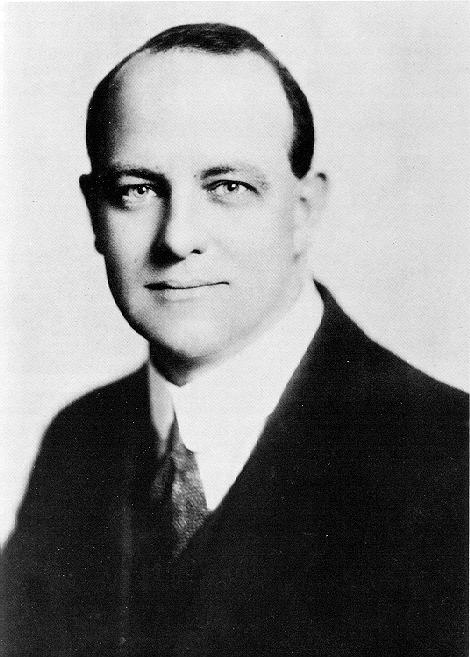
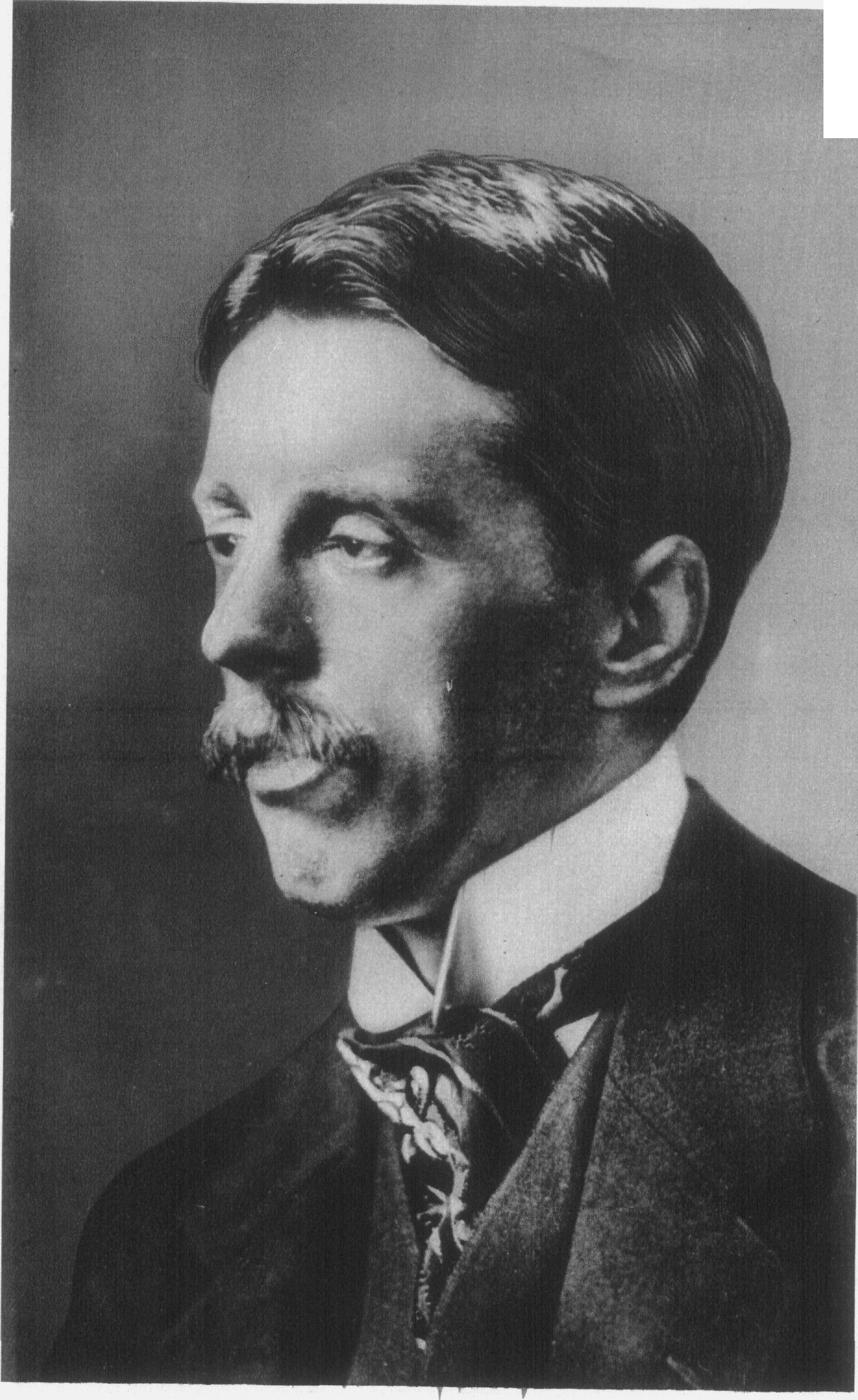
Books from the author

Link to this page
Add a free, dofollow link to Lex on your blog, forum, syllabus, or reading list.

<a href="https://lex-books.com/author/a-s-m-hutchinson"><img src="https://lex-books.com/badges/read-on-lex.svg" alt="A. S. M. Hutchinson on Lex" width="160" height="40"></a>[](https://lex-books.com/author/a-s-m-hutchinson)[url=https://lex-books.com/author/a-s-m-hutchinson][img]https://lex-books.com/badges/read-on-lex.svg[/img][/url]A. S. M. Hutchinson on Lex: https://lex-books.com/author/a-s-m-hutchinson