A. P., swámi Mukerji
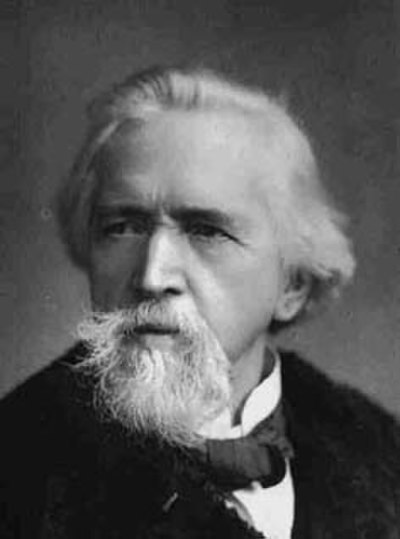
A. P., swámi Mukerji was an influential figure in the early 20th century, known for his contributions to the understanding and practice of yoga in the West. His seminal work, 'The Doctrine and Practice of Yoga,' delves into the intricacies of yoga philosophy, emphasizing both the mental and spiritual dimensions of the practice. Mukerji's writings explore complex concepts such as concentration, the nature of reality (Maya), and the significance of guru worship, offering a comprehensive guide for practitioners seeking to deepen their understanding of yoga beyond mere physical postures. Mukerji's approach to yoga was notable for its blend of traditional Indian philosophy with practical exercises aimed at enhancing mental clarity and spiritual awareness. His emphasis on the 'mystery of will-force' reflects a unique perspective that seeks to empower individuals through self-discipline and focused intention. By articulating these ideas, Mukerji played a pivotal role in introducing and popularizing yoga as a holistic practice in the West, influencing a generation of spiritual seekers and practitioners. His legacy continues to resonate in contemporary discussions about the integration of Eastern philosophies into Western lifestyles.
Books from the author













Link to this page
Add a free, dofollow link to Lex on your blog, forum, syllabus, or reading list.

<a href="https://lex-books.com/author/a-p-swámi-mukerji"><img src="https://lex-books.com/badges/read-on-lex.svg" alt="A. P., swámi Mukerji on Lex" width="160" height="40"></a>[](https://lex-books.com/author/a-p-swámi-mukerji)[url=https://lex-books.com/author/a-p-swámi-mukerji][img]https://lex-books.com/badges/read-on-lex.svg[/img][/url]A. P., swámi Mukerji on Lex: https://lex-books.com/author/a-p-swámi-mukerji