Zadig, Ó El Destino, Historia Oriental
1748
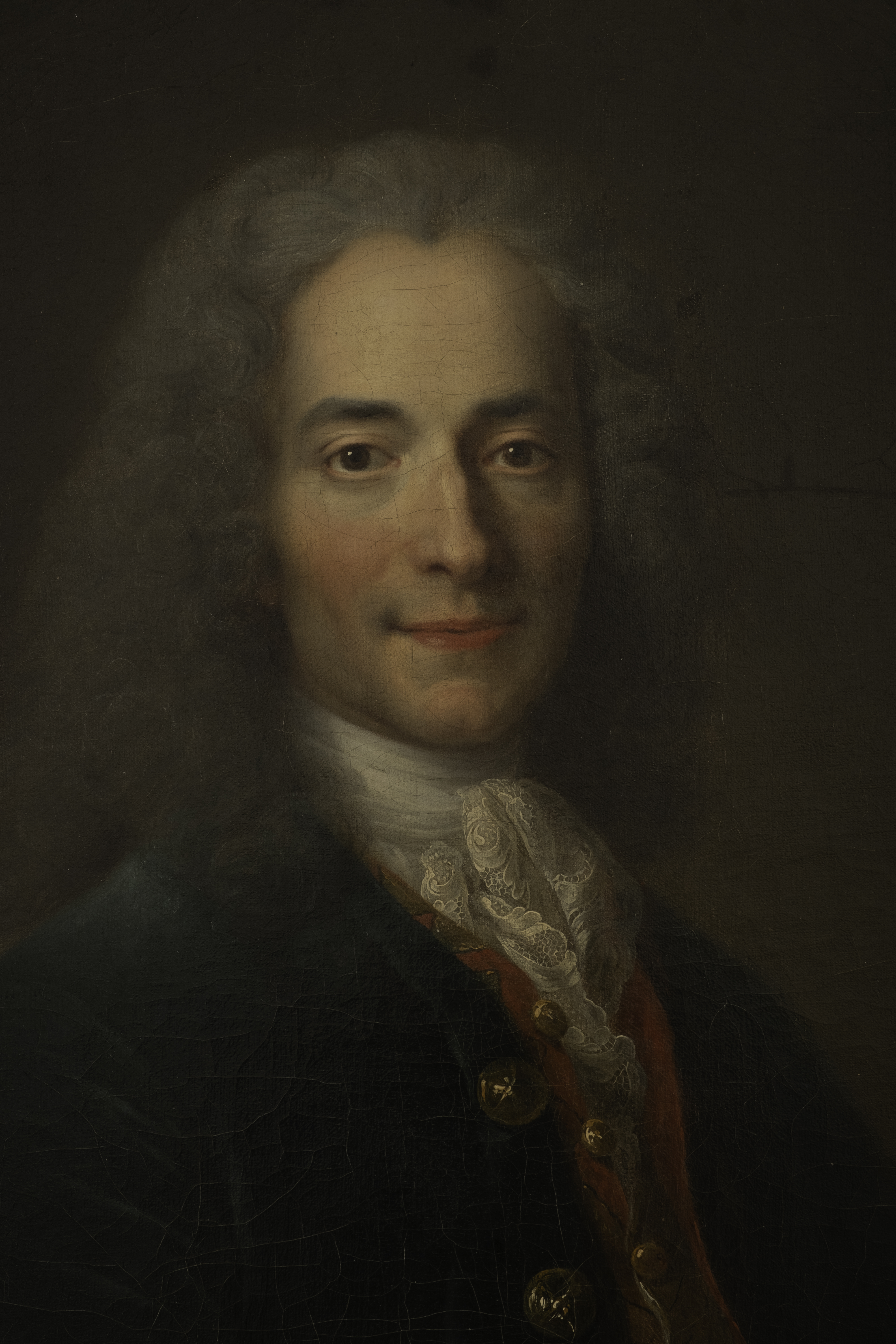
Zadig, or The Book of Fate, is a philosophical novella by Voltaire first published in 1748. Set in ancient Babylon, it follows the wise and virtuous young man Zadig as he navigates a series of misfortunes that challenge his understanding of fate, happiness, and human existence. The narrative serves as a commentary on the social and political issues of Voltaire's time, using allegory to explore themes of chance and destiny. Notably, the work reflects the Enlightenment ideals prevalent in 18th-century French literature.
Editions
X-Ray
“An Opportunity of doing Mischief, says -Zoroaster-, offers itself a hundred Times a Day; but that of doing a Friend a good Office but once a Year.””
— Voltaire
“Neither the Choice of his Friends, nor that of his Dishes, was the Result of Pride or Ostentation. He took Delight in appearing to be, what he actually was, and not in seeming to be what he was not; and by that Means, got a greater real Character than he actually aim'd at. ””
— Voltaire
“When one is loved by a beautiful woman, says the great Zoroaster, one always gets out of trouble in this world.””
— Voltaire
“Learn that there are no basilisks in nature, that people are always healthy with sobriety and exercise, and that the art of making intemperance and health together is as chimerical as the philosopher's stone, judicial astrology, and the theology of magi.””
— Voltaire
“Mais quoi! dit Zadig, il est donc nécessaire qu'il y ait des crimes et des malheurs? et les malheurs tombent sur les gens de bien! Les méchants, répondit Jesrad, sont toujours malheureux: ils servent à éprouver un petit nombre de justes répandus sur la terre, et il n'y a point de mal dont il ne naisse un bien.””
— Voltaire
“Le moment où l'on se retrouve, et celui où l'on se sépare, sont les deux plus grandes époques de la vie, comme dit le grand livre du Zend.””
— Voltaire
“Whether thou art the child's favorite or not, thou shalt have his mother.””
— Voltaire
“The truth of the matter is as follows: I was walking toward the little wood, where I afterward met the venerable eunuch, and the most illustrious chief huntsman. I observed on the sand the traces of an animal, and could easily perceive them to be those of a little dog. The””
— Voltaire
“(...) mas não há acaso; tudo é provação ou punição, recompensa ou providência.””
— Voltaire
Link to this book
Add a free, dofollow link to Lex on your blog, forum, syllabus, or reading list.

<a href="https://lex-books.com/book/zadig-el-destino-historia-oriental-ac805734-d26c-423e-90d1-ff93992d7161"><img src="https://lex-books.com/badges/read-on-lex.svg" alt="Read Zadig, Ó El Destino, Historia Oriental by Voltaire free on Lex" width="160" height="40"></a>[](https://lex-books.com/book/zadig-el-destino-historia-oriental-ac805734-d26c-423e-90d1-ff93992d7161)[url=https://lex-books.com/book/zadig-el-destino-historia-oriental-ac805734-d26c-423e-90d1-ff93992d7161][img]https://lex-books.com/badges/read-on-lex.svg[/img][/url]Read Zadig, Ó El Destino, Historia Oriental by Voltaire free on Lex: https://lex-books.com/book/zadig-el-destino-historia-oriental-ac805734-d26c-423e-90d1-ff93992d7161Cite this book
Reading this edition for a paper or guide? Copy a citation.
Voltaire. Zadig, Ó El Destino, Historia Oriental. Lex, lex-books.com/book/zadig-el-destino-historia-oriental-ac805734-d26c-423e-90d1-ff93992d7161.Voltaire (1748). Zadig, Ó El Destino, Historia Oriental. Lex. https://lex-books.com/book/zadig-el-destino-historia-oriental-ac805734-d26c-423e-90d1-ff93992d7161Voltaire. Zadig, Ó El Destino, Historia Oriental. Lex. https://lex-books.com/book/zadig-el-destino-historia-oriental-ac805734-d26c-423e-90d1-ff93992d7161.