Walden, Version 2

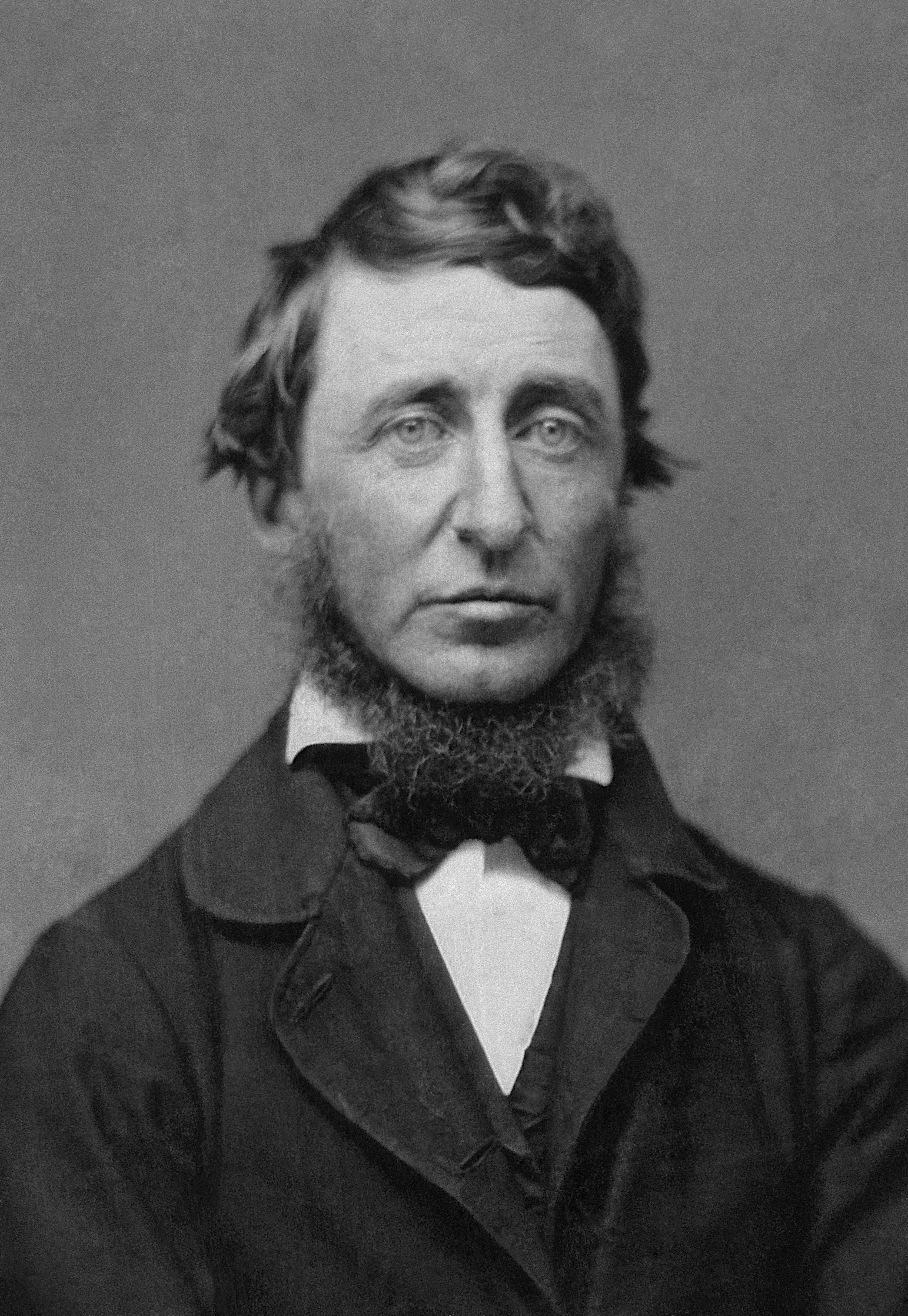
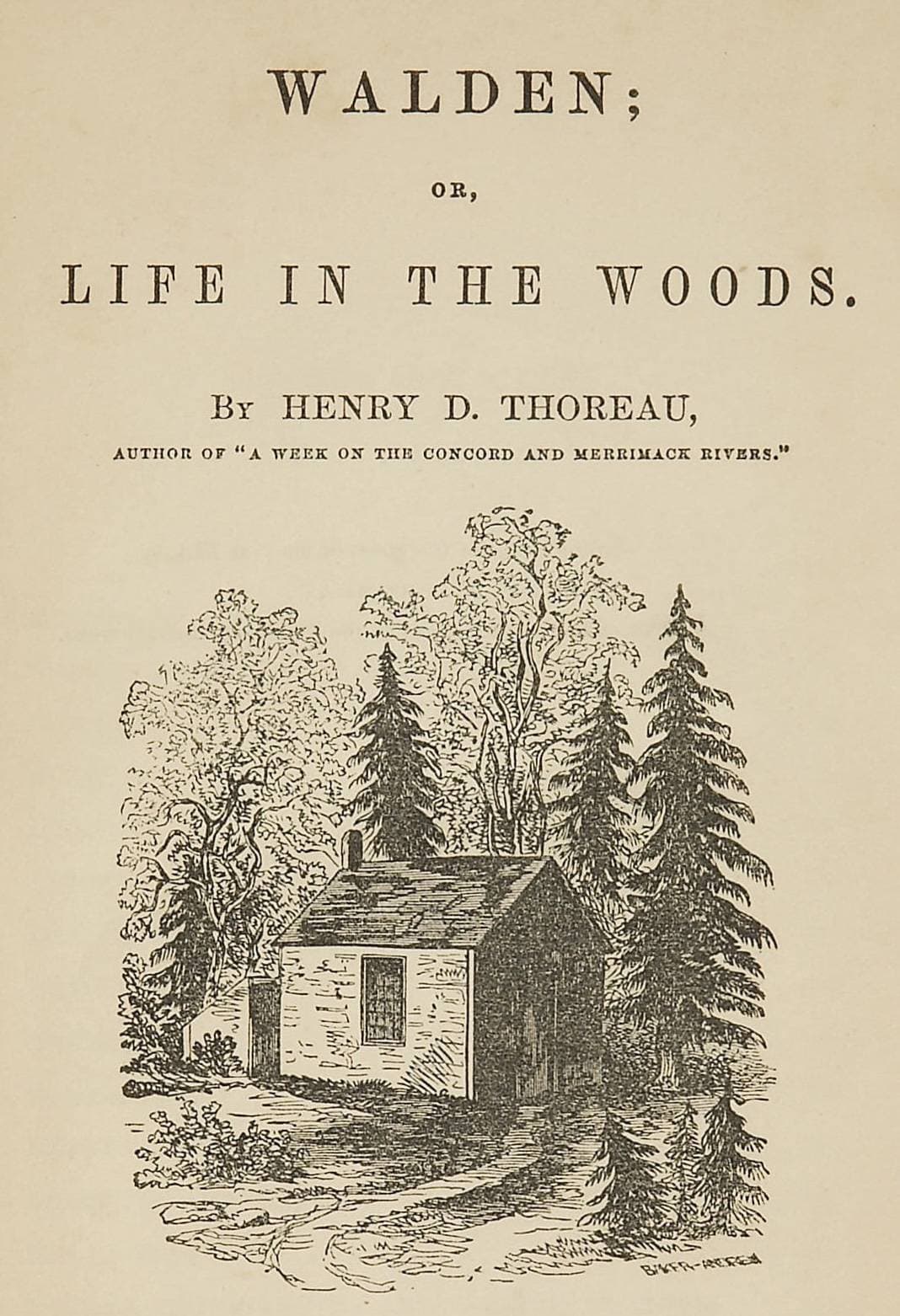
In 1845, Henry David Thoreau walked into the woods beside Walden Pond and built a cabin with his own hands. He stayed there for roughly two years, alone, in an experiment that continues to unsettle readers more than a century and a half later. But Walden is not a how-to guide for simple living. It is a relentless, often funny, occasionally furious interrogation of what we call civilization and what we have forgotten about being alive. Thoreau wanted to find out what was essential. What he found was both terrifying and luminous. He compressed his time in the woods into a single calendar year, using the four seasons as a meditation on human development, from the awakening of spring to the deep quiet of winter, which he insisted was not death. The book crackles with his conviction that most men live in quiet desperation, that we have become trapped in a race for wealth we do not need to buy things we do not need to impress people we do not know. Still, it is not a pessimistic book. It is a book that believes we can do better, that we can wake up. For anyone who has ever felt the cage of modern life closing in, Walden remains the most radical invitation to step outside and ask: what am I actually living for?
Editions


Link to this book
Add a free, dofollow link to Lex on your blog, forum, syllabus, or reading list.

<a href="https://lex-books.com/book/walden-version-2-033c9001-f8b4-409d-8189-8953f33a6411"><img src="https://lex-books.com/badges/read-on-lex.svg" alt="Read Walden, Version 2 by Henry David Thoreau free on Lex" width="160" height="40"></a>[](https://lex-books.com/book/walden-version-2-033c9001-f8b4-409d-8189-8953f33a6411)[url=https://lex-books.com/book/walden-version-2-033c9001-f8b4-409d-8189-8953f33a6411][img]https://lex-books.com/badges/read-on-lex.svg[/img][/url]Read Walden, Version 2 by Henry David Thoreau free on Lex: https://lex-books.com/book/walden-version-2-033c9001-f8b4-409d-8189-8953f33a6411Cite this book
Reading this edition for a paper or guide? Copy a citation.
Thoreau, Henry David. Walden, Version 2. Lex, lex-books.com/book/walden-version-2-033c9001-f8b4-409d-8189-8953f33a6411.Thoreau, H. D. (n.d.). Walden, Version 2. Lex. https://lex-books.com/book/walden-version-2-033c9001-f8b4-409d-8189-8953f33a6411Thoreau, Henry David. Walden, Version 2. Lex. https://lex-books.com/book/walden-version-2-033c9001-f8b4-409d-8189-8953f33a6411.