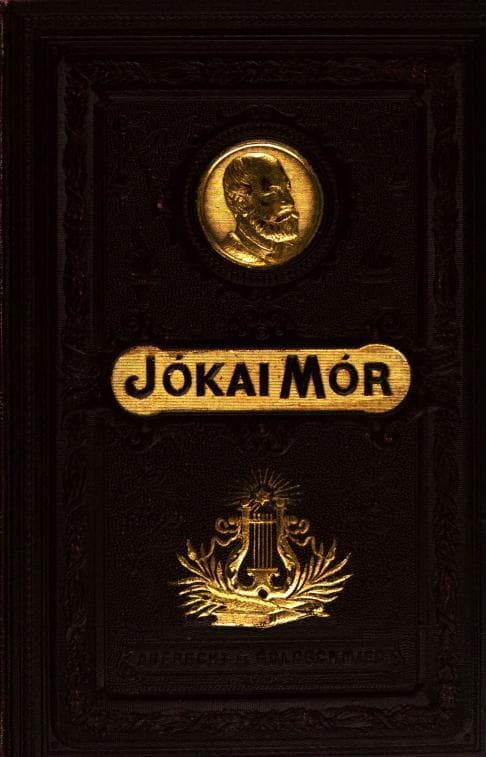
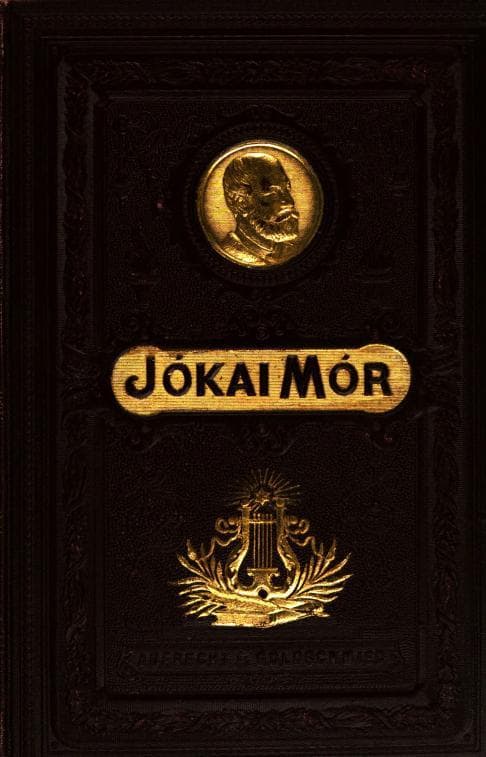
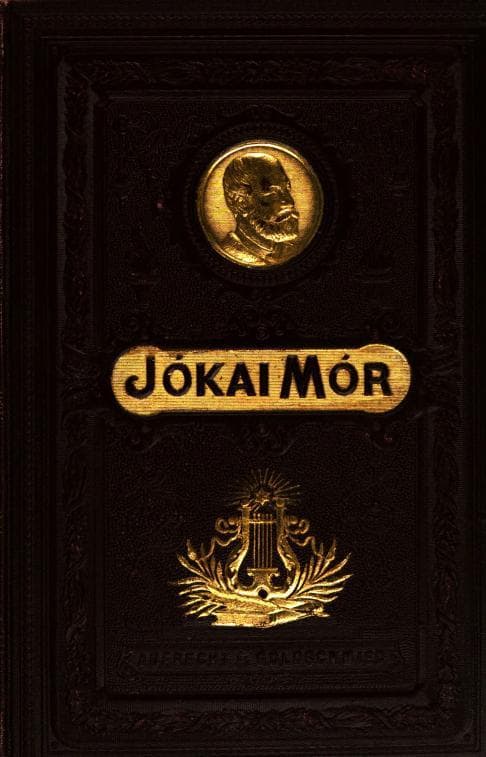
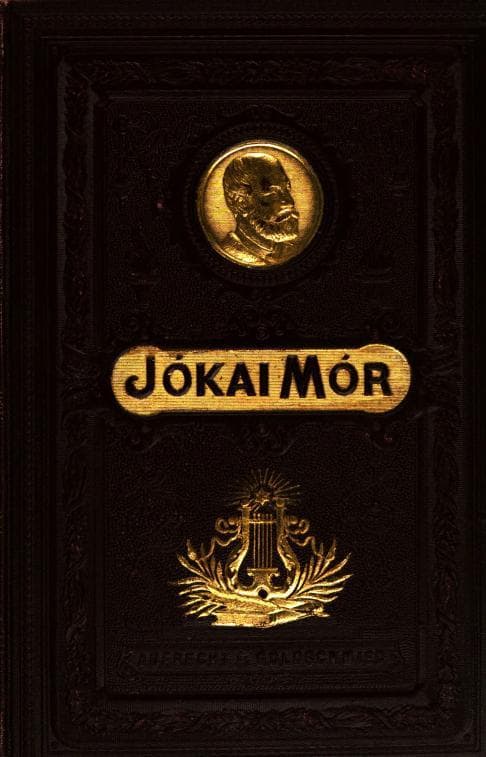
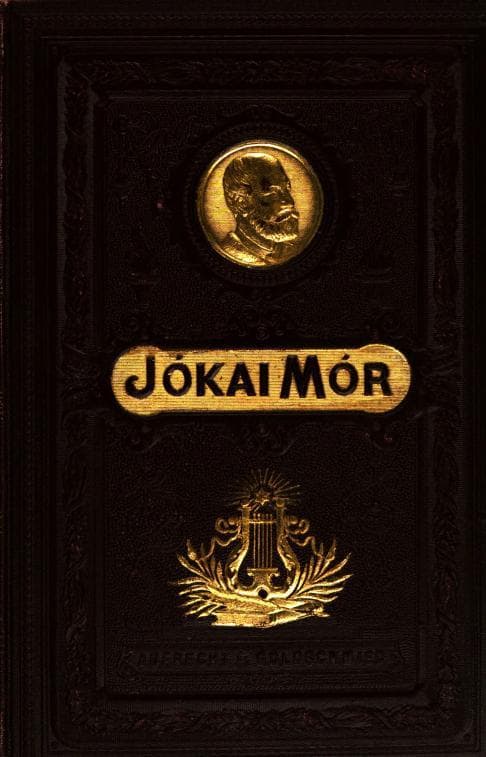
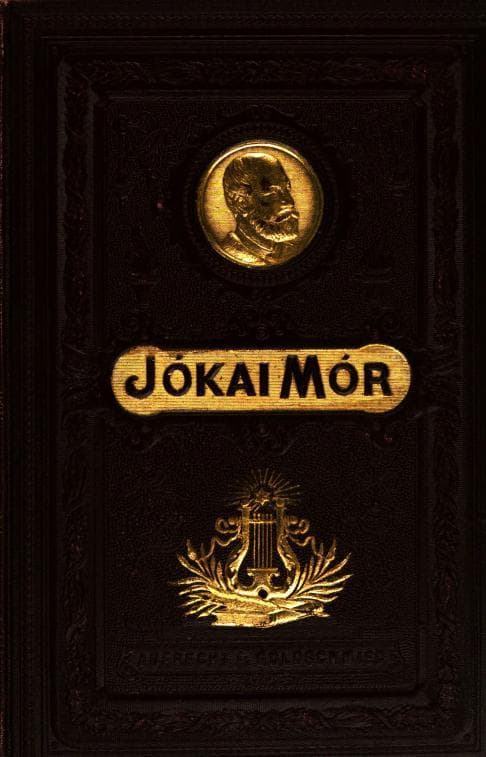
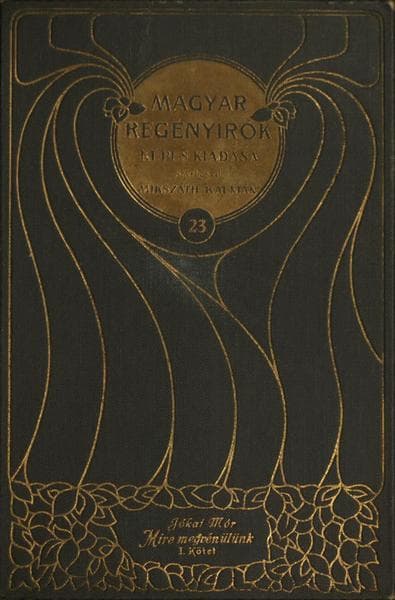
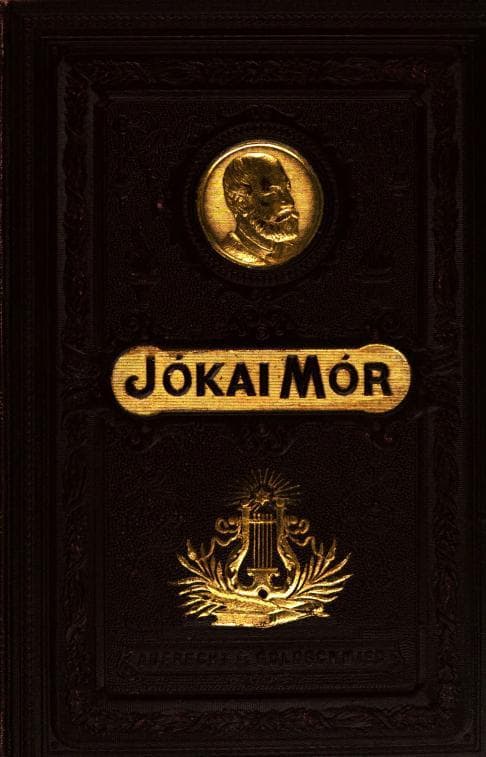
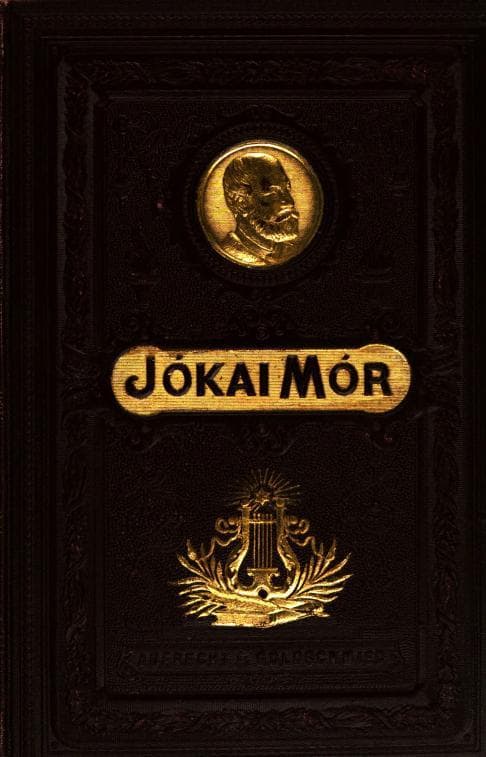
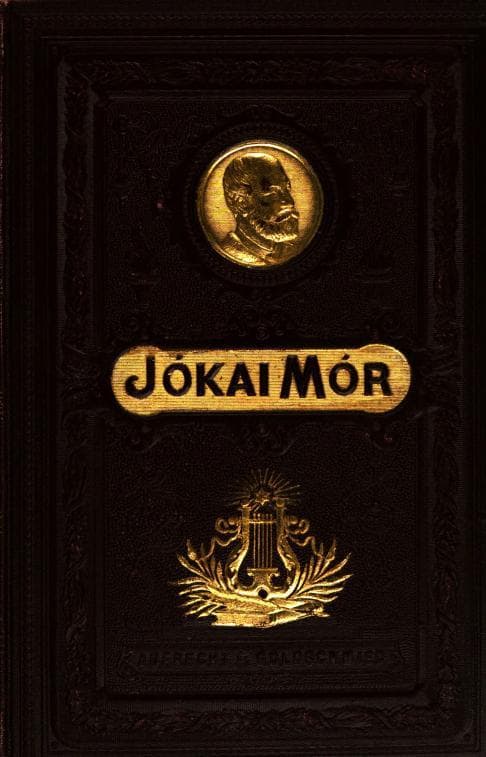
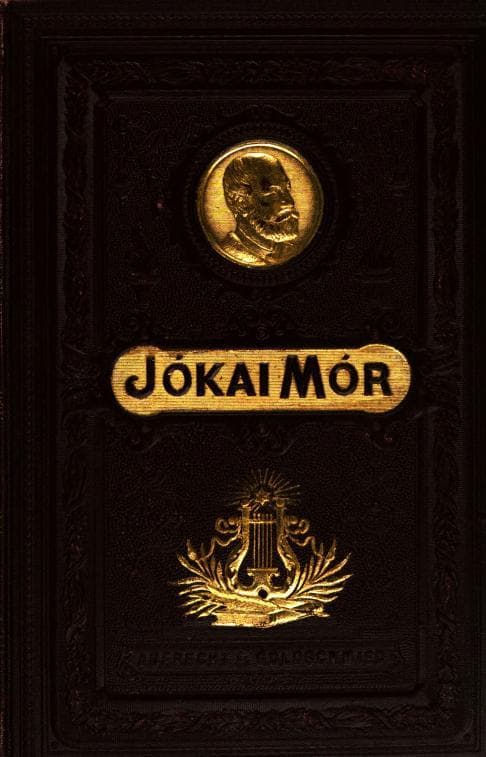
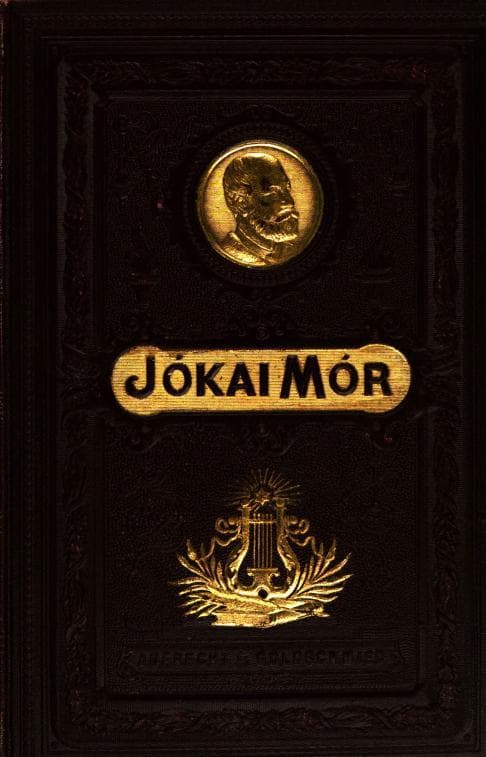
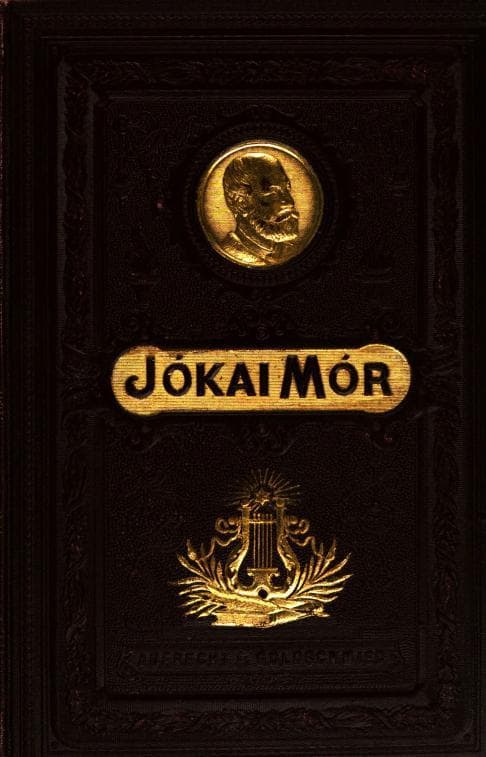
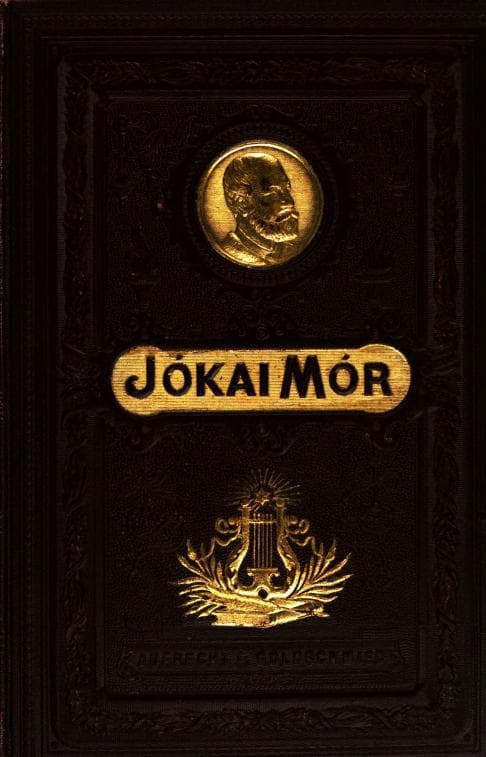
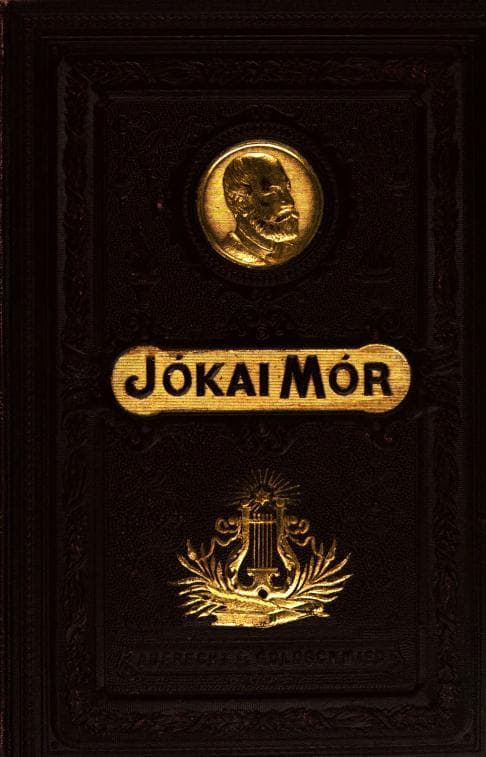
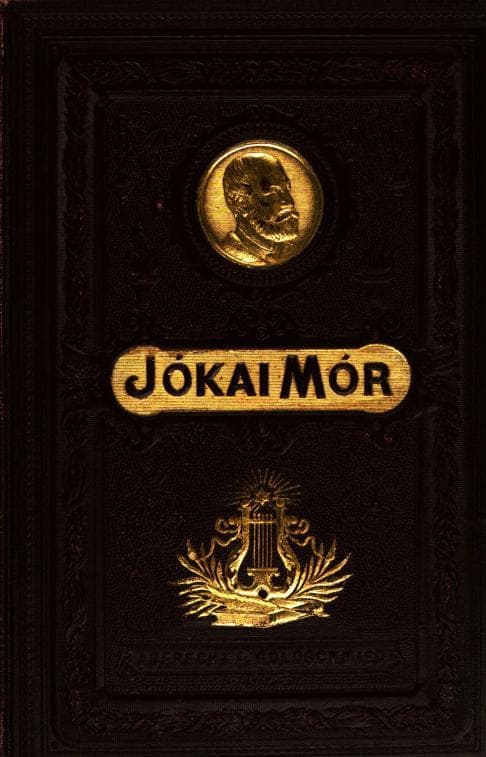
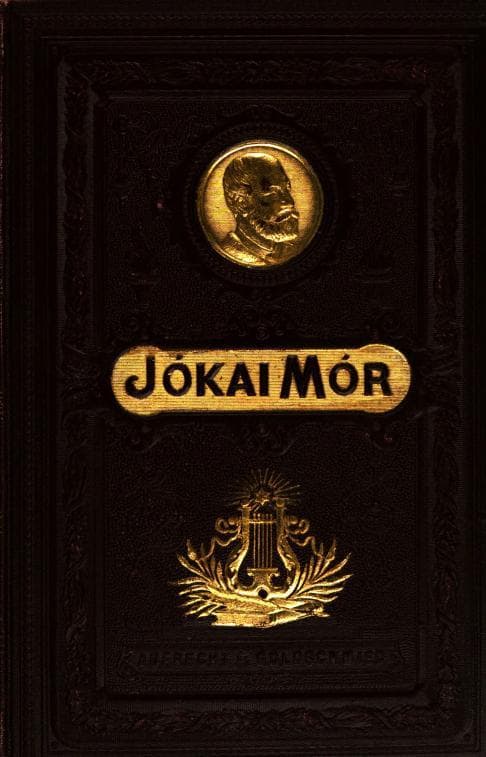
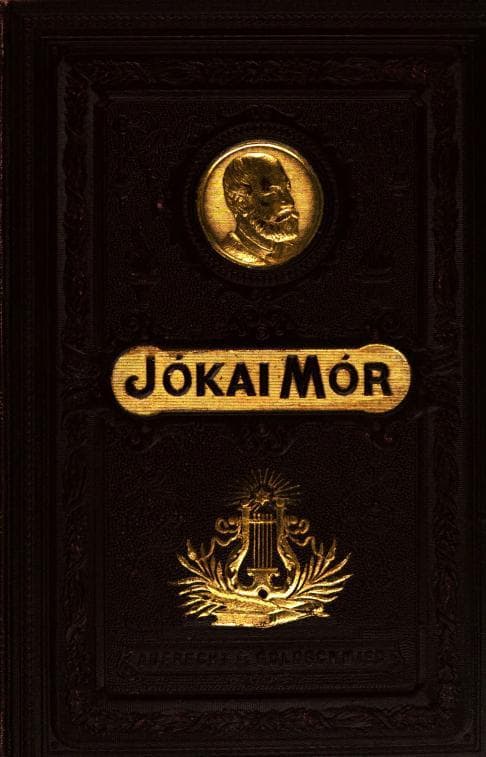
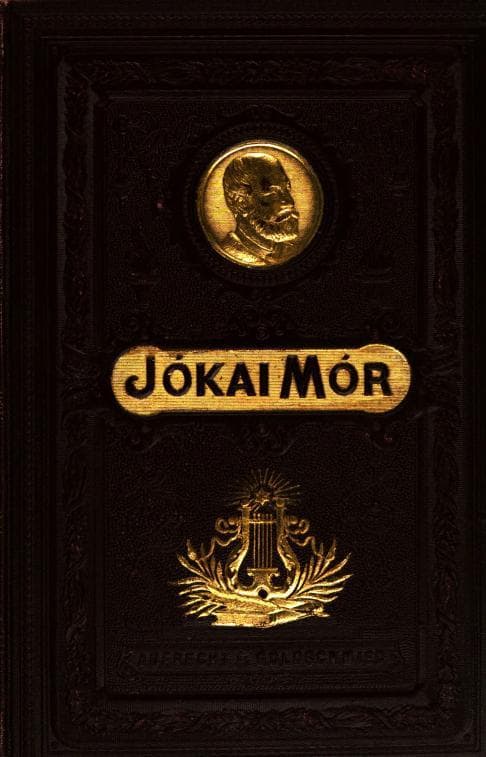
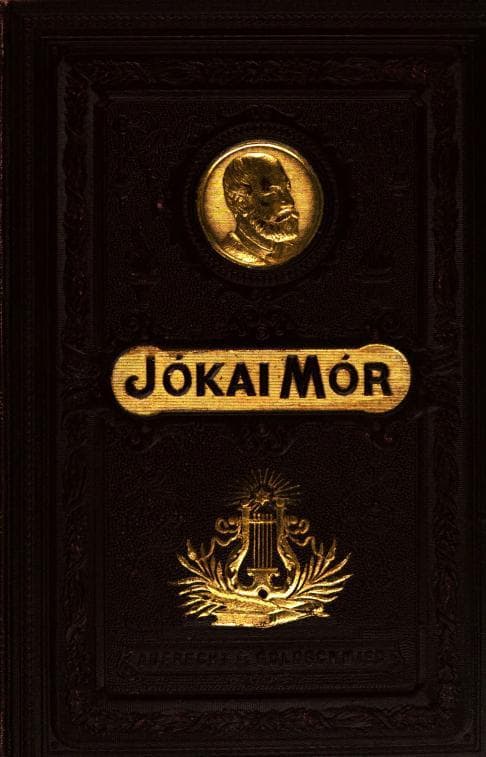
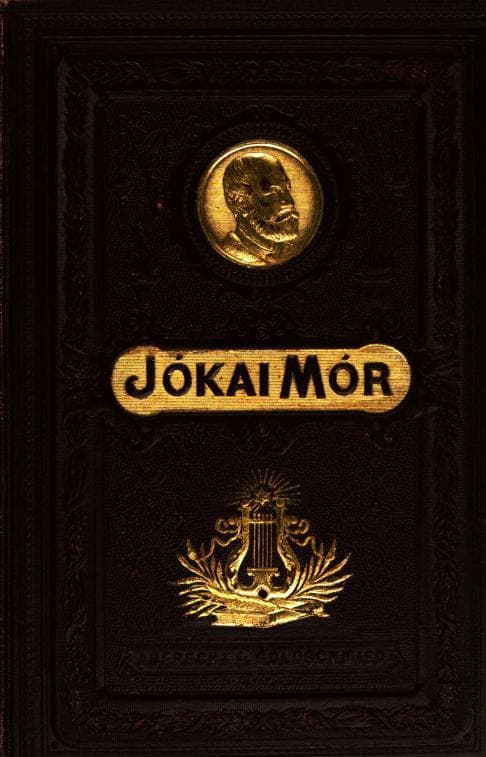
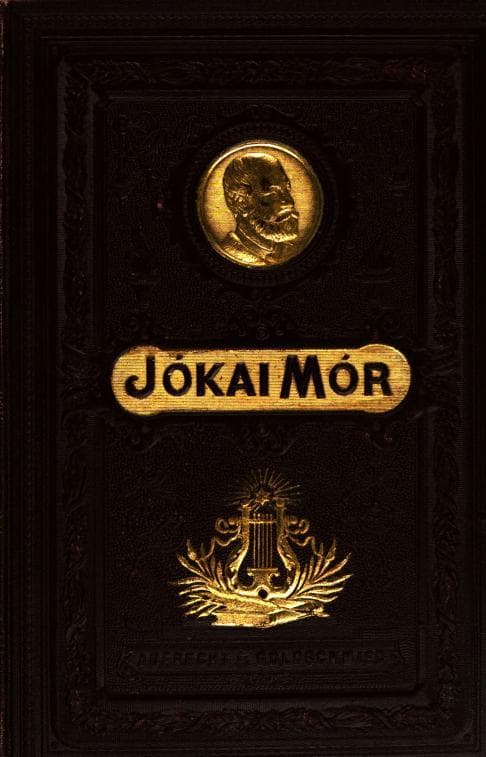
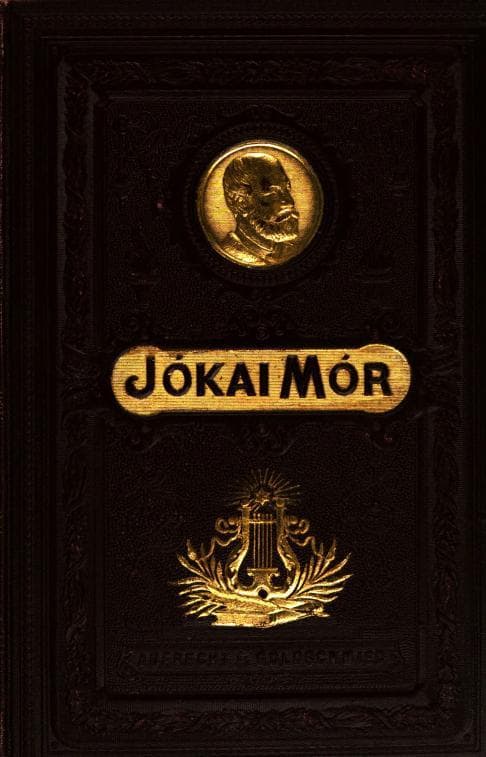
Van Még Új a Nap Alatt: Elbeszélések
1825
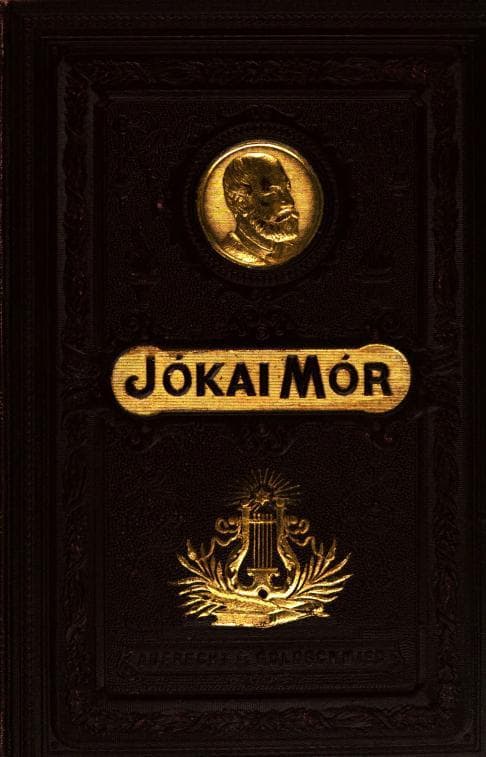
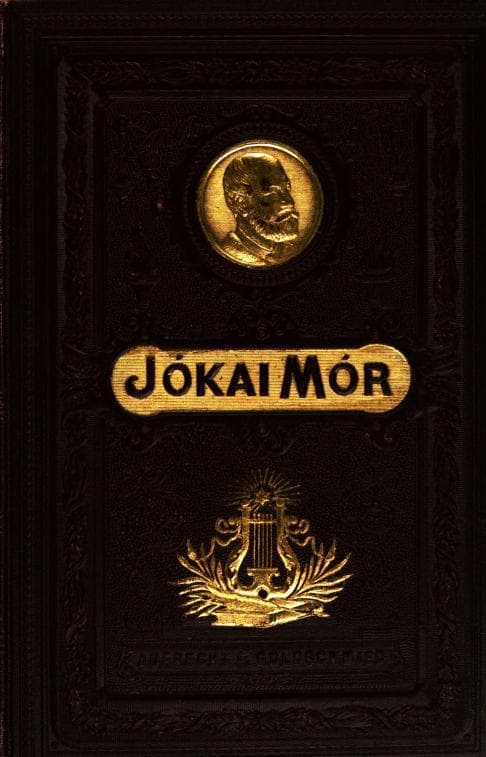
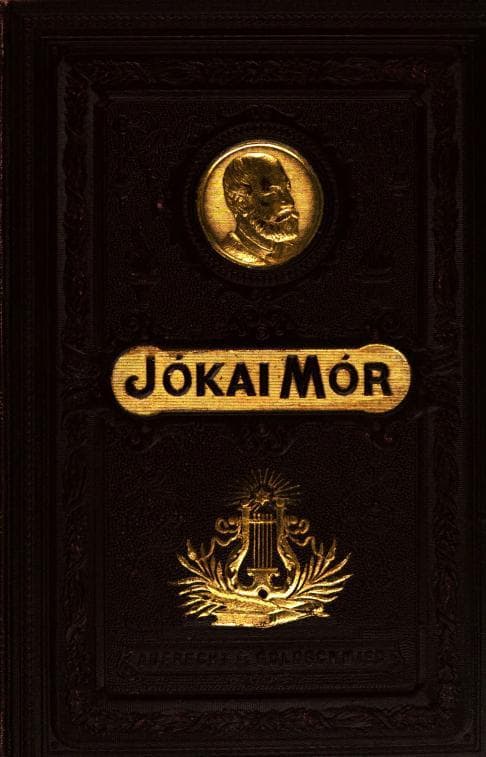
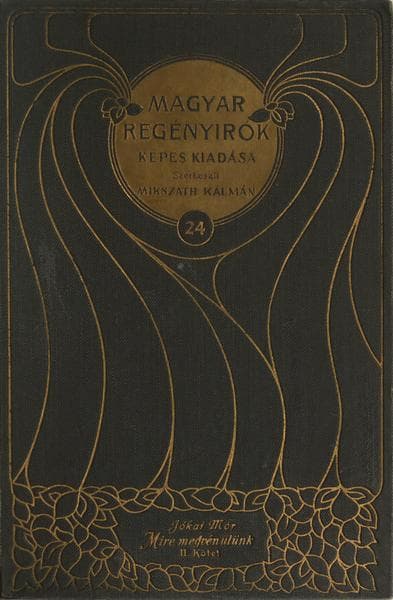
''Van még új a nap alatt: Elbeszélések'' by Mór Jókai is a collection of short stories written in the early 20th century. The book presents a range of tales that appear to focus on everyday lives, personal virtues, and social issues, often set against Hungarian backdrops and featuring a diverse cast of characters. Likely topics include the intricacies of domestic life, questions of morality, and nuanced observations of society, with particular attention to the ways individuals navigate love, duty, and reputation. The opening of ''Van még új a nap alatt'' introduces several distinct vignettes. First, we follow the lonely life of a doctor's wife on Svábhegy, isolated due to her husband’s precautions and his strict, unyielding nature, until the mysterious ''Swedish baron'' and the cultivation of rare roses bring subtle changes to her world. This story explores themes of loneliness, small acts of rebellion, and the longing for beauty. The next section, ''A szív törvénye,'' shifts to political and social commentary during Hungary's push for military reform, focusing on parliamentary debates and the private lives of politicians, especially the character ''Malleus'' and his untraditional family. A further story, ''Unica,'' transports the reader to New York, following the remarkable journey of a former revolutionary and his wife, who become performers and raise their daughter in secrecy. Together, these beginnings showcase Jókai’s skill in blending personal fates with broader societal issues, marked by empathy, irony, and colorful characterization.
Editions
Link to this book
Add a free, dofollow link to Lex on your blog, forum, syllabus, or reading list.

<a href="https://lex-books.com/book/van-m-g-j-a-nap-alatt-elbesz-l-sek-9d689606-01eb-44e8-a5f5-06f8cff48713"><img src="https://lex-books.com/badges/read-on-lex.svg" alt="Read Van Még Új a Nap Alatt: Elbeszélések by Mór Jókai free on Lex" width="160" height="40"></a>[](https://lex-books.com/book/van-m-g-j-a-nap-alatt-elbesz-l-sek-9d689606-01eb-44e8-a5f5-06f8cff48713)[url=https://lex-books.com/book/van-m-g-j-a-nap-alatt-elbesz-l-sek-9d689606-01eb-44e8-a5f5-06f8cff48713][img]https://lex-books.com/badges/read-on-lex.svg[/img][/url]Read Van Még Új a Nap Alatt: Elbeszélések by Mór Jókai free on Lex: https://lex-books.com/book/van-m-g-j-a-nap-alatt-elbesz-l-sek-9d689606-01eb-44e8-a5f5-06f8cff48713Cite this book
Reading this edition for a paper or guide? Copy a citation.
Jókai, Mór. Van Még Új a Nap Alatt: Elbeszélések. Lex, lex-books.com/book/van-m-g-j-a-nap-alatt-elbesz-l-sek-9d689606-01eb-44e8-a5f5-06f8cff48713.Jókai, M. (1825). Van Még Új a Nap Alatt: Elbeszélések. Lex. https://lex-books.com/book/van-m-g-j-a-nap-alatt-elbesz-l-sek-9d689606-01eb-44e8-a5f5-06f8cff48713Jókai, Mór. Van Még Új a Nap Alatt: Elbeszélések. Lex. https://lex-books.com/book/van-m-g-j-a-nap-alatt-elbesz-l-sek-9d689606-01eb-44e8-a5f5-06f8cff48713.



![Night Watches [complete]](/_next/image?url=https%3A%2F%2Fd3b2n8gj62qnwr.cloudfront.net%2FCOVERS%2Fgutenberg_covers75k%2Febook-12161.png&w=3840&q=75)