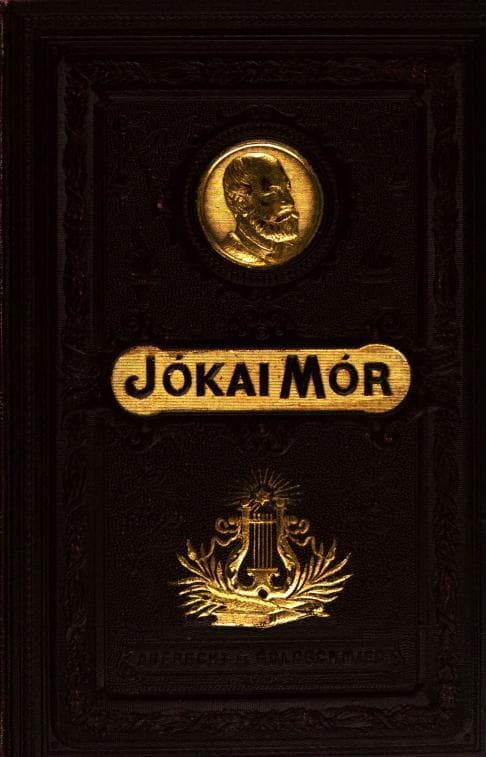
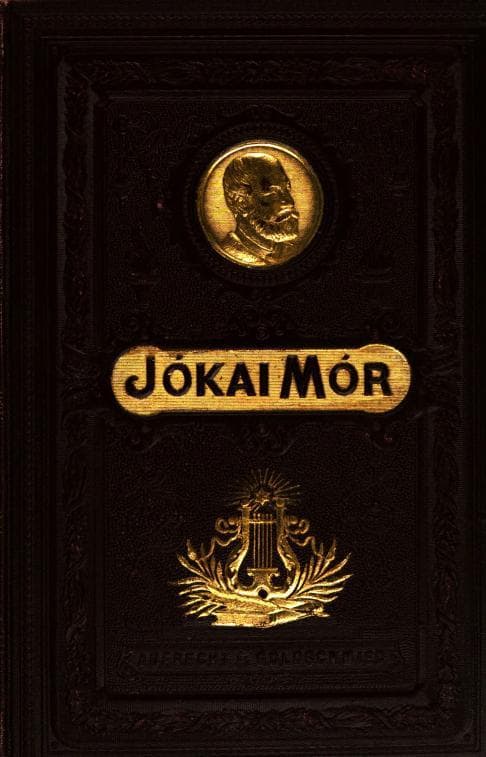
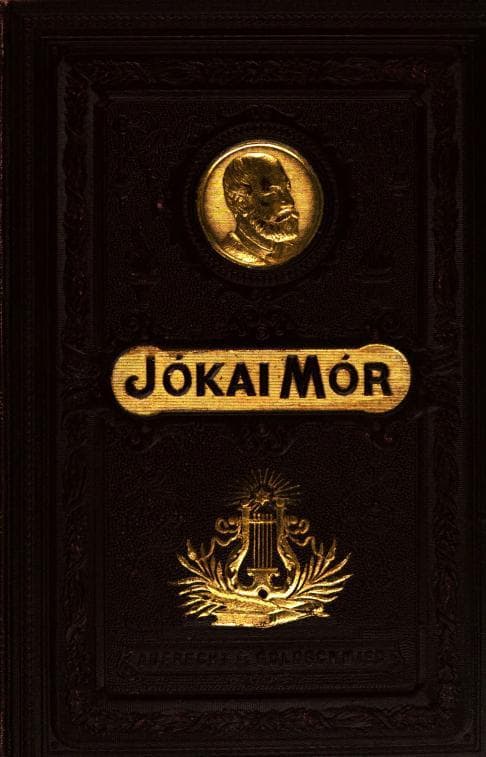
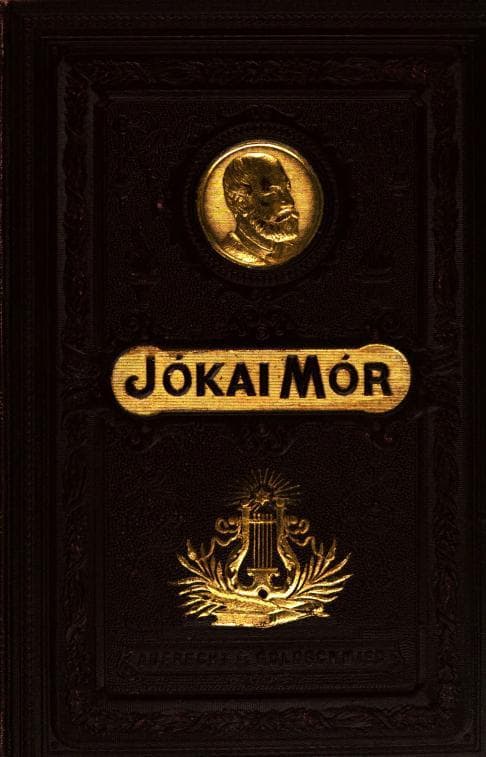
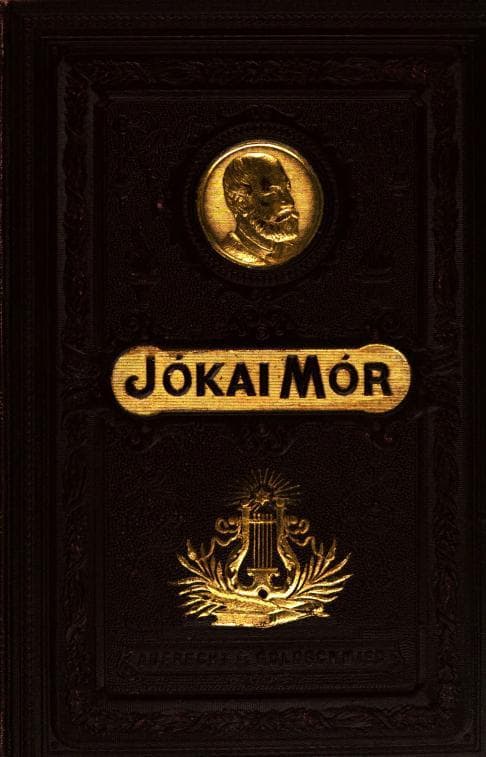
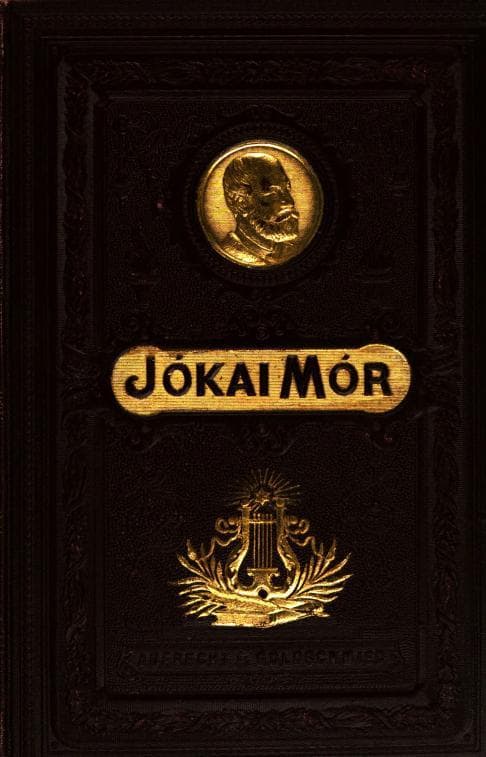
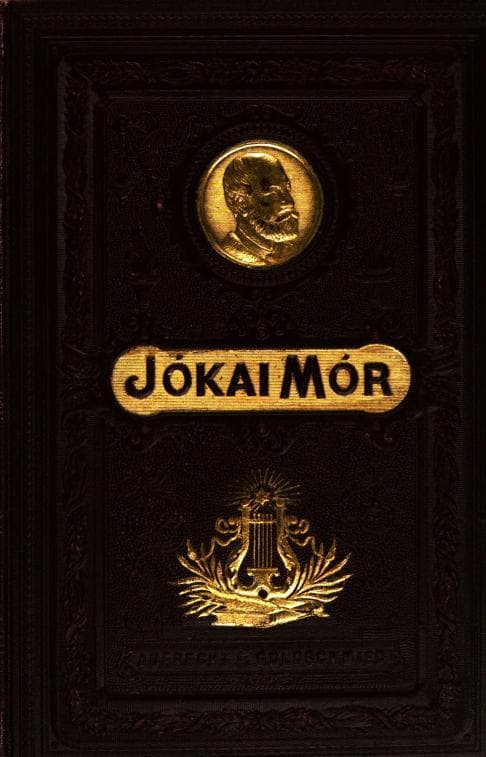
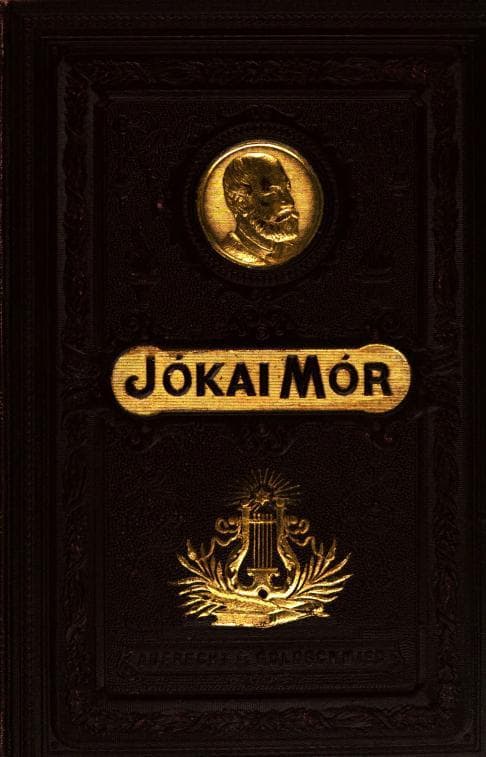
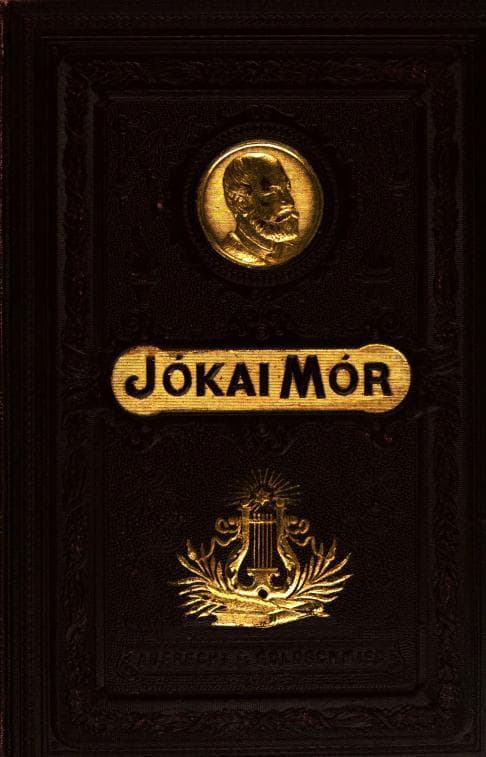
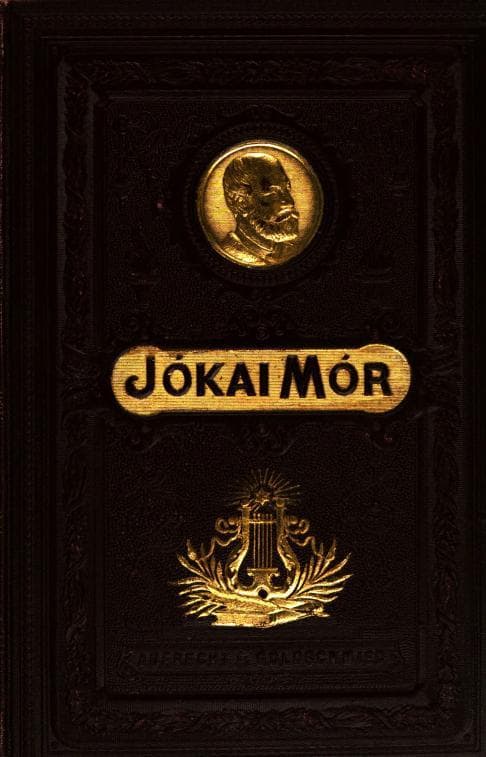
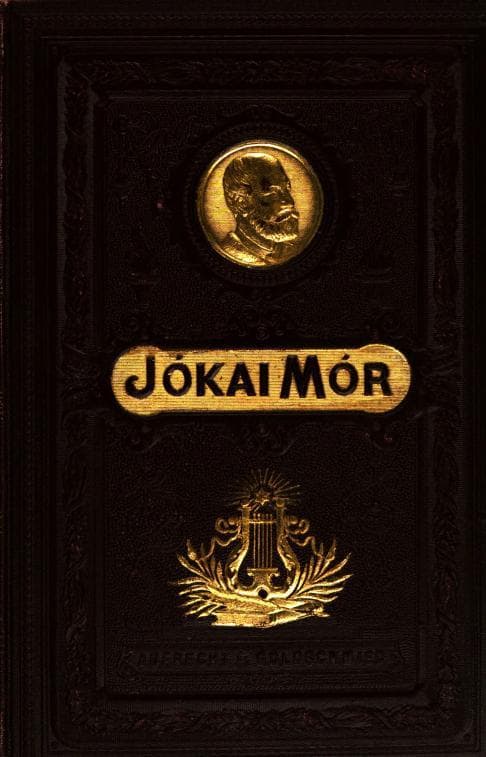
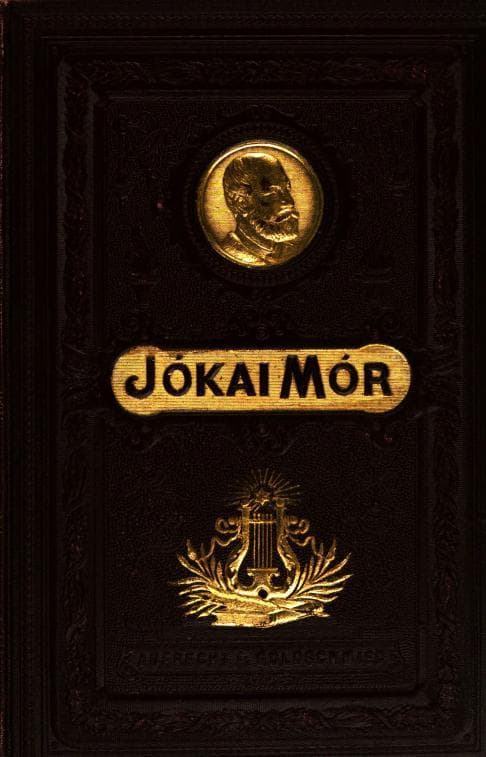
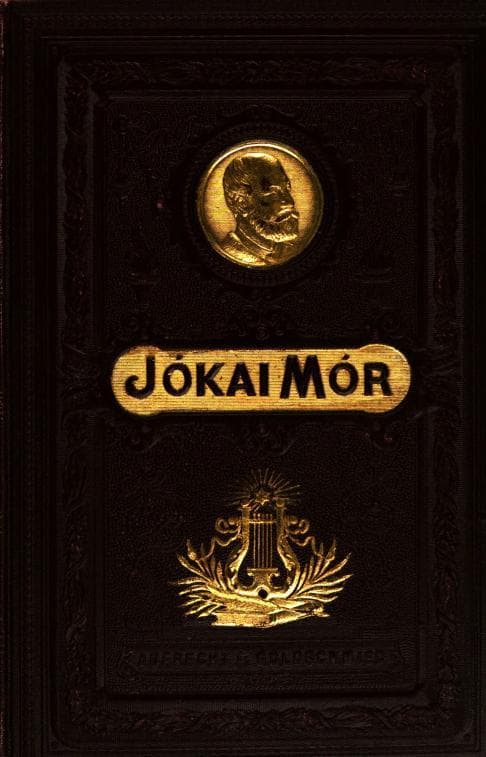
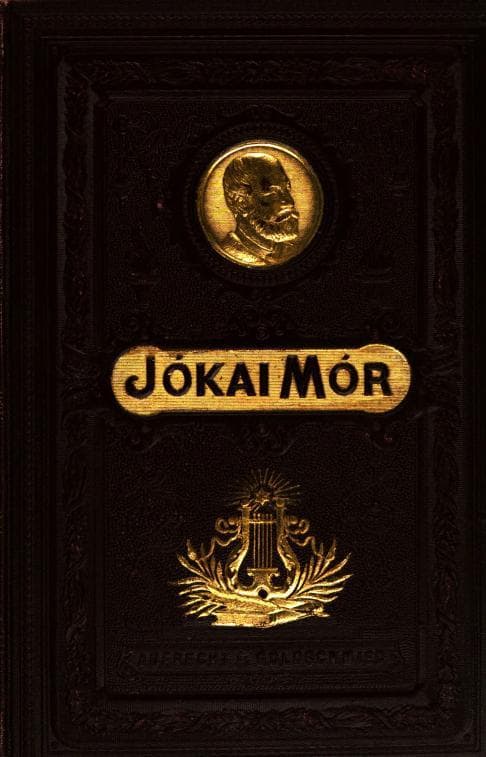
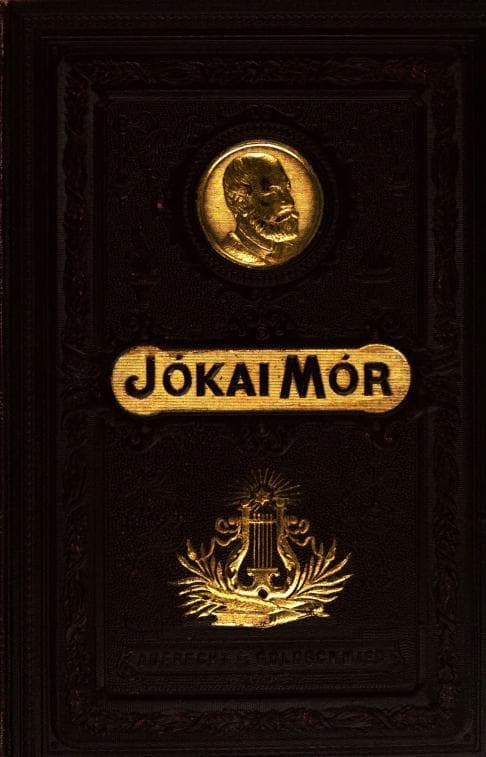
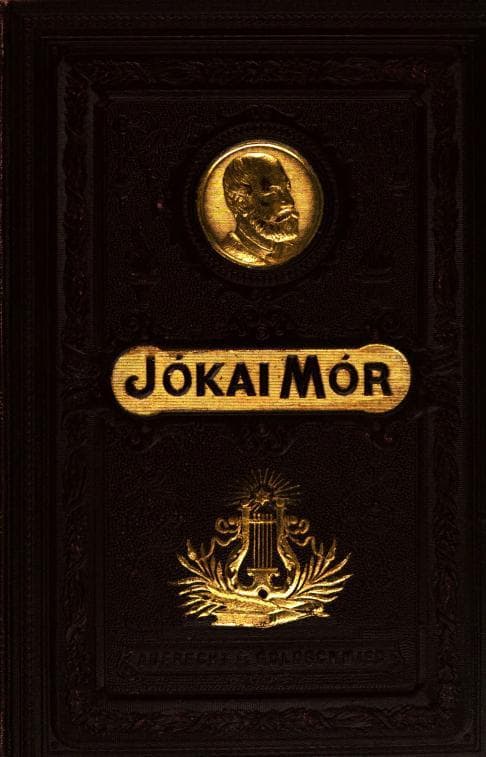
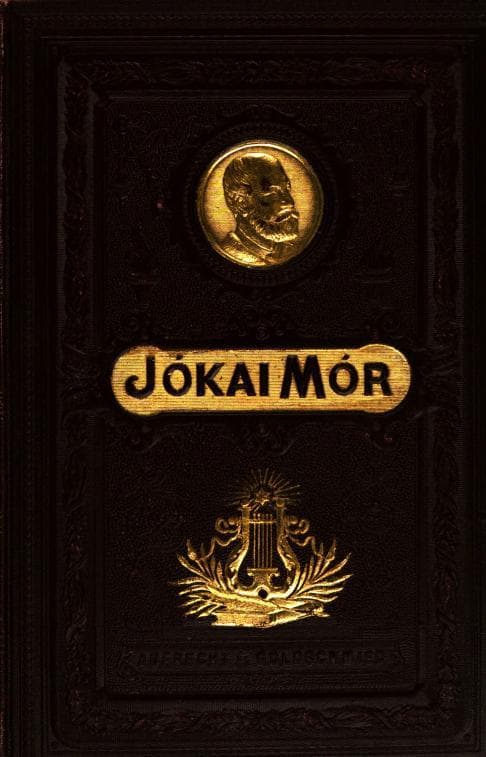
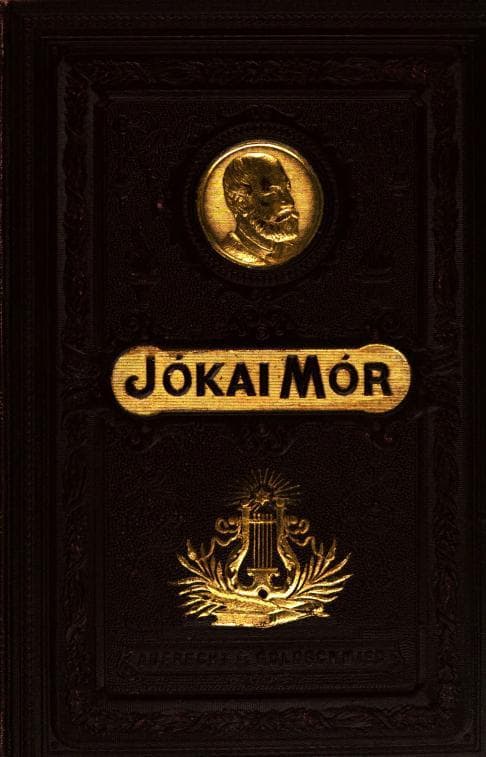
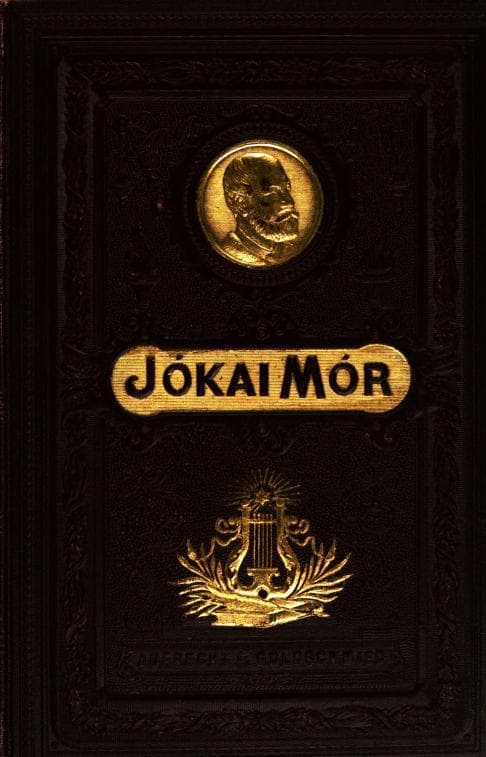
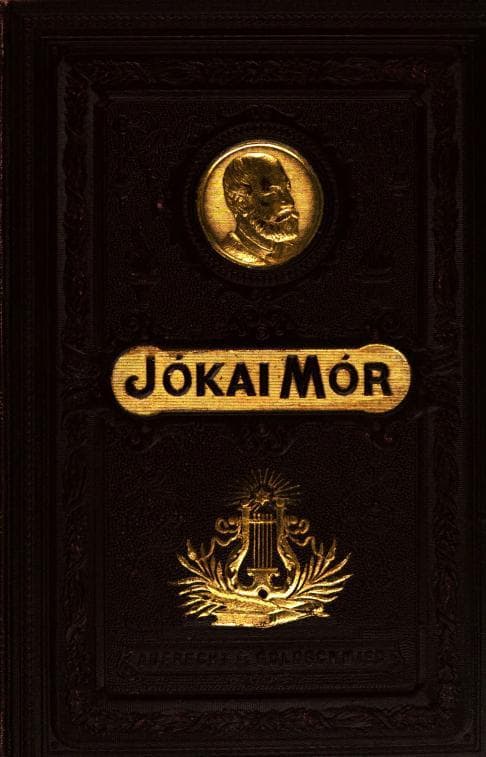
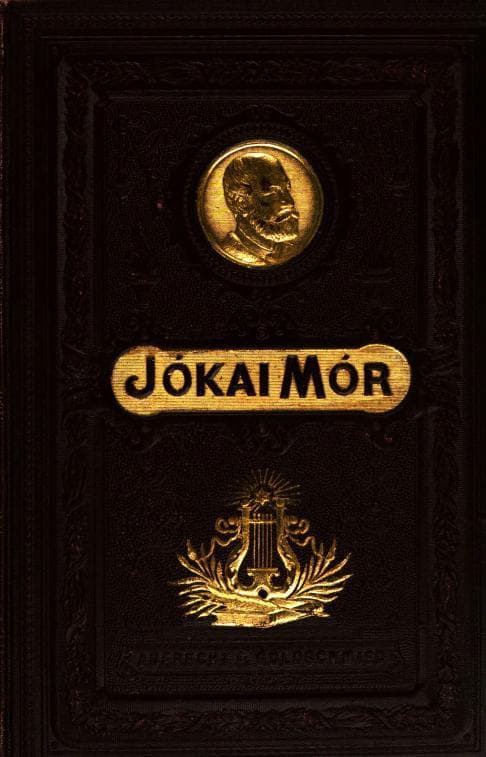
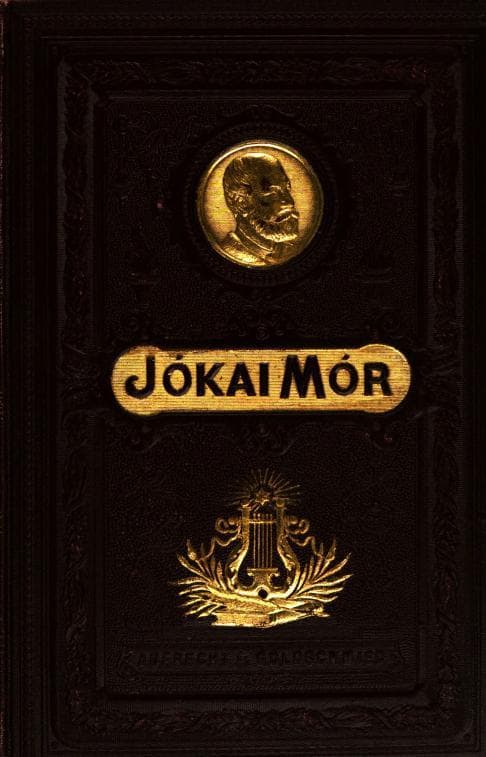
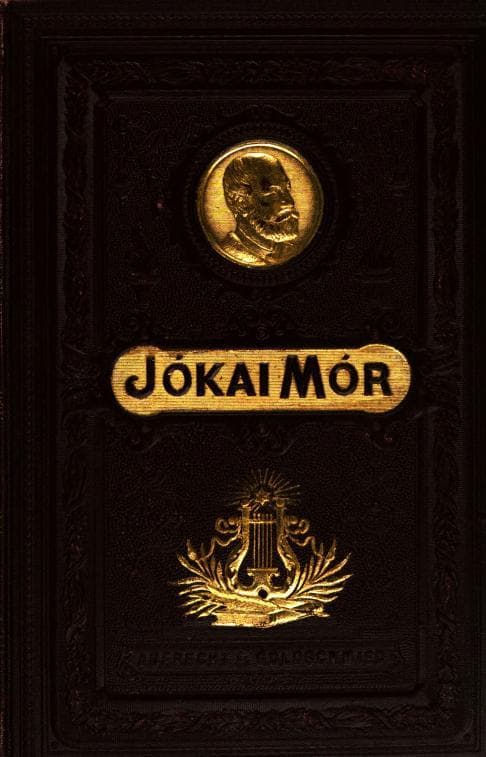
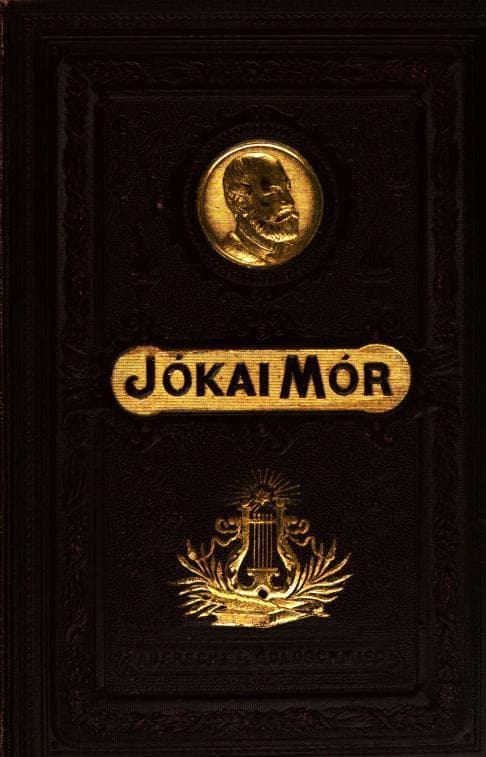
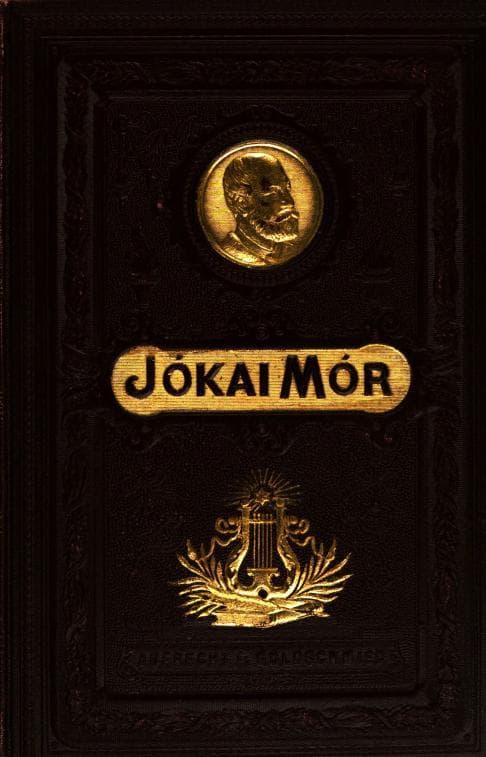
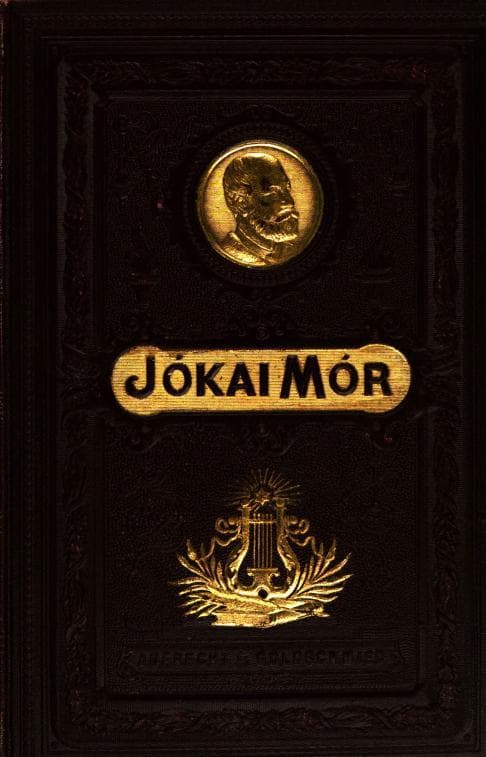
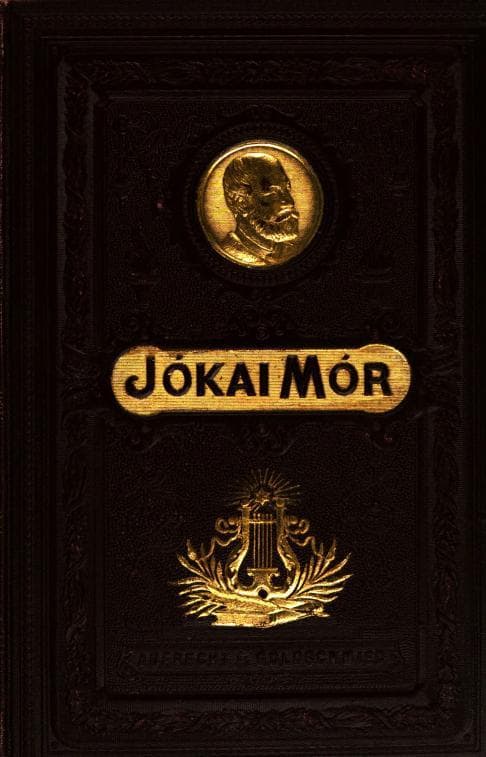
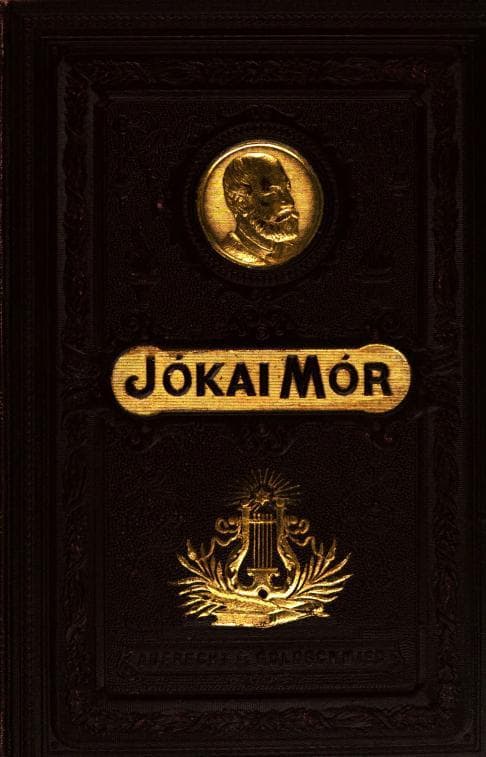
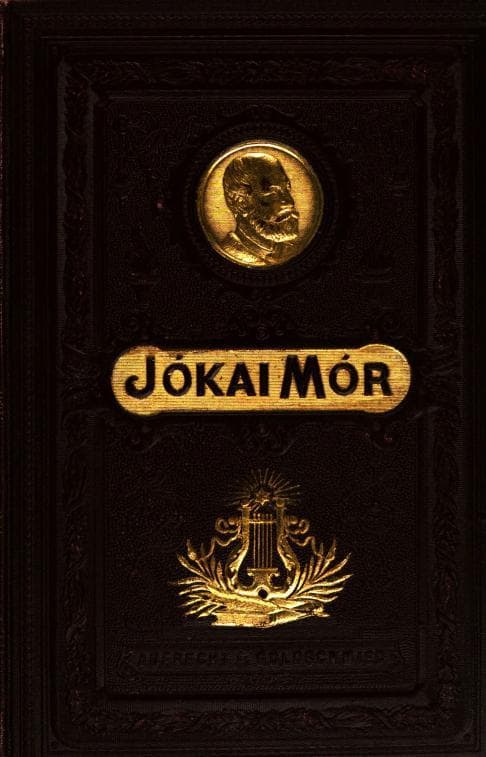
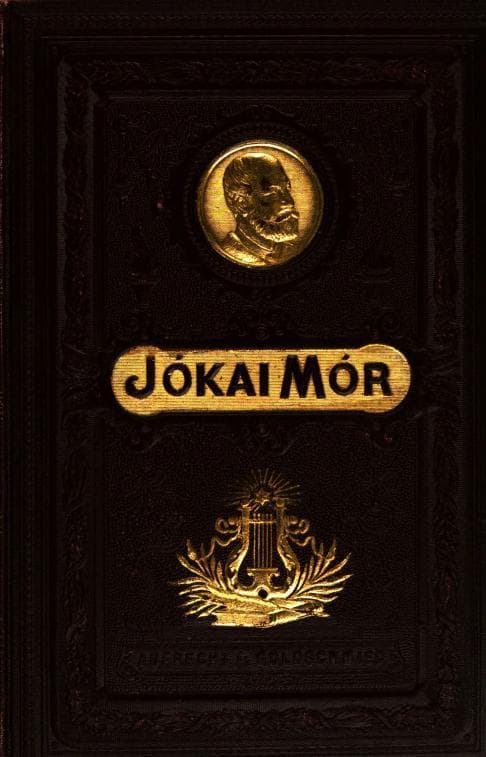
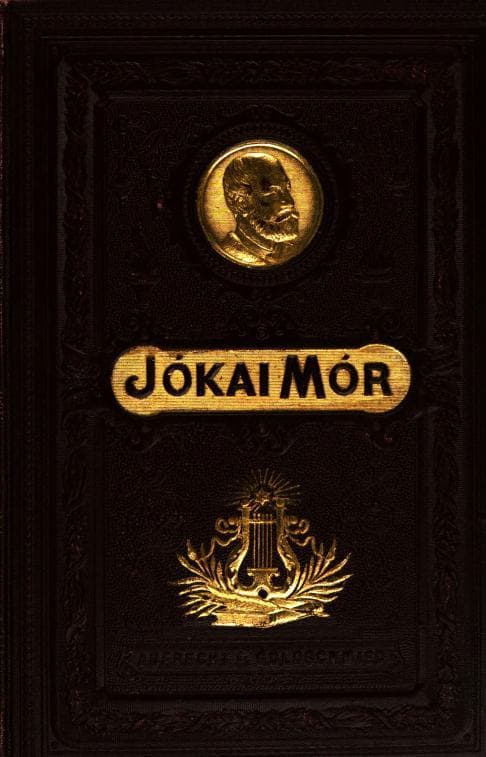
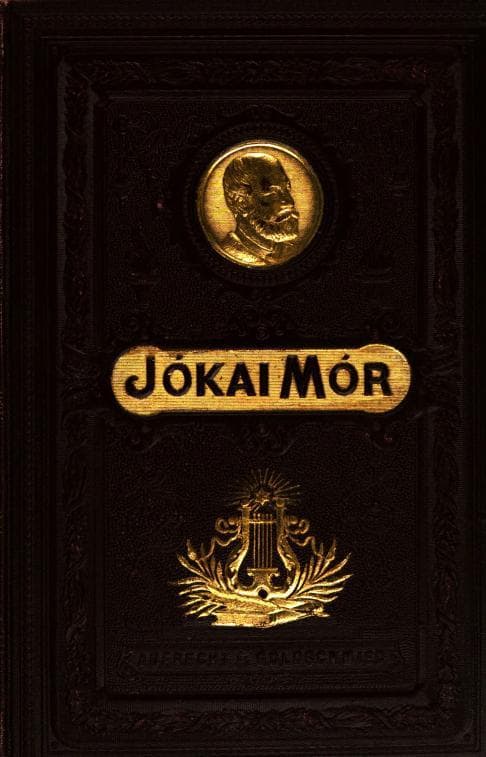
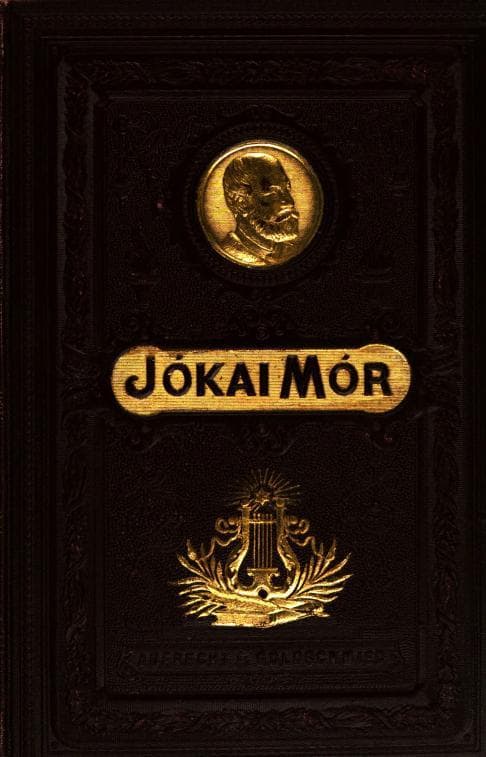
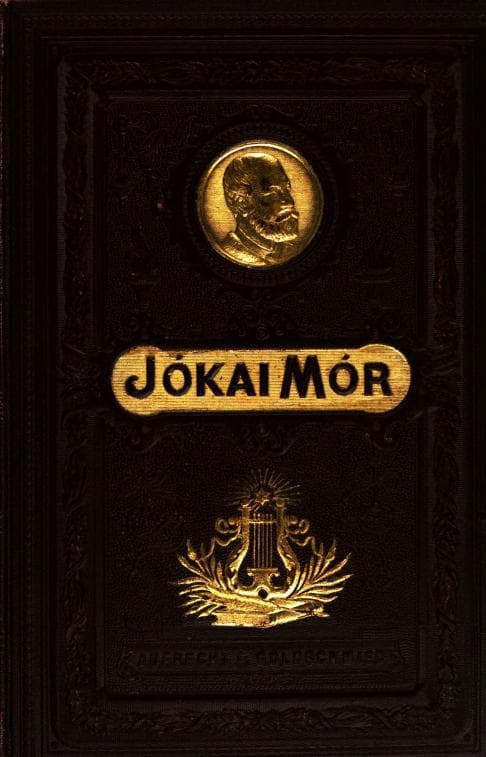
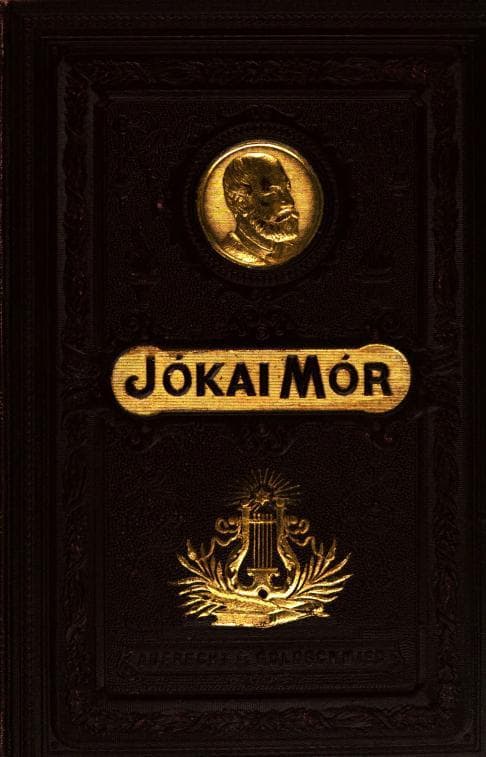
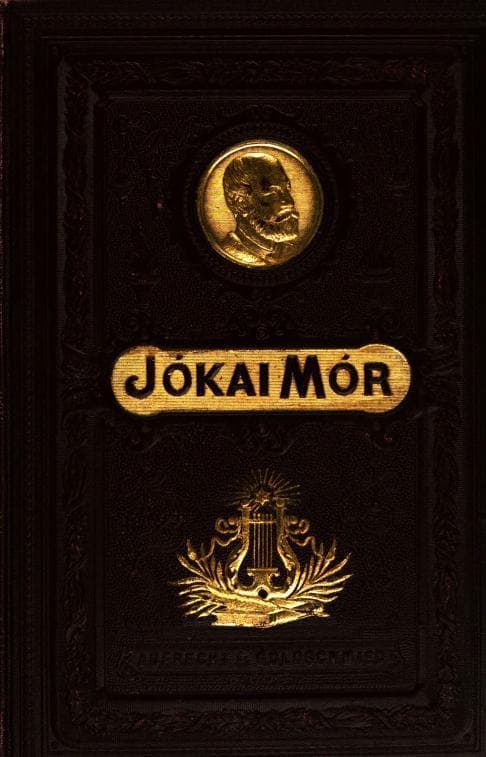
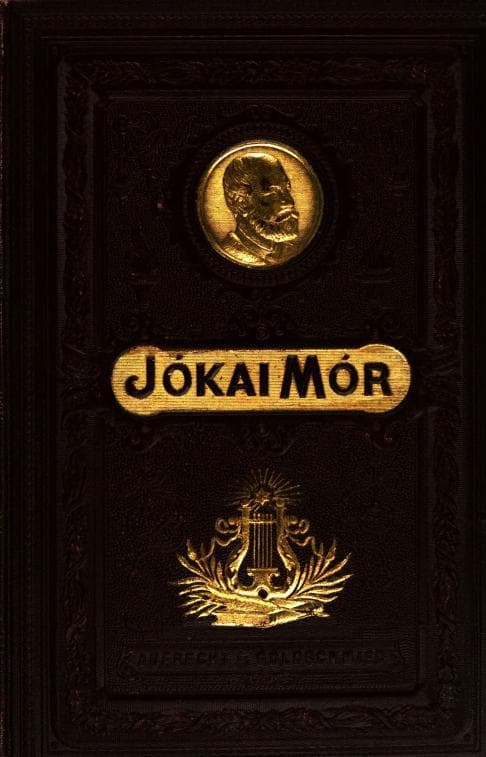
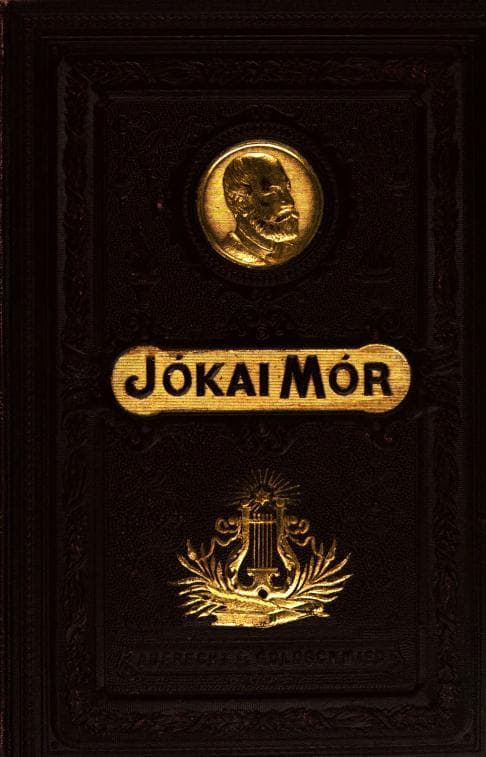
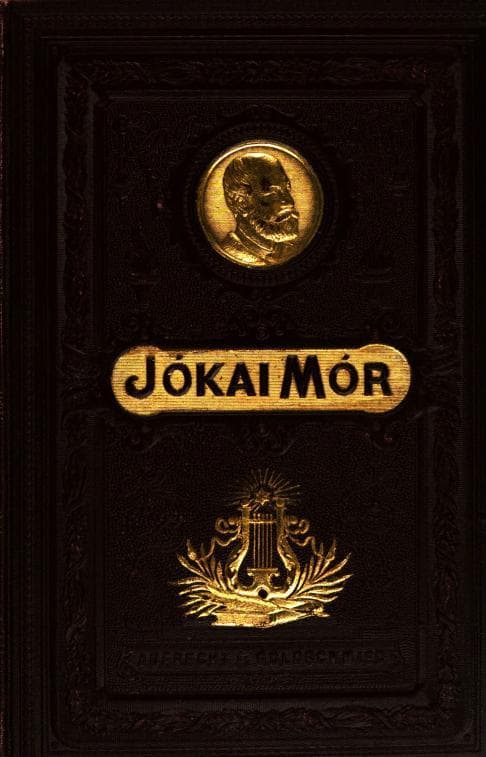
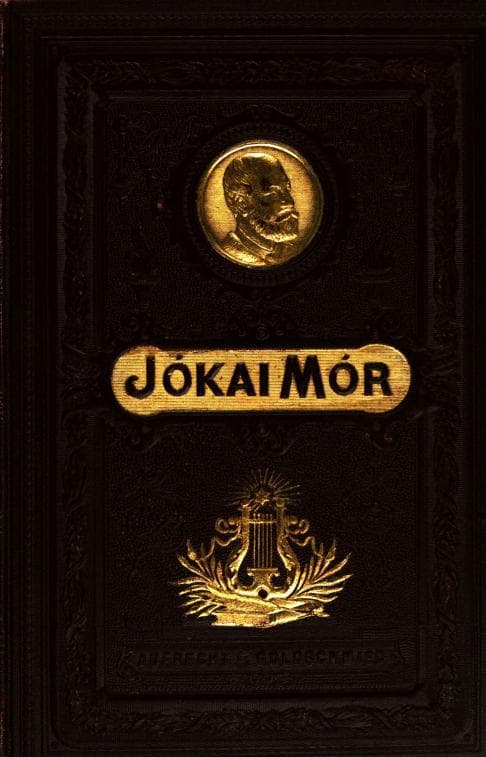
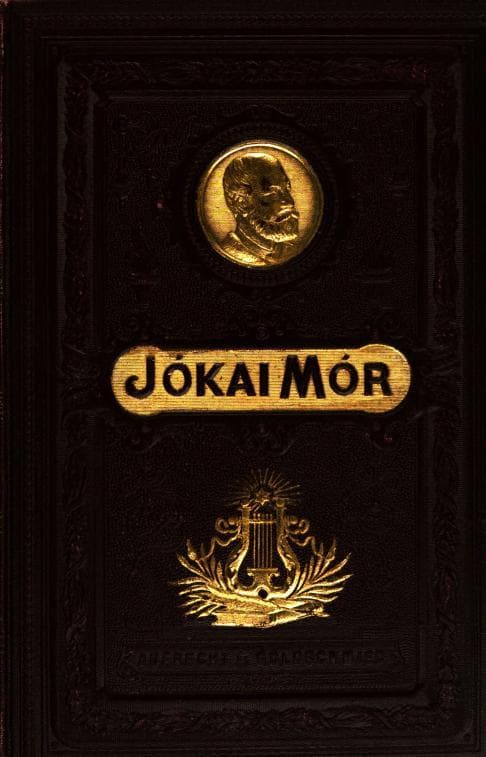
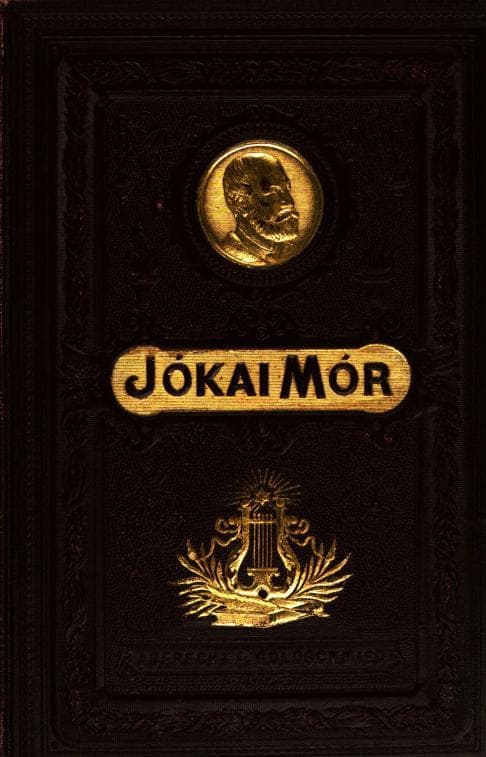
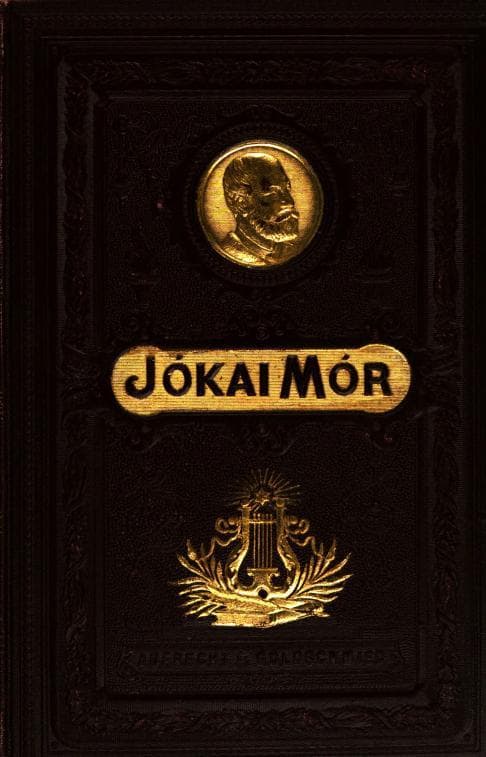
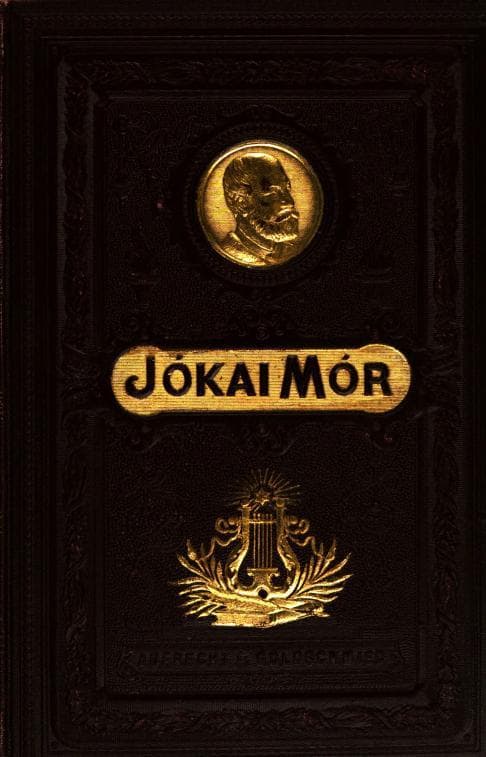
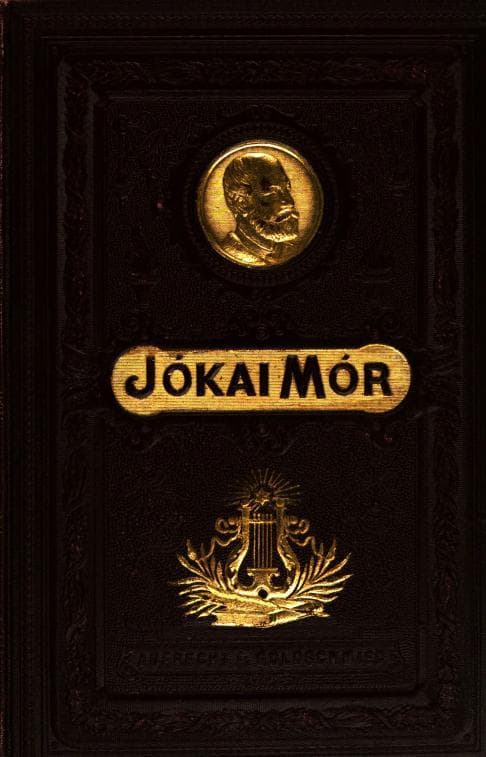
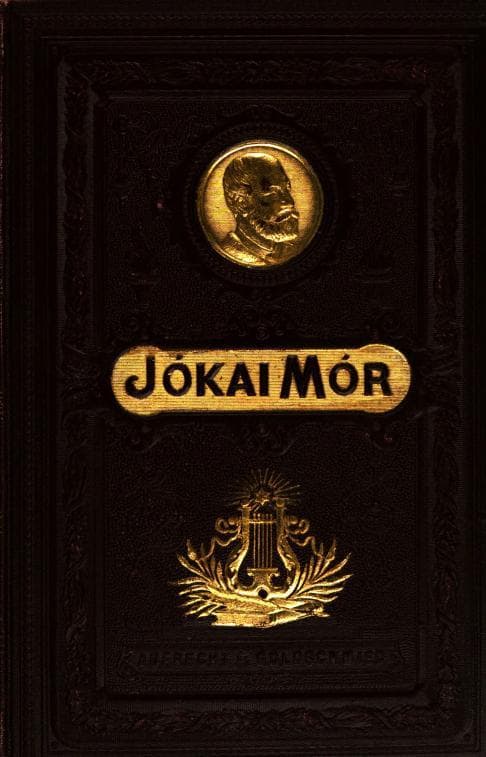
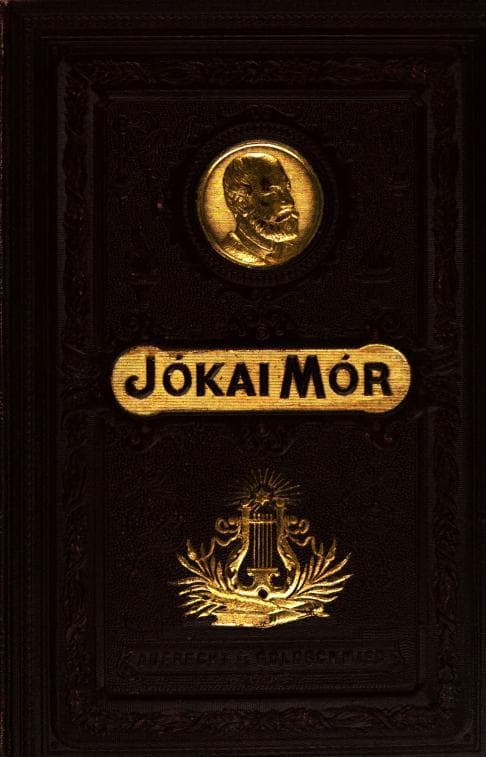
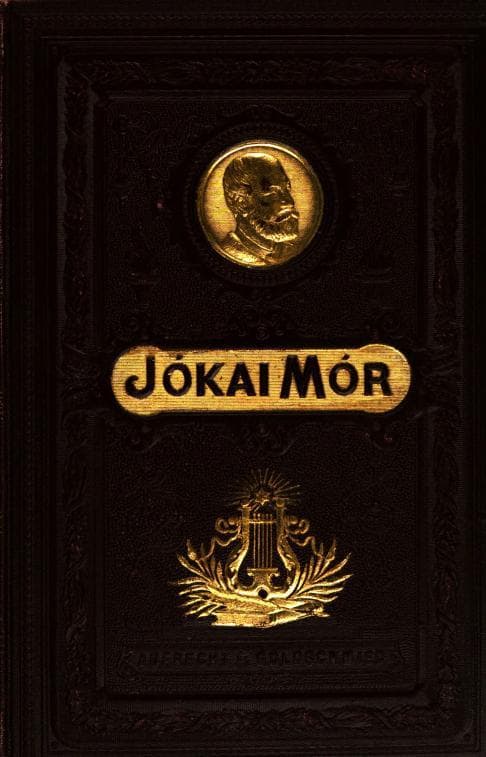
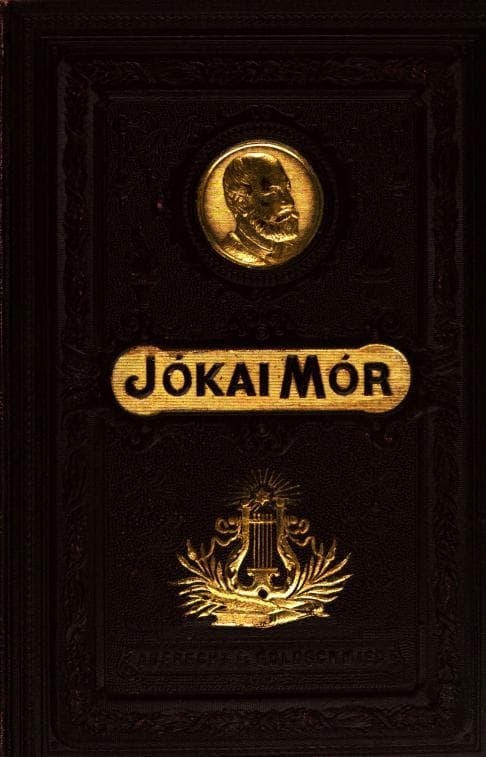
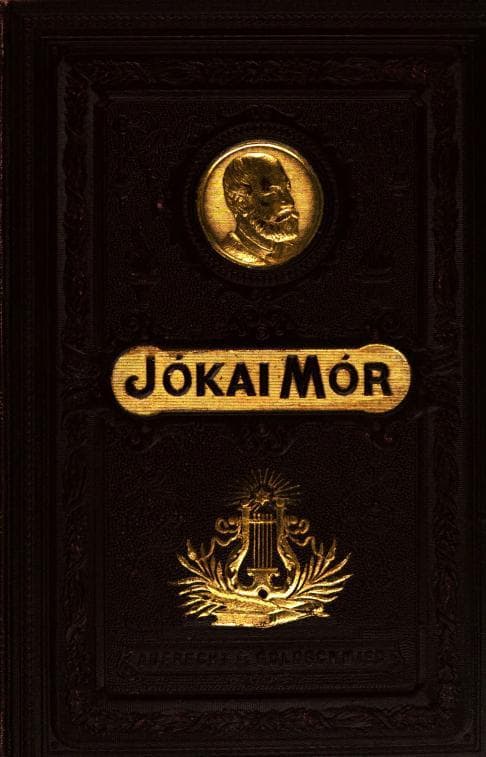
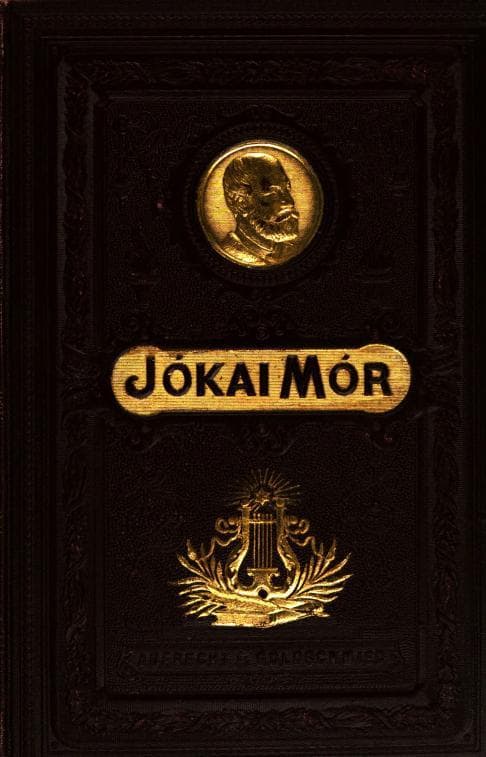
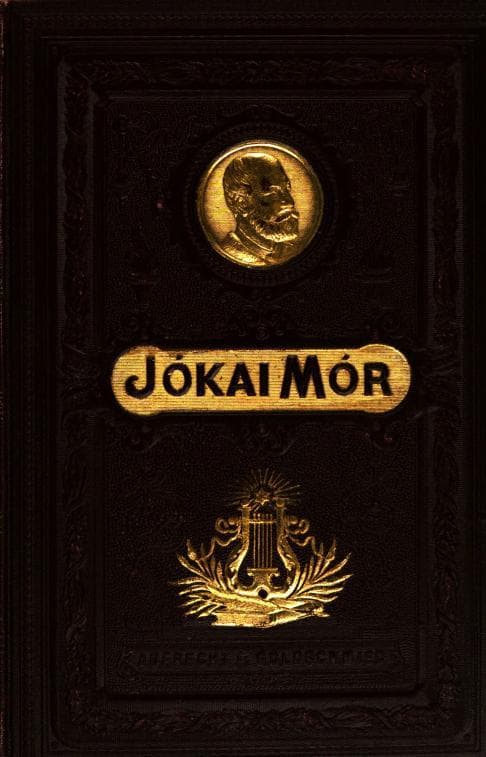
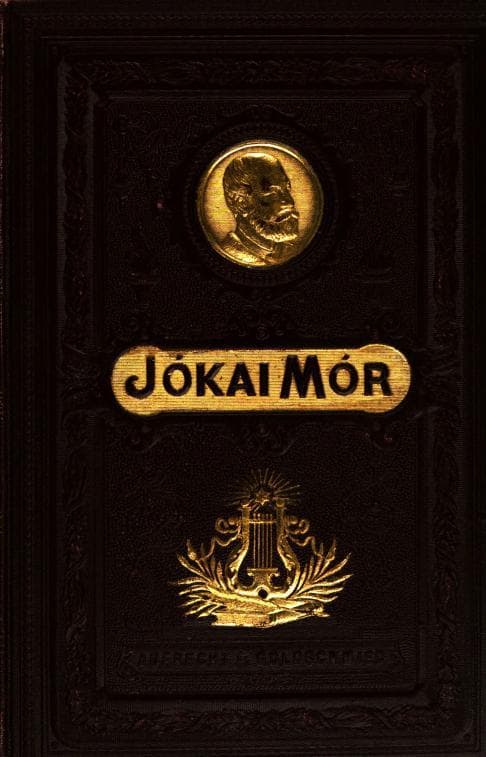
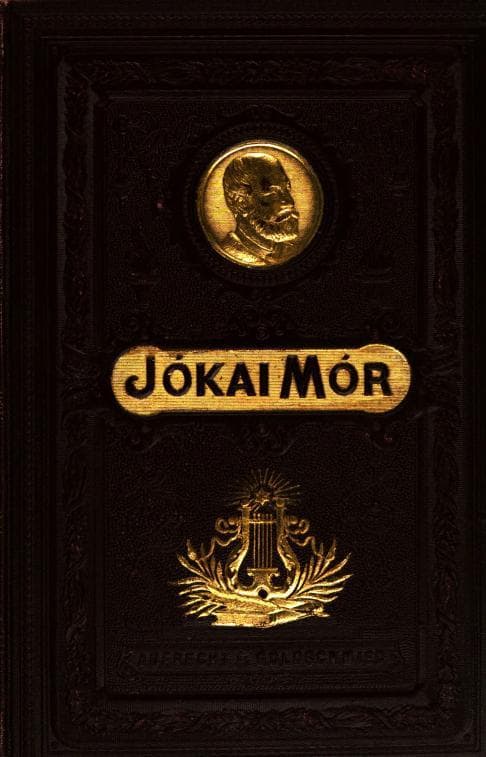
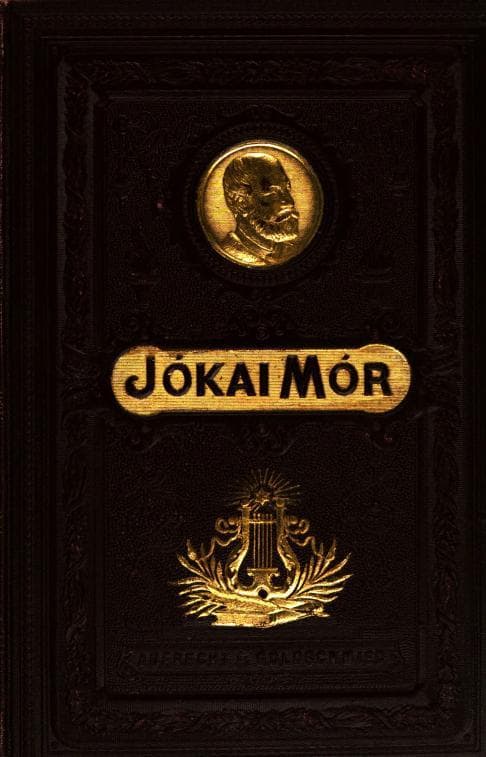
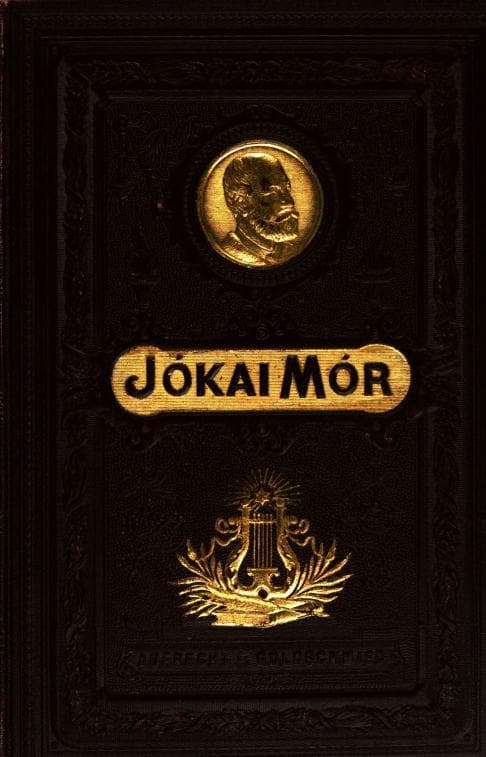
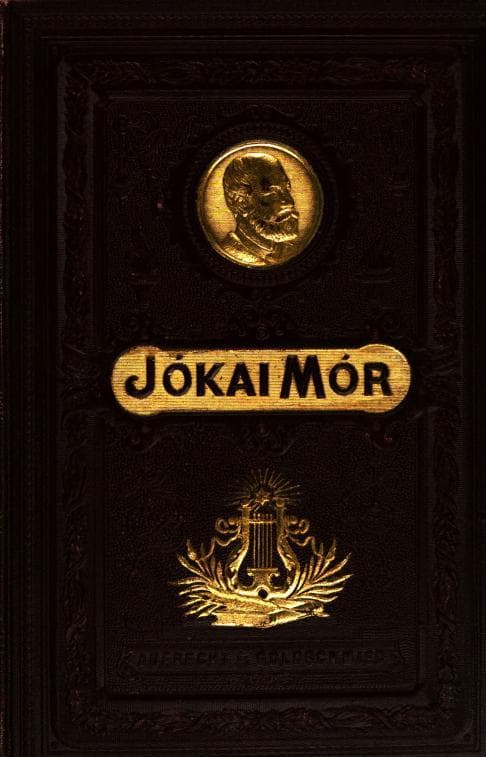
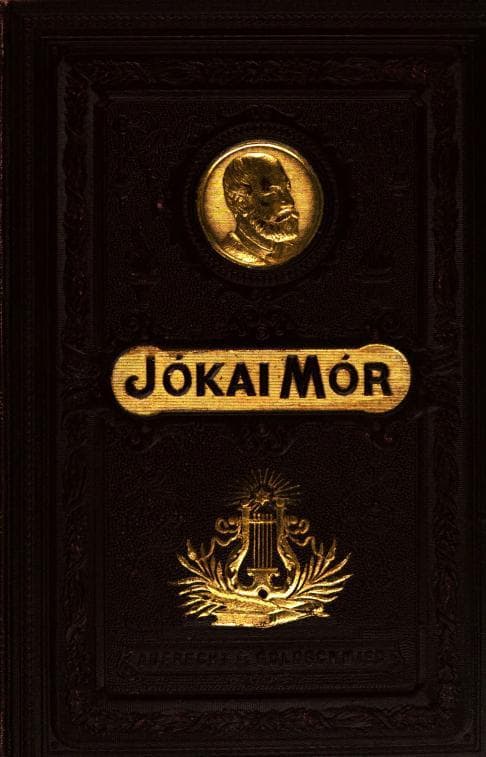
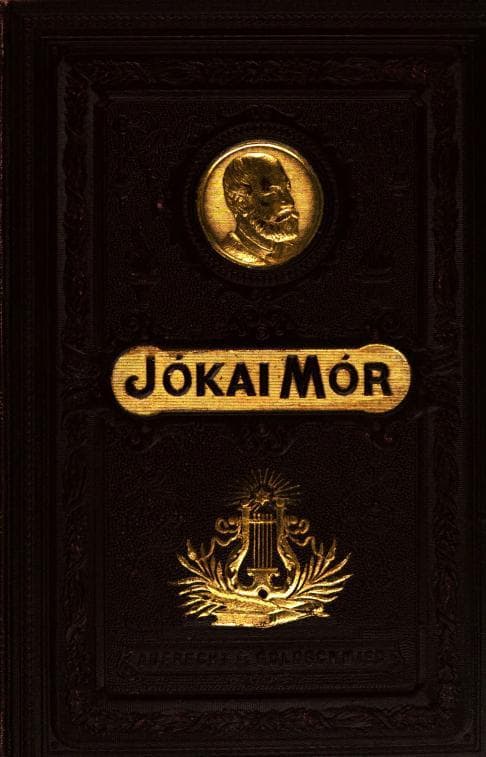
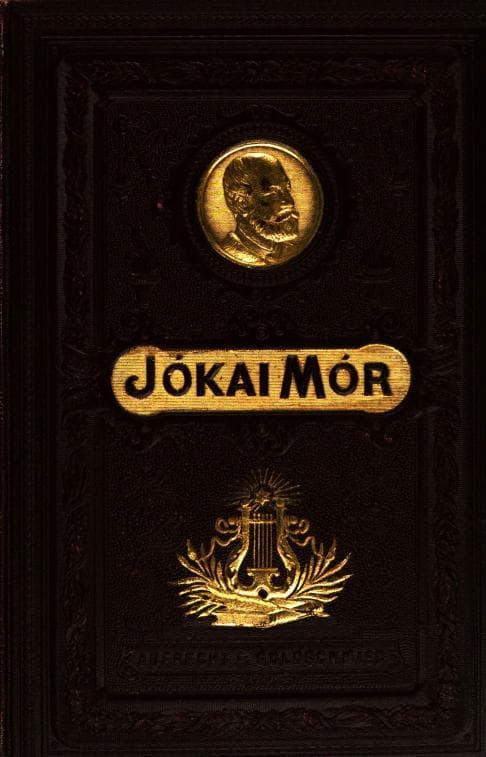
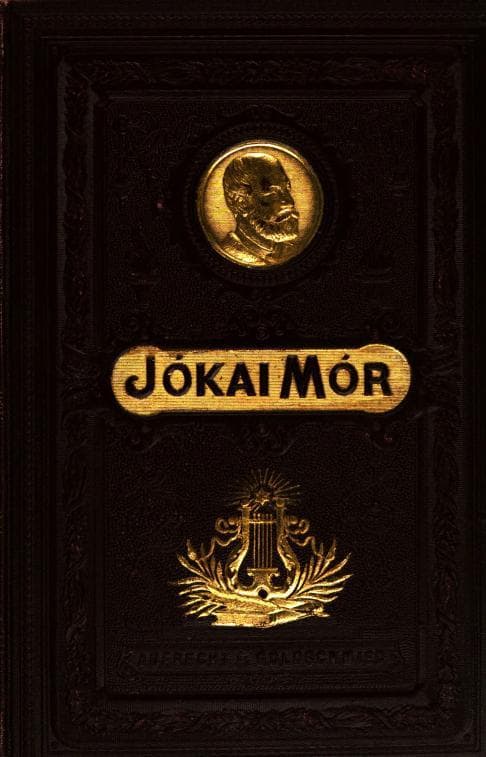
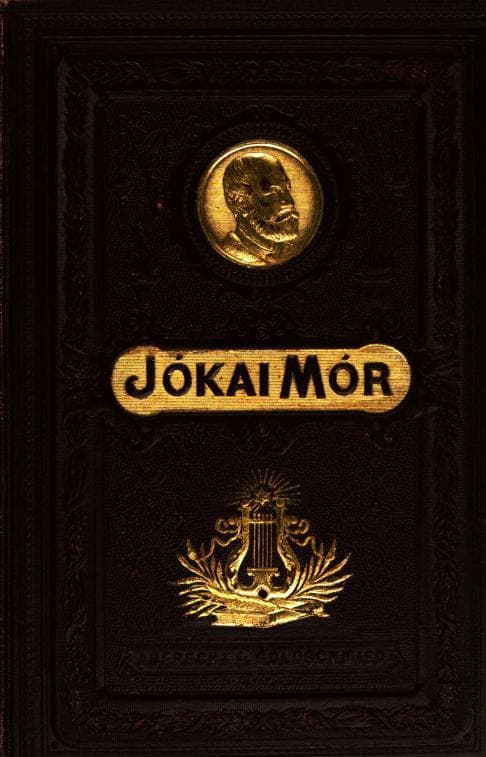
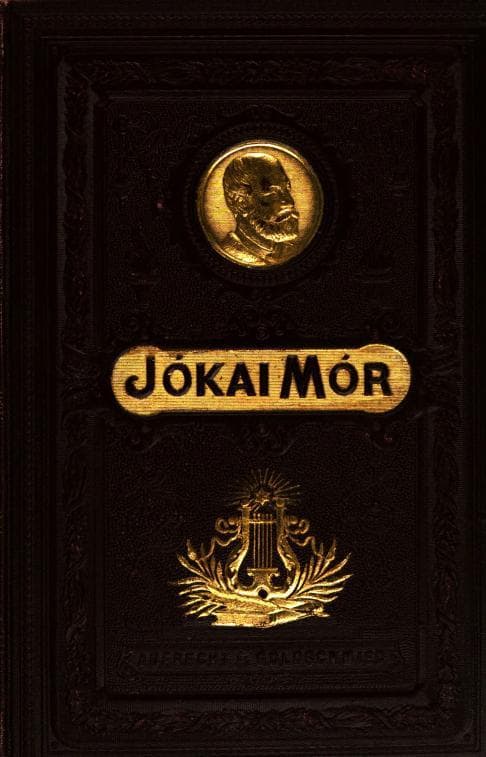
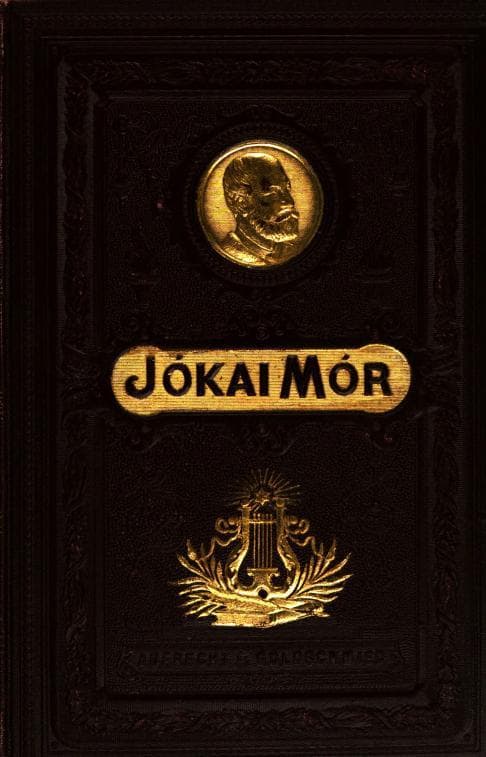
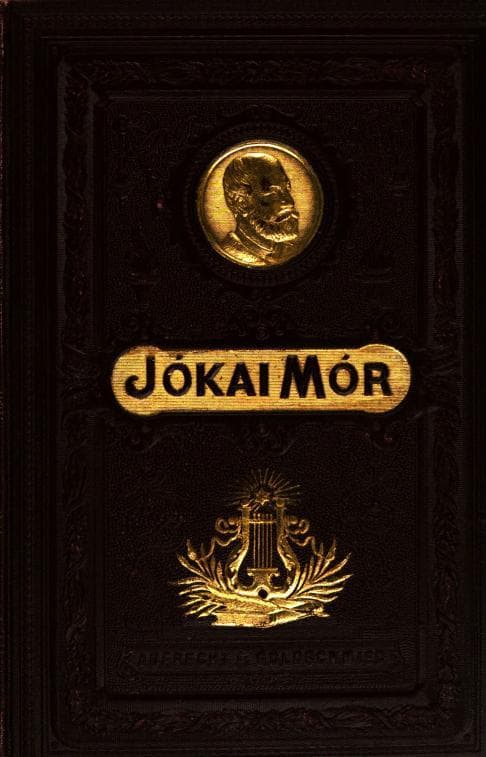
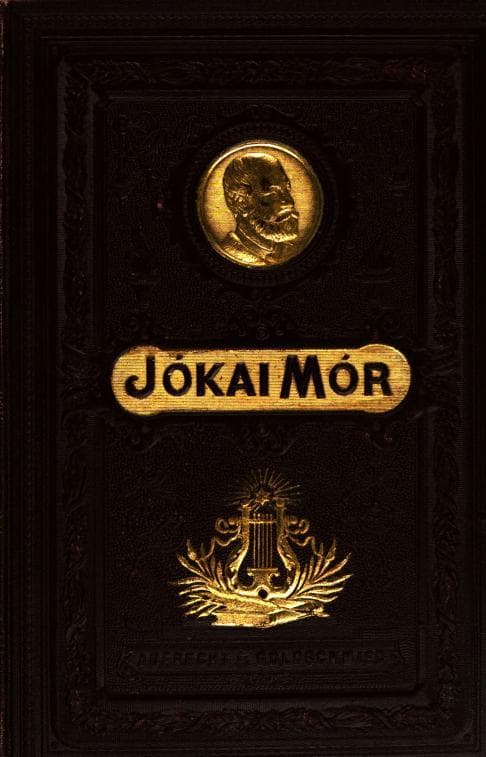
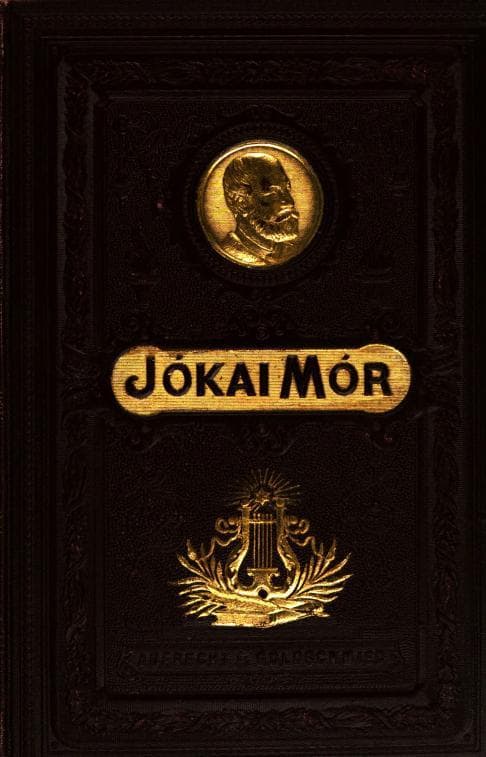
Forradalom Alatt Irt Művek
Forradalom alatt irt művek by Mór Jókai is a collection of political journalism, essays, and literary sketches written in the mid-19th century. Drawing on pieces composed during the Hungarian Revolution, it captures the exhilaration of March 15 in Pest, the push for press freedom and the Twelve Points, the birth of the National Guard, and the evolving mood from hopeful unity to grim resolve. The volume blends reportage, manifestos, and lyrical prose to portray a nation awakening to citizenship and responsibility. The opening of this collection begins with a reflective preface in which the author explains why he is gathering and curating his scarce, revolutionary-era writings: to preserve the voice and moods of 1848–1849 while discarding pieces unworthy in tone. He recounts personal ruptures and upheavals (a break with a close poet-friend, marriage, a house fire, taking up arms, then turning to edit a daily paper) before the text shifts into on-the-ground accounts of March 15: the proclamation of demands, the printing of them without censorship, the freeing of a political prisoner, and the orderly formation of a citizen guard. Subsequent short pieces exhort the youth to discipline and unity, call on women to inspire and sustain the cause, rebuke royal delay, and frame the revolution as a life-giving dawn rather than bloodshed. There are also literary preludes and meditations—on past calamities, national symbols, and the ethics of nobility and “the people”—that chart the period’s rapid swing from euphoria to sober, principled steadfastness.
Editions
Link to this book
Add a free, dofollow link to Lex on your blog, forum, syllabus, or reading list.

<a href="https://lex-books.com/book/forradalom-alatt-irt-m-vek-be09e98f-7d1c-46f3-b9ac-73cb8c596f3b"><img src="https://lex-books.com/badges/read-on-lex.svg" alt="Read Forradalom Alatt Irt Művek by Mór Jókai free on Lex" width="160" height="40"></a>[](https://lex-books.com/book/forradalom-alatt-irt-m-vek-be09e98f-7d1c-46f3-b9ac-73cb8c596f3b)[url=https://lex-books.com/book/forradalom-alatt-irt-m-vek-be09e98f-7d1c-46f3-b9ac-73cb8c596f3b][img]https://lex-books.com/badges/read-on-lex.svg[/img][/url]Read Forradalom Alatt Irt Művek by Mór Jókai free on Lex: https://lex-books.com/book/forradalom-alatt-irt-m-vek-be09e98f-7d1c-46f3-b9ac-73cb8c596f3bCite this book
Reading this edition for a paper or guide? Copy a citation.
Jókai, Mór. Forradalom Alatt Irt Művek. Lex, lex-books.com/book/forradalom-alatt-irt-m-vek-be09e98f-7d1c-46f3-b9ac-73cb8c596f3b.Jókai, M. (n.d.). Forradalom Alatt Irt Művek. Lex. https://lex-books.com/book/forradalom-alatt-irt-m-vek-be09e98f-7d1c-46f3-b9ac-73cb8c596f3bJókai, Mór. Forradalom Alatt Irt Művek. Lex. https://lex-books.com/book/forradalom-alatt-irt-m-vek-be09e98f-7d1c-46f3-b9ac-73cb8c596f3b.