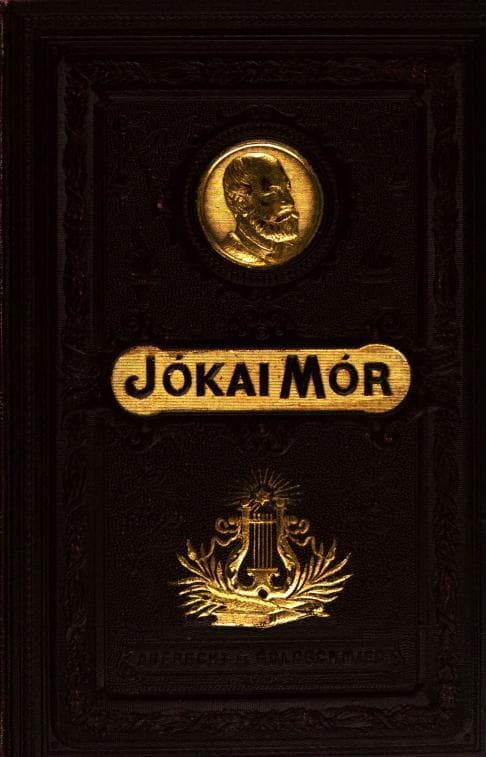
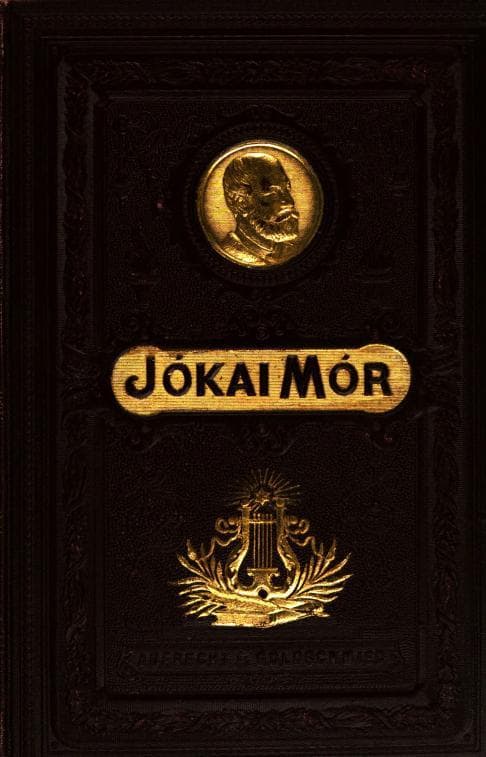
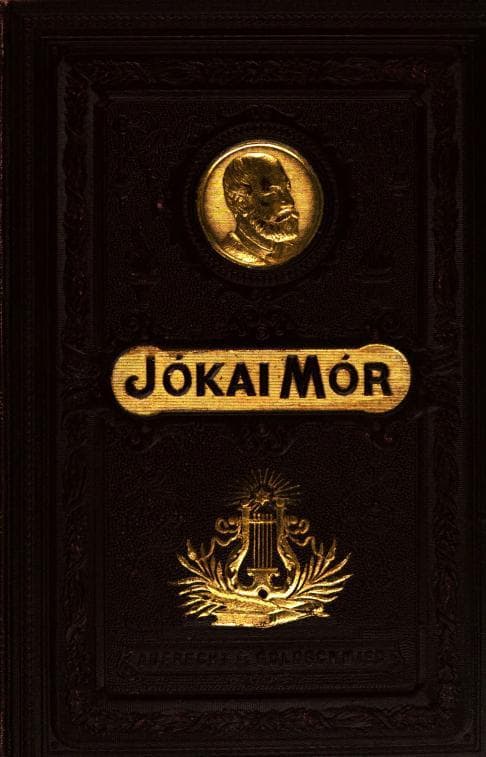
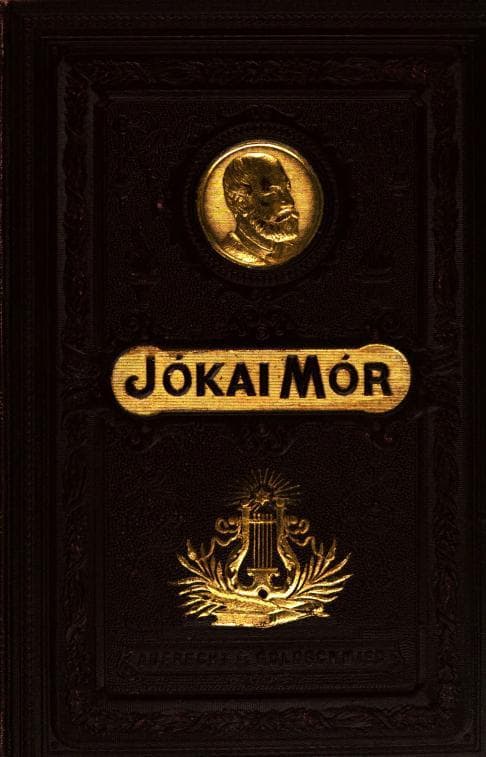
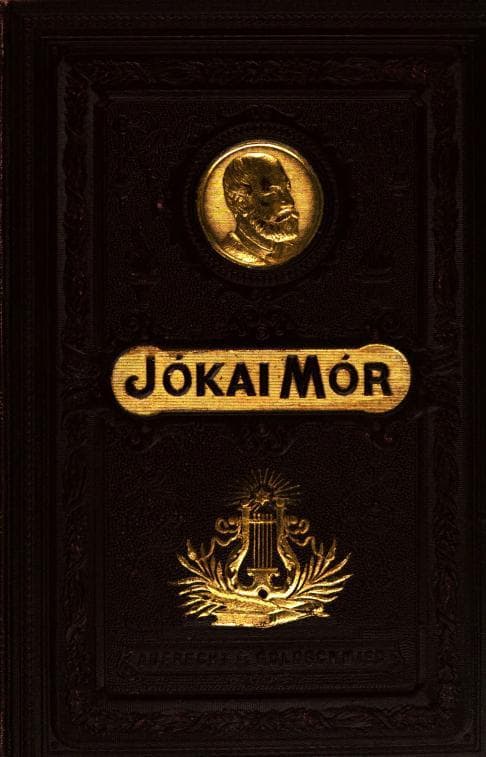
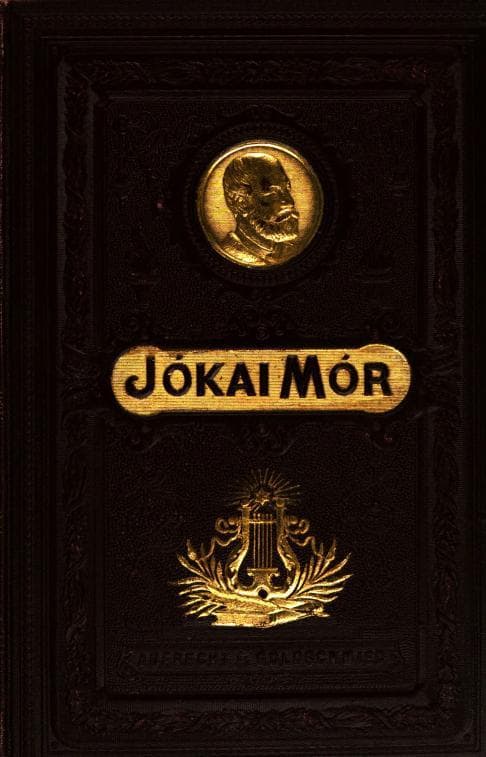
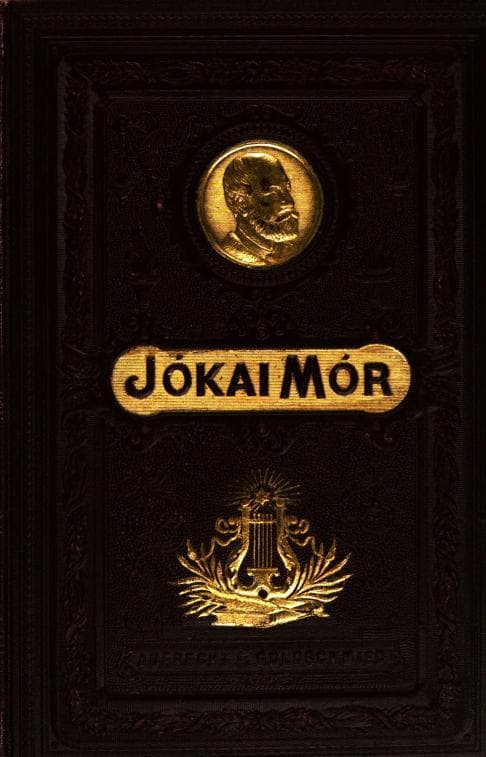
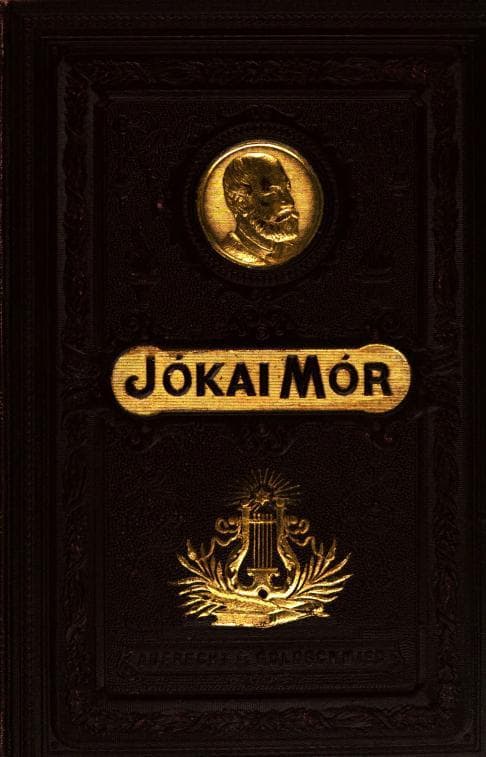
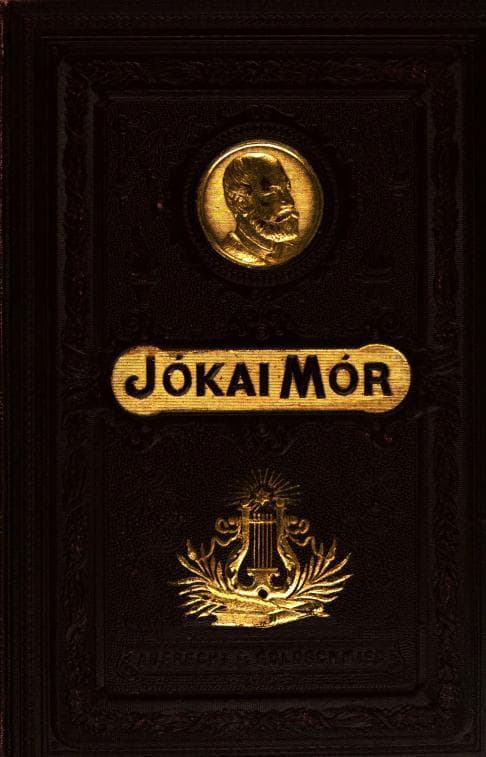
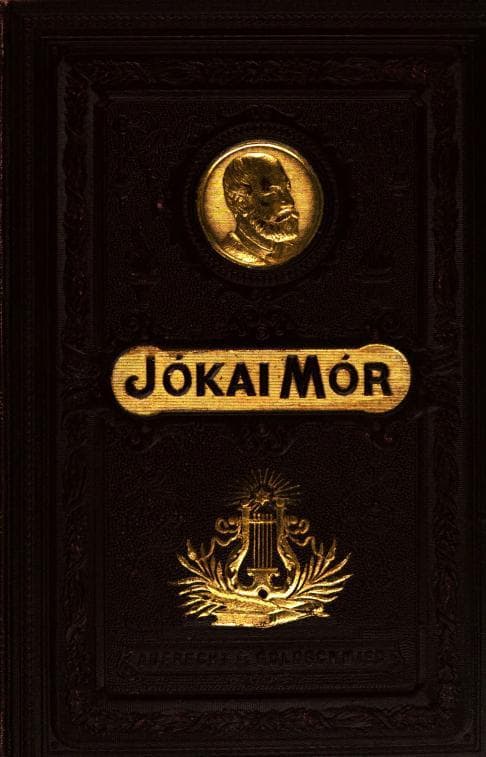
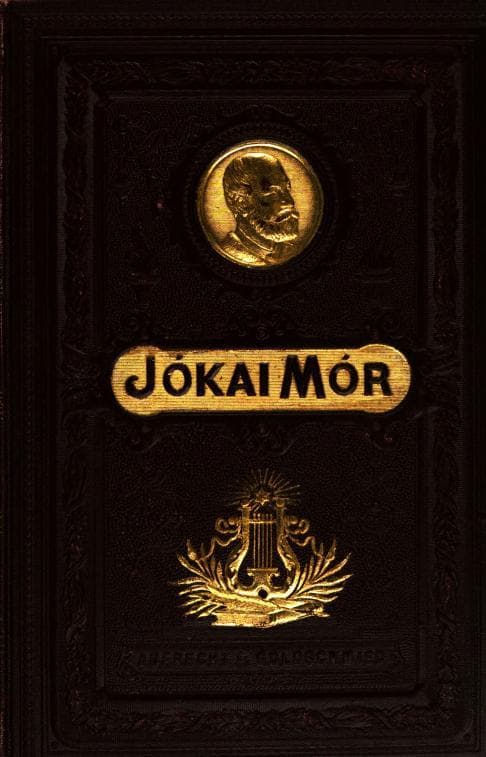
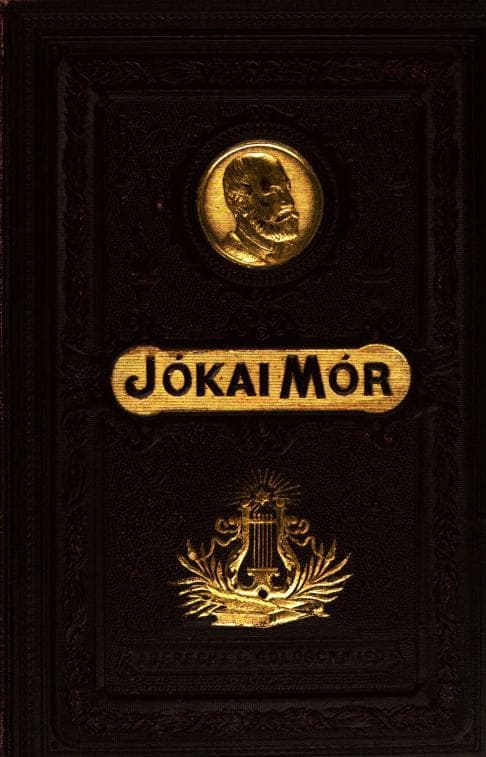
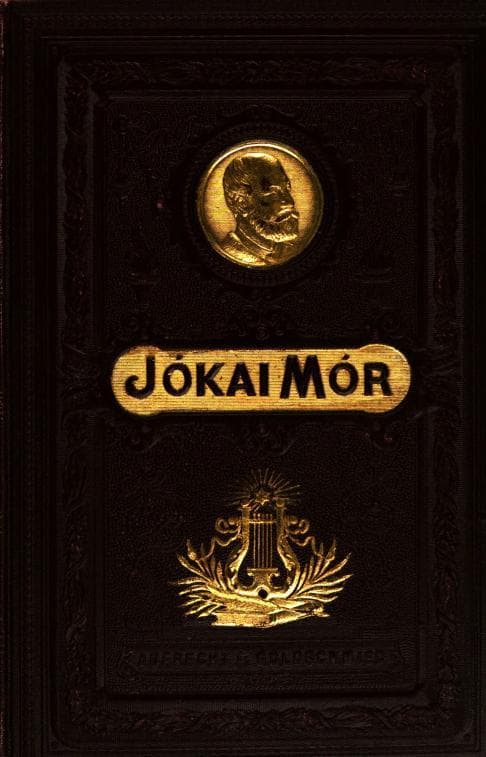
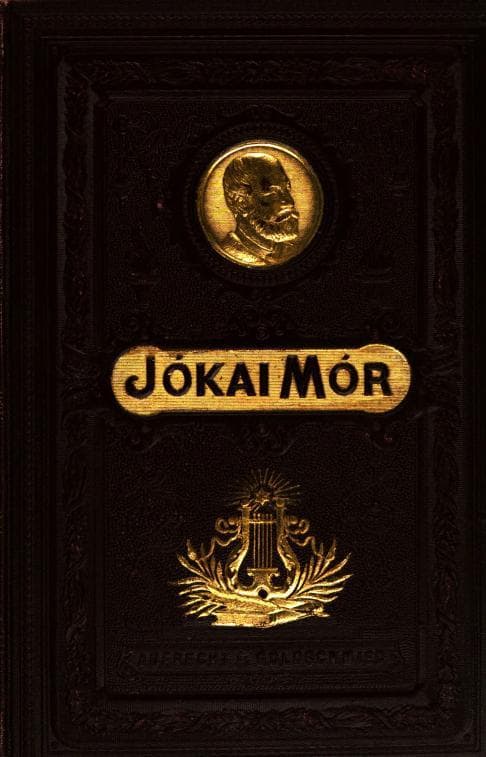
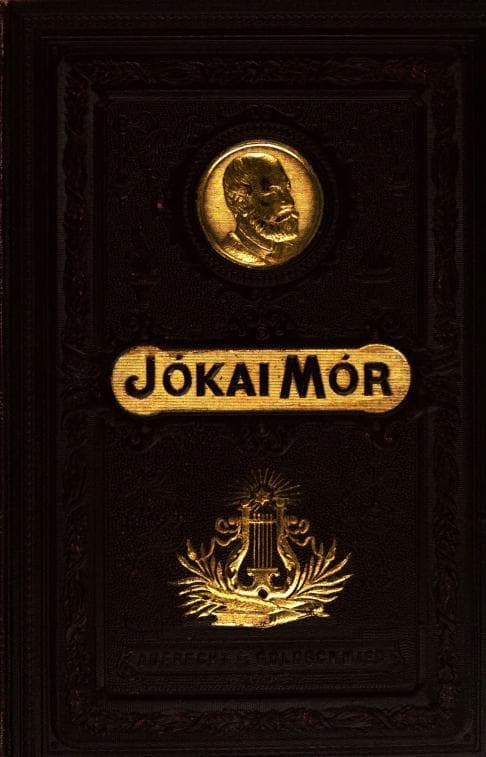
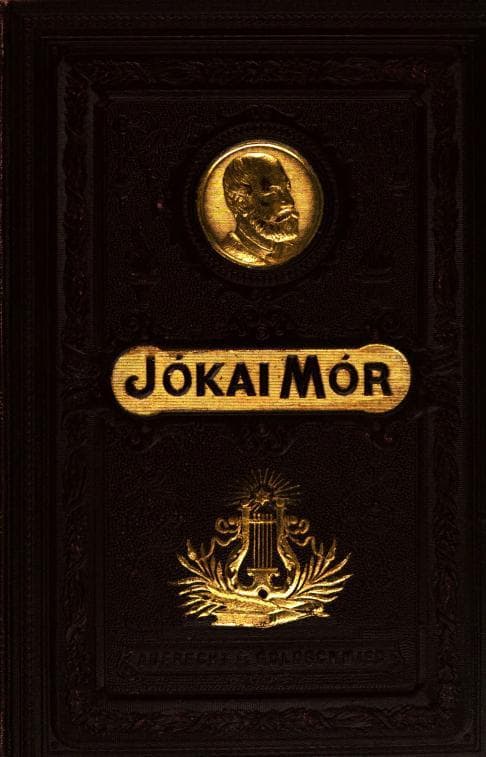
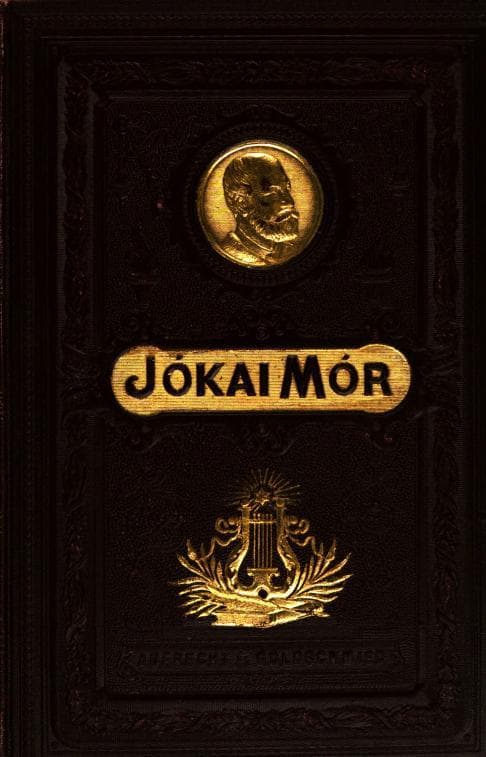
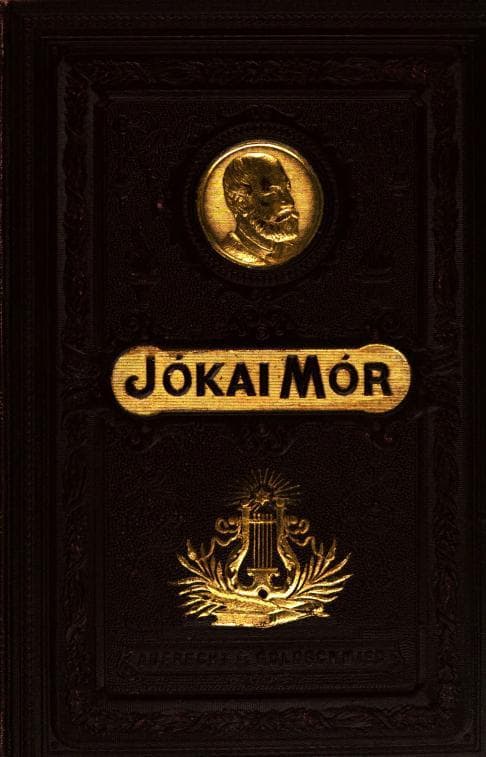
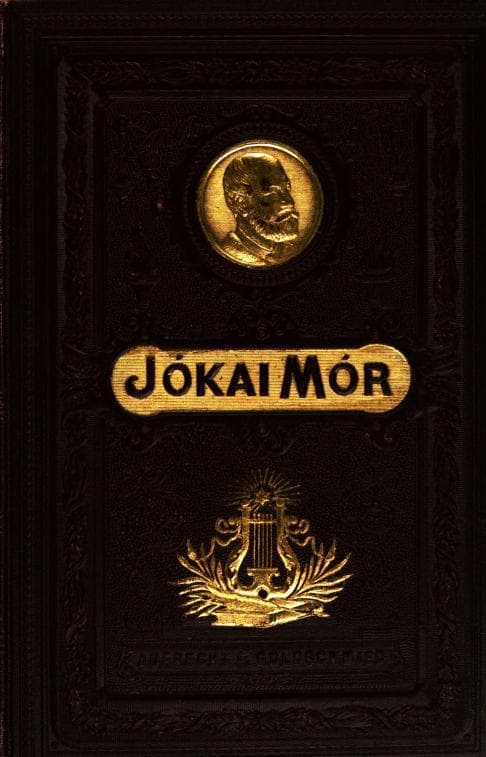
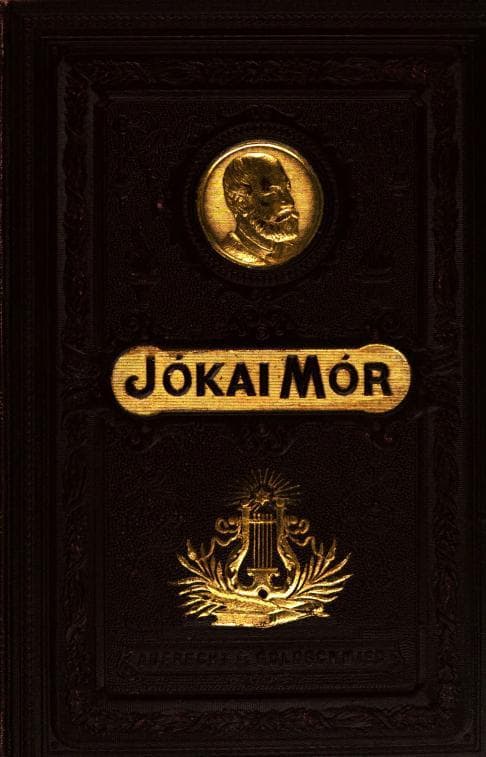
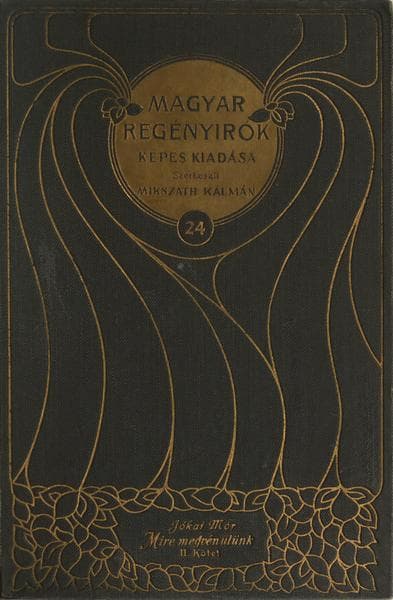
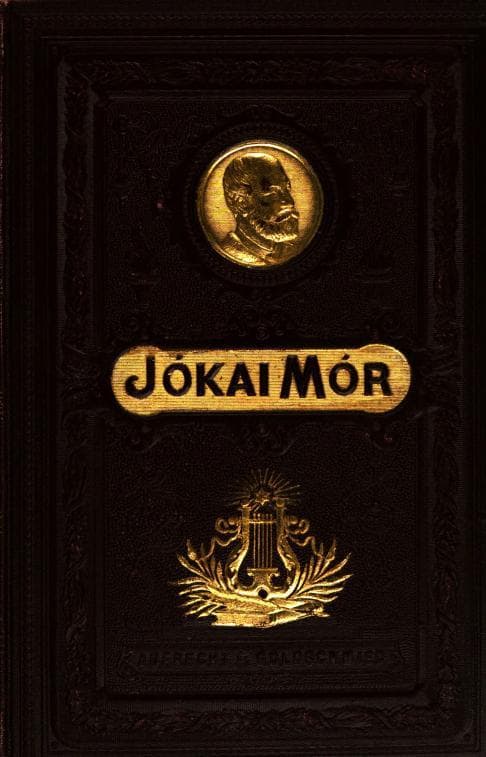
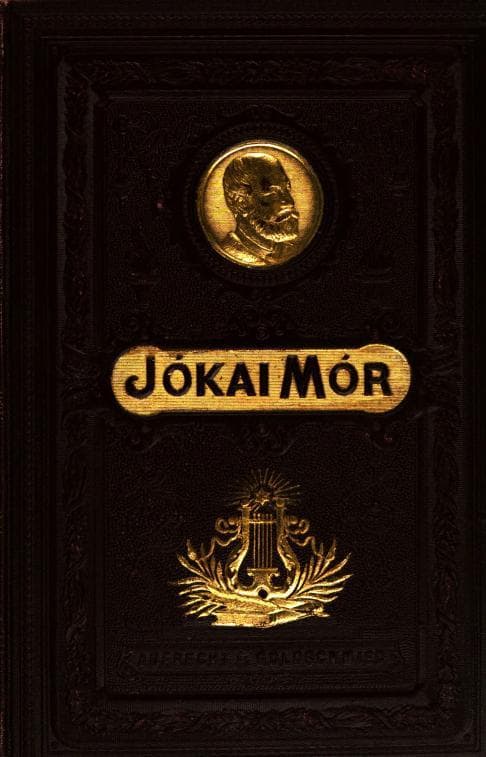
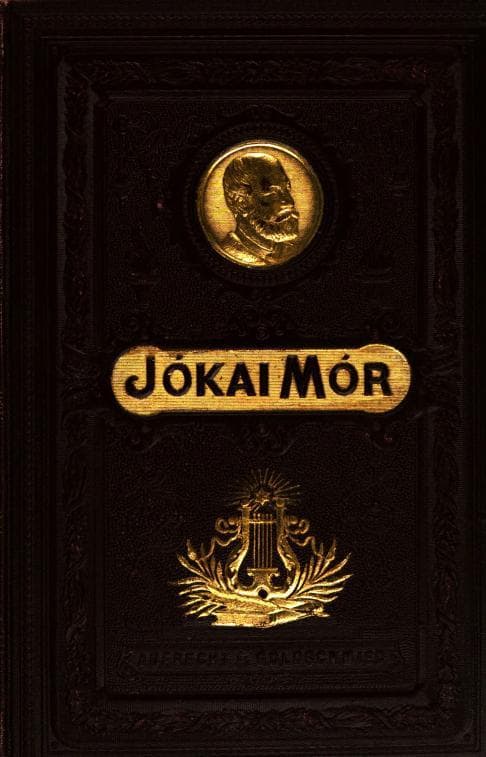
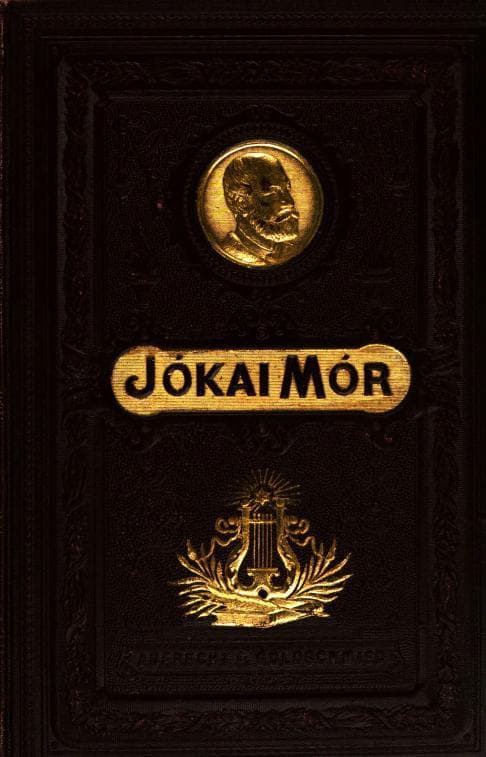
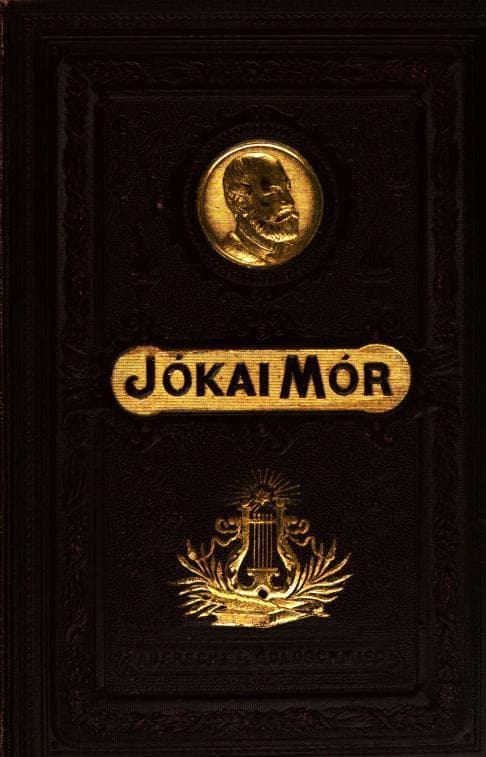
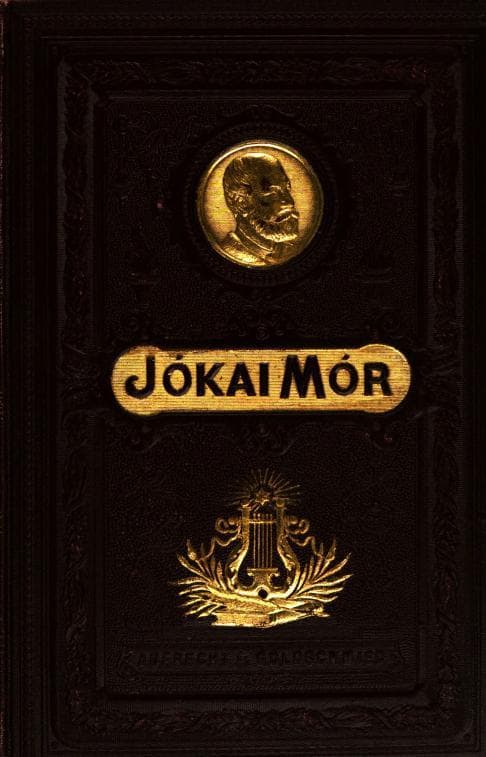
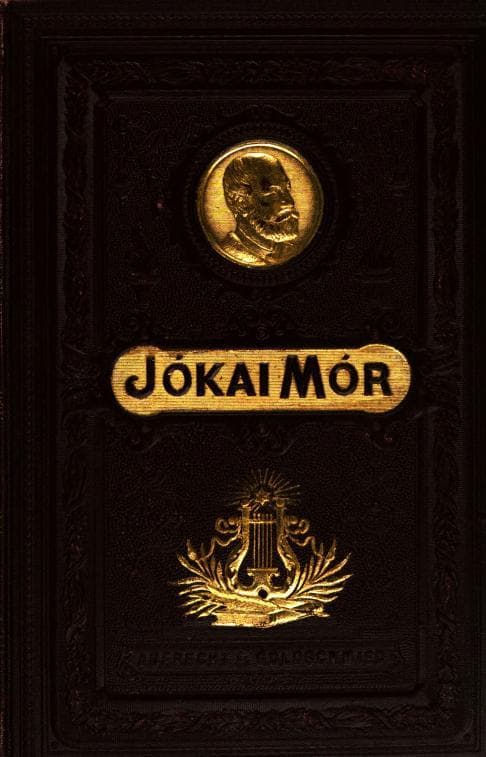
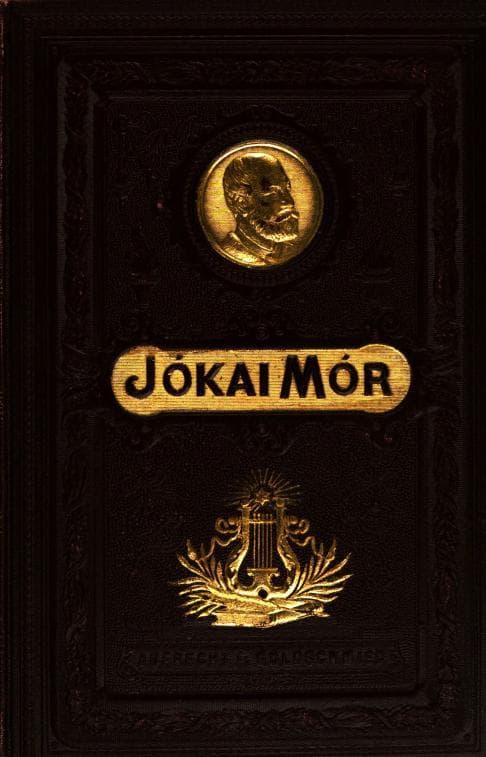
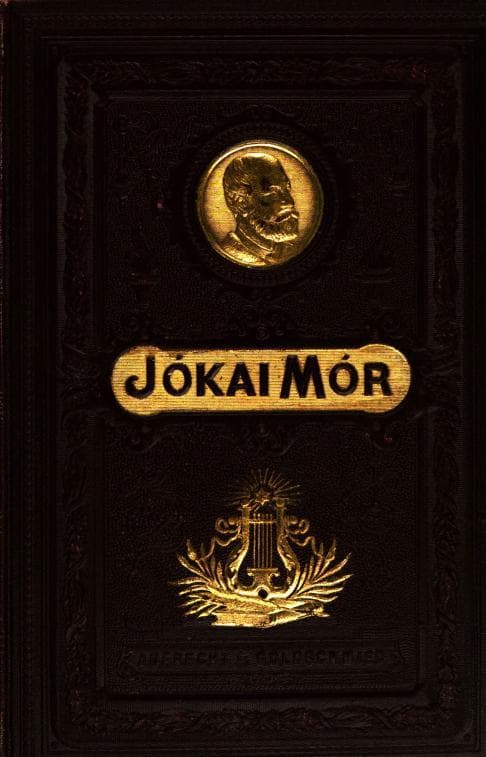
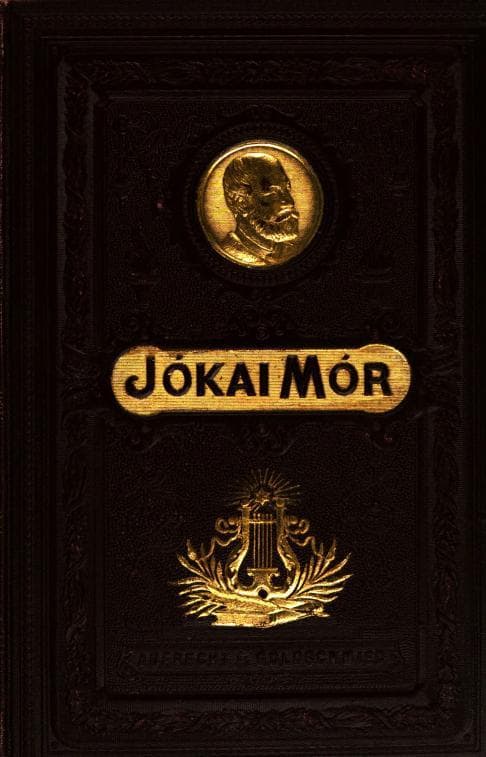
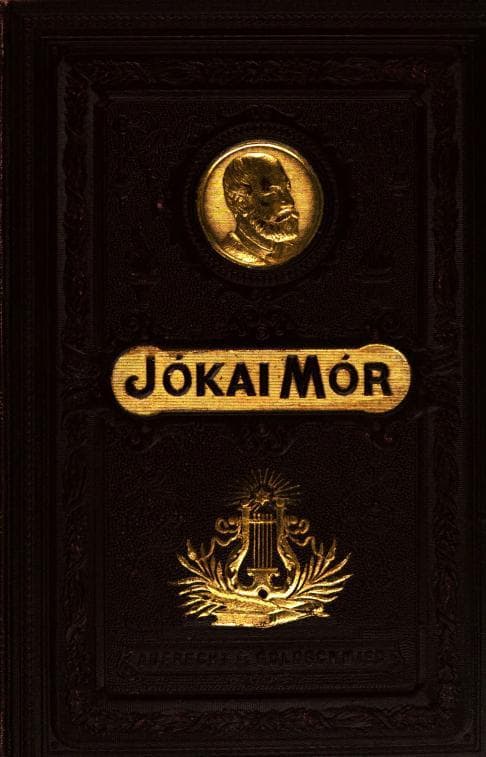
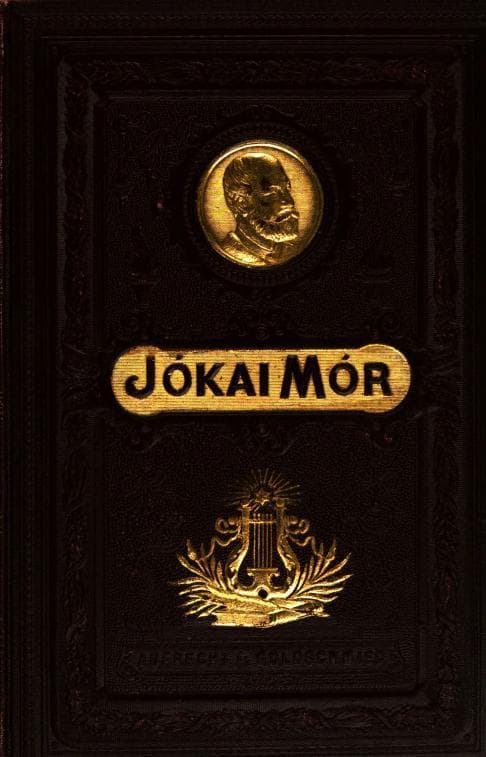
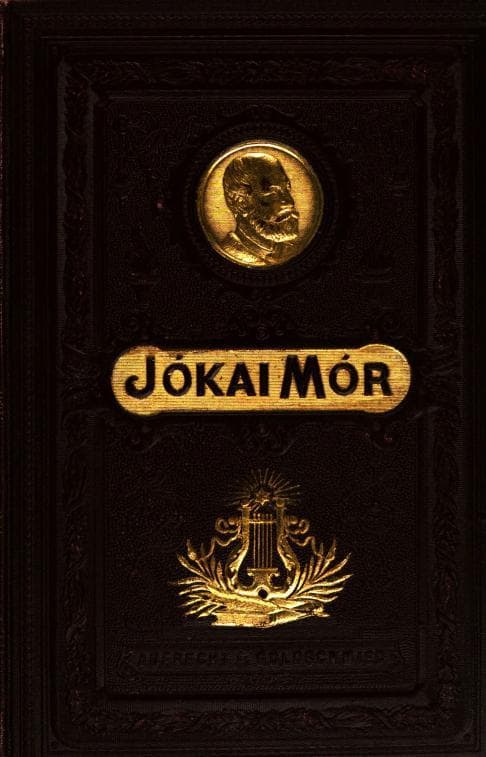
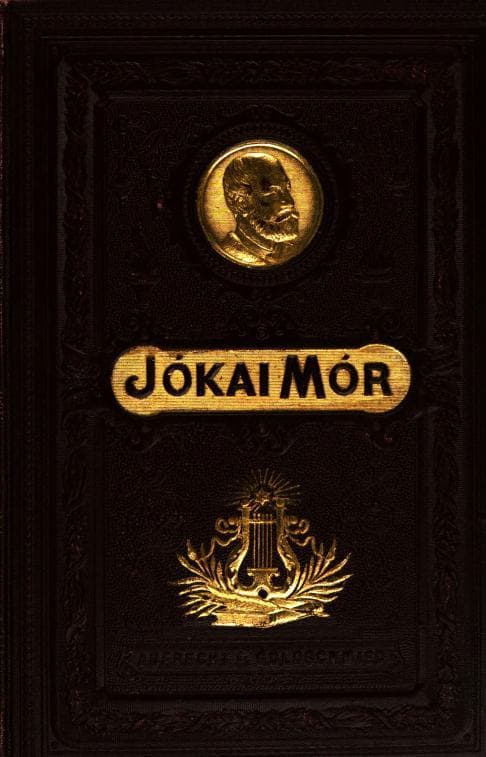
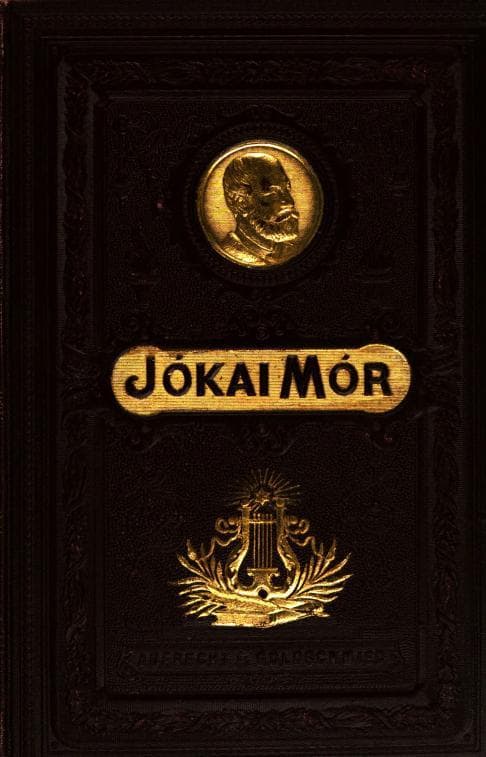
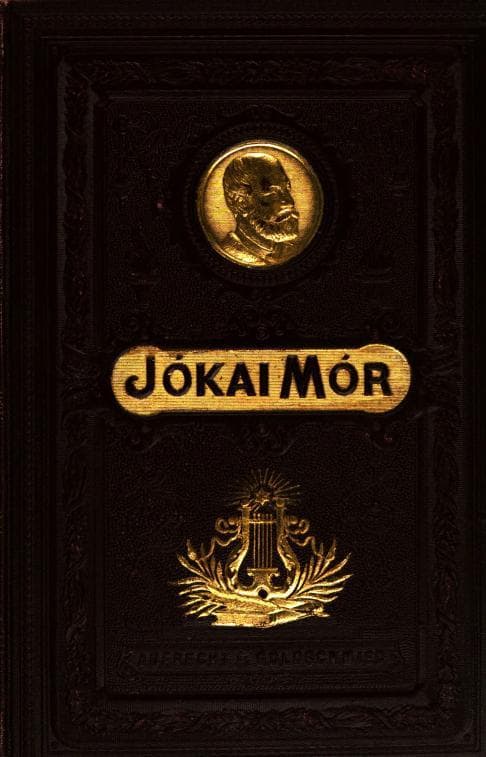
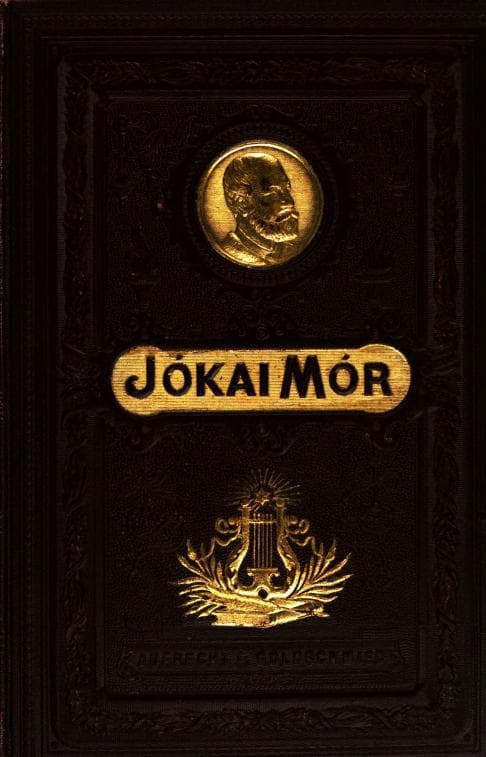
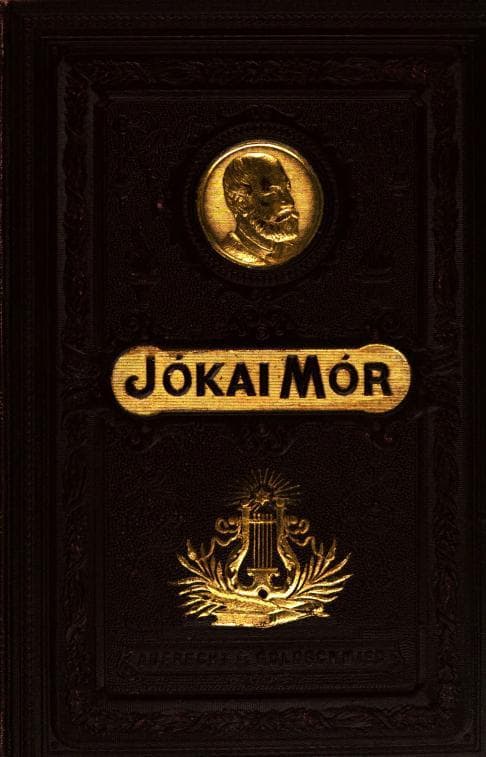
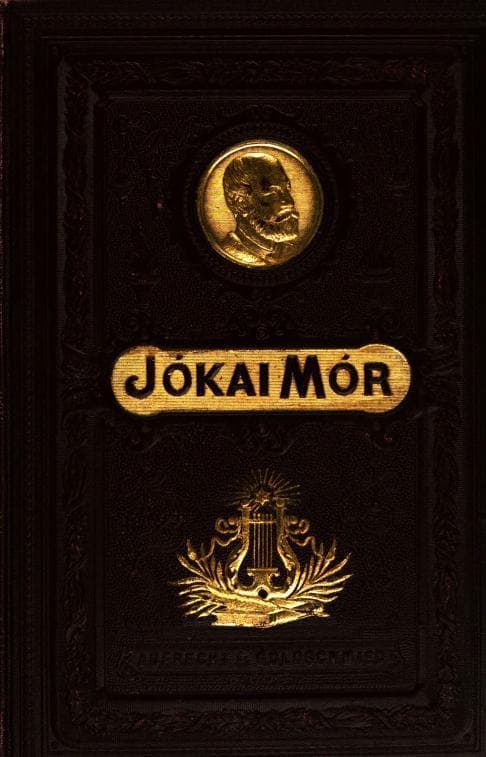
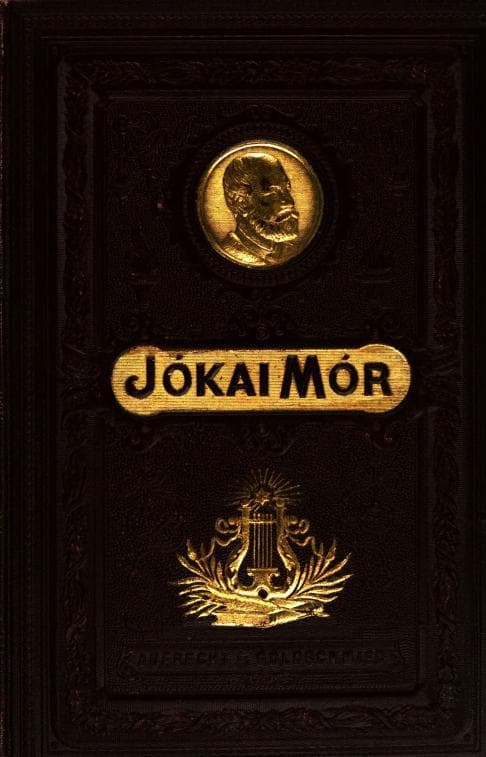
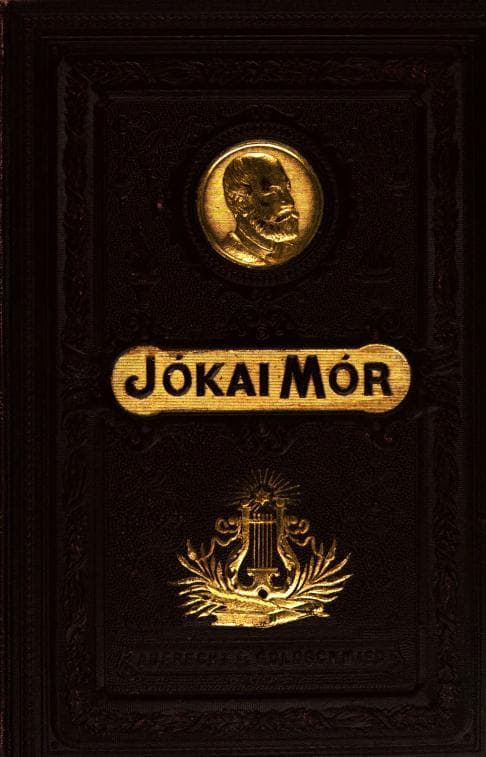
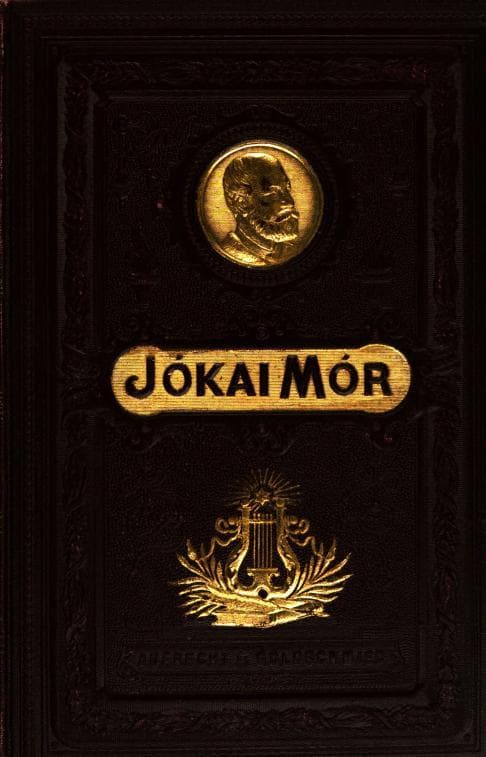
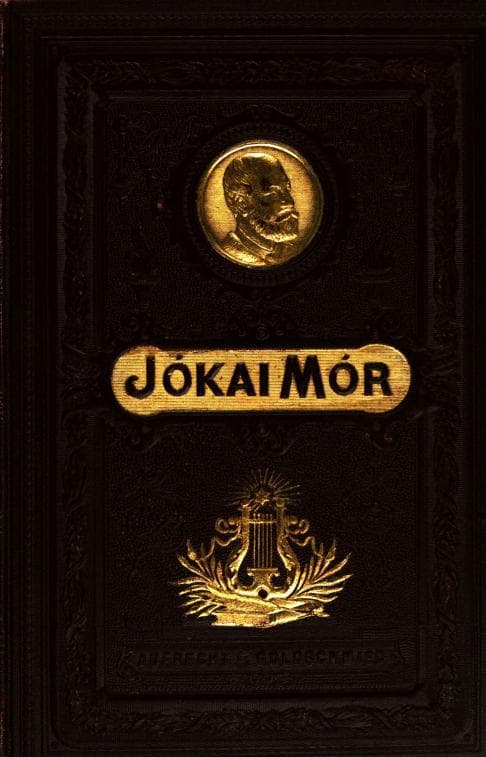
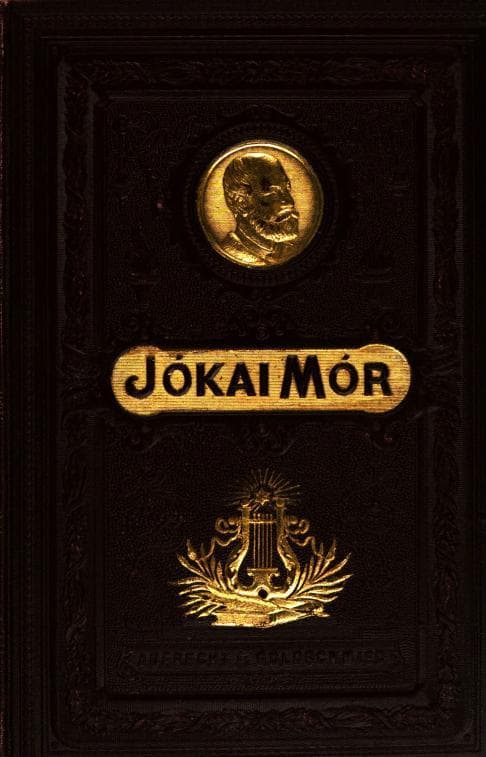
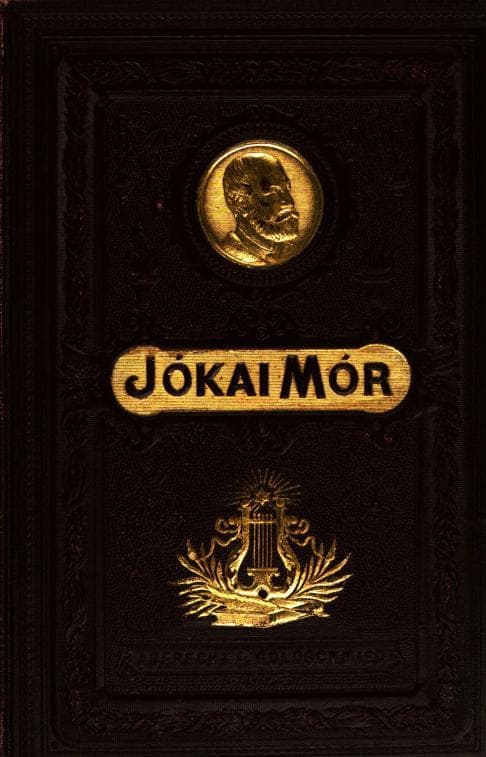
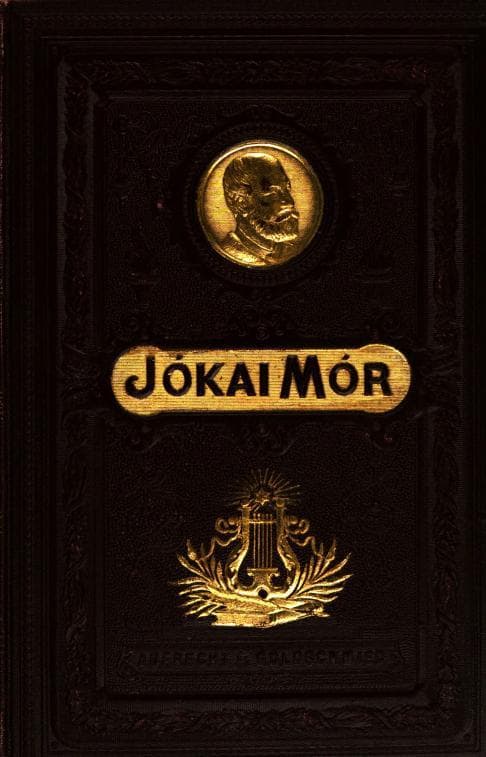
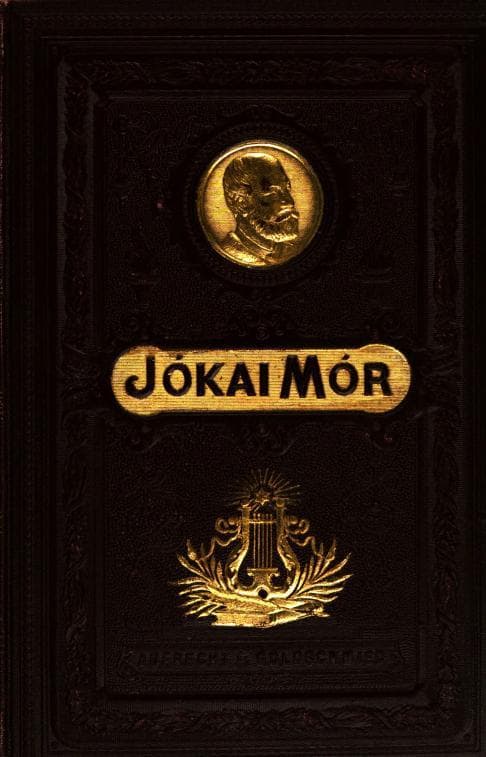
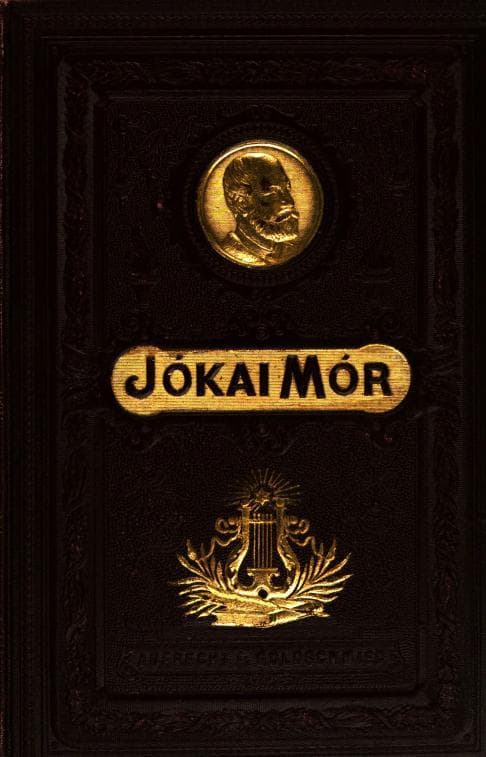
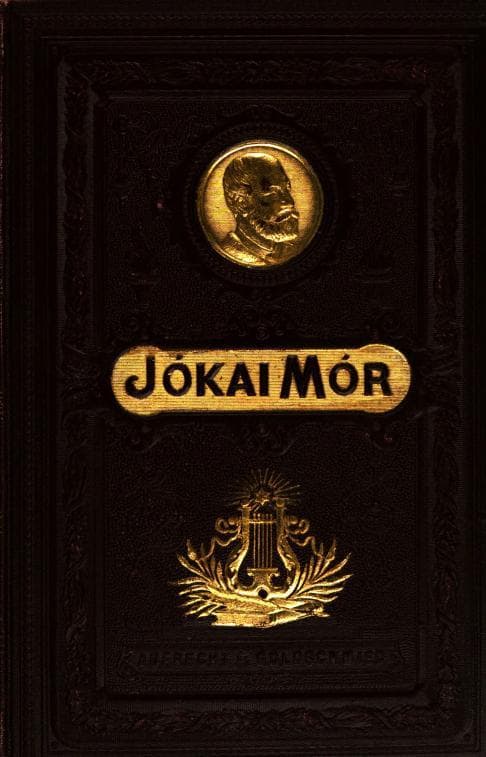
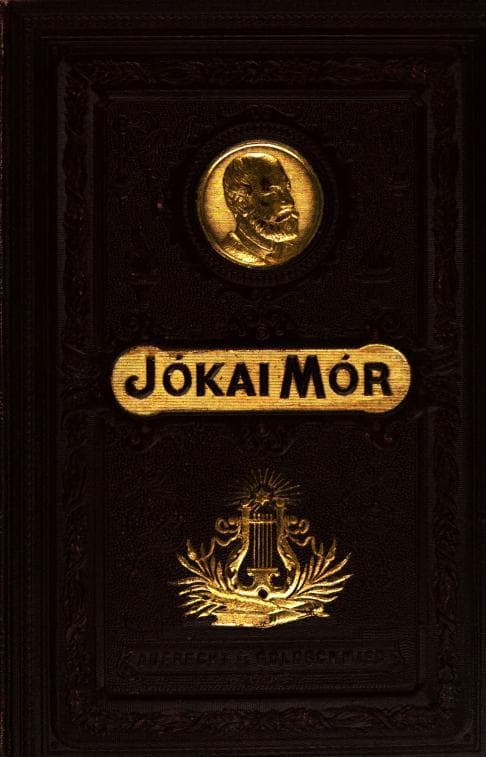
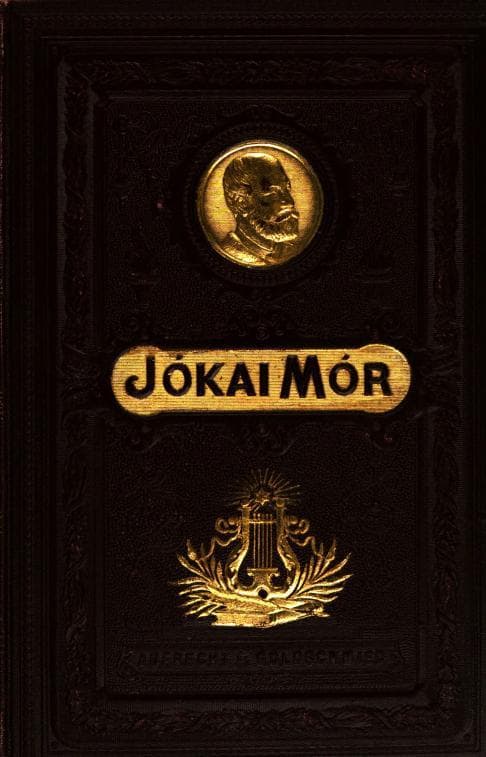
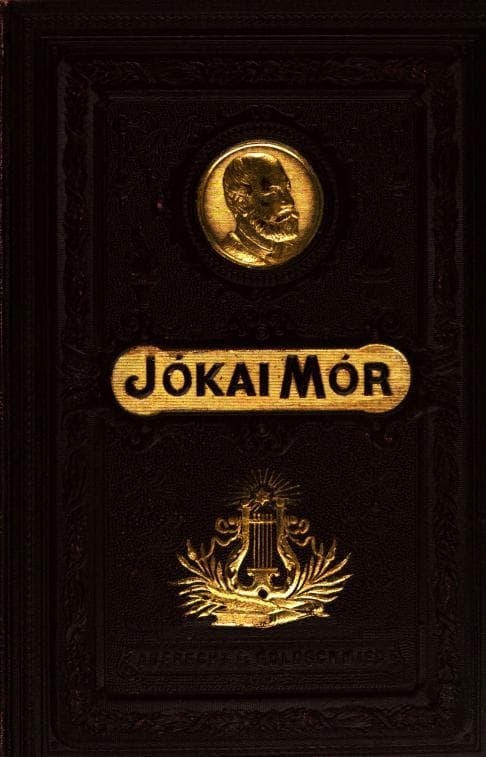
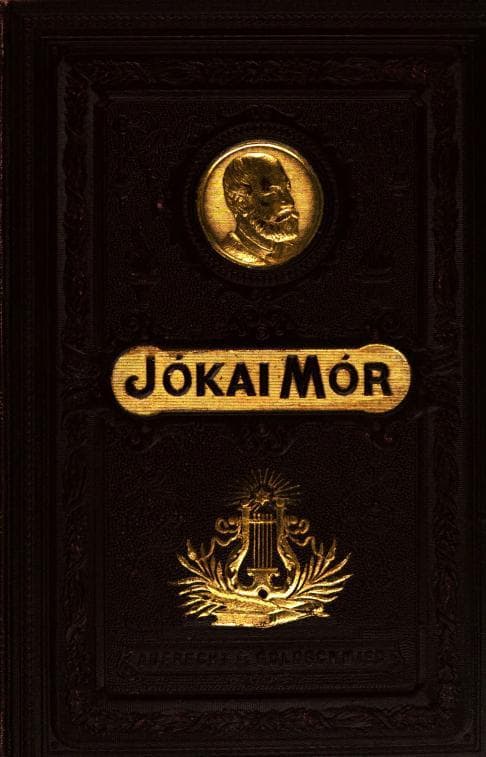
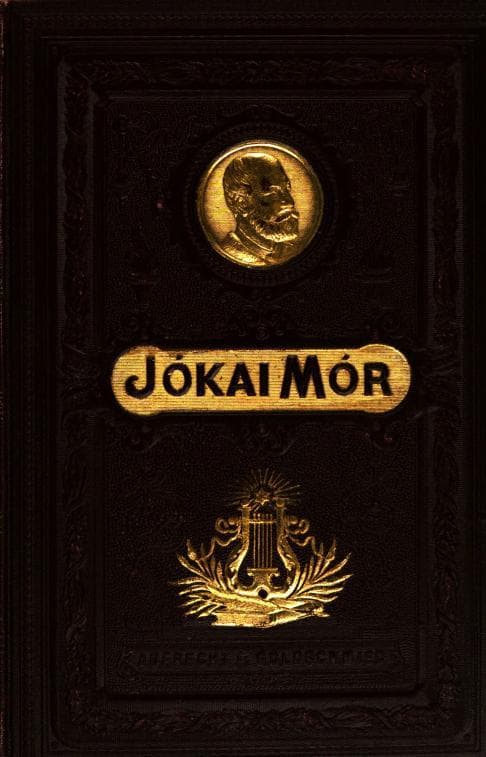
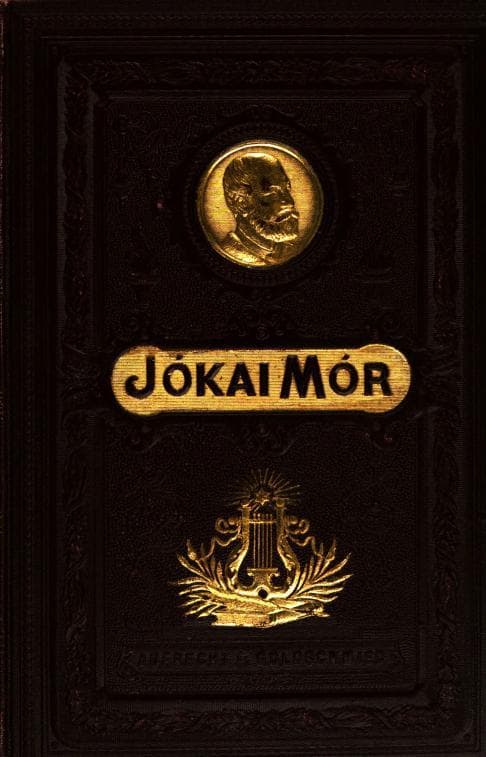
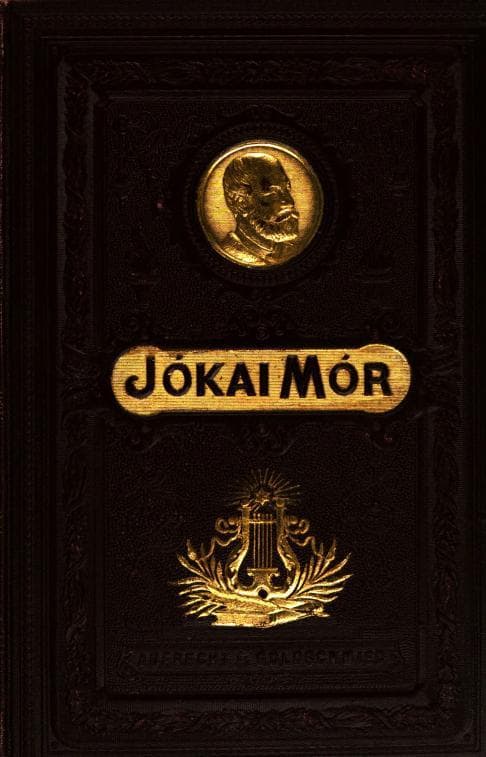
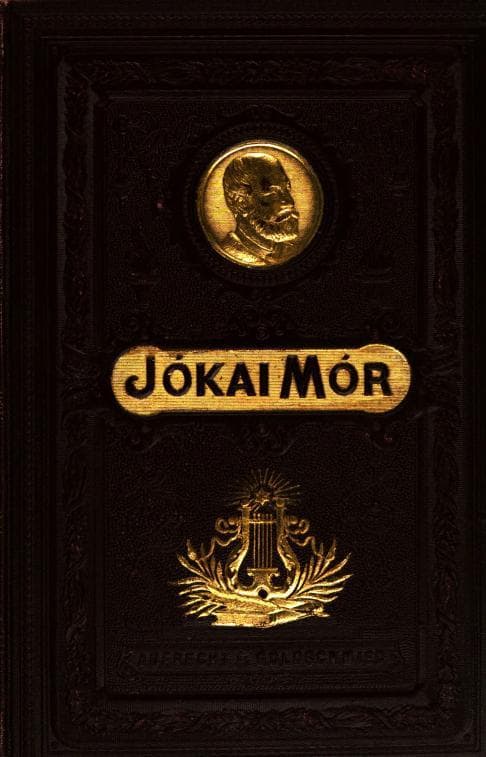
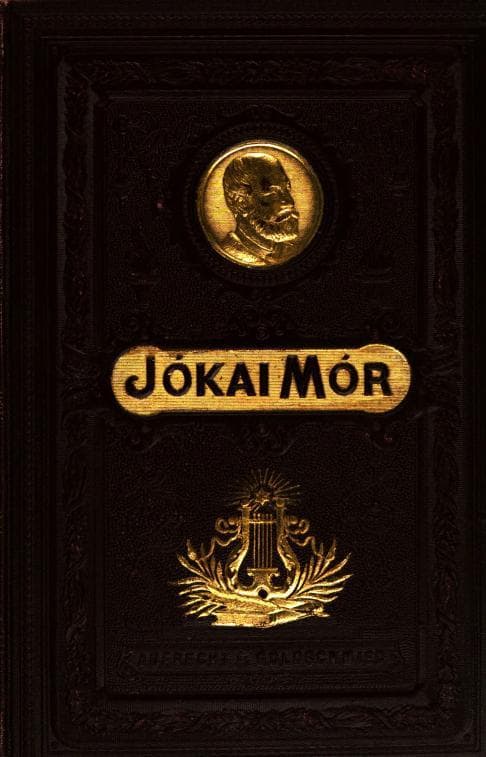
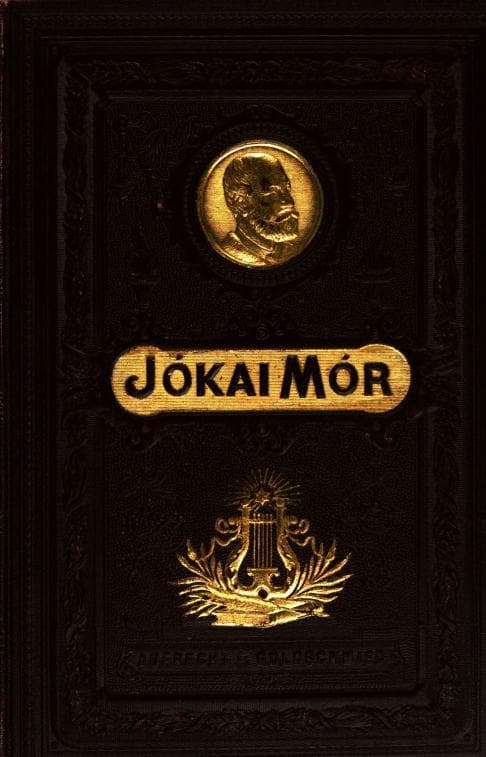
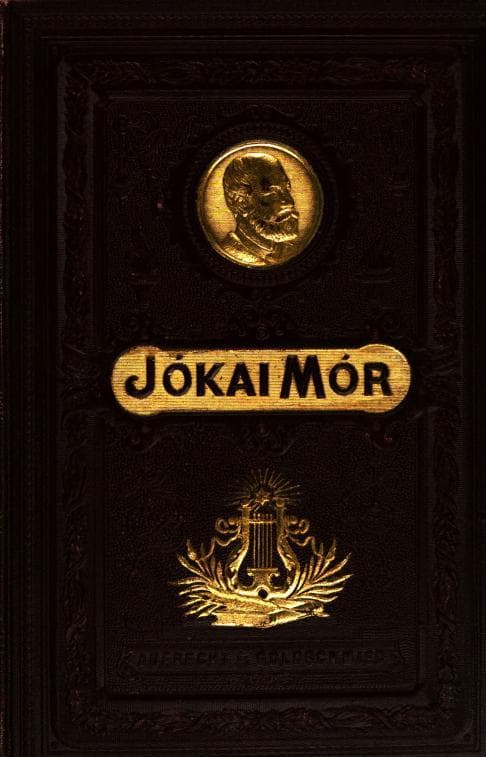
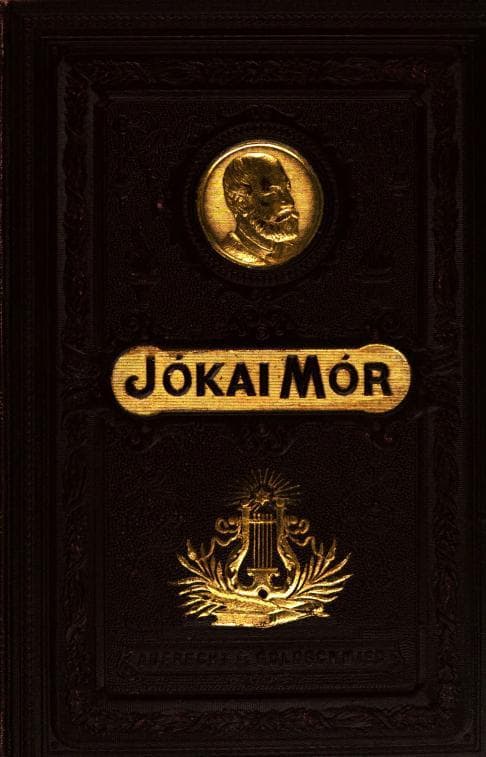
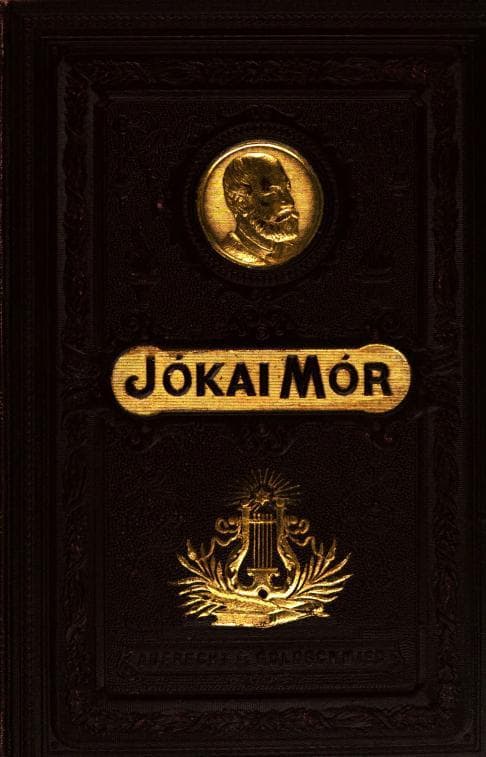
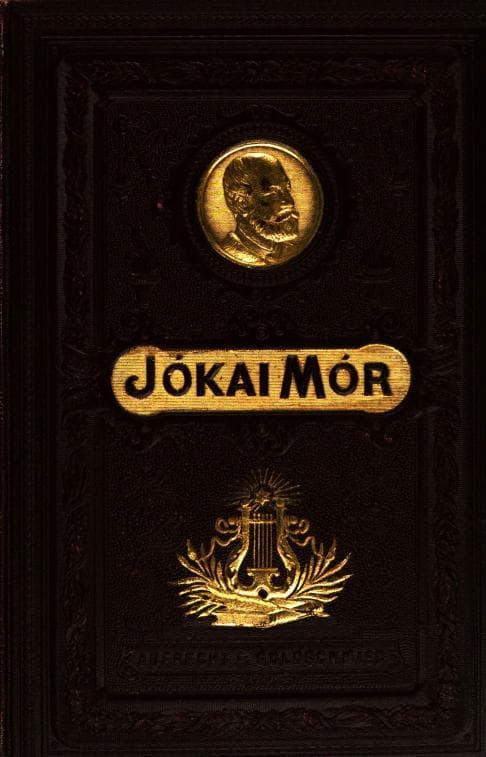
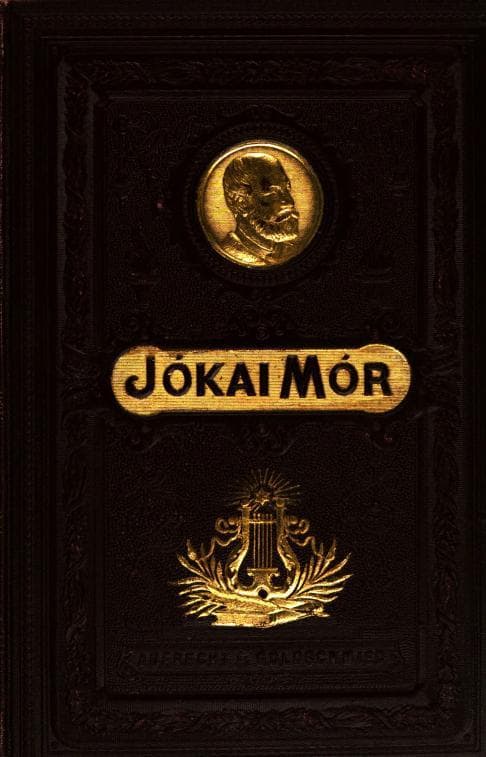
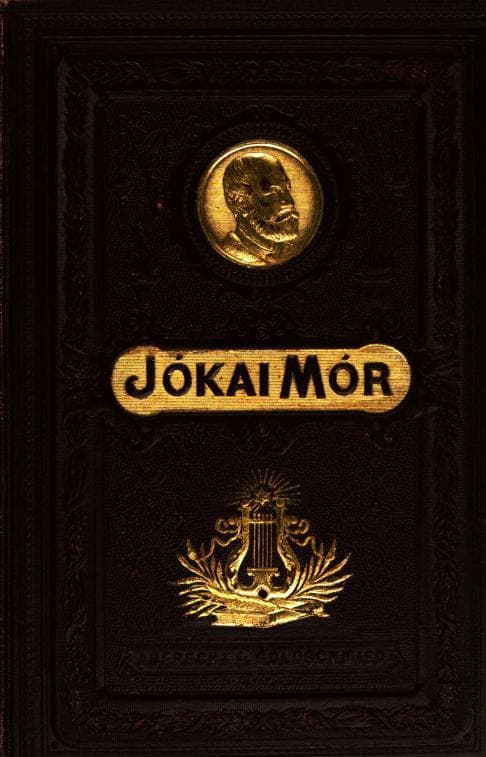
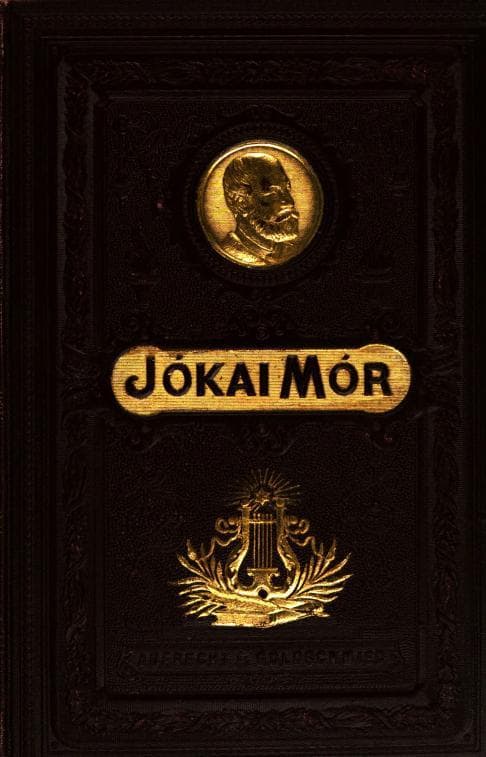
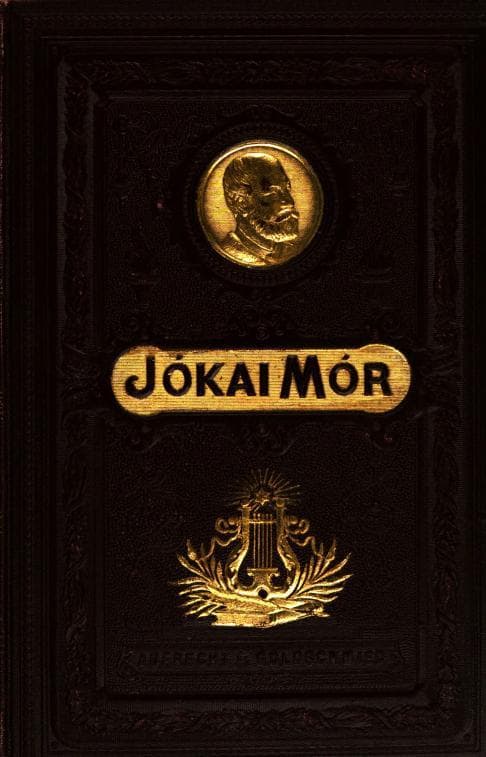
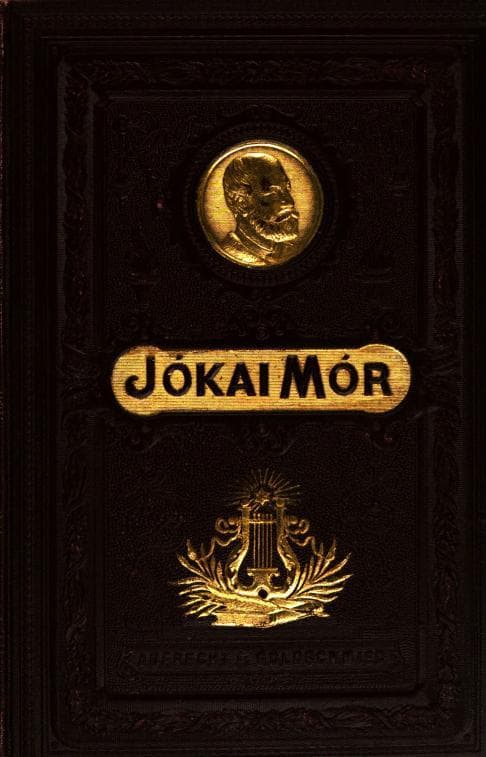
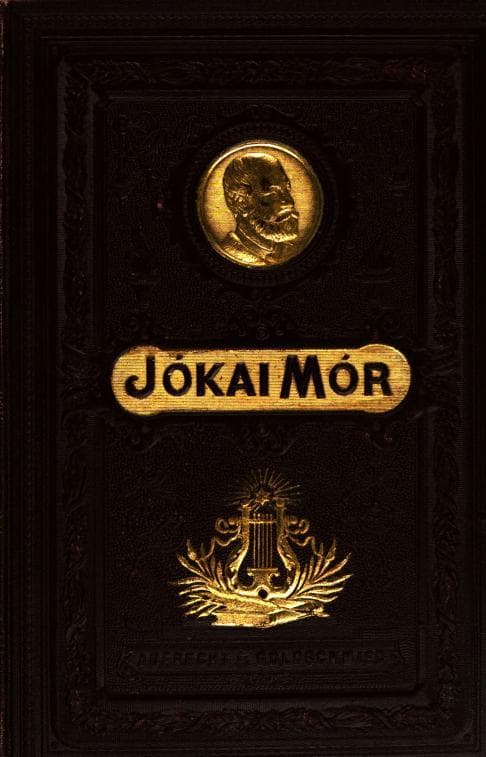
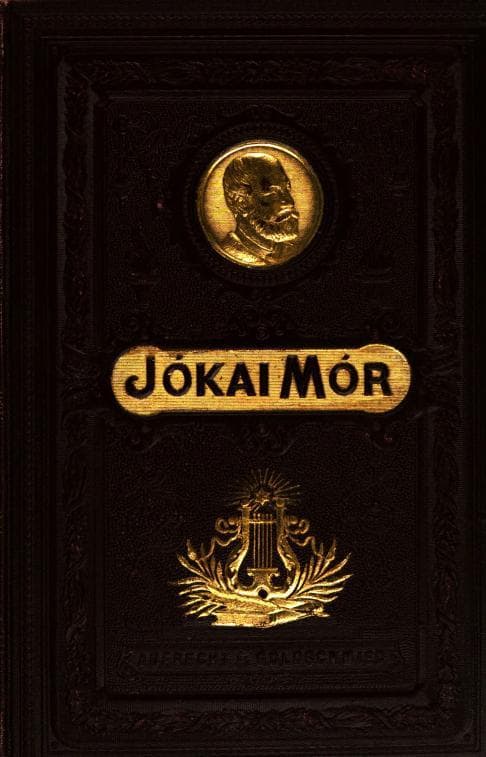
Túl a Láthatáron: Elbeszélések
1912
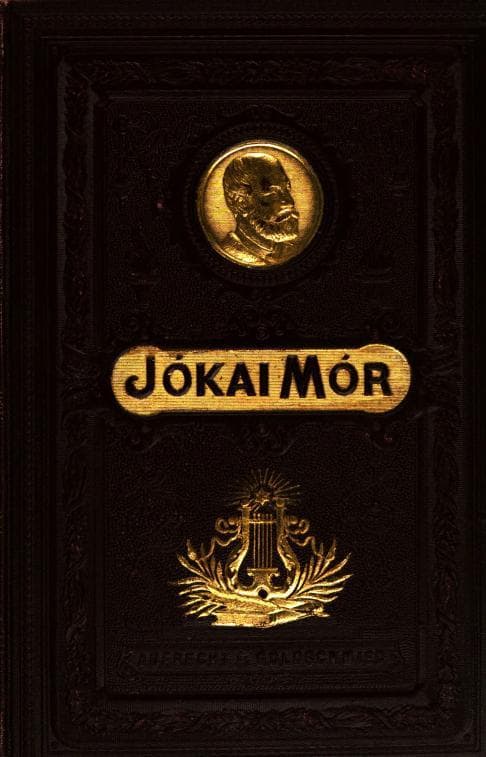
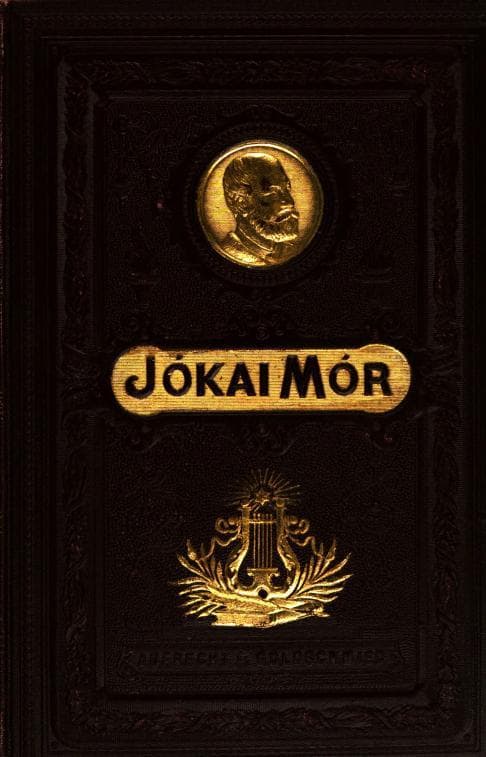
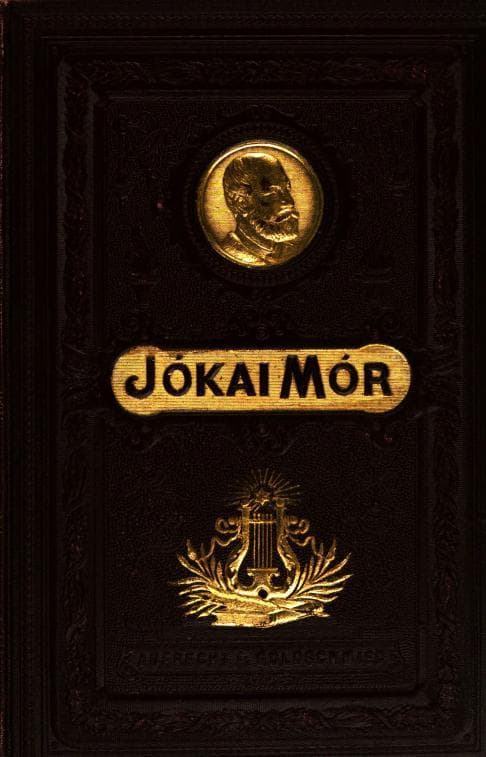
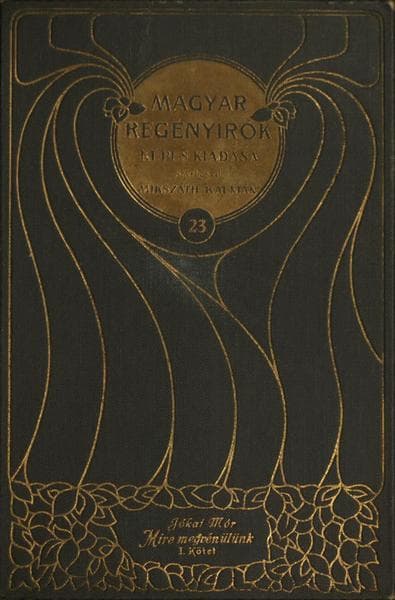
''Túl a láthatáron: Elbeszélések'' by Mór Jókai is a collection of short stories written in the early 20th century. The volume contains a range of narratives that delve into personal, moral, and social dilemmas, often set against vivid historical or contemporary backdrops. The stories focus on different characters facing complex emotional and ethical situations, while showcasing Jókai's characteristic blend of psychological insight, gentle irony, and humanistic themes. The opening of the book introduces several distinct stories. The first centers on the tale of Saint Agatha, focusing on her faith, suffering, and sanctity amid cruel persecution, framed by the narrator's reflection on the martyrs depicted in a Roman church. Subsequent stories shift to more everyday yet equally poignant subjects: the strict observance of Good Friday in a Hungarian village and how superstition affects daily life; the moving account of a mute boy whose soul and voice are awakened thanks to the care and selflessness of those around him; the dramatic turn in a widow's life after her husband's apparent suicide and the unraveling of secrets linking love, madness, and social respectability; and a satirical portrait of a near-sighted young man whose personal and artistic ambitions comically intersect. Each beginning draws readers into a new world, blending emotional depth, cultural observation, and a touch of the unexpected.
Editions
Link to this book
Add a free, dofollow link to Lex on your blog, forum, syllabus, or reading list.

<a href="https://lex-books.com/book/t-l-a-l-that-ron-elbesz-l-sek-f425d03b-6c8c-4055-a98d-b7cc8e092769"><img src="https://lex-books.com/badges/read-on-lex.svg" alt="Read Túl a Láthatáron: Elbeszélések by Mór Jókai free on Lex" width="160" height="40"></a>[](https://lex-books.com/book/t-l-a-l-that-ron-elbesz-l-sek-f425d03b-6c8c-4055-a98d-b7cc8e092769)[url=https://lex-books.com/book/t-l-a-l-that-ron-elbesz-l-sek-f425d03b-6c8c-4055-a98d-b7cc8e092769][img]https://lex-books.com/badges/read-on-lex.svg[/img][/url]Read Túl a Láthatáron: Elbeszélések by Mór Jókai free on Lex: https://lex-books.com/book/t-l-a-l-that-ron-elbesz-l-sek-f425d03b-6c8c-4055-a98d-b7cc8e092769Cite this book
Reading this edition for a paper or guide? Copy a citation.
Jókai, Mór. Túl a Láthatáron: Elbeszélések. Lex, lex-books.com/book/t-l-a-l-that-ron-elbesz-l-sek-f425d03b-6c8c-4055-a98d-b7cc8e092769.Jókai, M. (1912). Túl a Láthatáron: Elbeszélések. Lex. https://lex-books.com/book/t-l-a-l-that-ron-elbesz-l-sek-f425d03b-6c8c-4055-a98d-b7cc8e092769Jókai, Mór. Túl a Láthatáron: Elbeszélések. Lex. https://lex-books.com/book/t-l-a-l-that-ron-elbesz-l-sek-f425d03b-6c8c-4055-a98d-b7cc8e092769.



![Night Watches [complete]](/_next/image?url=https%3A%2F%2Fd3b2n8gj62qnwr.cloudfront.net%2FCOVERS%2Fgutenberg_covers75k%2Febook-12161.png&w=3840&q=75)