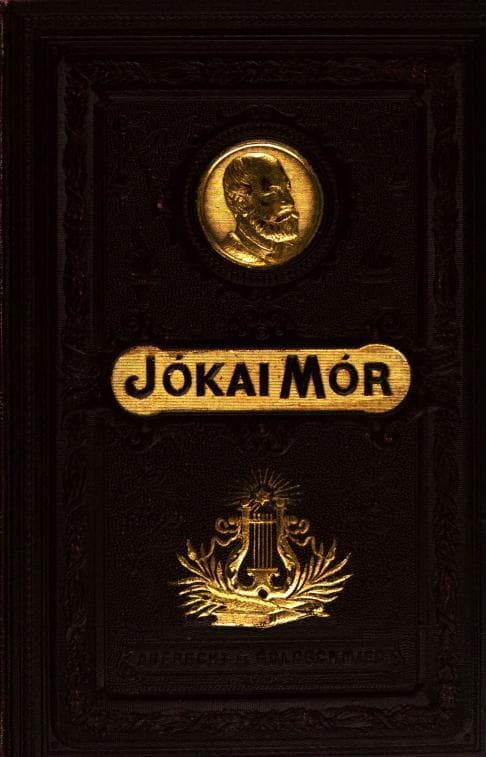
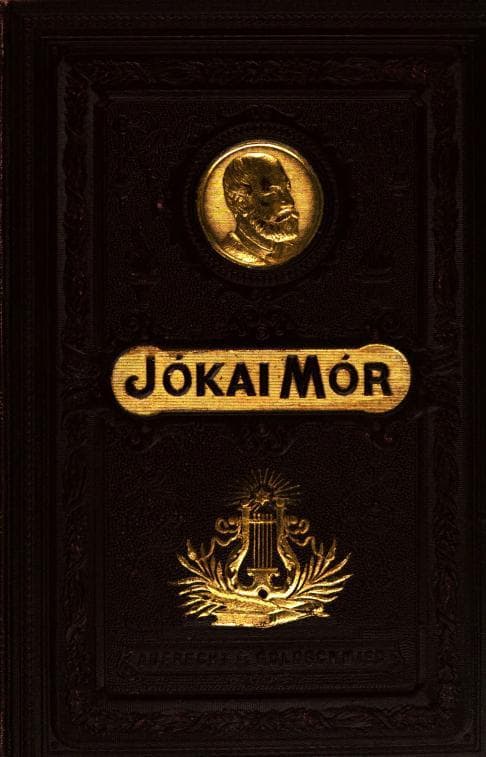
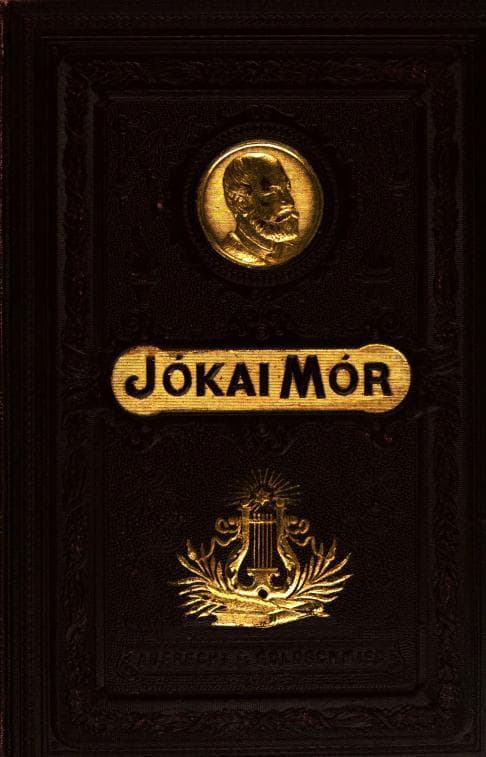
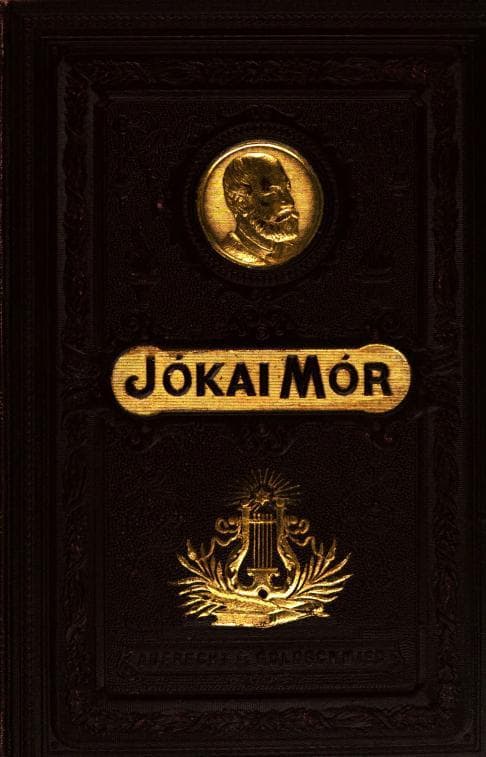
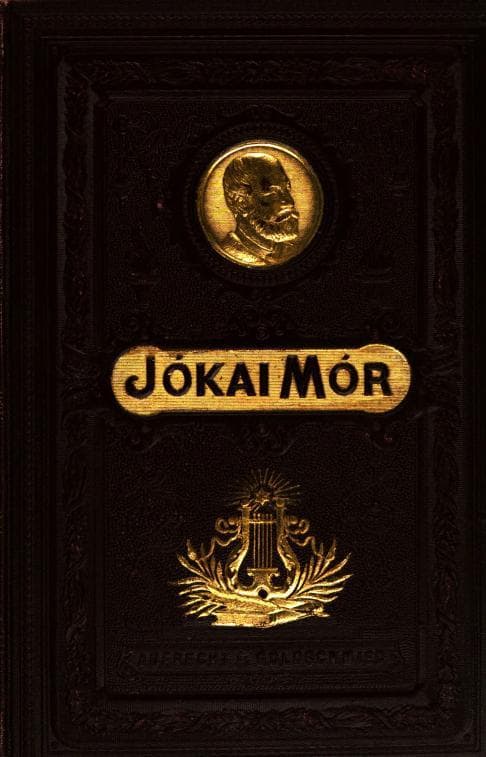
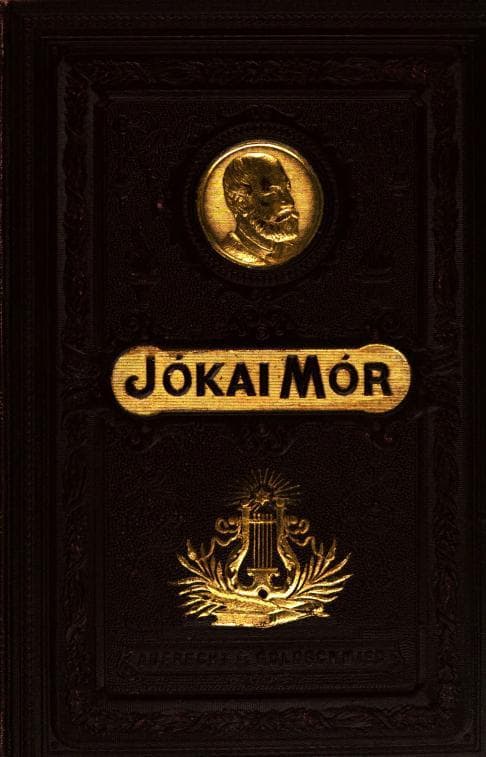
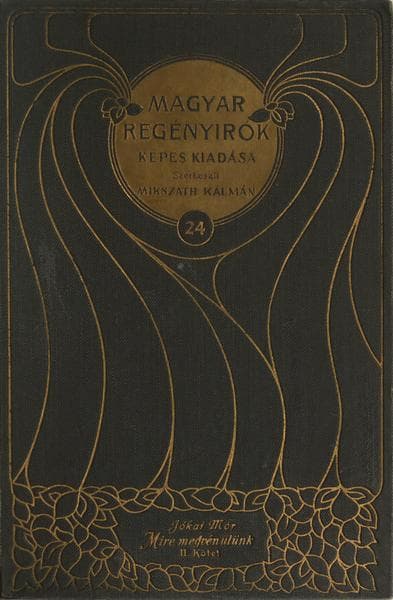
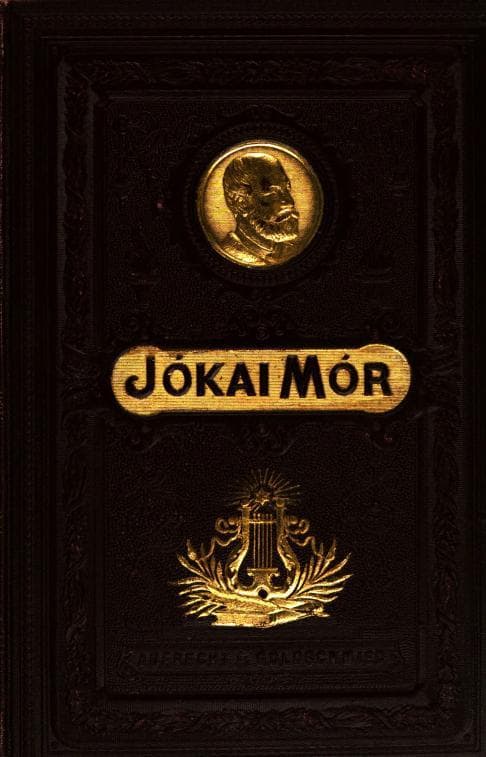
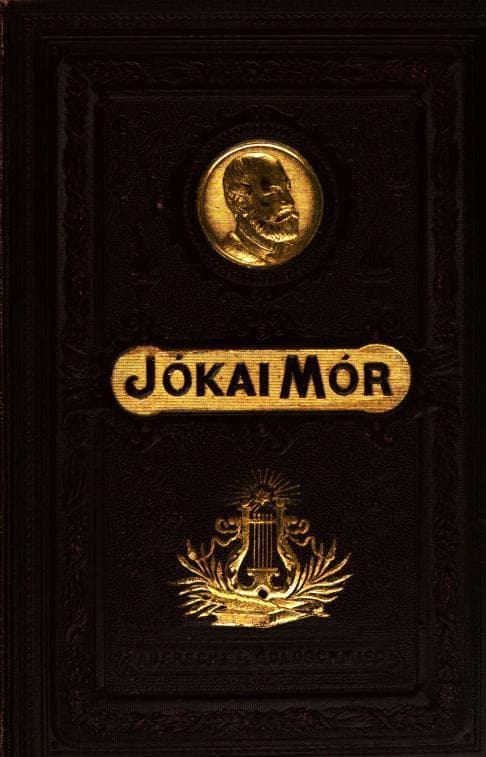
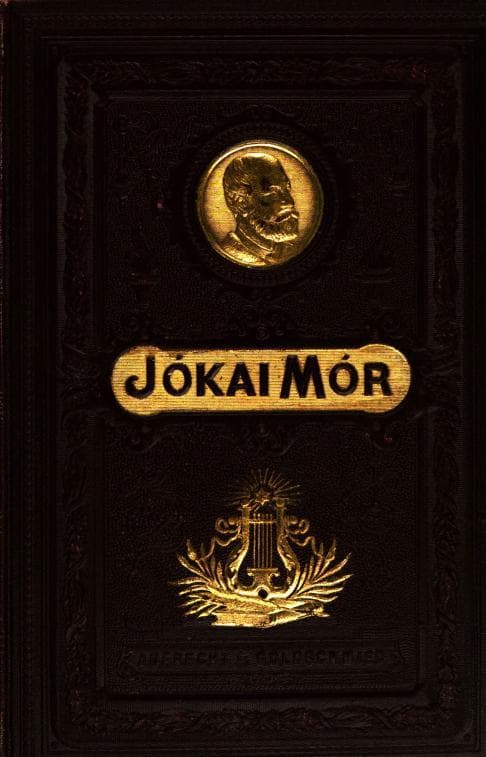
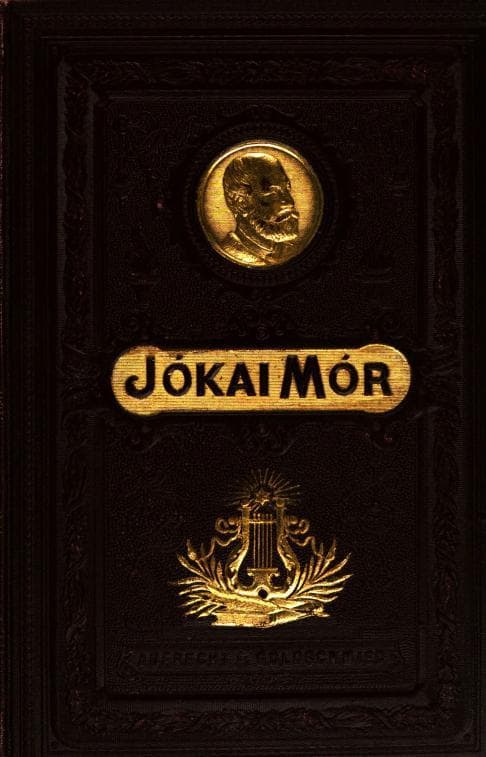
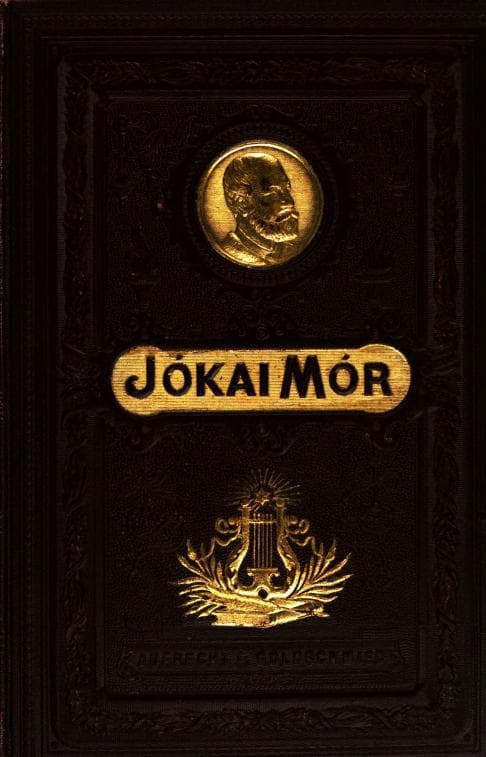
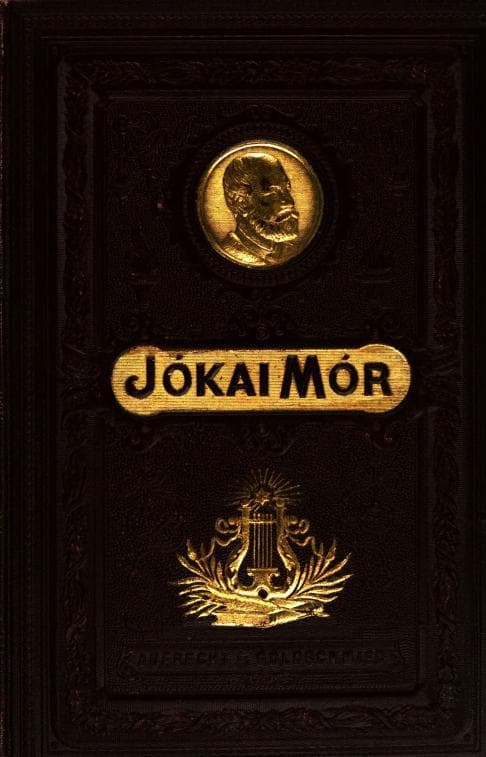
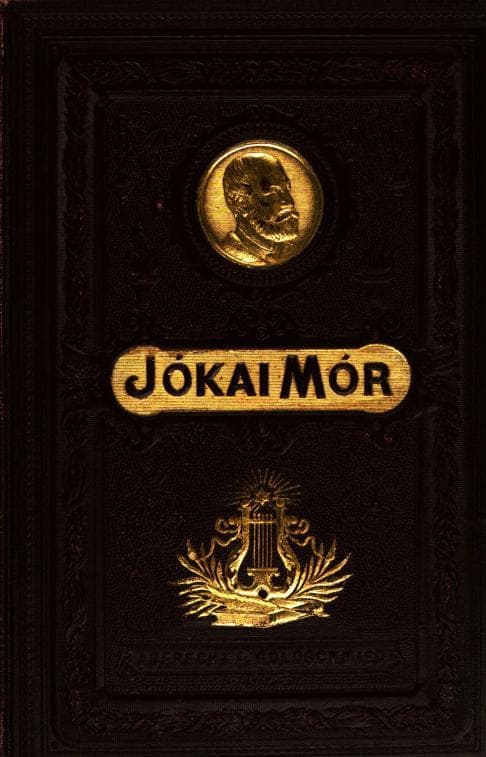
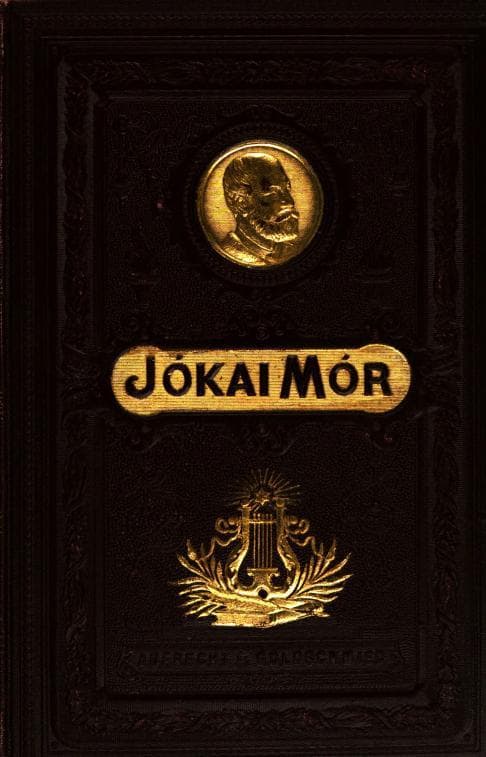
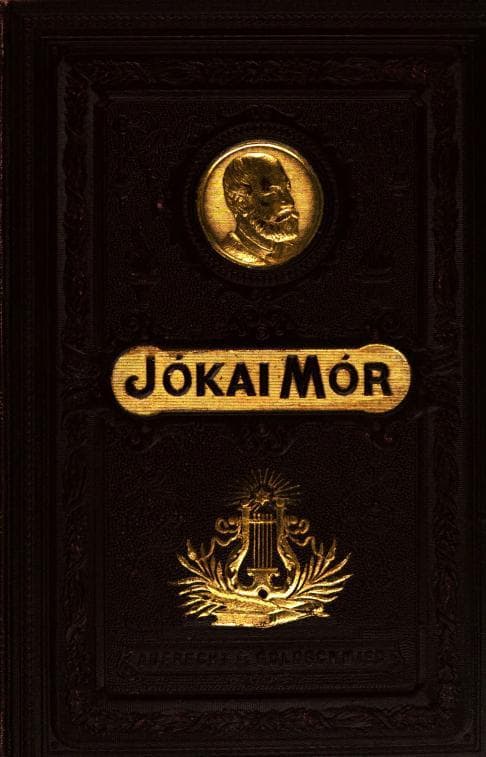
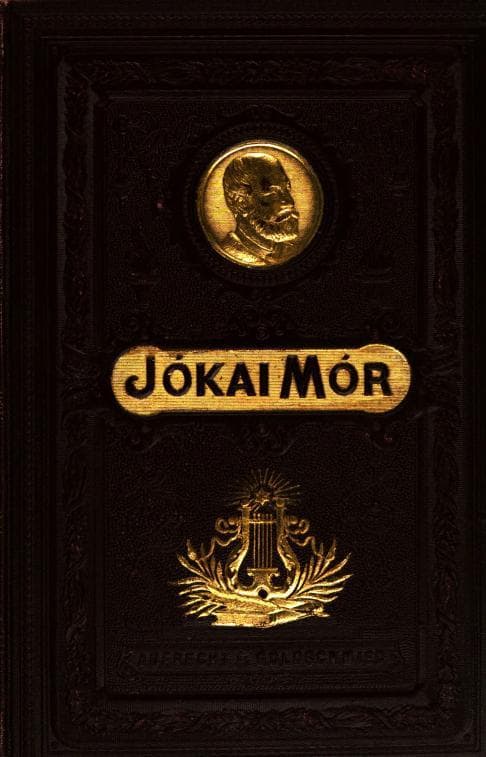
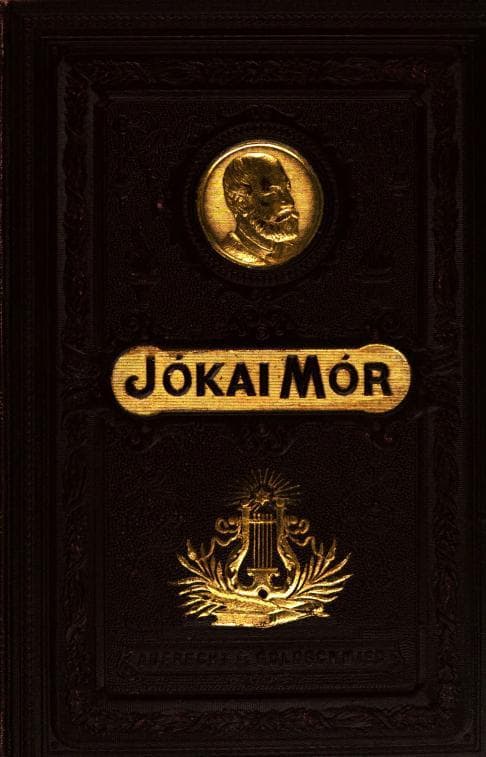
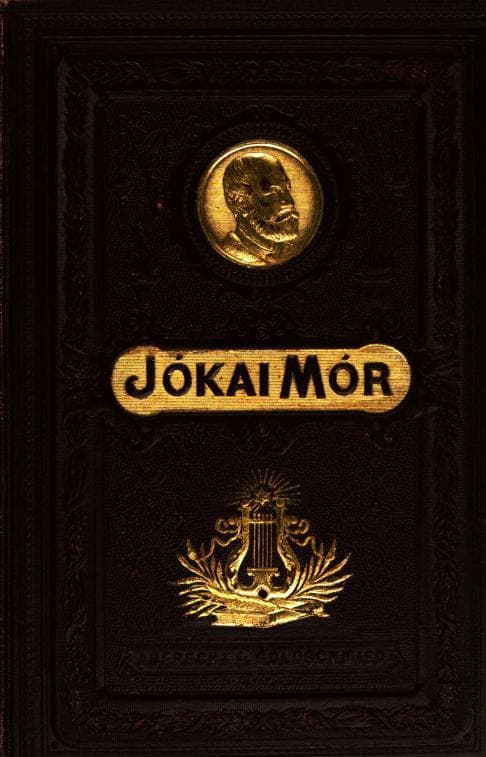
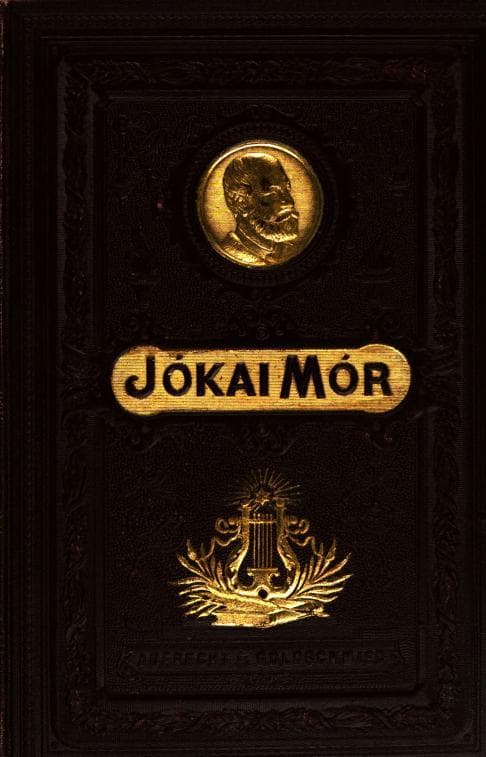
Az Uj Földesur (3. Kötet)
The third volume of Jókai's monumental trilogy confronts the moral wreckage left in the wake of Hungary's failed 1848 revolution. As the nation grapples with disappointment and foreign domination, Jókai constructs an audacious thesis: that Hungarian national character possesses a unique power to assimilate even enemies, transforming oppressors into defenders of the homeland. The narrative follows characters entangled in financial desperation and social ambition, where Doctor Grisák attempts to mediate escalating conflicts between figures like the cunning Straff and Maxenpfutsch. Yet beneath these interpersonal battles lies something larger: a meditation on whether national virtue can survive betrayal, whether idealism can outlast defeat, and whether the Hungarian spirit can redeem what history has broken. Jókai writes against despair itself, crafting a novel that was controversial from its first pages because it dared to offer hope in an era that seemed to have forfeited all reason for it.
Editions
Link to this book
Add a free, dofollow link to Lex on your blog, forum, syllabus, or reading list.

<a href="https://lex-books.com/book/az-uj-f-ldesur-3-k-tet-5be77d18-beb5-4943-9110-619128b6b58d"><img src="https://lex-books.com/badges/read-on-lex.svg" alt="Read Az Uj Földesur (3. Kötet) by Mór Jókai free on Lex" width="160" height="40"></a>[](https://lex-books.com/book/az-uj-f-ldesur-3-k-tet-5be77d18-beb5-4943-9110-619128b6b58d)[url=https://lex-books.com/book/az-uj-f-ldesur-3-k-tet-5be77d18-beb5-4943-9110-619128b6b58d][img]https://lex-books.com/badges/read-on-lex.svg[/img][/url]Read Az Uj Földesur (3. Kötet) by Mór Jókai free on Lex: https://lex-books.com/book/az-uj-f-ldesur-3-k-tet-5be77d18-beb5-4943-9110-619128b6b58dCite this book
Reading this edition for a paper or guide? Copy a citation.
Jókai, Mór. Az Uj Földesur (3. Kötet). Lex, lex-books.com/book/az-uj-f-ldesur-3-k-tet-5be77d18-beb5-4943-9110-619128b6b58d.Jókai, M. (n.d.). Az Uj Földesur (3. Kötet). Lex. https://lex-books.com/book/az-uj-f-ldesur-3-k-tet-5be77d18-beb5-4943-9110-619128b6b58dJókai, Mór. Az Uj Földesur (3. Kötet). Lex. https://lex-books.com/book/az-uj-f-ldesur-3-k-tet-5be77d18-beb5-4943-9110-619128b6b58d.