Theologico-Political Treatise — Part 1
1670
Theologico-Political Treatise — Part 1
1670
Translated by R. H. M. (Robert Harvey Monro), 1853- Elwes
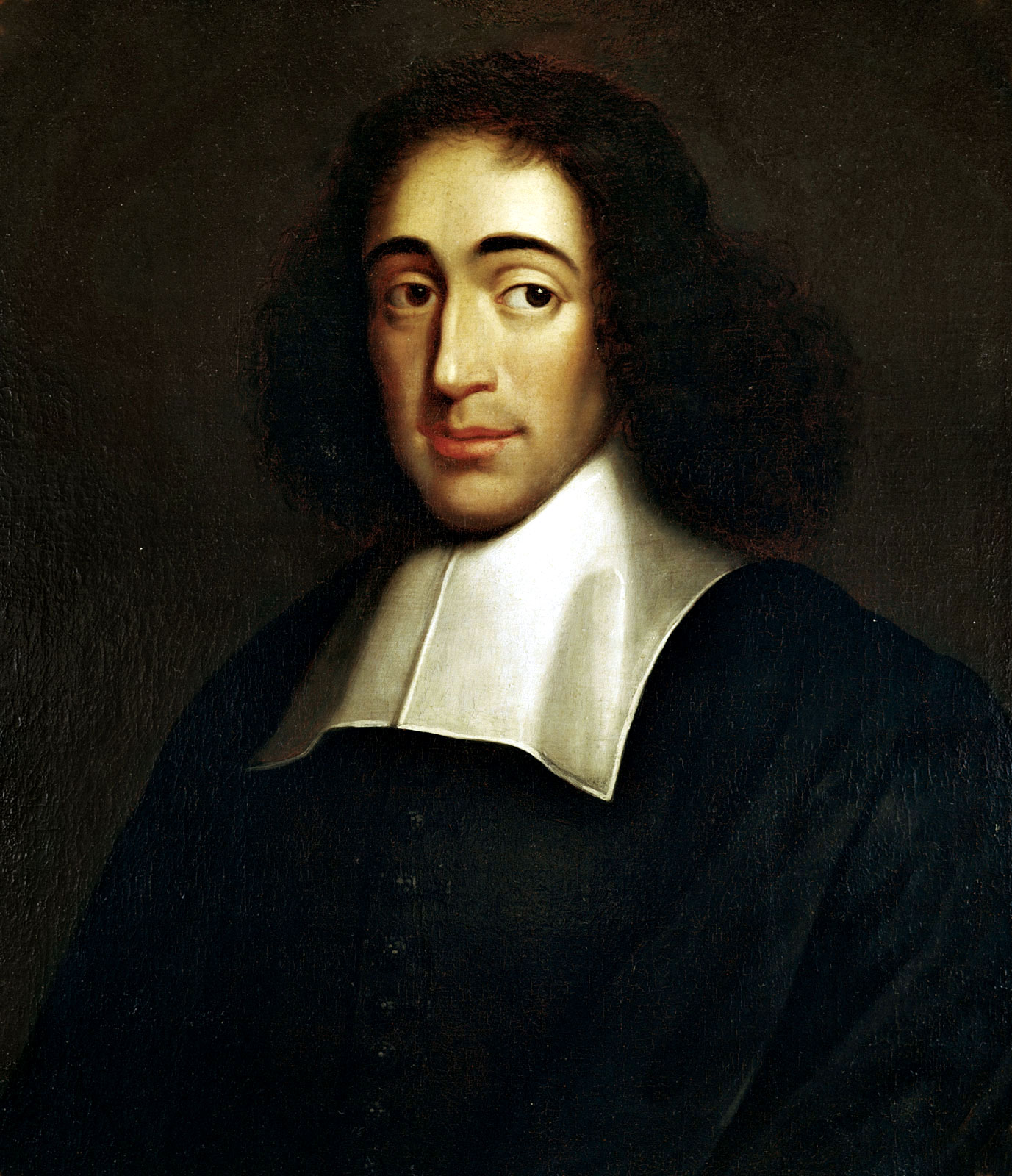
One of the most dangerous books of the seventeenth century, Spinoza's Theological-Political Treatise began as an anonymous pamphlet and nearly got its author killed. Written when free thinking about religion could mean execution, it mounts a revolutionary argument: that true piety and good governance require freedom of thought, not religious conformity. Spinoza treats the Bible as a historical document to be analyzed rather than a divine text to be revered. He dissects prophecy, showing that prophets were not wiser than others but merely humans whose revelations were filtered through their own prejudices and emotions. He questions whether the Hebrews were chosen for any special knowledge, arguing instead that divine revelation belongs to anyone who lives with understanding and moral purpose. The work ignited fury across Europe for denying the supernatural origins of Scripture and for defending the radical proposition that people must be free to think, believe, and speak as they choose. It remains the foundation of modern arguments for secular government and intellectual freedom.
Editions
X-Ray
“I have striven not to laugh at human actions, not to weep at them, nor to hate them, but to understand them.””
— Benedictus de Spinoza
“No to laugh, not to lament, not to detest, but to understand.””
— Benedictus de Spinoza
“Every person should embrace those [dogmas] that he, being the best judge of himself, feels will do most to strengthen in him love of justice.””
— Benedictus de Spinoza
“The purpose of the state is really freedom.””
— Benedictus de Spinoza
“Everyone is by absolute natural right the master of his own thoughts, and thus utter failure will attend any attempt in a commonwealth to force men to speak only as prescribed by the sovereign despite their different and opposing opinions.””
— Benedictus de Spinoza
“Tyranny is most violent where individual beliefs, which are an inalienable right, are regarded as criminal.””
— Benedictus de Spinoza
“أجد نفسي عاجزًا عن التعبير عن دَهْشتي من التكوين الذِّهني لأولئك الذين تحدَّثْتُ عنهم من قبل، والذين يرَون في الكتاب أسرارًا بلغت من العُمق حدًّا لا يمكن شرحها بأيَّةِ لُغة، والذين أقحموا في الدين من التَّأمُّلات الفلسفية ما جعل الكنيسة تتحوَّل إلى أكاديمية، والدين يُصبِح علمًا، بل جدلًا. لا عجَب إذن ألَّا يعترِف أناسٌ يتفاخرون بأنَّ لدَيهم نورًا أعلى من النور الفطري، بأنهم أقلُّ علمًا من الفلاسفة الذين لم يتعدَّوا حدود النور الفطري.””
— Benedictus de Spinoza
“In a democratic state nobody transfers his natural right to another so completely that thereafter he is not to be consulted; he transfers it to the majority of the entire community of which he is part. In this way all men remain equal, as they were before in a state of nature.””
— Benedictus de Spinoza
“If Scripture were to describe the downfall of an empire in the style adopted by political historians, the common people would not be stirred.””
— Benedictus de Spinoza
Link to this book
Add a free, dofollow link to Lex on your blog, forum, syllabus, or reading list.

<a href="https://lex-books.com/book/theologico-political-treatise-part-1-07cc4089-8ca6-4fe1-9cac-73116ad13f24"><img src="https://lex-books.com/badges/read-on-lex.svg" alt="Read Theologico-Political Treatise — Part 1 by Benedictus de Spinoza free on Lex" width="160" height="40"></a>[](https://lex-books.com/book/theologico-political-treatise-part-1-07cc4089-8ca6-4fe1-9cac-73116ad13f24)[url=https://lex-books.com/book/theologico-political-treatise-part-1-07cc4089-8ca6-4fe1-9cac-73116ad13f24][img]https://lex-books.com/badges/read-on-lex.svg[/img][/url]Read Theologico-Political Treatise — Part 1 by Benedictus de Spinoza free on Lex: https://lex-books.com/book/theologico-political-treatise-part-1-07cc4089-8ca6-4fe1-9cac-73116ad13f24Cite this book
Reading this edition for a paper or guide? Copy a citation.
Spinoza, Benedictus de. Theologico-Political Treatise — Part 1. Lex, lex-books.com/book/theologico-political-treatise-part-1-07cc4089-8ca6-4fe1-9cac-73116ad13f24.Spinoza, B. D. (1670). Theologico-Political Treatise — Part 1. Lex. https://lex-books.com/book/theologico-political-treatise-part-1-07cc4089-8ca6-4fe1-9cac-73116ad13f24Spinoza, Benedictus de. Theologico-Political Treatise — Part 1. Lex. https://lex-books.com/book/theologico-political-treatise-part-1-07cc4089-8ca6-4fe1-9cac-73116ad13f24.