A Theological-Political Treatise [part III]
A Theological-Political Treatise [part III]
Translated by R. H. M. (Robert Harvey Monro), 1853- Elwes
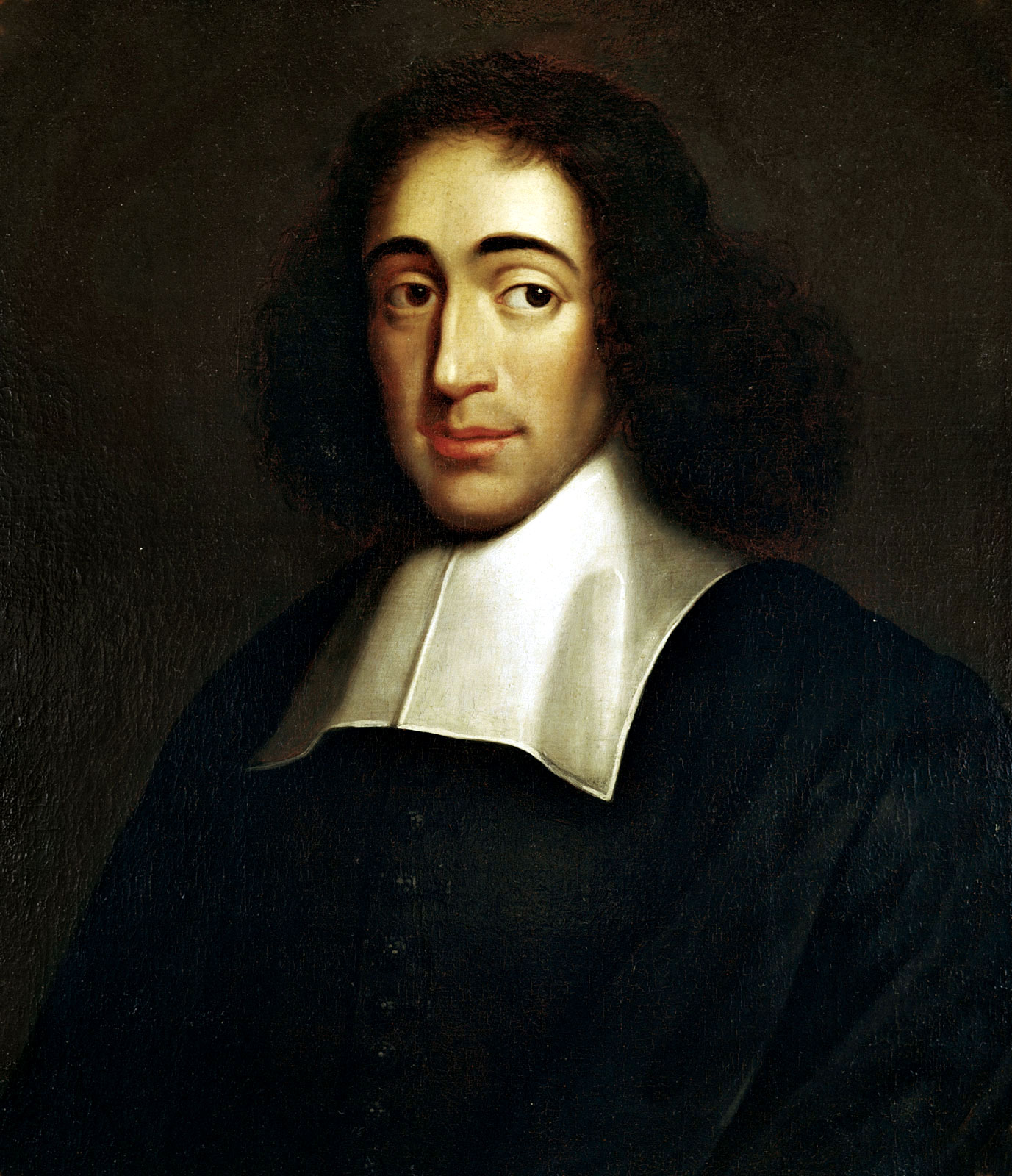
In this audacious section of his masterwork, Spinoza turns his rationalist gaze on the Apostles' epistles, arguing that these texts lack the prophetic certainty of the Hebrew Bible. Rather than divine revelation in the traditional sense, he sees the letters as the work of individuals grappling with faith, shaped by their historical moment and personal understanding. This distinction matters enormously: if scripture emerges from human hands rather than direct divine dictation, its authority must rest on something other than supernatural provenance. Spinoza contends that the core of religious teaching is radically simple: obedience to God through righteous living. The complicated theological disputes that consume churches? He dismisses them as distractions from genuine piety. Perhaps most provocatively, he argues for a clean separation between theology and philosophy, one demands obedience, the other seeks truth; neither should dictate to the other. Written by a philosopher excommunicated by his own Jewish community and living in danger, this text laid the groundwork for modern biblical criticism and the Enlightenment's assault on religious authority.
Editions
Link to this book
Add a free, dofollow link to Lex on your blog, forum, syllabus, or reading list.
![Read A Theological-Political Treatise [part III] by Benedictus de Spinoza free on Lex](/badges/read-on-lex.svg)
<a href="https://lex-books.com/book/a-theological-political-treatise-part-iii-0f66b187-807e-4330-8f7d-bac9b3a6bcfa"><img src="https://lex-books.com/badges/read-on-lex.svg" alt="Read A Theological-Political Treatise [part III] by Benedictus de Spinoza free on Lex" width="160" height="40"></a>[![Read A Theological-Political Treatise [part III] by Benedictus de Spinoza free on Lex](https://lex-books.com/badges/read-on-lex.svg)](https://lex-books.com/book/a-theological-political-treatise-part-iii-0f66b187-807e-4330-8f7d-bac9b3a6bcfa)[url=https://lex-books.com/book/a-theological-political-treatise-part-iii-0f66b187-807e-4330-8f7d-bac9b3a6bcfa][img]https://lex-books.com/badges/read-on-lex.svg[/img][/url]Read A Theological-Political Treatise [part III] by Benedictus de Spinoza free on Lex: https://lex-books.com/book/a-theological-political-treatise-part-iii-0f66b187-807e-4330-8f7d-bac9b3a6bcfaCite this book
Reading this edition for a paper or guide? Copy a citation.
Spinoza, Benedictus de. A Theological-Political Treatise [part III]. Lex, lex-books.com/book/a-theological-political-treatise-part-iii-0f66b187-807e-4330-8f7d-bac9b3a6bcfa.Spinoza, B. D. (n.d.). A Theological-Political Treatise [part III]. Lex. https://lex-books.com/book/a-theological-political-treatise-part-iii-0f66b187-807e-4330-8f7d-bac9b3a6bcfaSpinoza, Benedictus de. A Theological-Political Treatise [part III]. Lex. https://lex-books.com/book/a-theological-political-treatise-part-iii-0f66b187-807e-4330-8f7d-bac9b3a6bcfa.