Ethics — Part 5
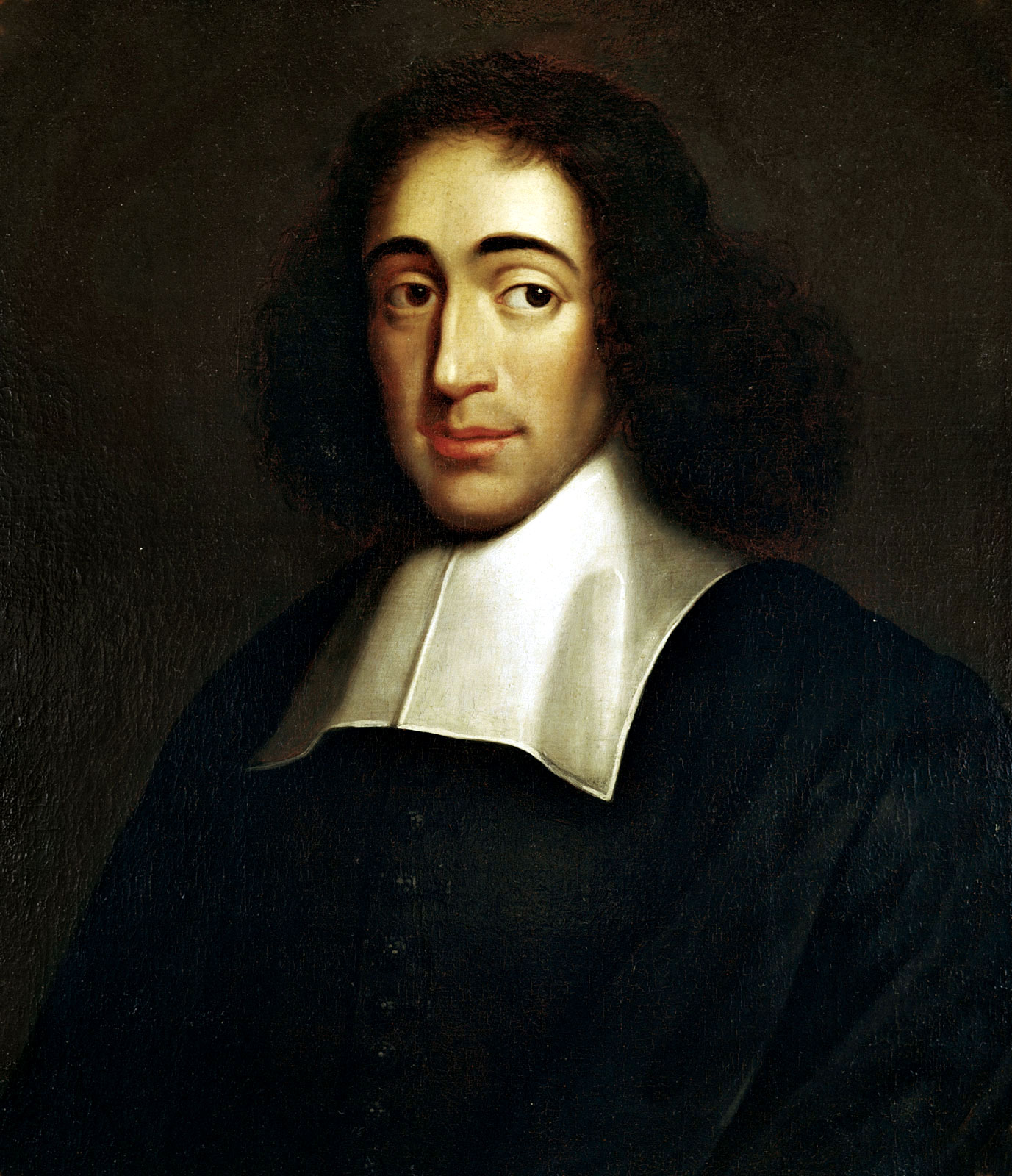
Spinoza's Ethics concludes with perhaps the most beautiful argument in modern philosophy: that the highest human virtue is not the suppression of feeling, but its transfiguration through understanding. Part Five builds toward the concept of the intellectual love of God (amor Dei intellectualis), the extraordinary claim that blessedness arises not from renouncing desire but from comprehending the necessary order of reality itself. Here, the mind achieves sovereignty over the passions not by brute willpower, but by forming clearer ideas about what moves us. Spinoza argues that anyone who has truly understood the eternal principles governing nature cannot help but feel freed from the tyranny of transient emotions. This is not cold rationality but a kind of rapture: the intellectual love of God is the mind's participation in the infinite necessary being that unfolds through all things. Five propositions on human freedom, written with the precision of geometry yet burning with a strange spiritual fire.
Editions
X-Ray
“Everything excellent is as difficult as it is rare.””
— Benedictus de Spinoza
“Those who wish to seek out the cause of miracles and to understand the things of nature as philosophers, and not to stare at them in astonishment like fools, are soon considered heretical and impious, and proclaimed as such by those whom the mob adores as the interpreters of nature and the gods. For these men know that, once ignorance is put aside, that wonderment would be taken away, which is the only means by which their authority is preserved.””
— Benedictus de Spinoza
“Emotion, which is suffering, ceases to be suffering as soon as we form a clear and precise picture of it.””
— Benedictus de Spinoza
“A free man thinks of nothing less than of death, and his wisdom is a meditation, not on death, but on life.””
— Benedictus de Spinoza
“Minds, however, are conquered not by arms, but by love and nobility.””
— Benedictus de Spinoza
“It is the part of a wise man, I say, to refresh and restore himself in moderation with pleasant food and drink, with scents, with the beauty of green plants, with decoration, music, sports, the theater, and other things of this kind, which anyone can use without injury to another.””
— Benedictus de Spinoza
“We feel and experience ourselves to be eternal.””
— Benedictus de Spinoza
“The superstitious know how to reproach people for their vices better than they know how to teach them virtues, and they strive, not to guide men by reason, but to restrain them by fear, so that they flee the evil rather than love virtues. Such people aim only to make others as wretched as they themselves are, so it is no wonder that they are generally burdensome and hateful to men.””
— Benedictus de Spinoza
“I should attempt to treat human vice and folly geometrically... the passions of hatred, anger, envy, and so on, considered in themselves, follow from the necessity and efficacy of nature... I shall, therefore, treat the nature and strength of the emotion in exactly the same manner, as though I were concerned with lines, planes, and solids.””
— Benedictus de Spinoza
Link to this book
Add a free, dofollow link to Lex on your blog, forum, syllabus, or reading list.

<a href="https://lex-books.com/book/ethics-part-5-3dd1b915-8299-4567-a4bc-d2e02885994d"><img src="https://lex-books.com/badges/read-on-lex.svg" alt="Read Ethics — Part 5 by Benedictus de Spinoza free on Lex" width="160" height="40"></a>[](https://lex-books.com/book/ethics-part-5-3dd1b915-8299-4567-a4bc-d2e02885994d)[url=https://lex-books.com/book/ethics-part-5-3dd1b915-8299-4567-a4bc-d2e02885994d][img]https://lex-books.com/badges/read-on-lex.svg[/img][/url]Read Ethics — Part 5 by Benedictus de Spinoza free on Lex: https://lex-books.com/book/ethics-part-5-3dd1b915-8299-4567-a4bc-d2e02885994dCite this book
Reading this edition for a paper or guide? Copy a citation.
Spinoza, Benedictus de. Ethics — Part 5. Lex, lex-books.com/book/ethics-part-5-3dd1b915-8299-4567-a4bc-d2e02885994d.Spinoza, B. D. (n.d.). Ethics — Part 5. Lex. https://lex-books.com/book/ethics-part-5-3dd1b915-8299-4567-a4bc-d2e02885994dSpinoza, Benedictus de. Ethics — Part 5. Lex. https://lex-books.com/book/ethics-part-5-3dd1b915-8299-4567-a4bc-d2e02885994d.