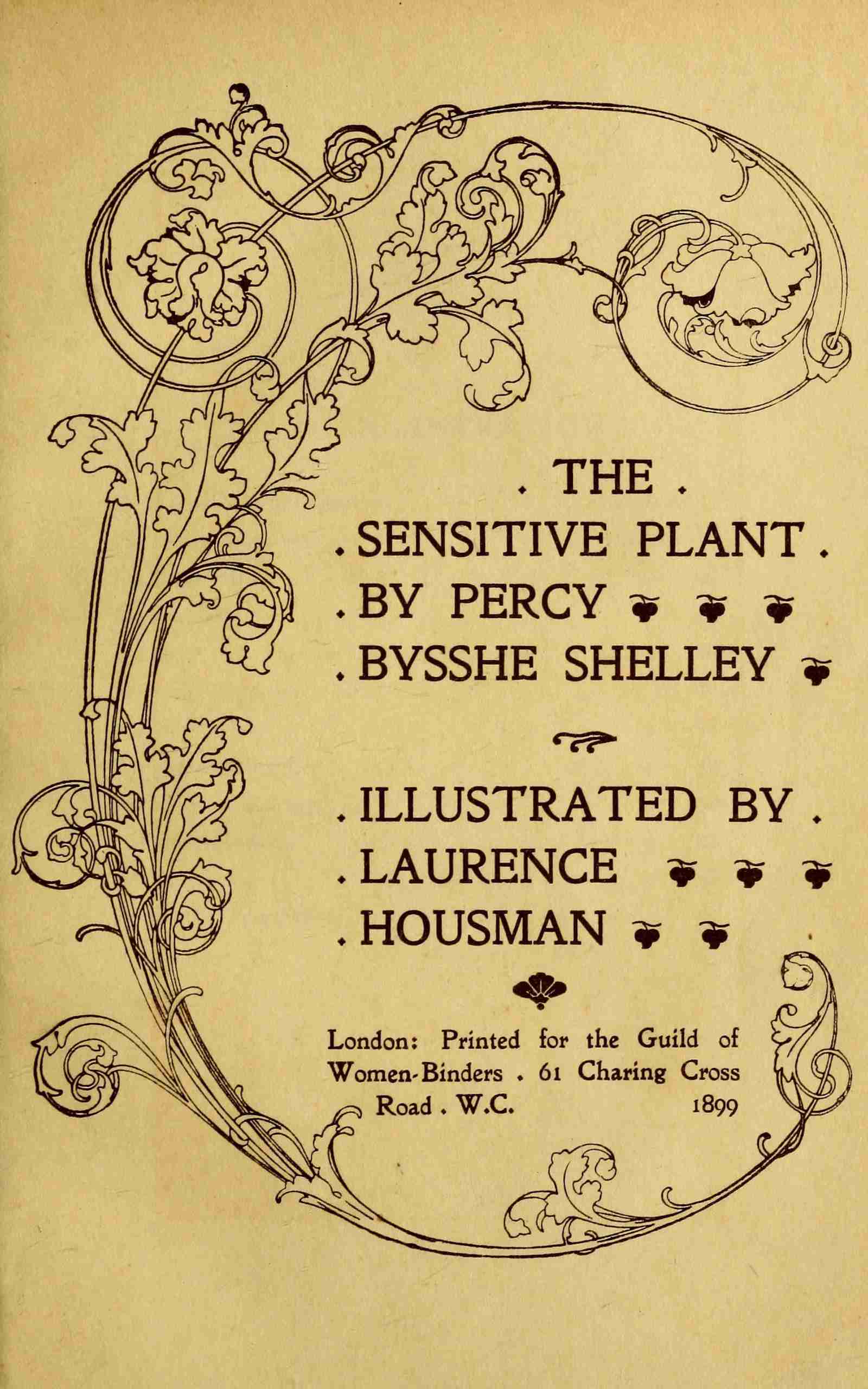
The Witch of Atlas
1824
The Witch of Atlas is Shelley's most radical departure from narrative into pure philosophical vision. In 78 ottava rima stanzas, he conjures a figure who dwells in a cavern beneath Mount Atlas, a being of transcendent beauty whose every glance can reshape reality. She grants joy to the sorrowful, love to the lonely, and dreams to the desolate. Yet she knows a secret that hollows her power: everything she touches is temporary. All beauty fades. All love ends. All life returns to dust. This is not a story but an inquiry into the imagination itself, what it can build and what it cannot preserve. Shelley wrote it in 1820 alongside Prometheus Unbound, but where that drama roars with political fury, this poem hums with a quieter, stranger wisdom. It asks what it means to create in a world governed by decay, and whether the act of making something beautiful is enough, even knowing it will not last. For readers who have ever loved a sunset, a poem, or a person and felt the knife-edge of knowing it cannot stay, this is Shelley's gift: a vision of impermanence that does not defeat wonder but deepens it.
Editions
Link to this book
Add a free, dofollow link to Lex on your blog, forum, syllabus, or reading list.

<a href="https://lex-books.com/book/the-witch-of-atlas-3197d252-aa3a-4b4c-949b-ae3ac64cdd05"><img src="https://lex-books.com/badges/read-on-lex.svg" alt="Read The Witch of Atlas by Percy Bysshe Shelley free on Lex" width="160" height="40"></a>[](https://lex-books.com/book/the-witch-of-atlas-3197d252-aa3a-4b4c-949b-ae3ac64cdd05)[url=https://lex-books.com/book/the-witch-of-atlas-3197d252-aa3a-4b4c-949b-ae3ac64cdd05][img]https://lex-books.com/badges/read-on-lex.svg[/img][/url]Read The Witch of Atlas by Percy Bysshe Shelley free on Lex: https://lex-books.com/book/the-witch-of-atlas-3197d252-aa3a-4b4c-949b-ae3ac64cdd05Cite this book
Reading this edition for a paper or guide? Copy a citation.
Shelley, Percy Bysshe. The Witch of Atlas. Lex, lex-books.com/book/the-witch-of-atlas-3197d252-aa3a-4b4c-949b-ae3ac64cdd05.Shelley, P. B. (1824). The Witch of Atlas. Lex. https://lex-books.com/book/the-witch-of-atlas-3197d252-aa3a-4b4c-949b-ae3ac64cdd05Shelley, Percy Bysshe. The Witch of Atlas. Lex. https://lex-books.com/book/the-witch-of-atlas-3197d252-aa3a-4b4c-949b-ae3ac64cdd05.
![The Prose Works of Percy Bysshe Shelley, Vol. 2 [Of 2]](/_next/image?url=https%3A%2F%2Fd3b2n8gj62qnwr.cloudfront.net%2FCOVERS%2Fgutenberg_covers75k%2Febook-67926.png&w=3840&q=75)
![The Prose Works of Percy Bysshe Shelley, Vol. 1 [Of 2]](/_next/image?url=https%3A%2F%2Fd3b2n8gj62qnwr.cloudfront.net%2FCOVERS%2Fgutenberg_covers75k%2Febook-67925.png&w=3840&q=75)