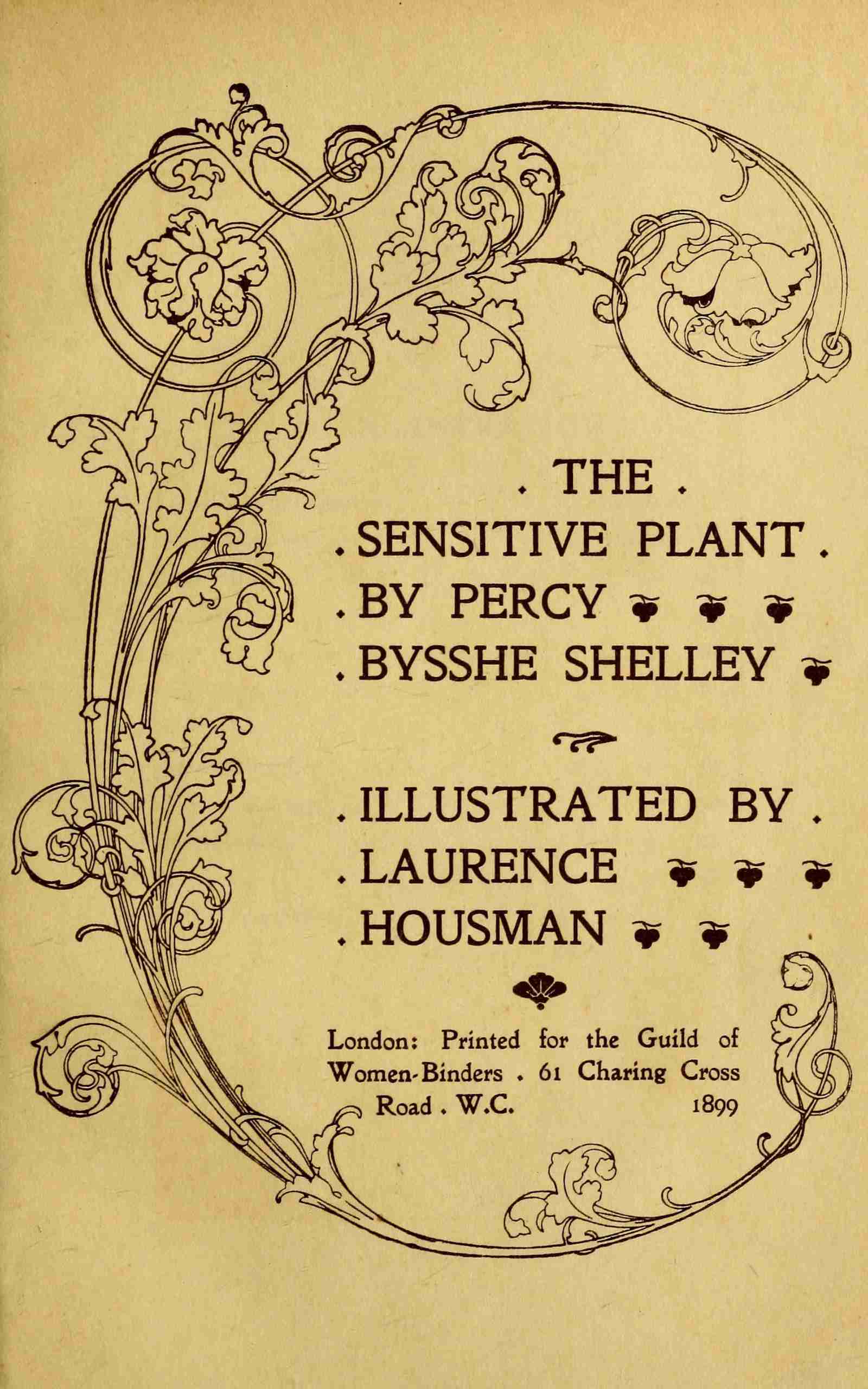
Adonais
1821
Written in the spring of 1821, when Shelley learned that John Keats had died in Rome at just twenty-five, Adonais is one of the most passionate elegies in the English language. Shelley, believing wrongly that harsh reviews from the Quarterly Review had hastened Keats's death, channeled his rage and grief into 55 Spenserian stanzas that transcend simple mourning. The poem reimagines Keats as Adonais, the beautiful youth of Greek myth, while his mother Urania weeps and the natural world itself seems to collapse under the weight of the poet's passing. But this is no quiet resignation. Shelley launches fierce attacks on the critics who dismissed Keats, insisting that such men are already dead while Keats, through his verses, will live forever. The poem's central argument is audacious: the poet's spirit does not die but dissolves into the universal mind, persisting through the very beauty Keats celebrated in his work. It remains a thundering defense of art's power to defy mortality, as relevant today as it was two centuries ago.
Editions
X-Ray
“No more let life divide what death can join together.””
— Percy Bysshe Shelley
“The cemetery is an open space among the ruins, covered in winter with violets and daisies. It might make one in love with death, to think that one should be buried in so sweet a place.””
— Percy Bysshe Shelley
“The One remains, the many change and pass;Heaven’s light forever shines, Earth’s shadows fly;Life, like a dome of many-coloured glass,Stains the white radiance of Eternity,Until Death tramples it to fragments.”
— Percy Bysshe Shelley
“And in a mad tranceStrike with our spirit's knifeInvulnerable nothingsWe decayLike corpses in a charnelFear & GriefConvulse is & consume usDay by dayAnd cold hopes swarmLike worms withinOur living clay””
— Percy Bysshe Shelley
“Life, like a dome of many-coloured glassStains the white radiance of Eternity””
— Percy Bysshe Shelley
“And others came... Desires and Adorations, Winged Persuasions and veil'd Destinies, Splendours, and Glooms, and glimmering Incarnations Of hopes and fears, and twilight Phantasies; And Sorrow, with her family of Sighs, And Pleasure, blind with tears, led by the gleam Of her own dying smile instead of eyes, Came in slow pomp; the moving pomp might seemLike pageantry of mist on an autumnal stream.””
— Percy Bysshe Shelley
“I am borne darkly, fearfully, afar;””
— Percy Bysshe Shelley
“Oh, weep for Adonais”
— Percy Bysshe Shelley
“All he had loved, and moulded into thought,From shape, and hue, and odour, and sweet sound,Lamented Adonais. Morning soughtHer eastern watch-tower, and her hair unbound,Wet with the tears which should adorn the ground,Dimmed the aerial eyes that kindle day;Afar the melancholy thunder moaned,Pale Ocean in unquiet slumber lay,And the wild winds flew round, sobbing in their dismay.””
— Percy Bysshe Shelley
Link to this book
Add a free, dofollow link to Lex on your blog, forum, syllabus, or reading list.

<a href="https://lex-books.com/book/adonais-7e9bdf39-4a5e-4583-ab4f-55b598d0f53a"><img src="https://lex-books.com/badges/read-on-lex.svg" alt="Read Adonais by Percy Bysshe Shelley free on Lex" width="160" height="40"></a>[](https://lex-books.com/book/adonais-7e9bdf39-4a5e-4583-ab4f-55b598d0f53a)[url=https://lex-books.com/book/adonais-7e9bdf39-4a5e-4583-ab4f-55b598d0f53a][img]https://lex-books.com/badges/read-on-lex.svg[/img][/url]Read Adonais by Percy Bysshe Shelley free on Lex: https://lex-books.com/book/adonais-7e9bdf39-4a5e-4583-ab4f-55b598d0f53aCite this book
Reading this edition for a paper or guide? Copy a citation.
Shelley, Percy Bysshe. Adonais. Lex, lex-books.com/book/adonais-7e9bdf39-4a5e-4583-ab4f-55b598d0f53a.Shelley, P. B. (1821). Adonais. Lex. https://lex-books.com/book/adonais-7e9bdf39-4a5e-4583-ab4f-55b598d0f53aShelley, Percy Bysshe. Adonais. Lex. https://lex-books.com/book/adonais-7e9bdf39-4a5e-4583-ab4f-55b598d0f53a.
![The Prose Works of Percy Bysshe Shelley, Vol. 2 [Of 2]](/_next/image?url=https%3A%2F%2Fd3b2n8gj62qnwr.cloudfront.net%2FCOVERS%2Fgutenberg_covers75k%2Febook-67926.png&w=3840&q=75)
![The Prose Works of Percy Bysshe Shelley, Vol. 1 [Of 2]](/_next/image?url=https%3A%2F%2Fd3b2n8gj62qnwr.cloudfront.net%2FCOVERS%2Fgutenberg_covers75k%2Febook-67925.png&w=3840&q=75)