The Will to Believe, and Other Essays in Popular Philosophy
The Will to Believe, and Other Essays in Popular Philosophy
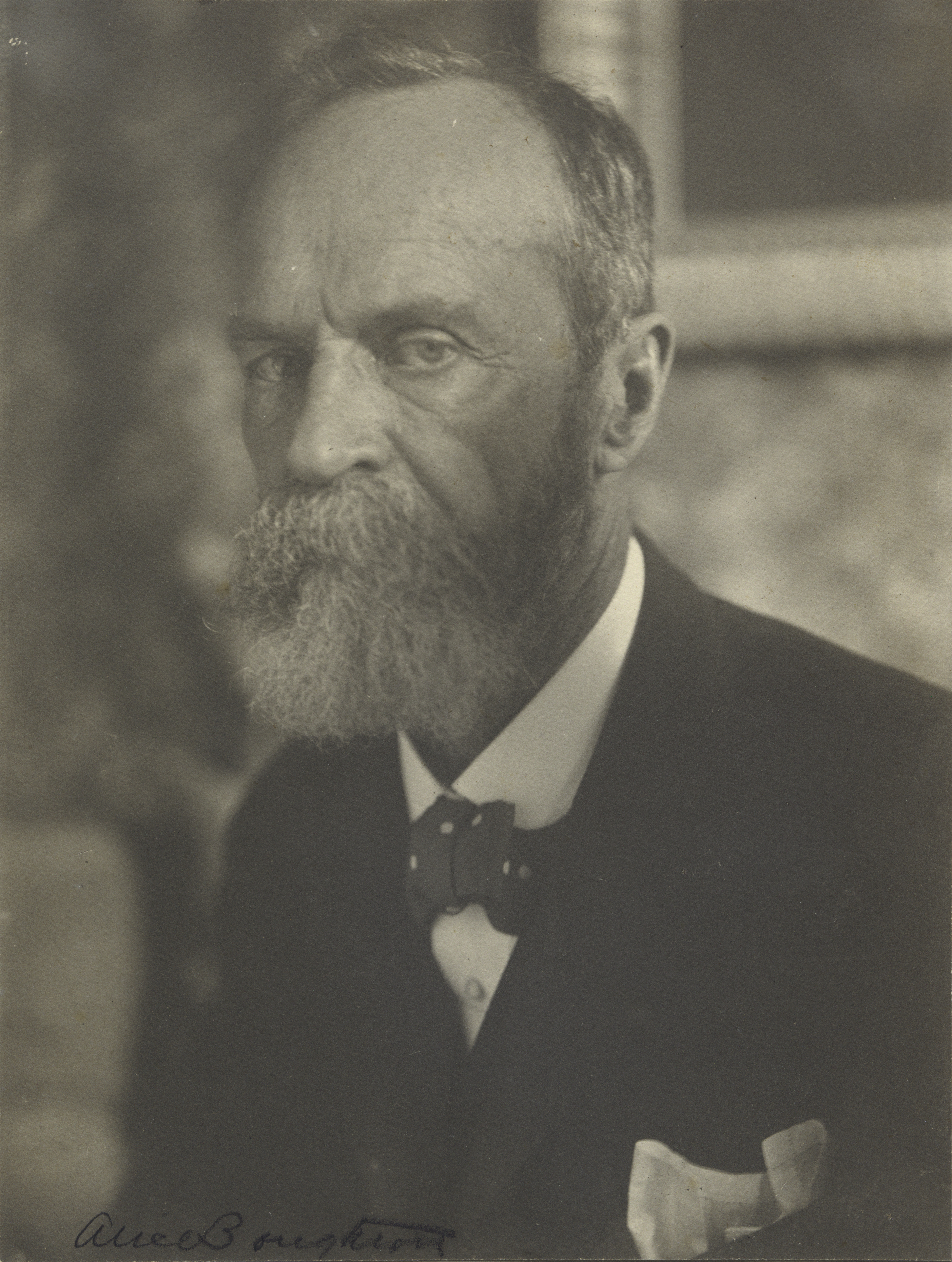
In this bracing collection of philosophical essays, William James mounts a radical defense of the right to believe. The famous title essay confronts a question that still haunts us: what happens when evidence runs out, but a decision cannot? James argues that in certain situations, particularly religious ones, our passions may legitimately lead us to faith even where reason offers no proof. He introduces his now-classic framework: some options are living, others dead; some choices are forced, others avoidable; and some decisions are momentous, altering the entire trajectory of a life. To shrink from belief in such moments is, he argues, itself a choice, and often a cowardly one. The collection also includes his provocative argument for human immortality, delivered as the Ingersoll Lectures at Harvard. James writes with the urgency of a thinker who believes philosophy matters not as abstraction but as a guide to living. A century and a half later, his pragmatism feels less like a historical curiosity and more like an urgent corrective to our age of algorithmic certainty.
Editions
X-Ray
“Moral scepticism can no more be refuted or proved by logic than intellectual scepticism can. When we stick to it that there is truth (be it of either kind), we do so with our whole nature, and resolve to stand or fall by the results. The sceptic with his whole nature adopts the doubting attitude; but which of us is the wiser, Omniscience only knows.””
— William James
“Believe truth! Shun error!-these, we see, are two materially different laws; and by choosing between them we may end by coloring differently our whole intellectual life. We may regard the chase for truth as paramount, and the avoidance of error as secondary; or we may, on the other hand, treat the avoidance of error as more imperative, and let truth take its chance.””
— William James
“A social organism of any sort whatever, large or small, is what it is because each member proceeds to his own duty with a trust that the other members will simultaneously do theirs. Wherever a desired result is achieved by the co-operation of many independent persons, its existence as a fact is a pure consequence of the precursive faith in one another of those immediately concerned.””
— William James
“Objective evidence and certitude are doubtless very fine ideals to play with, but where on this moonlit and dream-visited planet are they found?””
— William James
“Our faith is faith in some one else's faith, and in the greatest matters this is most the case. Our belief in truth itself, for instance, that there is a truth, and that our minds and it are made for each other,--what is it but a passionate affirmation of desire, in which our social system backs us up? We want to have a truth; we want to believe that our experiments and studies and discussions must put us in a continually better and better position towards it; and on this line we agree to fight out our thinking lives.””
— William James
“Our errors are surely not such awfully solemn things. In a world where we are so certain to incur them in spite of all our caution, a certain lightness of heart seems healthier than this excessive nervousness on their behalf.””
— William James
“Belief and doubt are living attitudes, and involve conduct on our part. Our only way, for example, of doubting, or refusing to believe, that a certain thing is, is continuing to act as if it were not.””
— William James
“He who says "Better to go without belief forever than believe a lie!" merely shows his own preponderant private horror of becoming a dupe... This fear he slavishly obeys... For my own part, I have also a horror of being duped; but I can believe that worse things than being duped may happen to a man in this world... It is like a general informing his soliders that it is better to keep out of battle forever than to risk a single wound. Not so are victories either over enemies or over nature gained. Our errors are surely not so awfully solumn things. In a world where we are certain to incur them in spite of all our caution, a certain lightness of heart seems healthier than this excessive nervousness on their behalf.””
— William James
“In truths dependent on our personal action, then, faith based on desire is certainly a lawful and possibly an indispensable thing.””
— William James
Link to this book
Add a free, dofollow link to Lex on your blog, forum, syllabus, or reading list.

<a href="https://lex-books.com/book/the-will-to-believe-and-other-essays-in-popular-philosophy-be2b754a-7706-4bbf-98c9-f2bc23c906e4"><img src="https://lex-books.com/badges/read-on-lex.svg" alt="Read The Will to Believe, and Other Essays in Popular Philosophy by William James free on Lex" width="160" height="40"></a>[](https://lex-books.com/book/the-will-to-believe-and-other-essays-in-popular-philosophy-be2b754a-7706-4bbf-98c9-f2bc23c906e4)[url=https://lex-books.com/book/the-will-to-believe-and-other-essays-in-popular-philosophy-be2b754a-7706-4bbf-98c9-f2bc23c906e4][img]https://lex-books.com/badges/read-on-lex.svg[/img][/url]Read The Will to Believe, and Other Essays in Popular Philosophy by William James free on Lex: https://lex-books.com/book/the-will-to-believe-and-other-essays-in-popular-philosophy-be2b754a-7706-4bbf-98c9-f2bc23c906e4Cite this book
Reading this edition for a paper or guide? Copy a citation.
James, William. The Will to Believe, and Other Essays in Popular Philosophy. Lex, lex-books.com/book/the-will-to-believe-and-other-essays-in-popular-philosophy-be2b754a-7706-4bbf-98c9-f2bc23c906e4.James, W. (n.d.). The Will to Believe, and Other Essays in Popular Philosophy. Lex. https://lex-books.com/book/the-will-to-believe-and-other-essays-in-popular-philosophy-be2b754a-7706-4bbf-98c9-f2bc23c906e4James, William. The Will to Believe, and Other Essays in Popular Philosophy. Lex. https://lex-books.com/book/the-will-to-believe-and-other-essays-in-popular-philosophy-be2b754a-7706-4bbf-98c9-f2bc23c906e4.