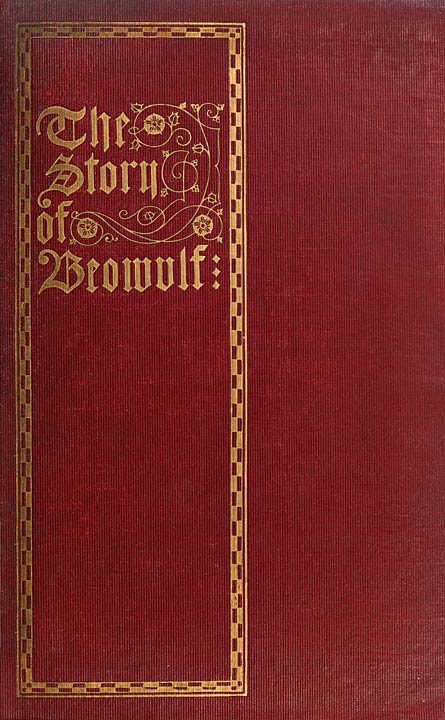
The Story of Beowulf, Translated from Anglo-Saxon into Modern English Prose
1913
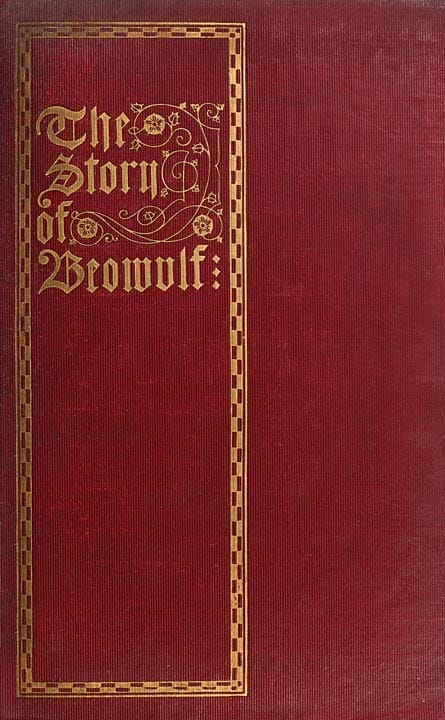
The Story of Beowulf, Translated from Anglo-Saxon into Modern English Prose
1913
Translated by Ernest J. B. (Ernest John Brigham) Kirtlan
Before English had a literature, it had this. The earliest surviving epic in the English language sweeps across centuries to deliver a tale of heroes and monsters, of glory won and lives spent. A Geatish warrior named Beowulf sails to Denmark to rid King Hrothgar's great hall Heorot of a terror that has been devouring warriors in the night: Grendel, a creature out of nightmare. With nothing but his strength and the loyalty of his men, Beowulf confronts the monster and tears it apart. But victory is only the beginning. Grendel's mother rises to avenge her spawn, and decades later, an aged Beowulf must face a dragon threatening his kingdom. What follows is not just a battle, but an elegy for everything heroism costs. The poem understands something most adventure stories miss: the real challenge is surviving what comes after the victory, carrying the weight of glory into a life that cannot sustain it.
Editions
X-Ray
“It is always betterto avenge dear ones than to indulge in mourning.For every one of us, living in this worldmeans waiting for our end. Let whoever canwin glory before death. When a warrior is gone,that will be his best and only bulwark.””
— Unknown
“Behaviour that's admiredis the path to power among people everywhere.””
— Unknown
“Anyone with gumption and a sharp mind will take the measure of two things: what's said and what's done.””
— Unknown
“I shall gain glory or die.””
— Unknown
“Quickly, the dragon came at him, encouragedAs Beowulf fell back; its breath flared,And he suffered, wrapped around in swirlingFlames -- a king, before, but nowA beaten warrior. None of his comradesCame to him, helped him, his brave and nobleFollowers; they ran for their lives, fledDeep in a wood. And only one of themRemained, stood there, miserable, remembering,As a good man must, what kinship should mean.””
— Unknown
“Fate will unwind as it must!””
— Unknown
“That was their way, their heathenish hope; deep in their hearts they remembered hell.””
— Unknown
“Fate goes ever as fate must.””
— Unknown
“Meanwhile, the swordbegan to wilt into gory icicles, to slather and thaw. It was a wonderful thing, the way it all melted as ice melts when the Father eases the fetters off the frostand unravels the water-ropes. He who wields powerover time and tide: He is the true Lord.””
— Unknown
Link to this book
Add a free, dofollow link to Lex on your blog, forum, syllabus, or reading list.

<a href="https://lex-books.com/book/the-story-of-beowulf-translated-from-anglo-saxon-into-modern-english-prose-ba0b6883-cf4d-4d9c-8aa8-6bc35a78c8c3"><img src="https://lex-books.com/badges/read-on-lex.svg" alt="Read The Story of Beowulf, Translated from Anglo-Saxon into Modern English Prose by Unknown free on Lex" width="160" height="40"></a>[](https://lex-books.com/book/the-story-of-beowulf-translated-from-anglo-saxon-into-modern-english-prose-ba0b6883-cf4d-4d9c-8aa8-6bc35a78c8c3)[url=https://lex-books.com/book/the-story-of-beowulf-translated-from-anglo-saxon-into-modern-english-prose-ba0b6883-cf4d-4d9c-8aa8-6bc35a78c8c3][img]https://lex-books.com/badges/read-on-lex.svg[/img][/url]Read The Story of Beowulf, Translated from Anglo-Saxon into Modern English Prose by Unknown free on Lex: https://lex-books.com/book/the-story-of-beowulf-translated-from-anglo-saxon-into-modern-english-prose-ba0b6883-cf4d-4d9c-8aa8-6bc35a78c8c3Cite this book
Reading this edition for a paper or guide? Copy a citation.
Unknown. The Story of Beowulf, Translated from Anglo-Saxon into Modern English Prose. Lex, lex-books.com/book/the-story-of-beowulf-translated-from-anglo-saxon-into-modern-english-prose-ba0b6883-cf4d-4d9c-8aa8-6bc35a78c8c3.Unknown (1913). The Story of Beowulf, Translated from Anglo-Saxon into Modern English Prose. Lex. https://lex-books.com/book/the-story-of-beowulf-translated-from-anglo-saxon-into-modern-english-prose-ba0b6883-cf4d-4d9c-8aa8-6bc35a78c8c3Unknown. The Story of Beowulf, Translated from Anglo-Saxon into Modern English Prose. Lex. https://lex-books.com/book/the-story-of-beowulf-translated-from-anglo-saxon-into-modern-english-prose-ba0b6883-cf4d-4d9c-8aa8-6bc35a78c8c3.