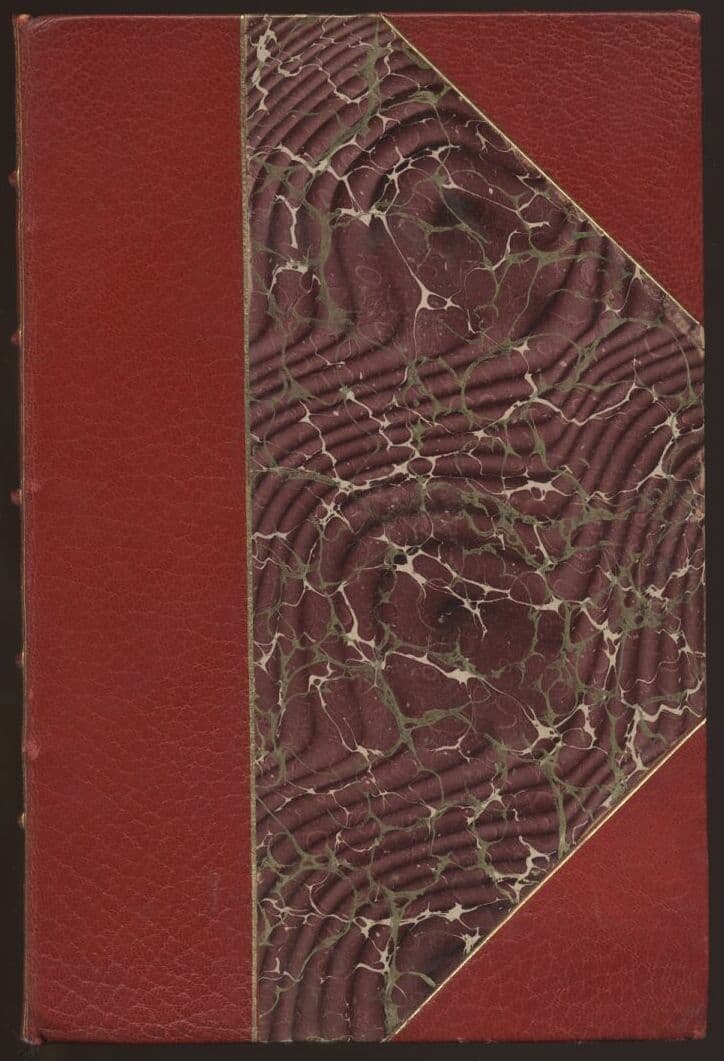
The Small House at Allington
In the village of Allington, two branches of the Dale family coexist in uneasy proximity: the wealthy squire at the Great House and the modest household of the widowed Mrs. Dale and her two daughters, Lily and Bell. Trollope's genius lies in the quiet devastation of this setup, two sisters navigating a world where their prospects hinge on marriage, where a clerk's attentions might be either opportunity or humiliation, and where the shadow of wealthier relatives casts a long doubt over every choice. Lily Dale, the elder sister, captures something timeless in her mix of warmth and folly: she falls for a man who may not deserve her, and the novel traces what happens when sentiment meets circumstance. The drama unfolds not in carriages overturning or secrets exploding, but in conversations after dinner, in letters that go unanswered, in the small slights that accumulate over years. Trollope understands that the wounds that matter most are the ones we survive and simply carry forward. The Small House at Allington endures because it captures what Jane Austen called the trivial details of daily life, the texture of being a woman with limited options, the particular ache of provincial aspiration, the way love and pride become indistinguishable.
Editions

Link to this book
Add a free, dofollow link to Lex on your blog, forum, syllabus, or reading list.

<a href="https://lex-books.com/book/the-small-house-at-allington-e35e03e2-a466-4208-8af8-cd37d84d48dd"><img src="https://lex-books.com/badges/read-on-lex.svg" alt="Read The Small House at Allington by Anthony Trollope free on Lex" width="160" height="40"></a>[](https://lex-books.com/book/the-small-house-at-allington-e35e03e2-a466-4208-8af8-cd37d84d48dd)[url=https://lex-books.com/book/the-small-house-at-allington-e35e03e2-a466-4208-8af8-cd37d84d48dd][img]https://lex-books.com/badges/read-on-lex.svg[/img][/url]Read The Small House at Allington by Anthony Trollope free on Lex: https://lex-books.com/book/the-small-house-at-allington-e35e03e2-a466-4208-8af8-cd37d84d48ddCite this book
Reading this edition for a paper or guide? Copy a citation.
Trollope, Anthony. The Small House at Allington. Lex, lex-books.com/book/the-small-house-at-allington-e35e03e2-a466-4208-8af8-cd37d84d48dd.Trollope, A. (n.d.). The Small House at Allington. Lex. https://lex-books.com/book/the-small-house-at-allington-e35e03e2-a466-4208-8af8-cd37d84d48ddTrollope, Anthony. The Small House at Allington. Lex. https://lex-books.com/book/the-small-house-at-allington-e35e03e2-a466-4208-8af8-cd37d84d48dd.