The Vicar of Bullhampton
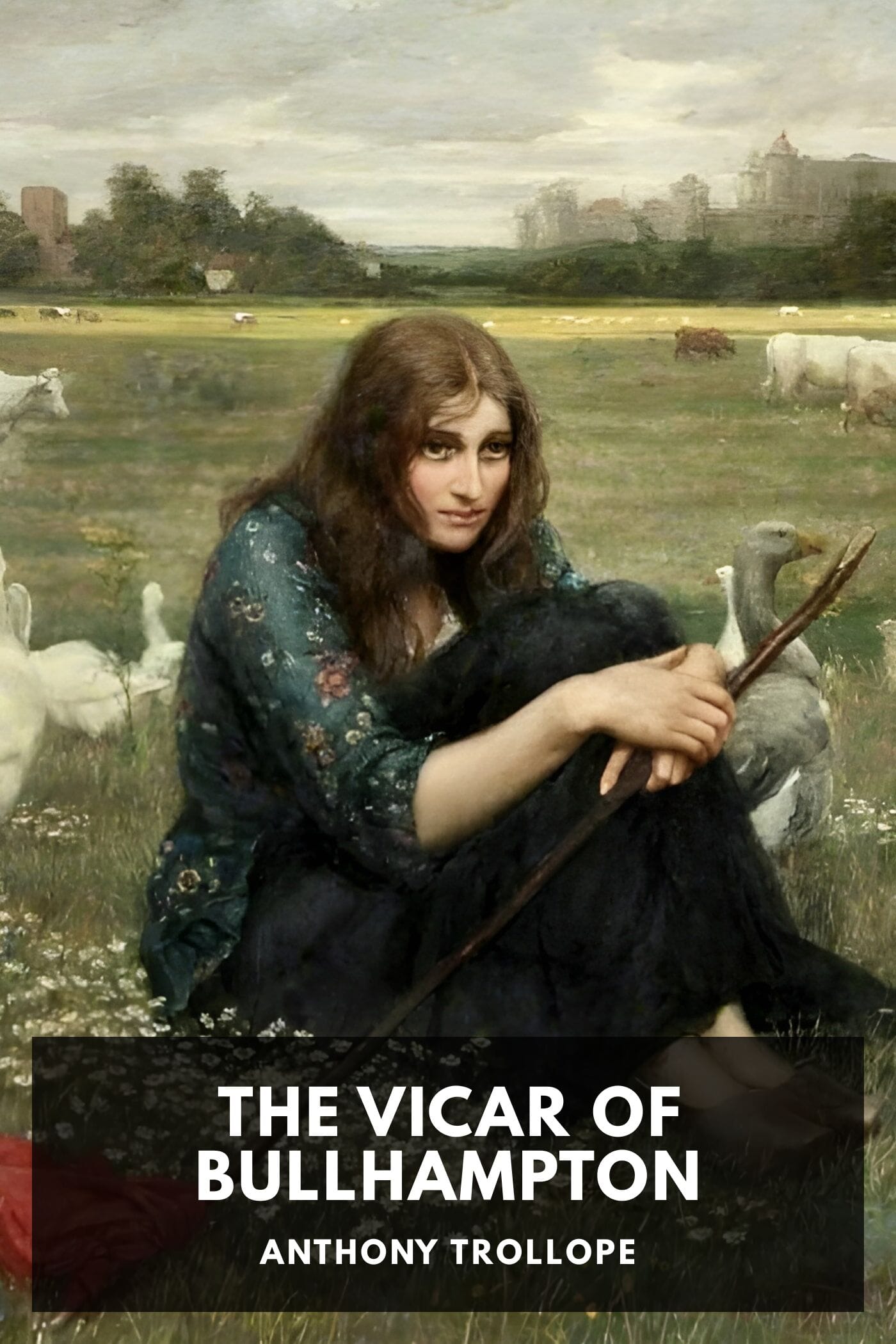
In the quiet Wiltshire parish of Bullhampton, the Reverend Frank Fenwick strives to be a model clergyman, deeply invested in the spiritual and material well-being of his flock. However, his earnest good intentions and "broad church" sensibilities repeatedly embroil him in controversy. He finds himself entangled in the moral and legal woes of the poor miller's family, particularly the fate of the wayward Carry Brattle, a "fallen woman" whose plight Trollope unusually judged worthy of a preface. Simultaneously, Fenwick navigates the romantic hurdles of his best friend, the local squire, and a deepening conflict with the dissenting chapel, complicated by his personal enmity with the Marquis who endowed it. Throughout these interwoven narratives, Fenwick grapples with the difficulty of "setting crooked things straight," often finding himself culpable to some degree in the very messes he attempts to resolve. Trollope, ever the master of Victorian social commentary, uses *The Vicar of Bullhampton* to delve more overtly into moral and theological quandaries than even his famed Barsetshire Chronicles. The novel scrutinizes the societal judgment of a "fallen woman," the ethics of pressured marriage, and the nuanced dynamics between established church and dissenting faiths. Beyond its specific plot points, the book shines with Trollope's characteristic psychological insight, exploring themes of loyalty, hypocrisy, constancy in love, and the complex interplay of forgiveness and its absence. It's a testament to Trollope's enduring relevance, showcasing his ability to both capture the spirit of his age and, in his astute psychological judgments, foreshadow modern sensibilities.
Editions

Link to this book
Add a free, dofollow link to Lex on your blog, forum, syllabus, or reading list.

<a href="https://lex-books.com/book/the-vicar-of-bullhampton-00b2029c-4e56-48f1-96e3-3aade1f8a1d0"><img src="https://lex-books.com/badges/read-on-lex.svg" alt="Read The Vicar of Bullhampton by Anthony Trollope free on Lex" width="160" height="40"></a>[](https://lex-books.com/book/the-vicar-of-bullhampton-00b2029c-4e56-48f1-96e3-3aade1f8a1d0)[url=https://lex-books.com/book/the-vicar-of-bullhampton-00b2029c-4e56-48f1-96e3-3aade1f8a1d0][img]https://lex-books.com/badges/read-on-lex.svg[/img][/url]Read The Vicar of Bullhampton by Anthony Trollope free on Lex: https://lex-books.com/book/the-vicar-of-bullhampton-00b2029c-4e56-48f1-96e3-3aade1f8a1d0Cite this book
Reading this edition for a paper or guide? Copy a citation.
Trollope, Anthony. The Vicar of Bullhampton. Lex, lex-books.com/book/the-vicar-of-bullhampton-00b2029c-4e56-48f1-96e3-3aade1f8a1d0.Trollope, A. (n.d.). The Vicar of Bullhampton. Lex. https://lex-books.com/book/the-vicar-of-bullhampton-00b2029c-4e56-48f1-96e3-3aade1f8a1d0Trollope, Anthony. The Vicar of Bullhampton. Lex. https://lex-books.com/book/the-vicar-of-bullhampton-00b2029c-4e56-48f1-96e3-3aade1f8a1d0.