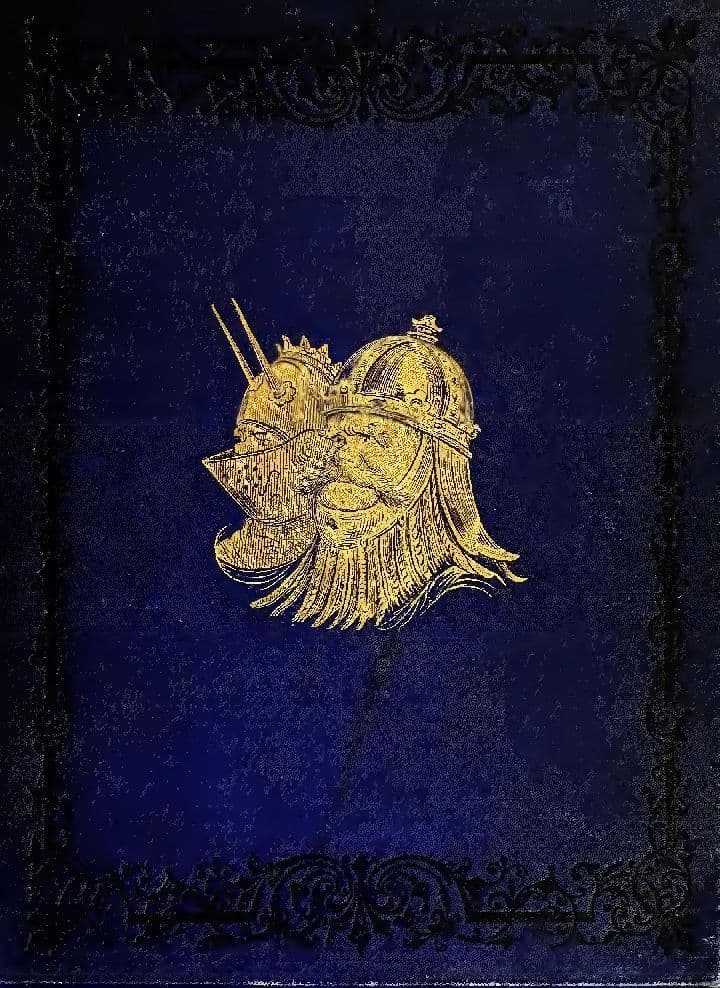
The Pirate, and the Three Cutters
1836
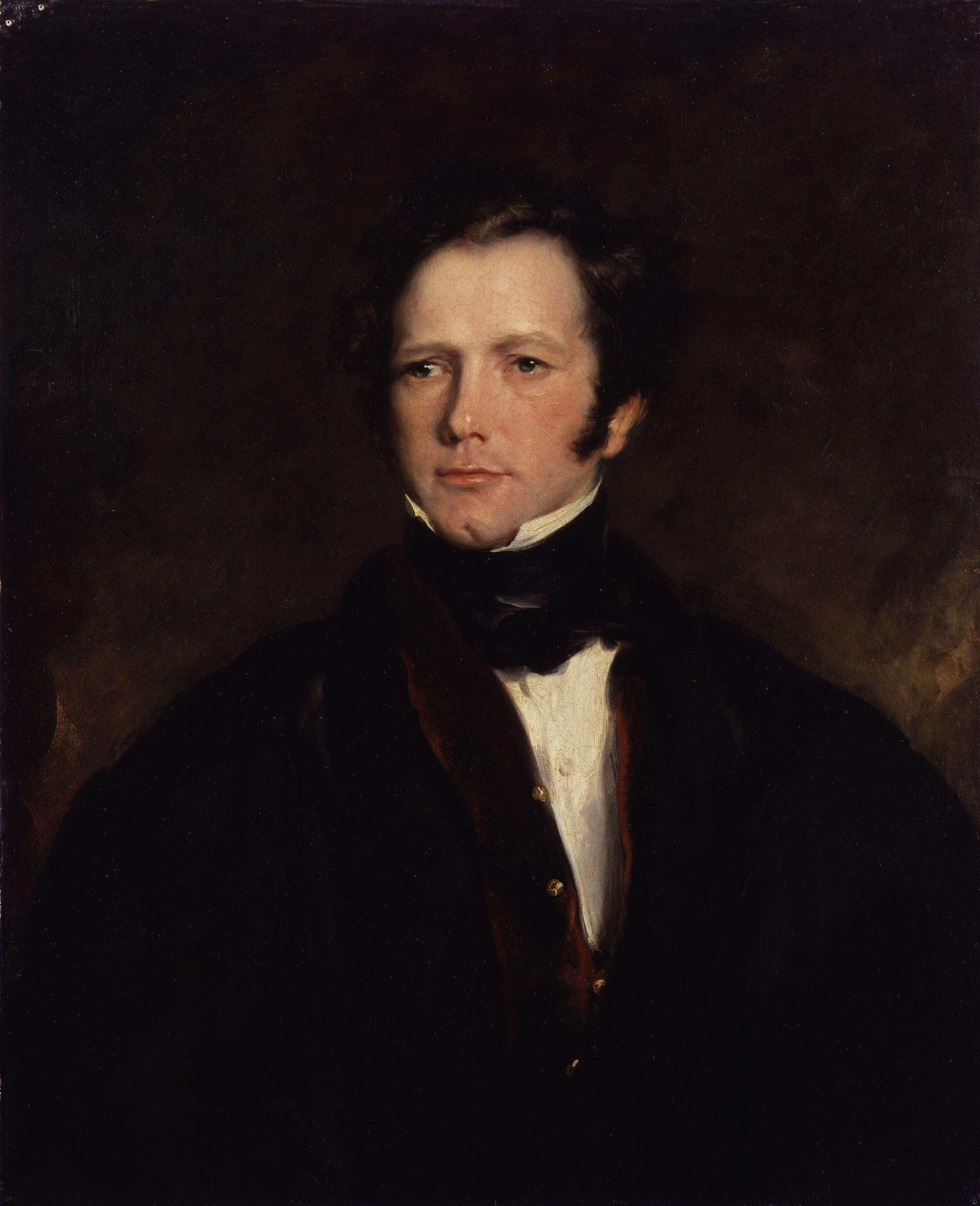
Frederick Marryat invented the sea novel, and this 1836 work crackles with the authority of a man who actually commanded ships. The novel erupts with the Circassian dying in the Bay of Biscay, a man, woman, and child clinging to the wreckage as the storm tries to kill them. This is not romantic nautical fiction; it's visceral, physical, the salt spray in your face and the deck tilting toward oblivion. Marryat draws on his Royal Navy service to deliver maritime detail so authentic it reads like a dispatch from the edge. The story follows Captain Ingram and midshipman Edward Templemore through waters morally murkier than simple adventure allows, while The Three Cutters strands an aristocratic yachting party between customs officers and smugglers in a delicious game of cat and mouse off the English coast. Marryat refuses to let his characters become heroic cardboard, the humor is dry, the social commentary pointed, and the human moments land with real weight. This is where the sea novel was born: not as scenery but as crucible, testing men and women against wind, wave, and their own natures.
Editions
Link to this book
Add a free, dofollow link to Lex on your blog, forum, syllabus, or reading list.

<a href="https://lex-books.com/book/the-pirate-and-the-three-cutters-6a521e6b-32fa-4e48-924d-4c5a566c120c"><img src="https://lex-books.com/badges/read-on-lex.svg" alt="Read The Pirate, and the Three Cutters by Frederick Marryat free on Lex" width="160" height="40"></a>[](https://lex-books.com/book/the-pirate-and-the-three-cutters-6a521e6b-32fa-4e48-924d-4c5a566c120c)[url=https://lex-books.com/book/the-pirate-and-the-three-cutters-6a521e6b-32fa-4e48-924d-4c5a566c120c][img]https://lex-books.com/badges/read-on-lex.svg[/img][/url]Read The Pirate, and the Three Cutters by Frederick Marryat free on Lex: https://lex-books.com/book/the-pirate-and-the-three-cutters-6a521e6b-32fa-4e48-924d-4c5a566c120cCite this book
Reading this edition for a paper or guide? Copy a citation.
Marryat, Frederick. The Pirate, and the Three Cutters. Lex, lex-books.com/book/the-pirate-and-the-three-cutters-6a521e6b-32fa-4e48-924d-4c5a566c120c.Marryat, F. (1836). The Pirate, and the Three Cutters. Lex. https://lex-books.com/book/the-pirate-and-the-three-cutters-6a521e6b-32fa-4e48-924d-4c5a566c120cMarryat, Frederick. The Pirate, and the Three Cutters. Lex. https://lex-books.com/book/the-pirate-and-the-three-cutters-6a521e6b-32fa-4e48-924d-4c5a566c120c.