The Pilgrim's Progress from This World to That Which is to Come: Delivered Under the Similitude of a Dream, by John Bunyan
1678
The Pilgrim's Progress from This World to That Which is to Come: Delivered Under the Similitude of a Dream, by John Bunyan
1678
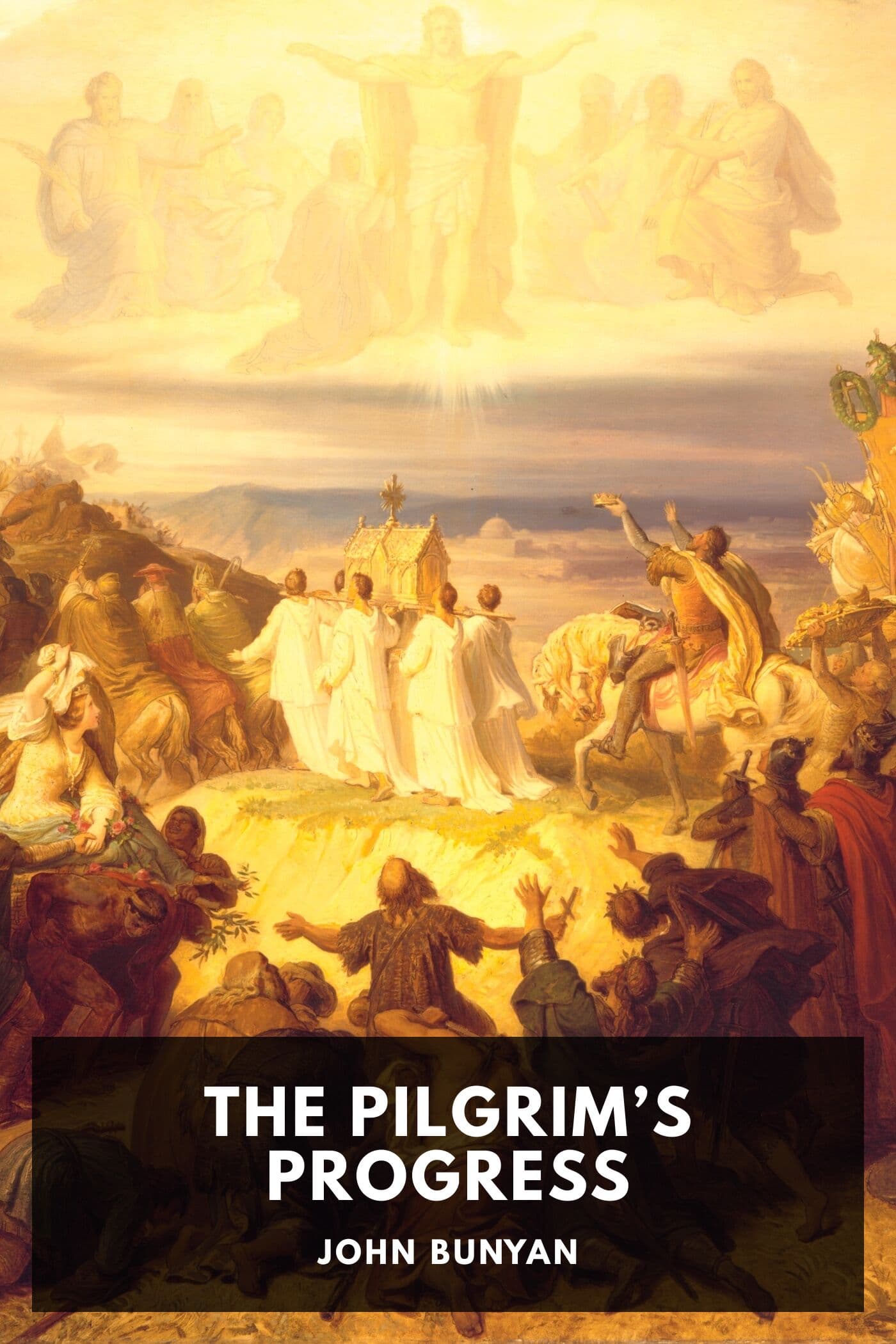
Christian carries a burden on his back that he cannot remove, and in the City of Destruction, everyone he loves tells him he's a fool for wanting to leave. When a book reveals his doomed state, he begins running toward a gate he's never seen, chased by the arrows of divine judgment. What follows is an adventure as gripping as any road novel: a journey through a landscape where characters have names like Worldly Wiseman, Giant Despair, and Talkative, where the Slough of Despond threatens to swallow you whole, and where the only way forward is through. Bunyan wrote this during twelve years in a Bedford jail for preaching without a license, and the urgency of a man who knows what it costs to hold to his faith pulses through every page. This is not a dry allegory but a living nightmare and a triumphant dream, a story about what it costs to keep moving toward a city you've never seen when everyone around you says the road is foolish. Four centuries later, it remains the English language's most powerful meditation on why we keep going when quitting would be so much easier.
Editions
X-Ray
“What God says is best, is best, though all the men in the world are against it.””
— John Bunyan
“This hill, though high, I covet to ascend; The difficulty will not me offend. For I perceive the way to life lies here. Come, pluck up, heart; let's neither faint nor fear. Better, though difficult, the right way to go, Than wrong, though easy, where the end is woe.””
— John Bunyan
“This hill though high I covent ascend;The difficulty will not me offend;For I perceive the way of life lies here.Come, pluck up, heart; let's neither faint nor fear. ””
— John Bunyan
“a man there was, though some did count him mad, the more he cast away the more he had.””
— John Bunyan
“Dark clouds bring waters, when the bright bring none.””
— John Bunyan
“I have given Him my faith, and sworn my allegiance to Him; how, then, can I go back from this, and not be hanged as a traitor?””
— John Bunyan
“The man that takes up religion for the world will throw away religion for the world.””
— John Bunyan
“I seek a place that can never be destroyed, one that is pure, and that fadeth not away, and it is laid up in heaven, and safe there, to be given, at the time appointed, to them that seek it with all their heart. Read it so, if you will, in my book.””
— John Bunyan
“It is always hard to see the purpose in wilderness wanderings until after they are over.6.””
— John Bunyan
Link to this book
Add a free, dofollow link to Lex on your blog, forum, syllabus, or reading list.

<a href="https://lex-books.com/book/the-pilgrim-s-progress-from-this-world-to-that-which-is-to-come-delivered-under--faeb84b9-a4c1-4620-9e89-606240d55def"><img src="https://lex-books.com/badges/read-on-lex.svg" alt="Read The Pilgrim's Progress from This World to That Which is to Come: Delivered Under the Similitude of a Dream, by John Bunyan by John Bunyan free on Lex" width="160" height="40"></a>[](https://lex-books.com/book/the-pilgrim-s-progress-from-this-world-to-that-which-is-to-come-delivered-under--faeb84b9-a4c1-4620-9e89-606240d55def)[url=https://lex-books.com/book/the-pilgrim-s-progress-from-this-world-to-that-which-is-to-come-delivered-under--faeb84b9-a4c1-4620-9e89-606240d55def][img]https://lex-books.com/badges/read-on-lex.svg[/img][/url]Read The Pilgrim's Progress from This World to That Which is to Come: Delivered Under the Similitude of a Dream, by John Bunyan by John Bunyan free on Lex: https://lex-books.com/book/the-pilgrim-s-progress-from-this-world-to-that-which-is-to-come-delivered-under--faeb84b9-a4c1-4620-9e89-606240d55defCite this book
Reading this edition for a paper or guide? Copy a citation.
Bunyan, John. The Pilgrim's Progress from This World to That Which is to Come: Delivered Under the Similitude of a Dream, by John Bunyan. Lex, lex-books.com/book/the-pilgrim-s-progress-from-this-world-to-that-which-is-to-come-delivered-under--faeb84b9-a4c1-4620-9e89-606240d55def.Bunyan, J. (1678). The Pilgrim's Progress from This World to That Which is to Come: Delivered Under the Similitude of a Dream, by John Bunyan. Lex. https://lex-books.com/book/the-pilgrim-s-progress-from-this-world-to-that-which-is-to-come-delivered-under--faeb84b9-a4c1-4620-9e89-606240d55defBunyan, John. The Pilgrim's Progress from This World to That Which is to Come: Delivered Under the Similitude of a Dream, by John Bunyan. Lex. https://lex-books.com/book/the-pilgrim-s-progress-from-this-world-to-that-which-is-to-come-delivered-under--faeb84b9-a4c1-4620-9e89-606240d55def.