The Jerusalem Sinner Saved; Or, Good News for the Vilest of Men
1688
The Jerusalem Sinner Saved; Or, Good News for the Vilest of Men
1688
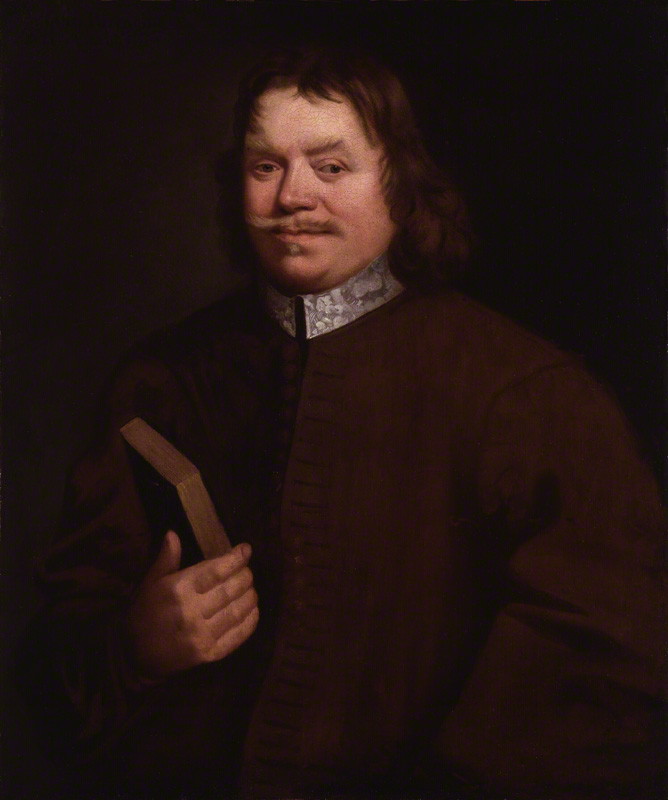
John Bunyan spent twelve years in a Bedford jail for preaching without a license. He emerged in 1688, the year of his death, with this radical treatise burning in his chest: what if God's grace was not for the decent, but for the damned? The title references the penitent thief crucified beside Jesus - a murderer granted paradise in his final hour. Bunyan argues that if Christ could save that wretched figure, no sin is too monstrous, no sinner too lost. But this is not abstract theology. Bunyan confesses he once considered himself the worst of all sinners, and the wonder of his own salvation permeates every page. Written with the feverish love of an evangelist who cannot stop proclaiming what saved him, the book pulses with one unshakable conviction: the worse you think you are, the more you need this message. It is good news specifically for those who believe themselves beyond redemption. Nearly 350 years later, for anyone who has ever whispered 'I am too far gone' - Bunyan offers an answer that still cuts through despair.
Editions
Link to this book
Add a free, dofollow link to Lex on your blog, forum, syllabus, or reading list.

<a href="https://lex-books.com/book/the-jerusalem-sinner-saved-or-good-news-for-the-vilest-of-men-0f91abc8-03b8-410a-a942-e036847a9de9"><img src="https://lex-books.com/badges/read-on-lex.svg" alt="Read The Jerusalem Sinner Saved; Or, Good News for the Vilest of Men by John Bunyan free on Lex" width="160" height="40"></a>[](https://lex-books.com/book/the-jerusalem-sinner-saved-or-good-news-for-the-vilest-of-men-0f91abc8-03b8-410a-a942-e036847a9de9)[url=https://lex-books.com/book/the-jerusalem-sinner-saved-or-good-news-for-the-vilest-of-men-0f91abc8-03b8-410a-a942-e036847a9de9][img]https://lex-books.com/badges/read-on-lex.svg[/img][/url]Read The Jerusalem Sinner Saved; Or, Good News for the Vilest of Men by John Bunyan free on Lex: https://lex-books.com/book/the-jerusalem-sinner-saved-or-good-news-for-the-vilest-of-men-0f91abc8-03b8-410a-a942-e036847a9de9Cite this book
Reading this edition for a paper or guide? Copy a citation.
Bunyan, John. The Jerusalem Sinner Saved; Or, Good News for the Vilest of Men. Lex, lex-books.com/book/the-jerusalem-sinner-saved-or-good-news-for-the-vilest-of-men-0f91abc8-03b8-410a-a942-e036847a9de9.Bunyan, J. (1688). The Jerusalem Sinner Saved; Or, Good News for the Vilest of Men. Lex. https://lex-books.com/book/the-jerusalem-sinner-saved-or-good-news-for-the-vilest-of-men-0f91abc8-03b8-410a-a942-e036847a9de9Bunyan, John. The Jerusalem Sinner Saved; Or, Good News for the Vilest of Men. Lex. https://lex-books.com/book/the-jerusalem-sinner-saved-or-good-news-for-the-vilest-of-men-0f91abc8-03b8-410a-a942-e036847a9de9.