The Pharisee and the Publican
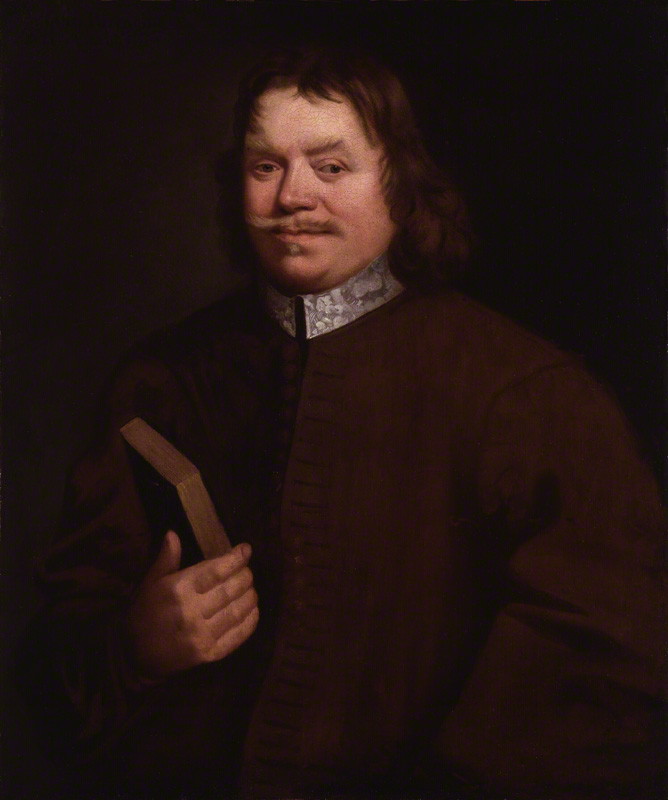
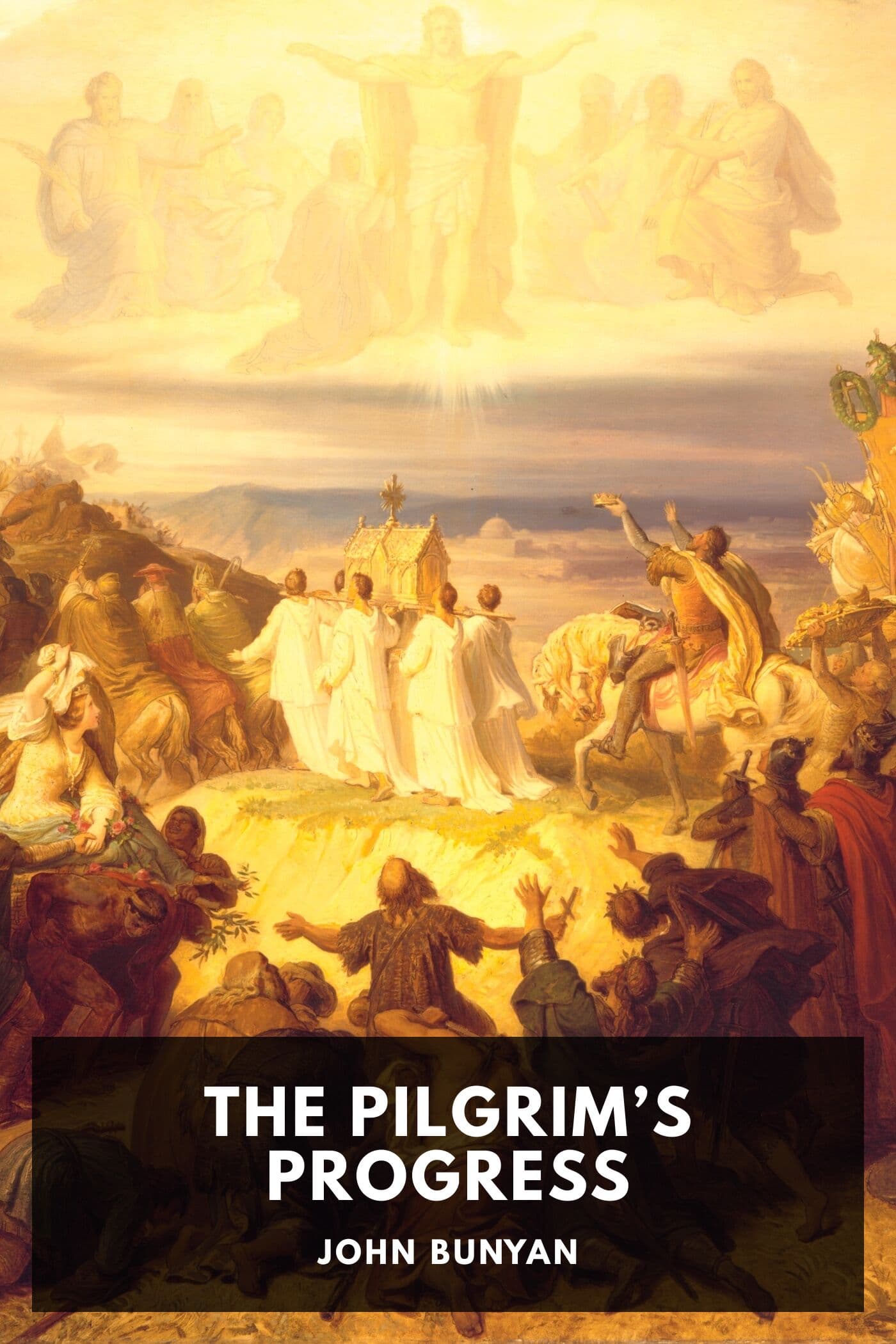
The Pharisee and the Publican, written by John Bunyan in the early 17th century, is a theological discourse based on the parable from the Gospel of Luke. It contrasts the self-righteousness of a Pharisee with the humble repentance of a Publican (tax collector), illustrating themes of pride, mercy, and the nature of true faith. Bunyan critiques the Pharisee's self-deception and emphasizes that genuine righteousness comes from acknowledging one's need for God's grace rather than relying on personal merit. This work invites reflection on the complexities of salvation and the importance of humility in prayer.
Editions
X-Ray
“I did it my own self to gratify.””
— John Bunyan
“he loves me with love that passeth knowledge, and I will love him. His love stripped him of all for my sake; Lord, let my love strip me of all for thy sake. I am a son of love, an object of love, a monument of love; of free love, of distinguishing love, of peculiar love, and of love that passeth knowledge: and why should not I walk in love-in love to God, in love to man, in holy love, in love unfeigned?””
— John Bunyan
Link to this book
Add a free, dofollow link to Lex on your blog, forum, syllabus, or reading list.

<a href="https://lex-books.com/book/the-pharisee-and-the-publican-76d9de8c-c337-4878-bf1b-52840c87767b"><img src="https://lex-books.com/badges/read-on-lex.svg" alt="Read The Pharisee and the Publican by John Bunyan free on Lex" width="160" height="40"></a>[](https://lex-books.com/book/the-pharisee-and-the-publican-76d9de8c-c337-4878-bf1b-52840c87767b)[url=https://lex-books.com/book/the-pharisee-and-the-publican-76d9de8c-c337-4878-bf1b-52840c87767b][img]https://lex-books.com/badges/read-on-lex.svg[/img][/url]Read The Pharisee and the Publican by John Bunyan free on Lex: https://lex-books.com/book/the-pharisee-and-the-publican-76d9de8c-c337-4878-bf1b-52840c87767bCite this book
Reading this edition for a paper or guide? Copy a citation.
Bunyan, John. The Pharisee and the Publican. Lex, lex-books.com/book/the-pharisee-and-the-publican-76d9de8c-c337-4878-bf1b-52840c87767b.Bunyan, J. (n.d.). The Pharisee and the Publican. Lex. https://lex-books.com/book/the-pharisee-and-the-publican-76d9de8c-c337-4878-bf1b-52840c87767bBunyan, John. The Pharisee and the Publican. Lex. https://lex-books.com/book/the-pharisee-and-the-publican-76d9de8c-c337-4878-bf1b-52840c87767b.