The Nibelungenlied: Revised Edition
1757
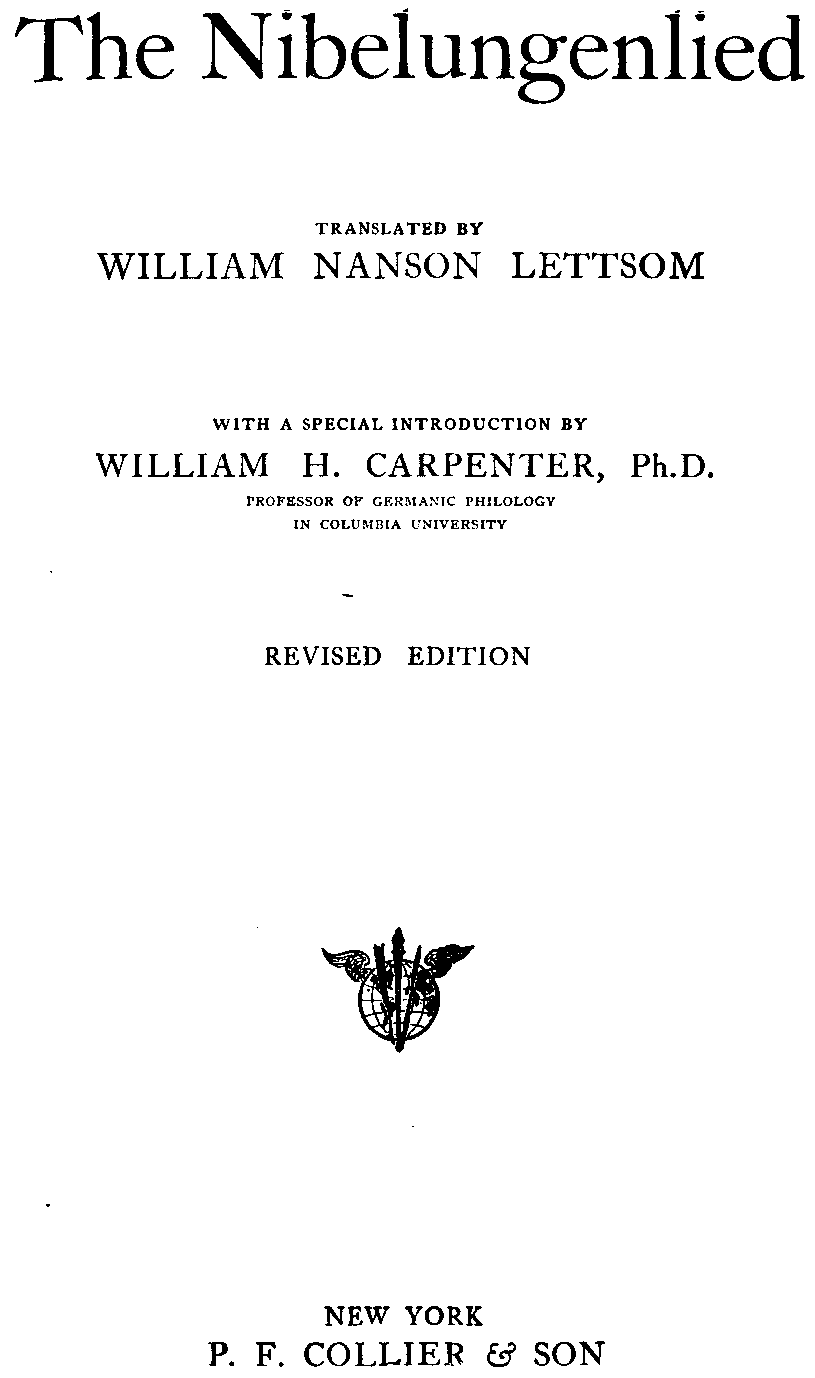
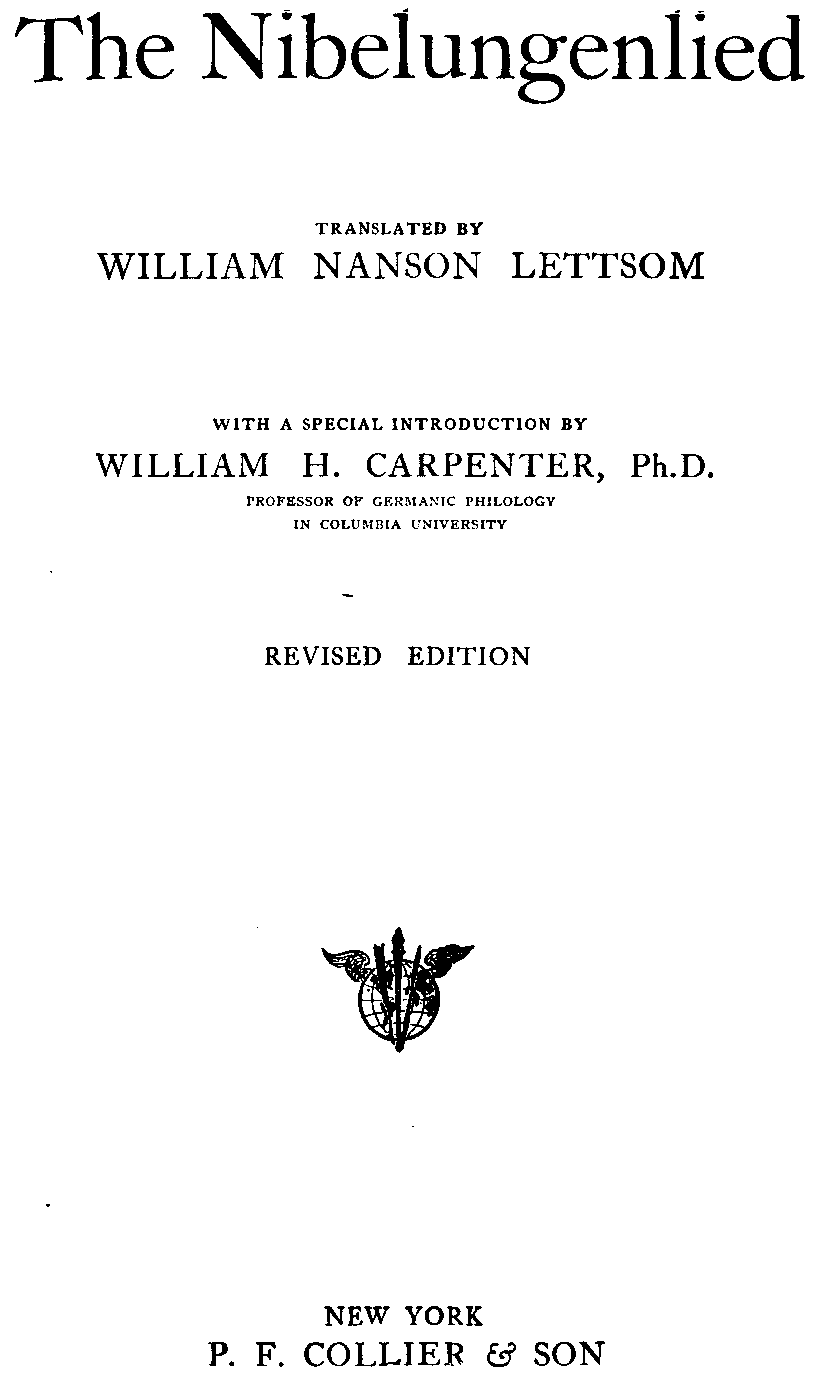
The Nibelungenlied: Revised Edition
1757
Translated by William Nanson Lettsom
A monumental epic poem written in the late 12th century. This work of literature offers a rich tapestry of Germanic mythology and history, focusing on themes of love, betrayal, revenge, and the tragic fate of its characters. The story follows the fates of iconic figures such as Kriemhild, Siegfried, Hagen, and the kings of Burgundy against a backdrop of heroic deeds and ruin. The opening of ''The Nibelungenlied'' introduces us to Kriemhild, a noble maiden of unparalleled beauty and virtue, who is forewarned by a troubling dream that foreshadows tragedy. The narrative establishes her family, the kings of Burgundy, and their noble lineage, highlighting their strength and valor, then shifts to Siegfried, a hero of great renown from the Netherlands. We see the beginnings of Kriemhild and Siegfried's destinies intertwining, setting the stage for the fateful events that will lead to conflict and tragedy. The tone is both epic and intimate, as it merges grand historical themes with personal narratives, effectively foreshadowing the chaos that will ensue as loyalties are tested and vengeance is sought.
Editions
X-Ray
A Burgundian princess who becomes the central figure of the epic. Initially portrayed as a beautiful maiden, she transforms into a vengeful queen after her husband Siegfried's murder. She marries King Etzel of the Huns to gain power for revenge.
The heroic prince of the Netherlands, possessing supernatural strength and invulnerability from bathing in dragon's blood. He wins Kriemhild's hand and helps Gunther win Brunhild, but is treacherously murdered by Hagan.
The grim knight of Trony, Gunther's chief vassal and counselor. He murders Siegfried out of loyalty to his king and fear of Siegfried's power. He represents the old heroic code of absolute loyalty to one's lord.
King of Burgundy and Kriemhild's brother. A weak ruler who depends on Hagan's counsel and allows Siegfried's murder. He struggles between family loyalty and political necessity.
About The Nibelungenlied: Revised Edition
Chapter Summaries
- 1
- Introduces Kriemhild, the beautiful Burgundian princess, and her prophetic dream of a falcon torn apart by eagles, which her mother interprets as foretelling the fate of her future husband. Kriemhild initially rejects the idea of marriage.
- 2
- Introduces Siegfried, the heroic prince of the Netherlands, describing his youth, strength, and the ceremony of his knighthood. His reputation for valor and his supernatural abilities are established.
- 3
- Siegfried travels to the Burgundian court to woo Kriemhild. He challenges Gunther to combat but is diplomatically received. Hagan recognizes him and recounts his legendary deeds, including slaying the Nibelungs and a dragon.
Key Themes
- Revenge and Justice
- The driving force of the epic is Kriemhild's relentless pursuit of vengeance for Siegfried's murder. The work explores whether personal revenge can ever truly bring justice and the terrible cost of pursuing it.
- Loyalty and Betrayal
- The tension between different forms of loyalty—to family, lord, and personal honor—creates the tragic conflicts. Hagan's loyalty to Gunther leads him to betray Siegfried, while Kriemhild's loyalty to Siegfried's memory drives her to betray her family.
- Honor and Shame
- Medieval concepts of honor drive the characters' actions, from Brunhild's shame at being deceived to Kriemhild's need to restore her honor through revenge. The pursuit of honor often leads to destruction.
Characters
- Kriemhild(protagonist)
- A Burgundian princess who becomes the central figure of the epic. Initially portrayed as a beautiful maiden, she transforms into a vengeful queen after her husband Siegfried's murder. She marries King Etzel of the Huns to gain power for revenge.
- Siegfried(major)
- The heroic prince of the Netherlands, possessing supernatural strength and invulnerability from bathing in dragon's blood. He wins Kriemhild's hand and helps Gunther win Brunhild, but is treacherously murdered by Hagan.
- Hagan(antagonist)
- The grim knight of Trony, Gunther's chief vassal and counselor. He murders Siegfried out of loyalty to his king and fear of Siegfried's power. He represents the old heroic code of absolute loyalty to one's lord.
- Gunther(major)
- King of Burgundy and Kriemhild's brother. A weak ruler who depends on Hagan's counsel and allows Siegfried's murder. He struggles between family loyalty and political necessity.
- Brunhild(major)
- The warrior queen of Iceland, possessing supernatural strength. She is won by Gunther through Siegfried's secret help, but her discovery of this deception leads to the tragic events of the epic.
- Etzel(major)
- The mighty King of the Huns, based on the historical Attila. He marries Kriemhild and unknowingly becomes the instrument of her revenge against the Burgundians.
Link to this book
Add a free, dofollow link to Lex on your blog, forum, syllabus, or reading list.

<a href="https://lex-books.com/book/the-nibelungenlied-revised-edition-f3e6c7eb-7fec-4fac-a8e0-059b03488c06"><img src="https://lex-books.com/badges/read-on-lex.svg" alt="Read The Nibelungenlied: Revised Edition by William H. Carpenter free on Lex" width="160" height="40"></a>[](https://lex-books.com/book/the-nibelungenlied-revised-edition-f3e6c7eb-7fec-4fac-a8e0-059b03488c06)[url=https://lex-books.com/book/the-nibelungenlied-revised-edition-f3e6c7eb-7fec-4fac-a8e0-059b03488c06][img]https://lex-books.com/badges/read-on-lex.svg[/img][/url]Read The Nibelungenlied: Revised Edition by William H. Carpenter free on Lex: https://lex-books.com/book/the-nibelungenlied-revised-edition-f3e6c7eb-7fec-4fac-a8e0-059b03488c06Cite this book
Reading this edition for a paper or guide? Copy a citation.
Carpenter, William H.. The Nibelungenlied: Revised Edition. Lex, lex-books.com/book/the-nibelungenlied-revised-edition-f3e6c7eb-7fec-4fac-a8e0-059b03488c06.Carpenter, W. H. (1757). The Nibelungenlied: Revised Edition. Lex. https://lex-books.com/book/the-nibelungenlied-revised-edition-f3e6c7eb-7fec-4fac-a8e0-059b03488c06Carpenter, William H.. The Nibelungenlied: Revised Edition. Lex. https://lex-books.com/book/the-nibelungenlied-revised-edition-f3e6c7eb-7fec-4fac-a8e0-059b03488c06.