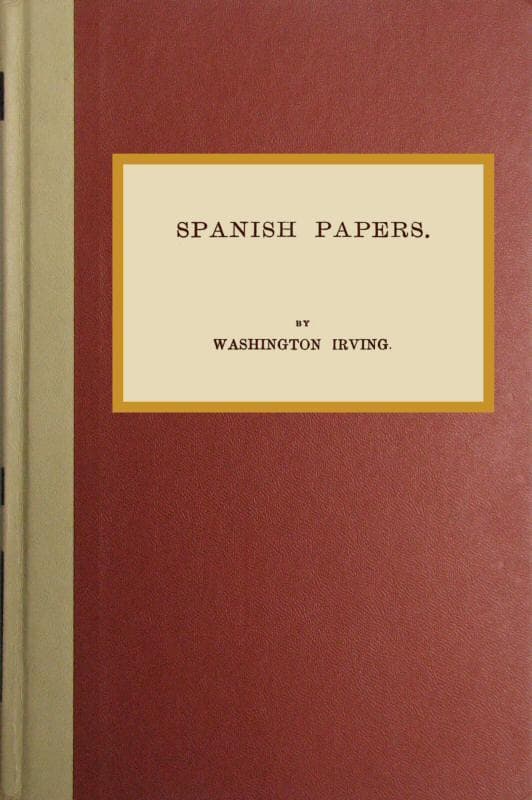
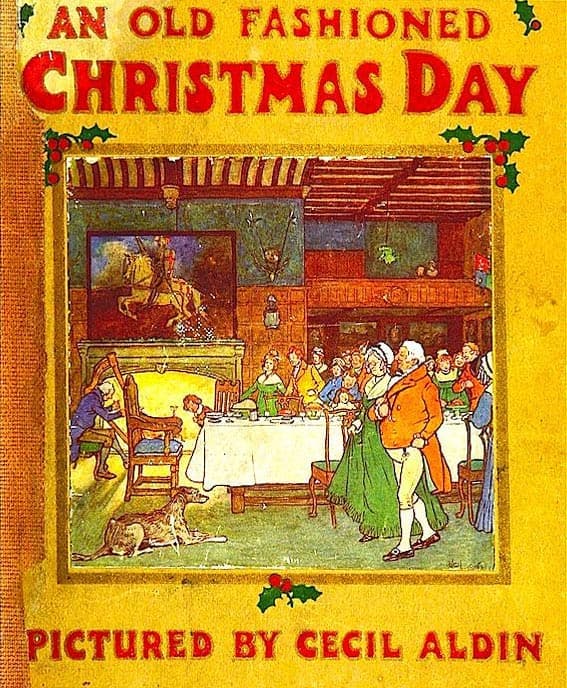
The Legend of Sleepy Hollow
1820
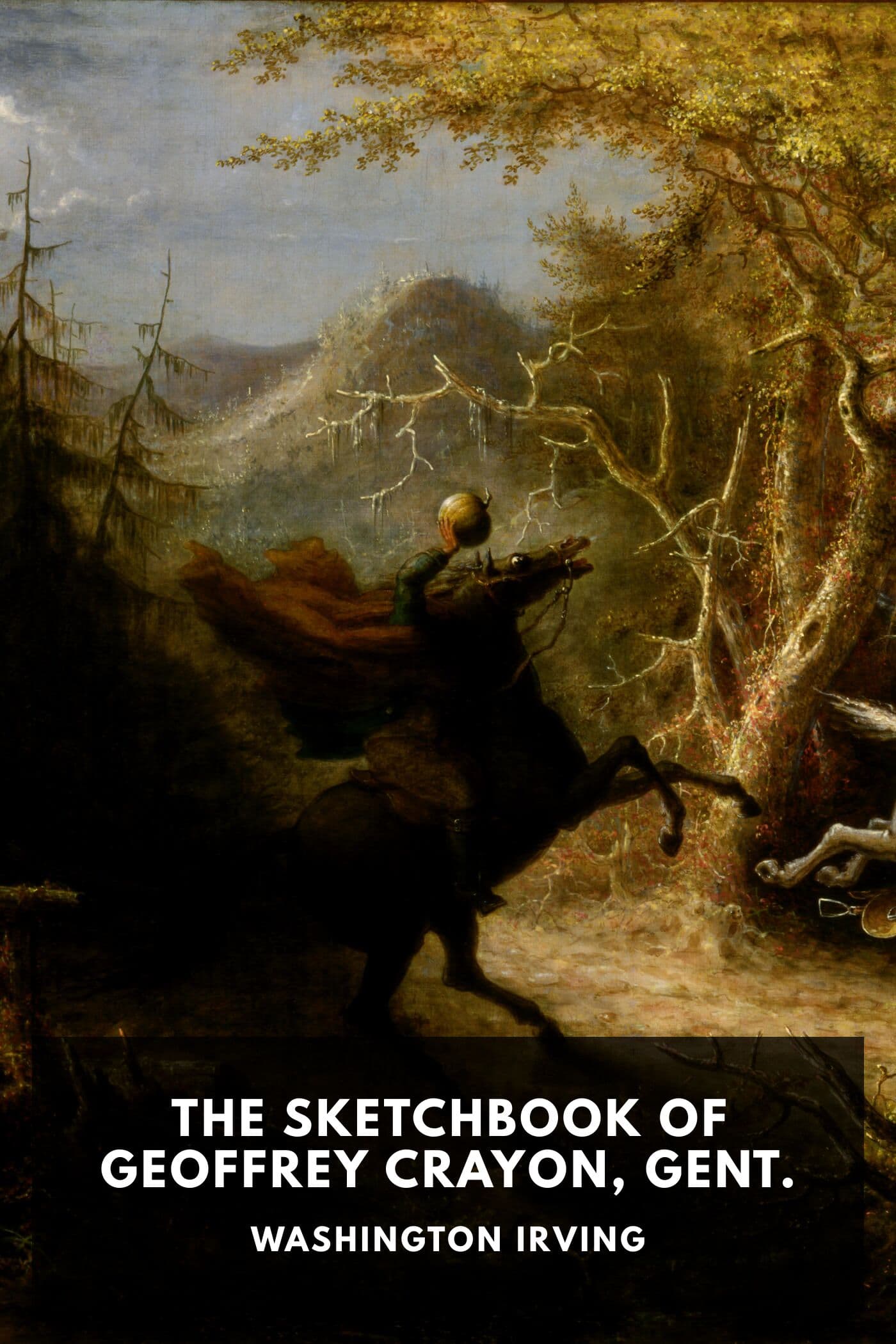
In the remote Dutch settlements of the Hudson Valley, where moss-green legends cling to every groaning tree and moonlit millpond, there lives a specter that has haunted American imagination for two centuries. Washington Irving's 1820 masterpiece introduced the world to the Headless Horseman, a Hessian soldier whose ghostly midnight rides through Sleepy Hollow have become synonymous with American Halloween itself. Ichabod Crane arrives in this enchanted glen not as a hero but as something far more interesting: a lanky, ambitious schoolteacher with an overflowing stomach and an even more overflowing imagination. The stories the locals tell about specters and Indian demons send him trembling through the woods, singing hymns to keep his courage up. Yet he cannot resist pursuing Katrina Van Tassel, the daughter of a wealthy Dutch farmer, despite competition from the burly, trickster Brom Bones. The story's famous climax a midnight ride through the hollow, a ghoul in pursuit has terrified and delighted readers for two hundred years. Irving's masterpiece endures because it operates on every level: ghost story, romantic comedy, satire of credulity, and meditation on how the past haunts the present.
Editions
X-Ray
“I profess not to know how women's hearts are wooed and won. To me they have always been matters of riddle and admiration.””
— Washington Irving
“All these, however, were mere terrors of the night, phantoms of the mind that walk in darkness; and though he had seen many spectres in his time, and been more than once beset by Satan in divers shapes, in his lonely pre-ambulations, yet daylight put an end to all these evils; and he would have passed a pleasent life of it, in despite of the devil and all his works, if his path had not been crossed by a being that causes more perplexity to mortal man than ghosts, goblins, and the whole race of witches put together, and that was - a woman.””
— Washington Irving
“Others may write from the head, but he writes from the heart, and the heart will always understand him.””
— Washington Irving
“There are certain half-dreaming moods of mind in which we naturally steal away from noise and glare, and seek some quiet haunt where we may indulge our reveries and build our air castles undisturbed.””
— Washington Irving
“and he would have passed a pleasant life of it, in despite of the Devil and all his works, if his path had not been crossed by a being that causes more perplexity to mortal man than ghosts, goblins, and the whole race of witches put together, and that was”
— Washington Irving
“...ducks and geese are foolish things, and must be looked after, but girls can take care of themselves.””
— Washington Irving
“And if unhappy in her love, her heart is like some fortress that has been captured, and sacked, and abandoned, and left desolate...””
— Washington Irving
“Some minds corrode and grow inactive under the loss of personal liberty; others grow morbid and irritable; but it is the nature of the poet to become tender and imaginitive in the loneliness of confinement. He banquets upon the honey of his own thoughts, and, like the captive bird, pours forth his soul in melody.””
— Washington Irving
“There is nothing like the silence and loneliness of night to bring dark shadows over the brightest mind.””
— Washington Irving
Link to this book
Add a free, dofollow link to Lex on your blog, forum, syllabus, or reading list.

<a href="https://lex-books.com/book/the-legend-of-sleepy-hollow-822c8b7c-9960-4ee2-982e-a0c7b7d2b688"><img src="https://lex-books.com/badges/read-on-lex.svg" alt="Read The Legend of Sleepy Hollow by Washington Irving free on Lex" width="160" height="40"></a>[](https://lex-books.com/book/the-legend-of-sleepy-hollow-822c8b7c-9960-4ee2-982e-a0c7b7d2b688)[url=https://lex-books.com/book/the-legend-of-sleepy-hollow-822c8b7c-9960-4ee2-982e-a0c7b7d2b688][img]https://lex-books.com/badges/read-on-lex.svg[/img][/url]Read The Legend of Sleepy Hollow by Washington Irving free on Lex: https://lex-books.com/book/the-legend-of-sleepy-hollow-822c8b7c-9960-4ee2-982e-a0c7b7d2b688Cite this book
Reading this edition for a paper or guide? Copy a citation.
Irving, Washington. The Legend of Sleepy Hollow. Lex, lex-books.com/book/the-legend-of-sleepy-hollow-822c8b7c-9960-4ee2-982e-a0c7b7d2b688.Irving, W. (1820). The Legend of Sleepy Hollow. Lex. https://lex-books.com/book/the-legend-of-sleepy-hollow-822c8b7c-9960-4ee2-982e-a0c7b7d2b688Irving, Washington. The Legend of Sleepy Hollow. Lex. https://lex-books.com/book/the-legend-of-sleepy-hollow-822c8b7c-9960-4ee2-982e-a0c7b7d2b688.