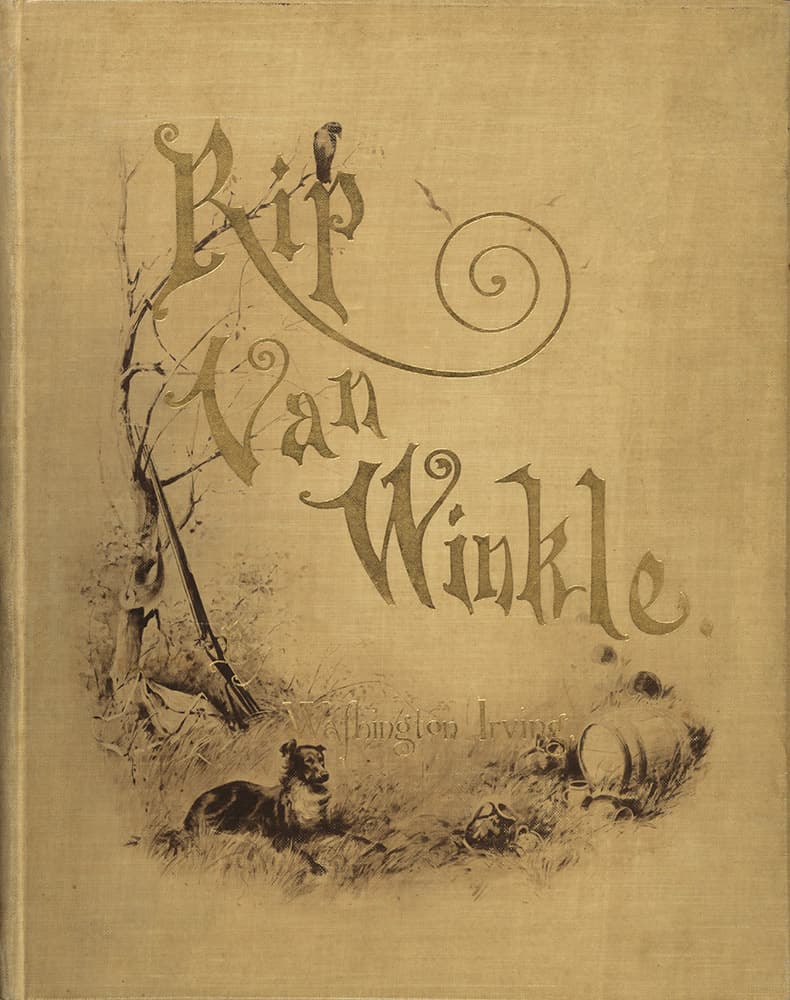
Rip Van Winkle
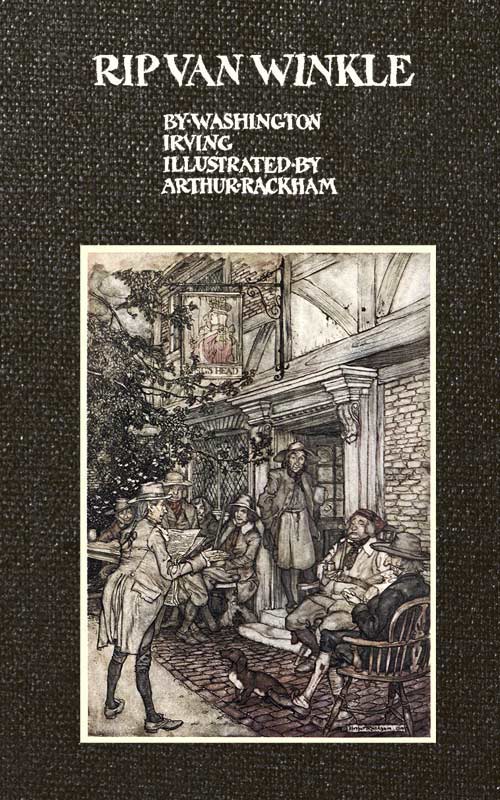
A man walks into the mountains and wakes up twenty years later. That's the simple skeleton of Washington Irving's ghostly, gentle fairy tale, but what lies beneath is something stranger and sadder than any straightforward story of time travel. Rip Van Winkle, a contented but idle Dutch villager, escapes his scolding wife into the Catskills where he encounters spectral bowlers in the mist, drinks enchanted liquor, and slumbers on the mountain like the dead. When he returns to his village, everything has transformed: his wife is gone, his children are grown, the king has become a republic, and he is a stranger in a world that has moved on without him. Irving writes with a dreamer's rhythm, layering humor over loss, colonial Dutch charm over something more unsettling. The story asks what happens to a man when everything that defined him disappears overnight, when he sleeps through the making of a nation. It endures because it captures something true about time, memory, and the terror of finding yourself obsolete in your own life.
Editions
X-Ray
“A tart temper never mellows with age, and a sharp tongue is the only edged tool that grows keener with constant use.””
— Washington Irving
“But what courage can withstand the ever-during and all-besetting terrors of a woman's tongue?””
— Washington Irving
“Я заметил уже, что это был простой, добродушный малый; больше того, он был хороший сосед и покорный, забитый супруг. Последнему обстоятельству он и был обязан, по-видимому, той кроткостью духа, которая снискала ему всеобщую любовь и широкую популярность, ибо наиболее услужливыми и покладистыми вне своего дома оказываются мужчины, привыкшие повиноваться сварливым и вечно бранящимся женам. Их нрав, пройдя через огненное горнило домашних невзгод, становится, вне всякого сомнения, гибким и податливым, ибо супружеские нахлобучки лучше всех проповедей на свете научают человека добродетели терпения и послушания. Вот почему сварливую жену в некоторых отношениях можно считать благословением неба, а раз так, Рип ван Винкль был благословен трижды.””
— Washington Irving
“would rather starve on a penny than work for a pound.””
— Washington Irving
Link to this book
Add a free, dofollow link to Lex on your blog, forum, syllabus, or reading list.

<a href="https://lex-books.com/book/rip-van-winkle-5fc8d007-ed6f-430c-8b53-191f741e4391"><img src="https://lex-books.com/badges/read-on-lex.svg" alt="Read Rip Van Winkle by Washington Irving free on Lex" width="160" height="40"></a>[](https://lex-books.com/book/rip-van-winkle-5fc8d007-ed6f-430c-8b53-191f741e4391)[url=https://lex-books.com/book/rip-van-winkle-5fc8d007-ed6f-430c-8b53-191f741e4391][img]https://lex-books.com/badges/read-on-lex.svg[/img][/url]Read Rip Van Winkle by Washington Irving free on Lex: https://lex-books.com/book/rip-van-winkle-5fc8d007-ed6f-430c-8b53-191f741e4391Cite this book
Reading this edition for a paper or guide? Copy a citation.
Irving, Washington. Rip Van Winkle. Lex, lex-books.com/book/rip-van-winkle-5fc8d007-ed6f-430c-8b53-191f741e4391.Irving, W. (n.d.). Rip Van Winkle. Lex. https://lex-books.com/book/rip-van-winkle-5fc8d007-ed6f-430c-8b53-191f741e4391Irving, Washington. Rip Van Winkle. Lex. https://lex-books.com/book/rip-van-winkle-5fc8d007-ed6f-430c-8b53-191f741e4391.