The Jungle
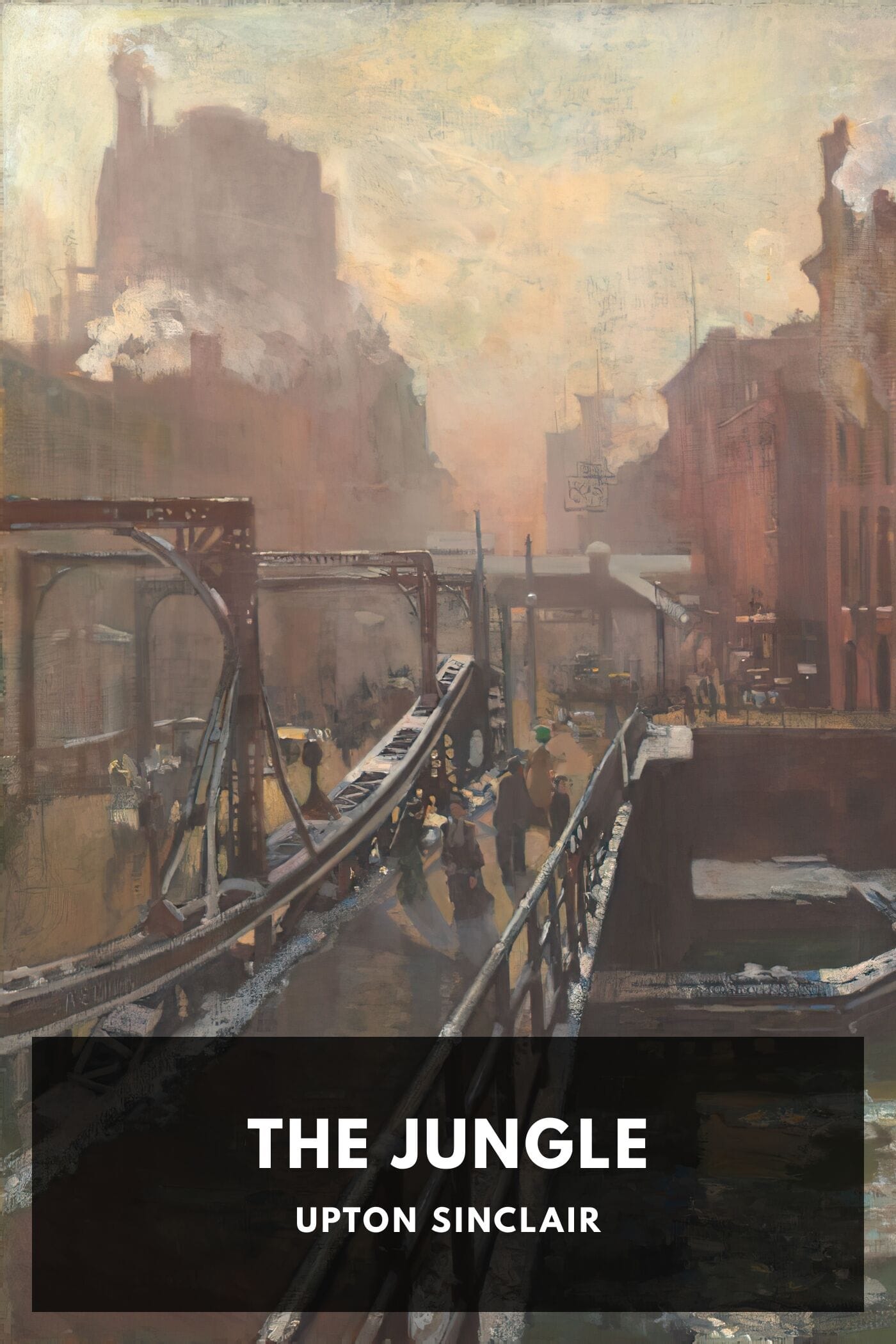
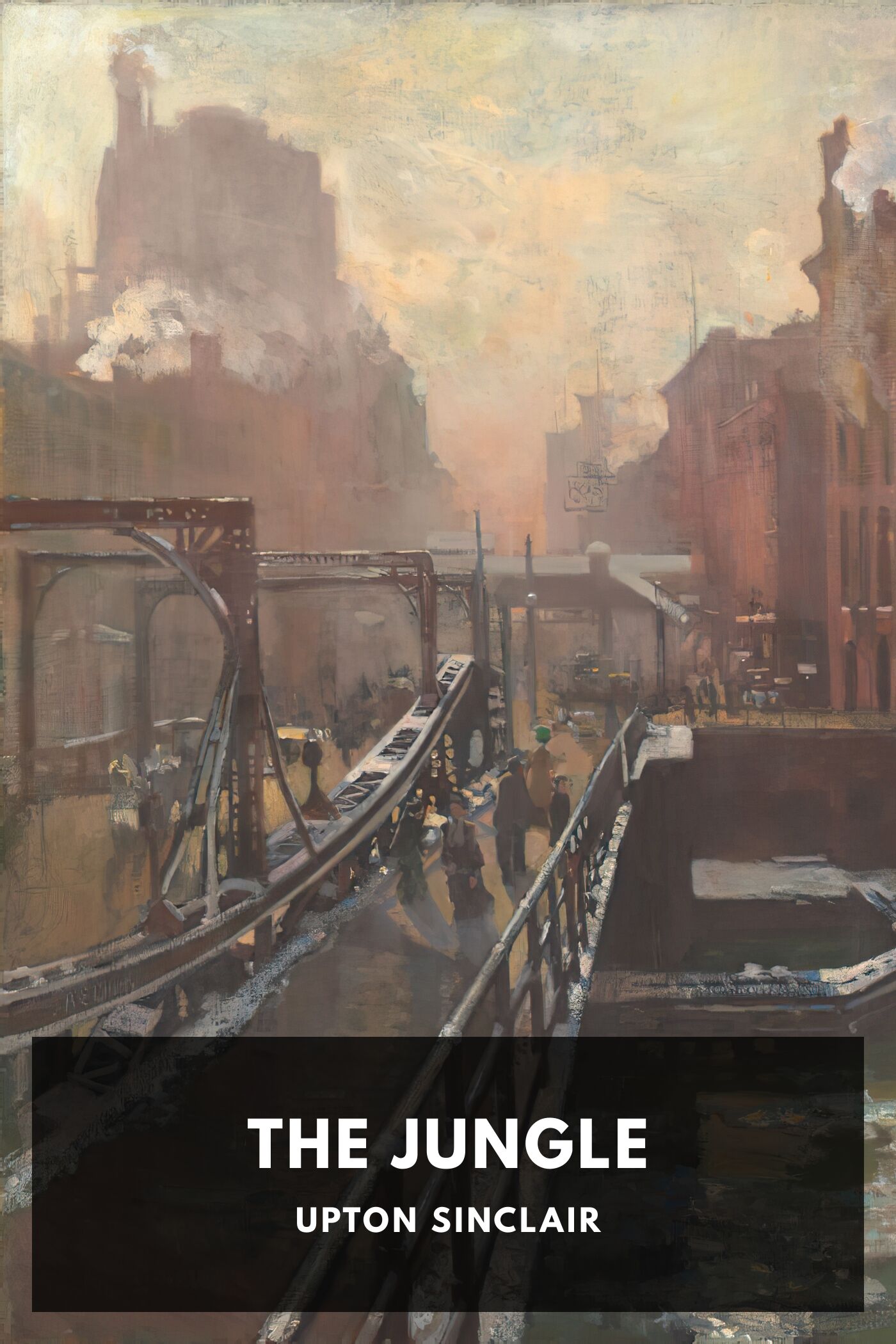
Upton Sinclair's searing 1906 novel plunges into the brutal world of Lithuanian immigrants in early 20th-century Chicago, following the tragic fortunes of Jurgis Rudkus and his family as they navigate the treacherous landscape of the stockyards. What begins as a hopeful pursuit of the American Dream quickly devolves into a nightmare of relentless exploitation, poverty, and systemic corruption. Sinclair meticulously exposes the horrific conditions of the meatpacking industry, from unsanitary practices to the dehumanizing treatment of its workforce, crafting a devastating indictment of industrial capitalism through the lens of one family's shattered lives. More than a century later, *The Jungle* remains a potent and uncomfortable read, not just for its visceral depiction of industrial squalor, but for its enduring relevance to issues of labor rights, immigration, and food safety. Its 'muckraking' prose, unflinching and direct, famously spurred legislative change—the Meat Inspection Act and the Pure Food and Drug Act—and solidified its place as a landmark work of social realism. Sinclair’s powerful narrative, though overtly socialist in its critique, transcends ideology to deliver a profoundly human story of struggle, resilience, and the devastating cost of progress.
Editions
Link to this book
Add a free, dofollow link to Lex on your blog, forum, syllabus, or reading list.

<a href="https://lex-books.com/book/the-jungle-de087917-0575-4636-97f0-a11d6ace7f8b"><img src="https://lex-books.com/badges/read-on-lex.svg" alt="Read The Jungle by Upton Sinclair free on Lex" width="160" height="40"></a>[](https://lex-books.com/book/the-jungle-de087917-0575-4636-97f0-a11d6ace7f8b)[url=https://lex-books.com/book/the-jungle-de087917-0575-4636-97f0-a11d6ace7f8b][img]https://lex-books.com/badges/read-on-lex.svg[/img][/url]Read The Jungle by Upton Sinclair free on Lex: https://lex-books.com/book/the-jungle-de087917-0575-4636-97f0-a11d6ace7f8bCite this book
Reading this edition for a paper or guide? Copy a citation.
Sinclair, Upton. The Jungle. Lex, lex-books.com/book/the-jungle-de087917-0575-4636-97f0-a11d6ace7f8b.Sinclair, U. (n.d.). The Jungle. Lex. https://lex-books.com/book/the-jungle-de087917-0575-4636-97f0-a11d6ace7f8bSinclair, Upton. The Jungle. Lex. https://lex-books.com/book/the-jungle-de087917-0575-4636-97f0-a11d6ace7f8b.