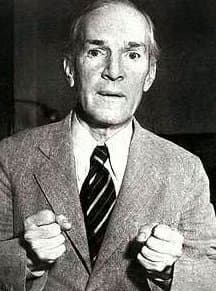
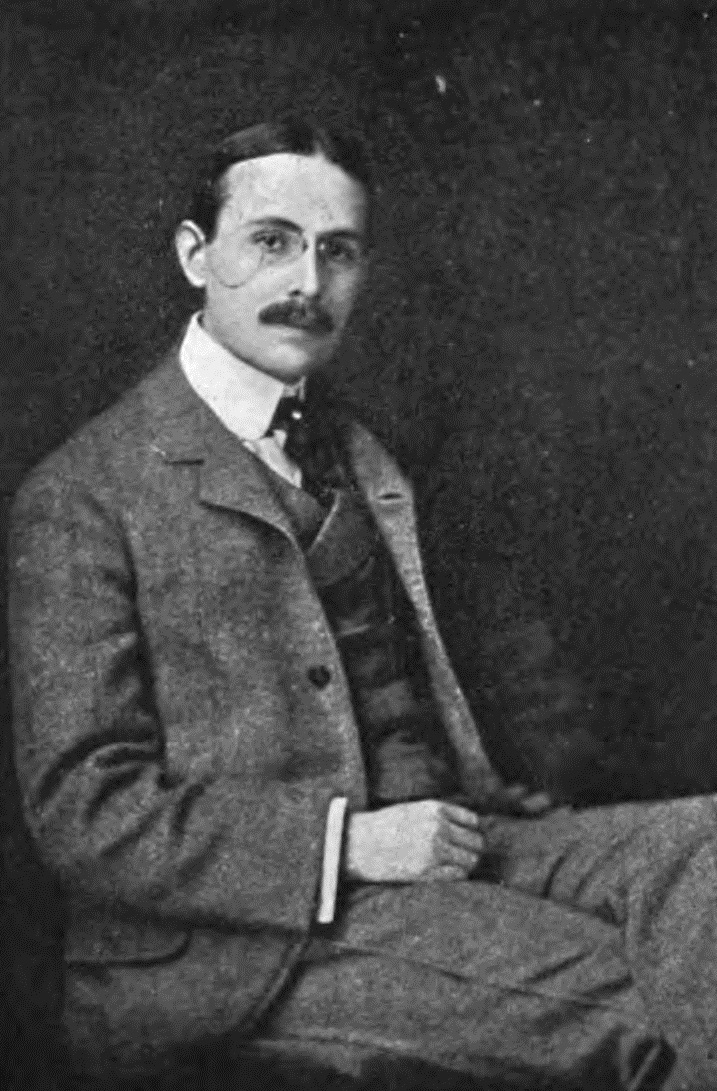
Upton Sinclair
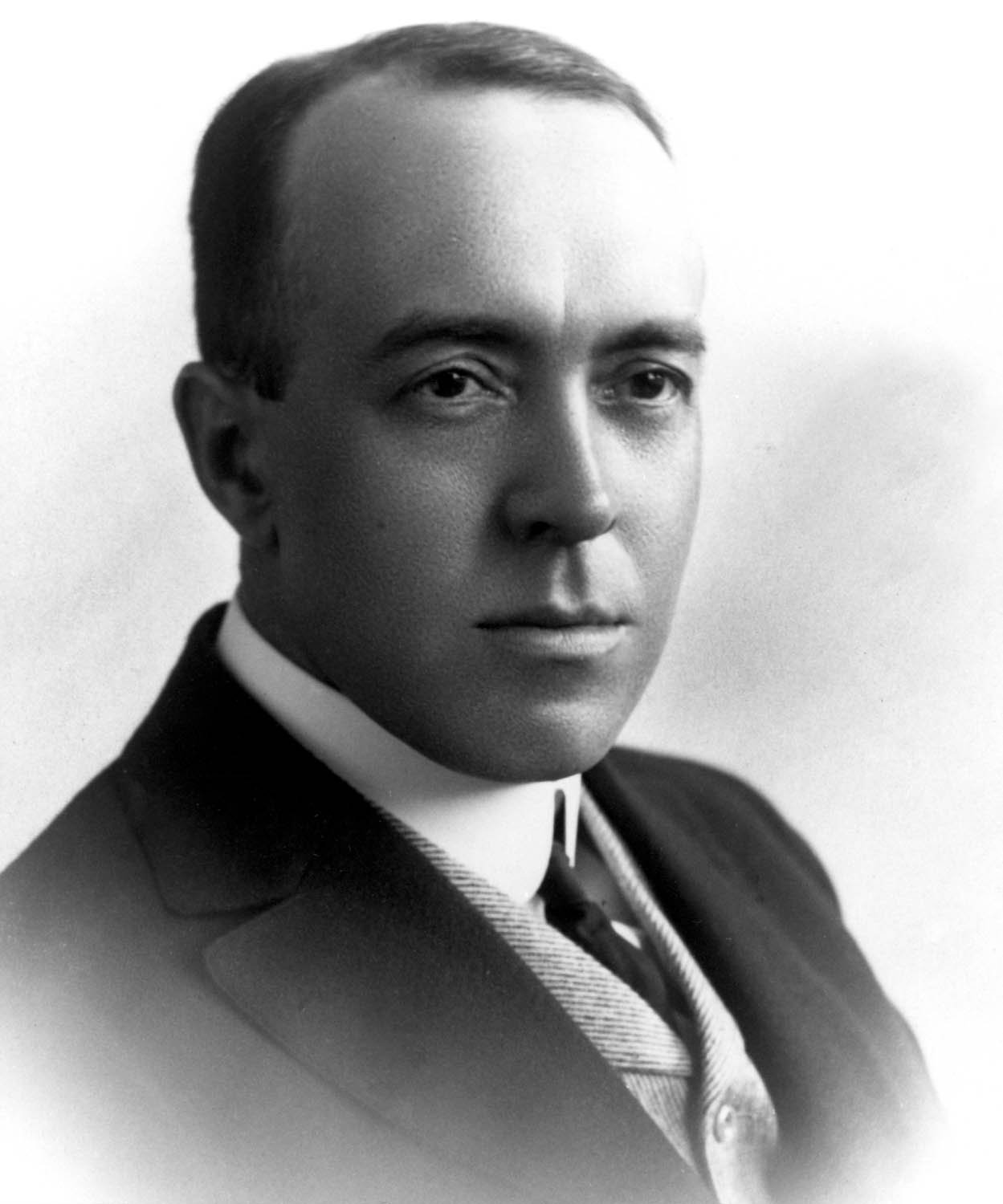
Upton Sinclair was an influential American author, muckraker journalist, and political activist, renowned for his commitment to social reform through literature. Born in 1878, he gained widespread recognition with his 1906 novel, The Jungle, which exposed the horrific labor and sanitary conditions in the U.S. meatpacking industry. This groundbreaking work not only stirred public outrage but also played a significant role in the enactment of the Pure Food and Drug Act and the Meat Inspection Act later that same year. Sinclair's literary contributions extended beyond fiction; his 1919 exposé, The Brass Check, critiqued American journalism and highlighted the challenges of maintaining a free press, ultimately leading to the establishment of the first code of ethics for journalists in the U.S. Throughout his prolific career, Sinclair authored nearly 100 works across various genres, including notable titles like King Coal, Oil!, and The Flivver King. His writings often depicted the struggles of the working class and critiqued the excesses of industrial capitalism, reflecting the complexities of the Progressive Era. Sinclair's legacy is marked by his ability to intertwine literature with activism, as he sought to illuminate social injustices and advocate for progressive reforms. His famous quote, "It is difficult to get a man to understand something, when his salary depends upon his not understanding it," encapsulates his critique of systemic issues in society and remains relevant in discussions of ethics and accountability in journalism and politics.
Famous Quotes
View all 17 quotes“It is difficult to get a man to understand something, when his salary depends on his not understanding it.””
“I aimed at the public's heart, and by accident I hit it in the stomach.””
“Fascism is capitalism plus murder.””
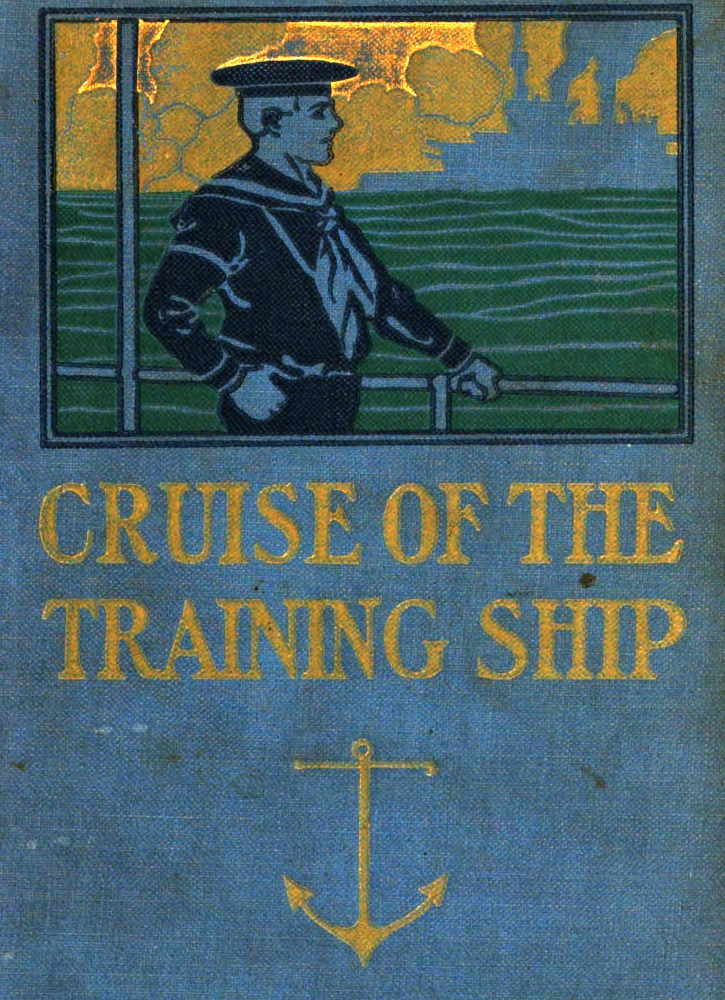
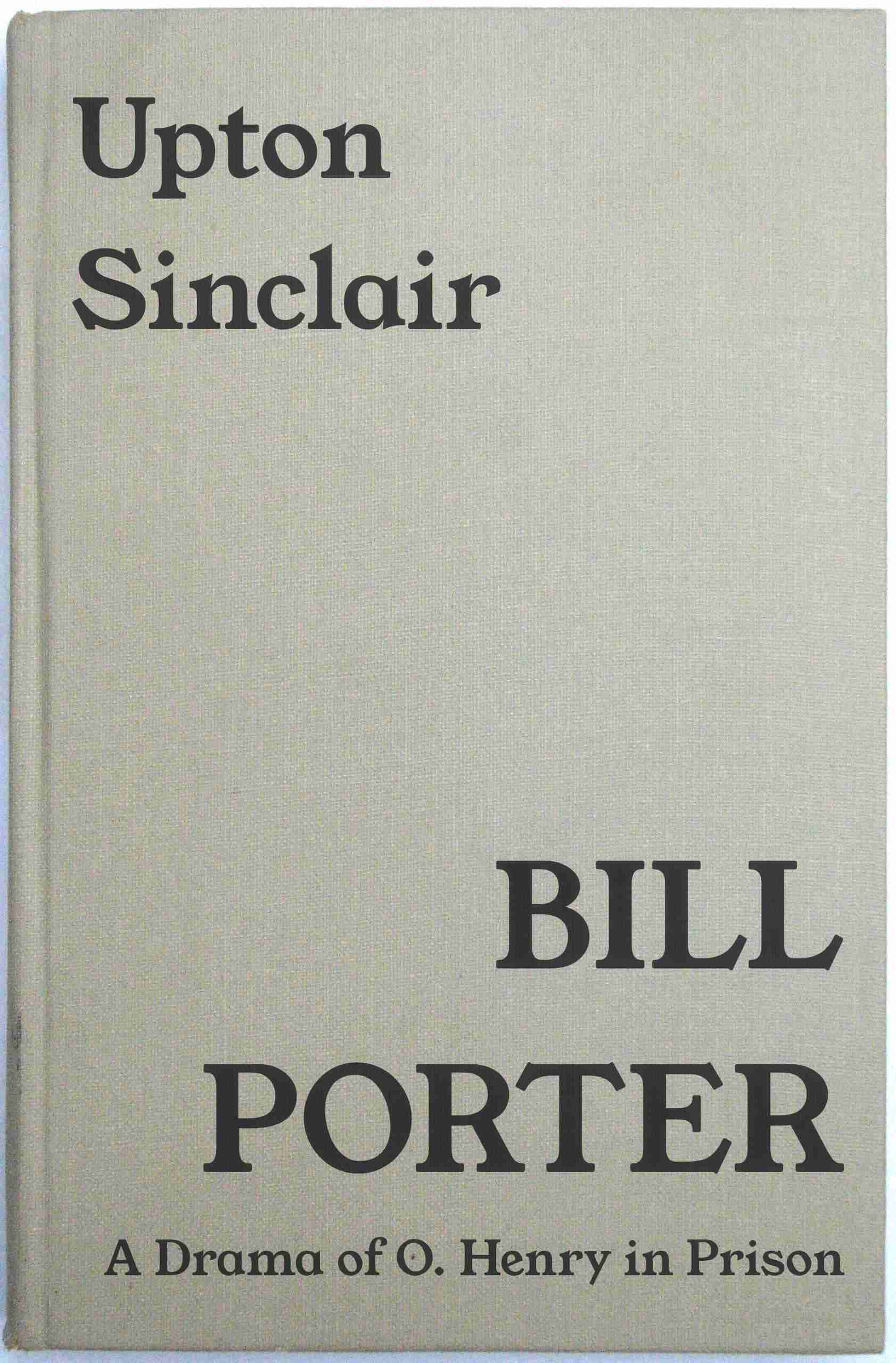
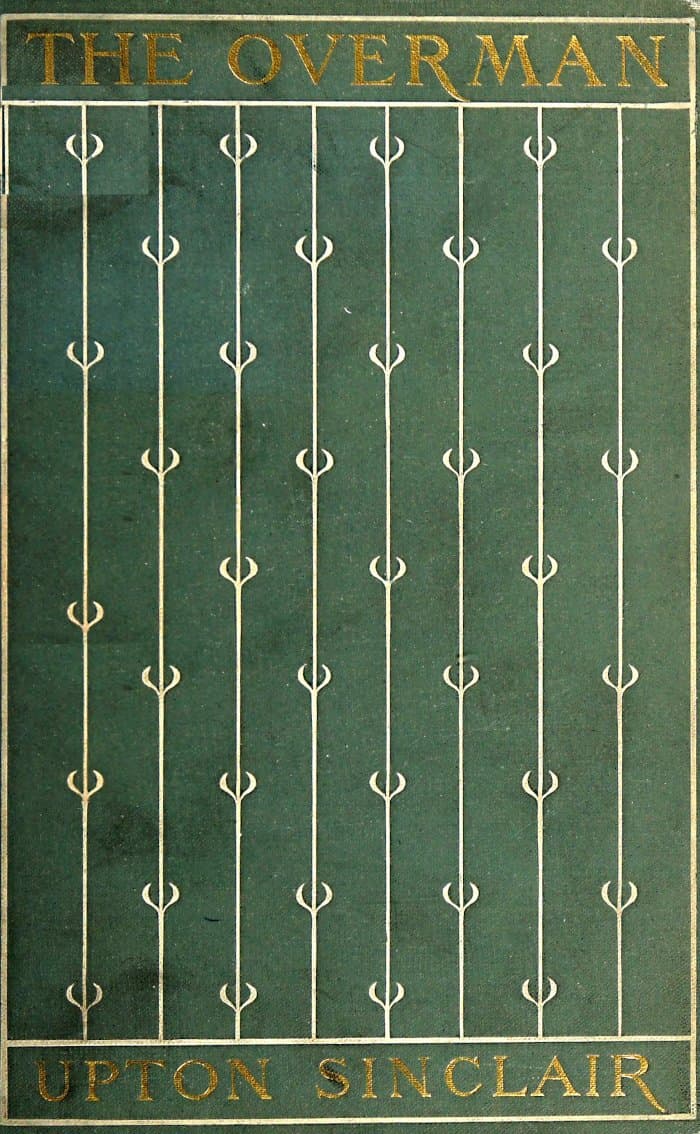
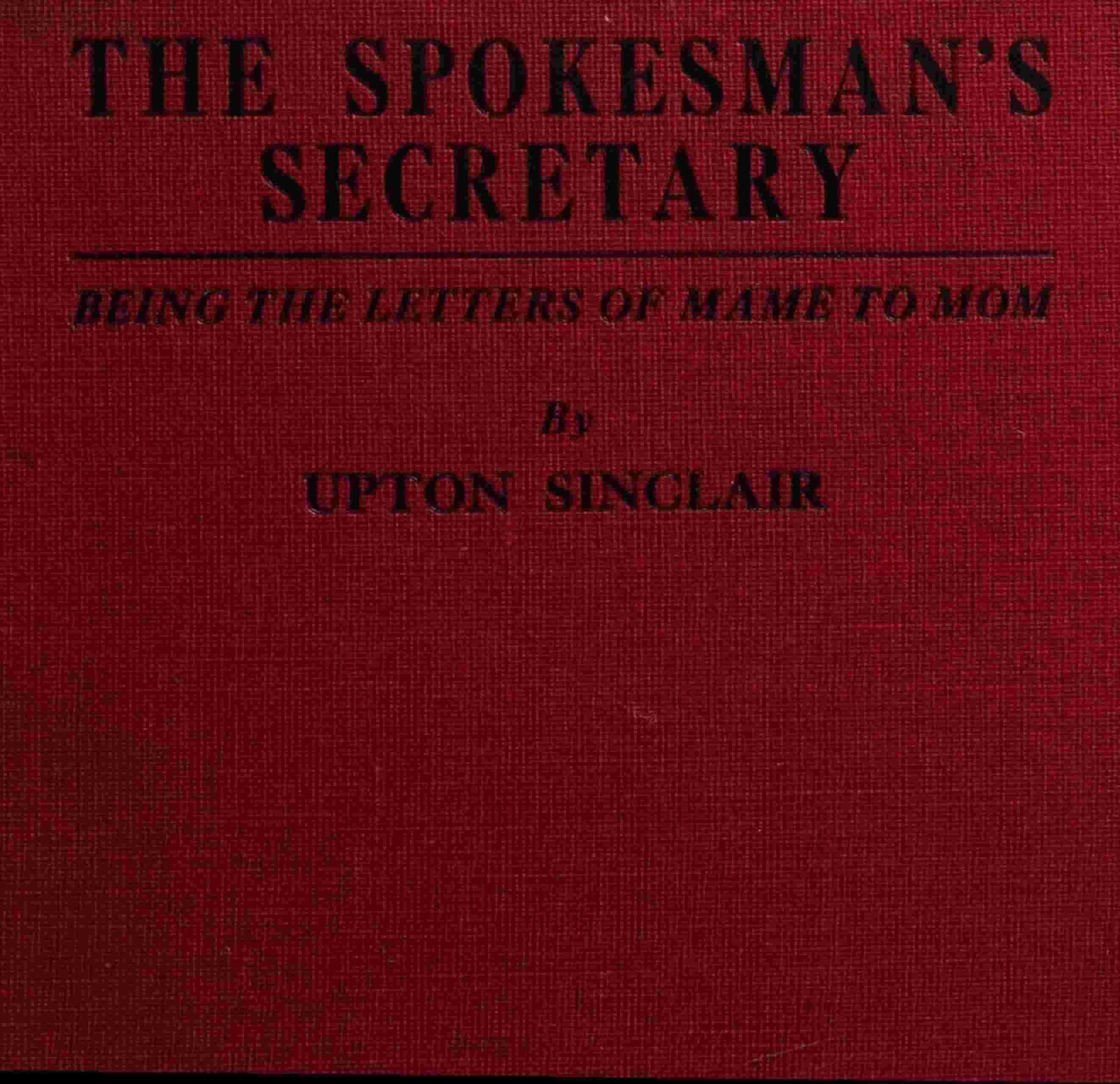
Books from the author
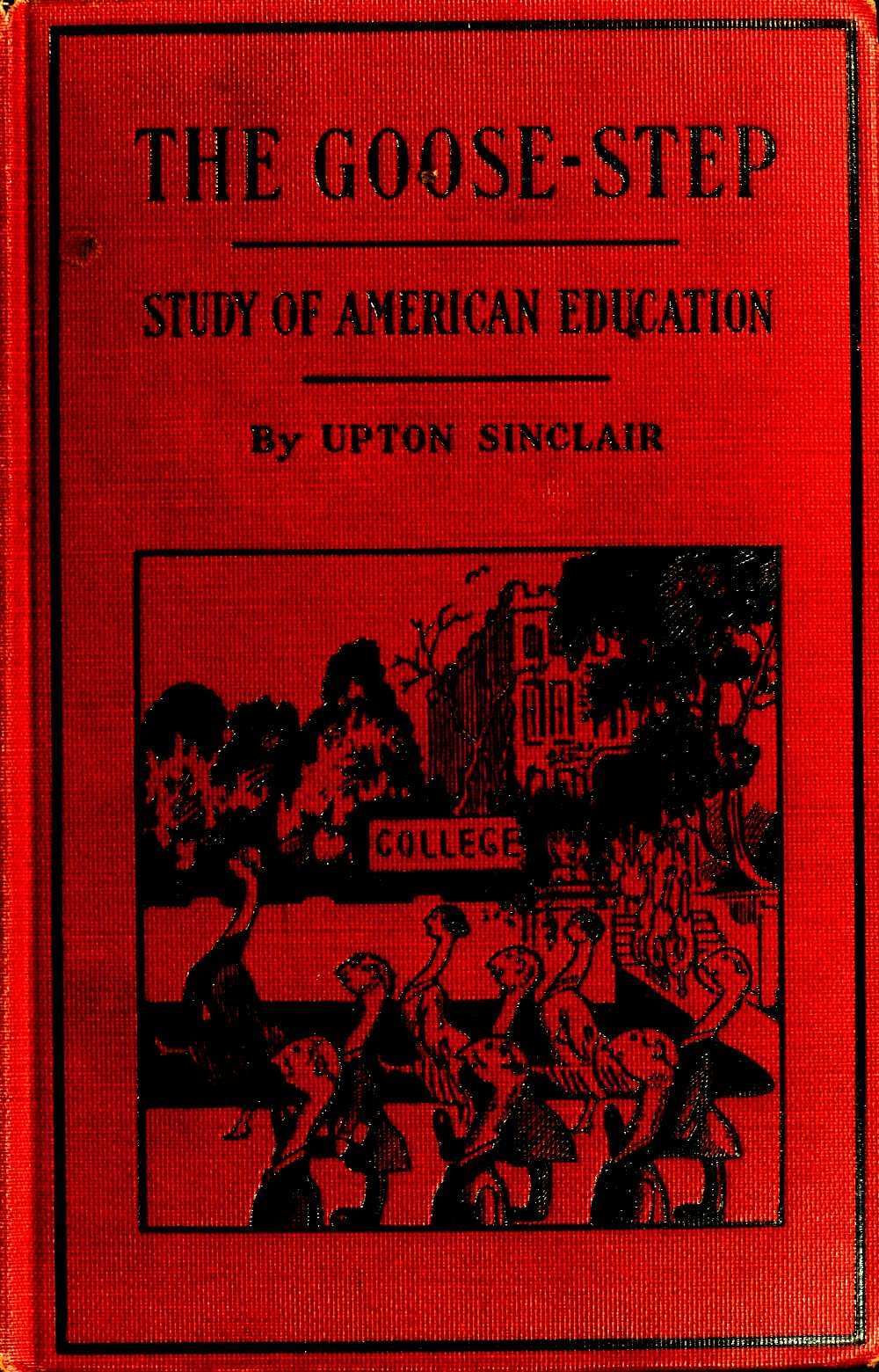





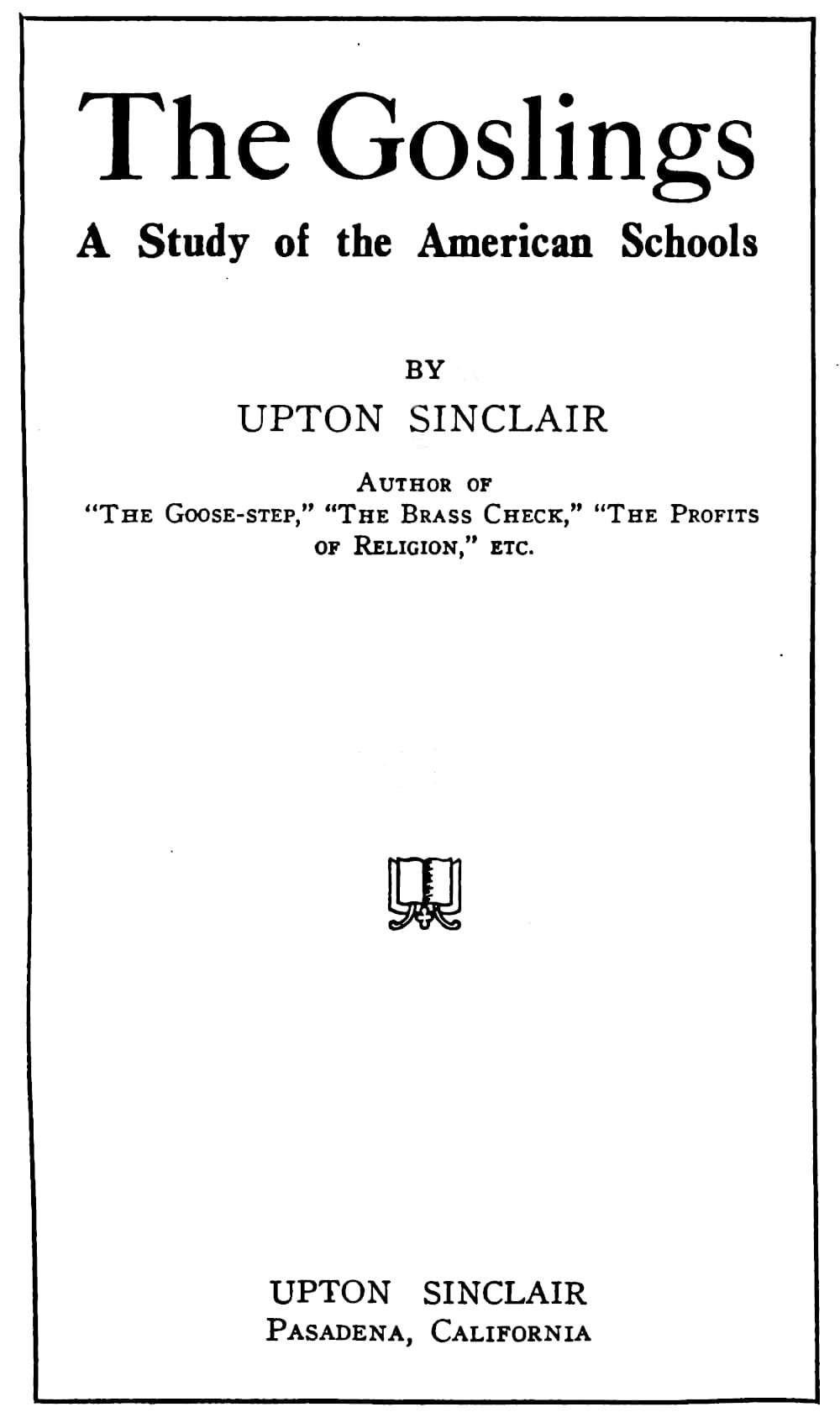
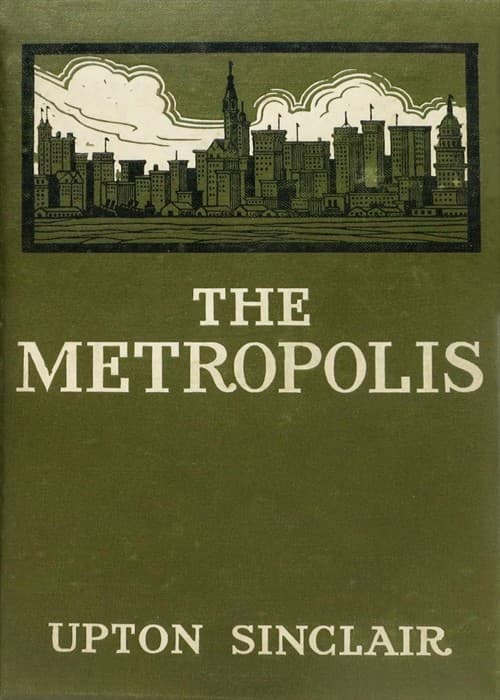







Link to this page
Add a free, dofollow link to Lex on your blog, forum, syllabus, or reading list.

<a href="https://lex-books.com/author/upton-sinclair"><img src="https://lex-books.com/badges/read-on-lex.svg" alt="Upton Sinclair on Lex" width="160" height="40"></a>[](https://lex-books.com/author/upton-sinclair)[url=https://lex-books.com/author/upton-sinclair][img]https://lex-books.com/badges/read-on-lex.svg[/img][/url]Upton Sinclair on Lex: https://lex-books.com/author/upton-sinclair