The Iliad
750 BC
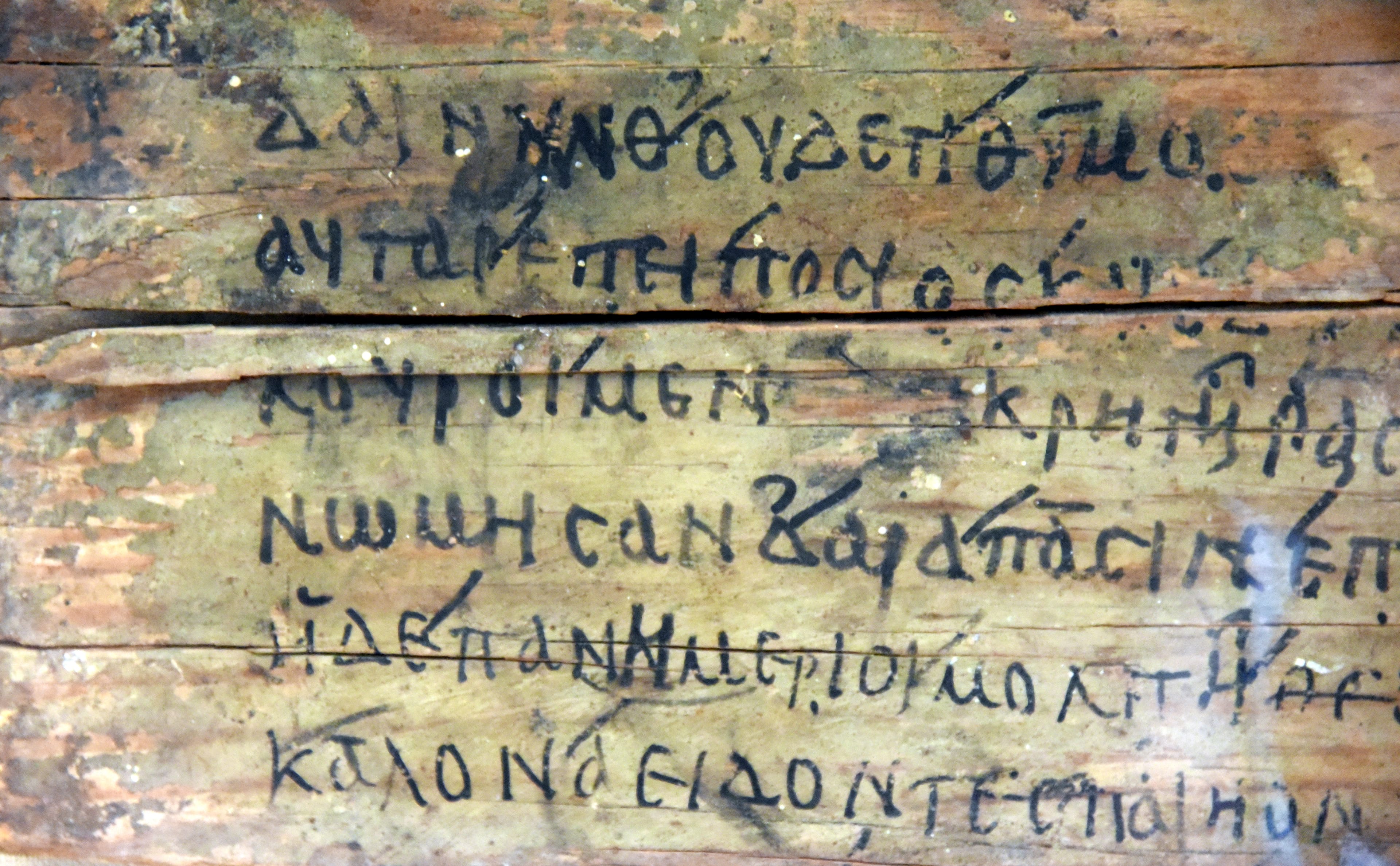
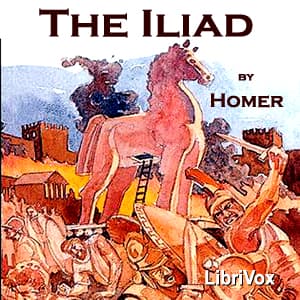
Nine years into the siege of Troy, the Greek army is faltering. At the center of everything is Achilles, the warrior whose refusal to fight after a personal insult from Agamemnon will cost thousands their lives, including his closest companion. The Iliad follows the devastating arc of his rage and its consequences, but it also gives us Hector, the Trojan prince fighting for a city already doomed; Priam, the aging king begging for his son's body; and the gods who manipulate outcomes like pieces on a board. What elevates this poem beyond war narrative is its piercing attention to grief, memory, and the small human moments that persist even amid destruction. Achilles is both ruthless and heartbreaking, and Homer never lets us forget that every death leaves someone waiting. This is not a story about glory. It is about what we lose, and whether any of it was worth the cost.
Editions


X-Ray
“…There is the heat of Love, the pulsing rush of Longing, the lover’s whisper, irresistible”
— Homer
“Hateful to me as the gates of Hades is that man who hides one thing in his heart and speaks another.””
— Homer
“Let me not then die ingloriously and without a struggle, but let me first do some great thing that shall be told among men hereafter.””
— Homer
“Sing, O muse, of the rage of Achilles, son of Peleus, that brought countless ills upon the Achaeans.””
— Homer
“Like the generations of leaves, the lives of mortal men. Now the wind scatters the old leaves across the earth, now the living timber bursts with the new buds and spring comes round again. And so with men: as one generation comes to life, another dies away.””
— Homer
“We men are wretched things.””
— Homer
“Why so much grief for me? No man will hurl me down to Death, against my fate. And fate? No one alive has ever escaped it, neither brave man nor coward, I tell you - it’s born with us the day that we are born.””
— Homer
“Achilles glared at him and answered, "Fool, prate not to me about covenants. There can be no covenants between men and lions, wolves and lambs can never be of one mind, but hate each other out and out an through. Therefore there can be no understanding between you and me, nor may there be any covenants between us, till one or other shall fall””
— Homer
“...like that star of the waning summer who beyond all stars rises bathed in the ocean stream to glitter in brilliance.””
— Homer
About The Iliad
Chapter Summaries
- 1
- The poem opens in the tenth year of the Trojan War with a plague sent by Apollo, whose priest Chryses was insulted by Agamemnon. Achilles calls a council, leading to a furious quarrel with Agamemnon, who seizes Achilles' captive Briseïs. Achilles withdraws from battle, and his mother Thetis supplicates Jove to grant victory to the Trojans to honor her son, which Jove grants, causing a high debate with Juno, pacified by Vulcan.
- 2
- Jove sends a deceitful dream to Agamemnon, urging him to battle. Agamemnon, hoping to test the army's morale, proposes a return to Greece, which the troops eagerly accept. Ulysses, inspired by Pallas, stops their flight, chastises Thersites, and recalls the assembly, where Nestor advises a general muster of troops, leading to a detailed catalogue of Greek and Trojan forces.
- 3
- As armies prepare to fight, Hector proposes a single combat between Menelaus and Paris to decide the war. Iris calls Helen to the walls of Troy, where she identifies Greek leaders to Priam. The duel ensues, but Venus snatches Paris away when he is about to be defeated. Agamemnon declares Menelaus the victor and demands Helen's return and fulfillment of the truce terms.
Key Themes
- Wrath and its Consequences
- Achilles' wrath is the driving force of the poem, demonstrating how personal pride and anger can lead to widespread destruction and suffering, affecting both individuals and entire nations. The poem explores the dire outcomes when leaders prioritize personal grievances over collective well-being.
- Honor and Glory
- Heroes like Achilles and Hector are deeply motivated by the pursuit of honor and lasting fame (kleos). Their actions, sacrifices, and even their disputes are often rooted in the desire to uphold their reputation and secure a glorious legacy, even at the cost of their lives.
- Divine Intervention and Fate
- The gods are active participants in the Trojan War, frequently intervening in battles and influencing mortal affairs. While fate is often presented as predetermined, the gods' actions and human choices still play a significant role, creating a complex interplay between destiny and free will.
Characters
- Achilles(protagonist)
- The greatest Greek warrior whose wrath, sparked by Agamemnon's insult, is the central theme of the Iliad, leading him to withdraw from battle.
- Agamemnon(supporting)
- King of Mycenae and commander-in-chief of the Achaean army, whose pride and actions ignite Achilles' wrath.
- Hector(antagonist)
- The greatest Trojan warrior and prince of Troy, who leads the Trojan army with courage and skill.
- Paris(supporting)
- A Trojan prince whose abduction of Helen sparked the Trojan War, often depicted as more lover than warrior.
- Helen(supporting)
- The beautiful Spartan queen abducted by Paris, whose presence in Troy is the direct cause of the war.
- Menelaus(supporting)
- King of Sparta, brother of Agamemnon, and Helen's original husband, who fights Paris in single combat.
Link to this book
Add a free, dofollow link to Lex on your blog, forum, syllabus, or reading list.

<a href="https://lex-books.com/book/the-iliad-4e99a1e4-4d2a-4a5a-bf66-f20695ff4802"><img src="https://lex-books.com/badges/read-on-lex.svg" alt="Read The Iliad by Homer free on Lex" width="160" height="40"></a>[](https://lex-books.com/book/the-iliad-4e99a1e4-4d2a-4a5a-bf66-f20695ff4802)[url=https://lex-books.com/book/the-iliad-4e99a1e4-4d2a-4a5a-bf66-f20695ff4802][img]https://lex-books.com/badges/read-on-lex.svg[/img][/url]Read The Iliad by Homer free on Lex: https://lex-books.com/book/the-iliad-4e99a1e4-4d2a-4a5a-bf66-f20695ff4802Cite this book
Reading this edition for a paper or guide? Copy a citation.
Homer. The Iliad. Lex, lex-books.com/book/the-iliad-4e99a1e4-4d2a-4a5a-bf66-f20695ff4802.Homer (750 BC). The Iliad. Lex. https://lex-books.com/book/the-iliad-4e99a1e4-4d2a-4a5a-bf66-f20695ff4802Homer. The Iliad. Lex. https://lex-books.com/book/the-iliad-4e99a1e4-4d2a-4a5a-bf66-f20695ff4802.