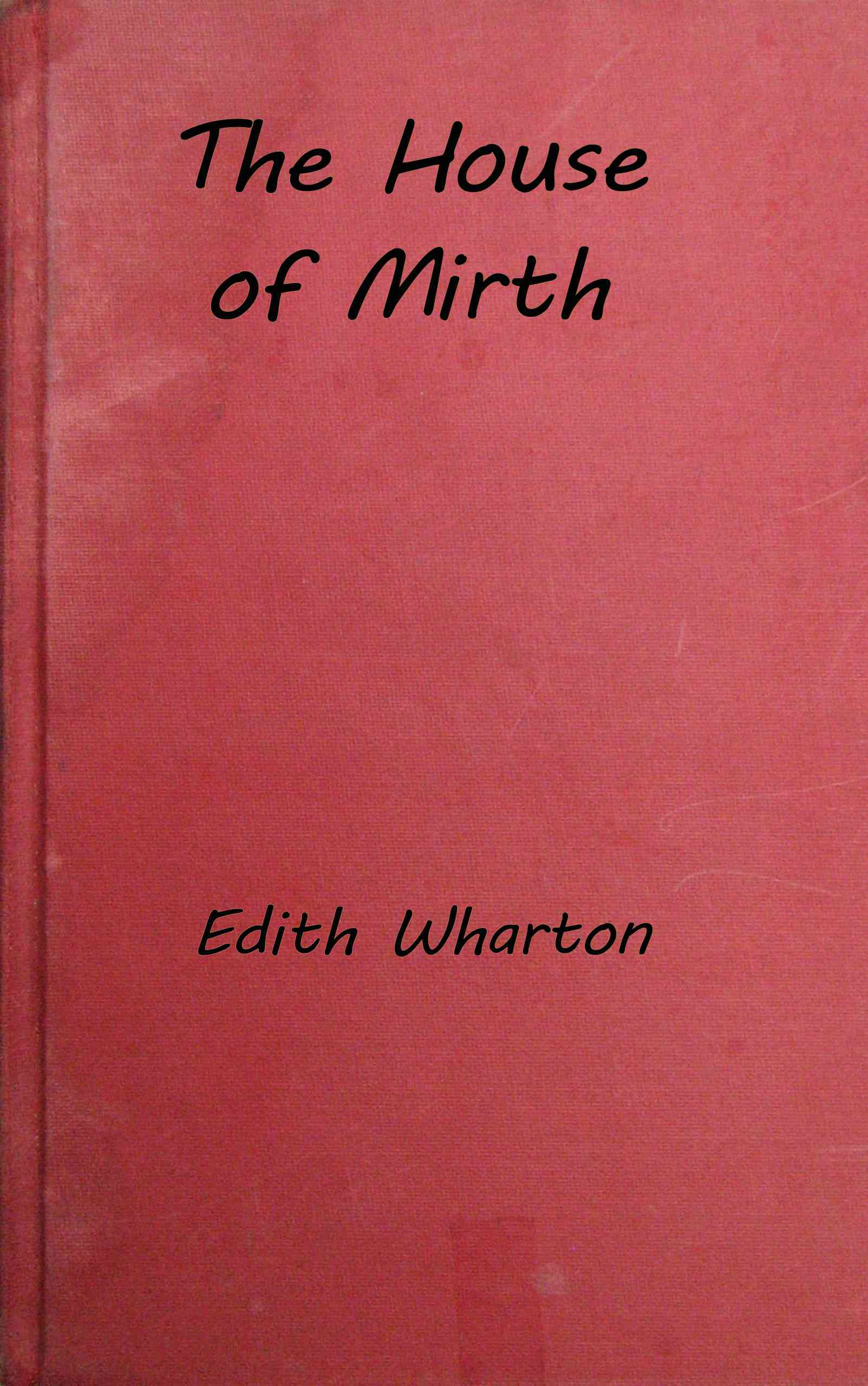
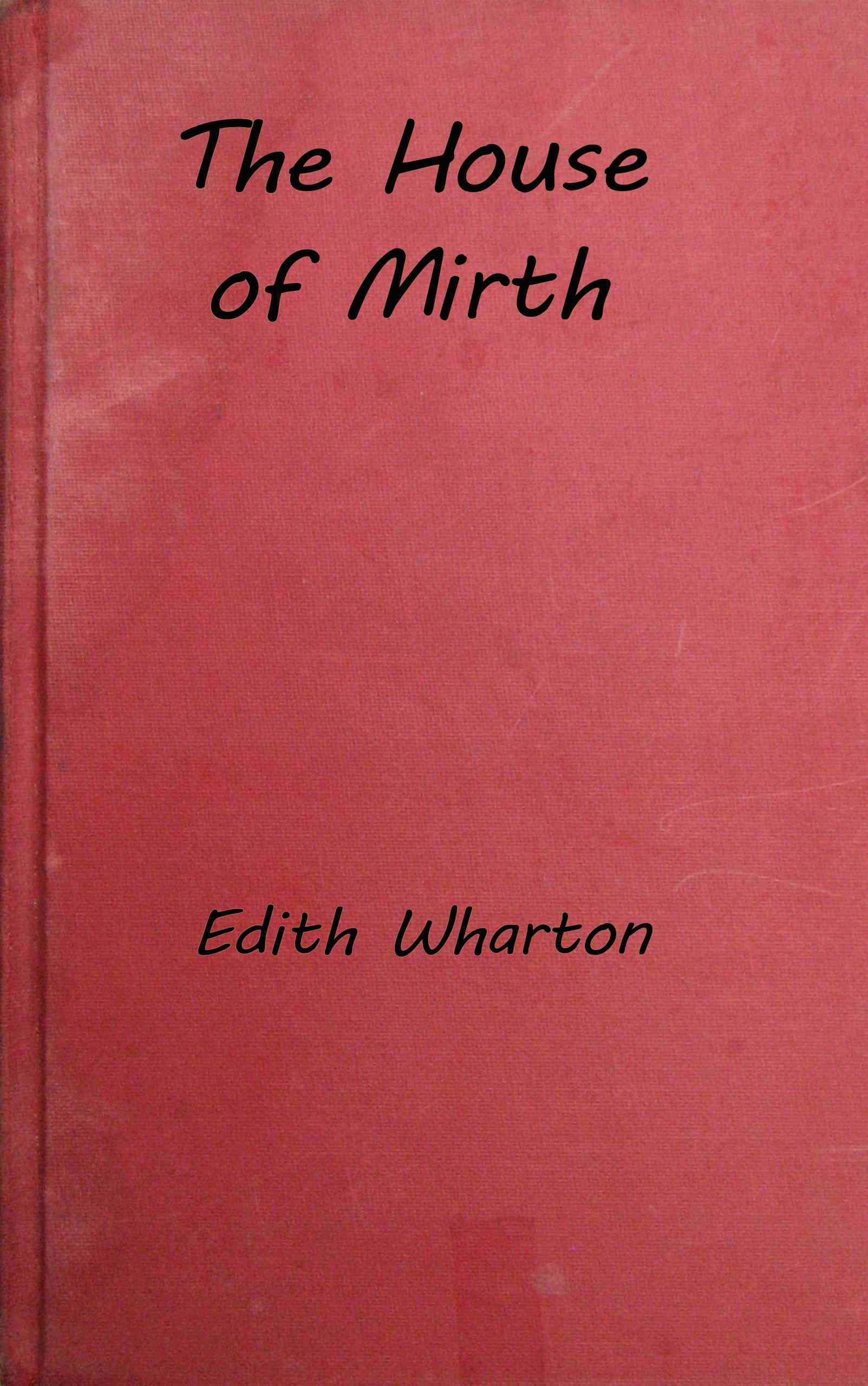
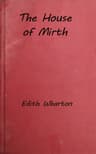
The House of Mirth
1905
In the glittering Gilded Age, beauty is a currency and women are its casualties. Lily Bart has everything it takes to conquer New York high society: wit, grace, and a face that opens every door. What she lacks is money. At thirty, she watches her options narrow while the men who court her measure her worth in dollars. Wharton charts Lily's two-year descent from privilege to ruin with a precision that feels surgical, even cruel. The tragedy is not simply that Lily fails to secure a husband, but that she possesses exactly the sensitivity and intelligence needed to see the emptiness at the heart of the world she must navigate. Every compromise she makes to survive erodes something essential. Every principle she refuses to abandon closes another door. This is a novel that dissects the machinery of social destruction with the detached fascination of a pathologist, and the result is devastating.
Editions

X-Ray
“Do you remember what you said to me once? That you could help me only by loving me? Well-you did love me for a moment; and it helped me. It has always helped me.””
— Edith Wharton
“She had no tolerance for scenes which were not of her own making.””
— Edith Wharton
“She was so evidently the victim of the civilization which had produced her, that the links of her bracelet seemed like manacles chaining her to her fate.””
— Edith Wharton
“Half the trouble in life is caused by pretending there isn't any.””
— Edith Wharton
“Don't you ever mind," she asked suddenly, "not being rich enough to buy all the books you want?””
— Edith Wharton
“Why do we call all our generous ideas illusions, and the mean ones truths?””
— Edith Wharton
“She was very near hating him now; yet the sound of his voice, the way the light fell on his thin, dark hair, the way he sat and moved and wore his clothes”
— Edith Wharton
“As the pain that can be told is but half a pain, so the pity that questions has little healing in its touch. What Lily craved was the darkness made by enfolding arms, the silence which is not solitude, but compassion holding its breath.””
— Edith Wharton
“It is so easy for a woman to become what the man she loves believes her to be””
— Edith Wharton
Link to this book
Add a free, dofollow link to Lex on your blog, forum, syllabus, or reading list.

<a href="https://lex-books.com/book/the-house-of-mirth-efd3e23e-1db9-428b-954a-de9f9f824f62"><img src="https://lex-books.com/badges/read-on-lex.svg" alt="Read The House of Mirth by Edith Wharton free on Lex" width="160" height="40"></a>[](https://lex-books.com/book/the-house-of-mirth-efd3e23e-1db9-428b-954a-de9f9f824f62)[url=https://lex-books.com/book/the-house-of-mirth-efd3e23e-1db9-428b-954a-de9f9f824f62][img]https://lex-books.com/badges/read-on-lex.svg[/img][/url]Read The House of Mirth by Edith Wharton free on Lex: https://lex-books.com/book/the-house-of-mirth-efd3e23e-1db9-428b-954a-de9f9f824f62Cite this book
Reading this edition for a paper or guide? Copy a citation.
Wharton, Edith. The House of Mirth. Lex, lex-books.com/book/the-house-of-mirth-efd3e23e-1db9-428b-954a-de9f9f824f62.Wharton, E. (1905). The House of Mirth. Lex. https://lex-books.com/book/the-house-of-mirth-efd3e23e-1db9-428b-954a-de9f9f824f62Wharton, Edith. The House of Mirth. Lex. https://lex-books.com/book/the-house-of-mirth-efd3e23e-1db9-428b-954a-de9f9f824f62.