The Entire March Family Trilogy
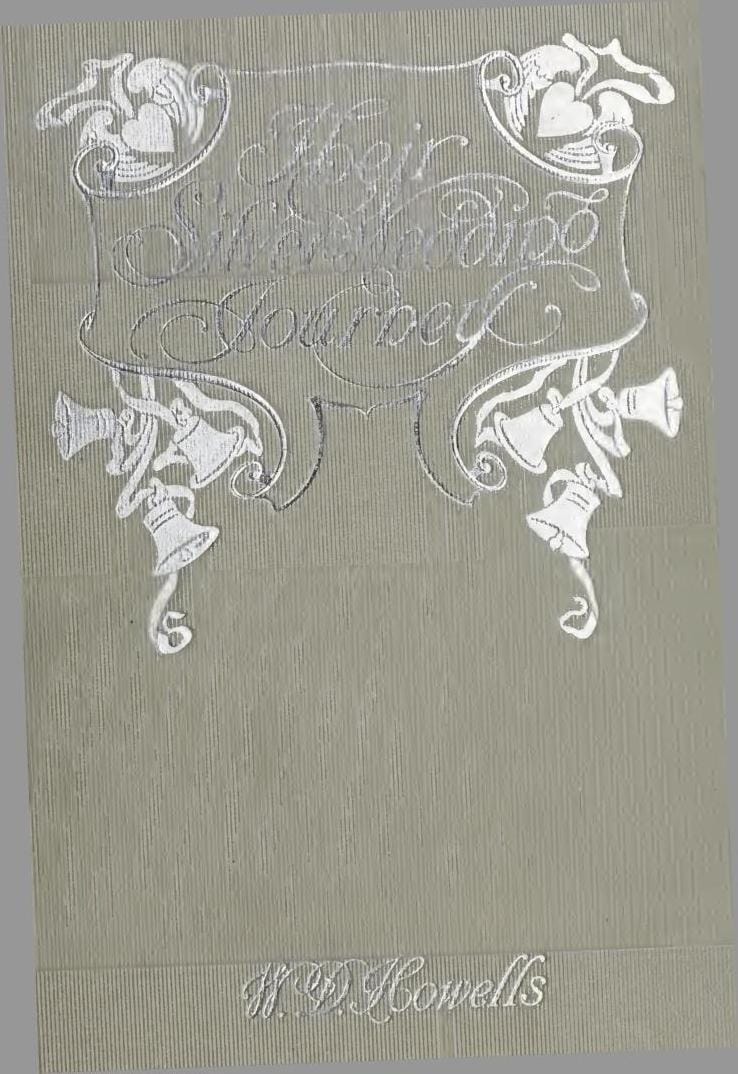
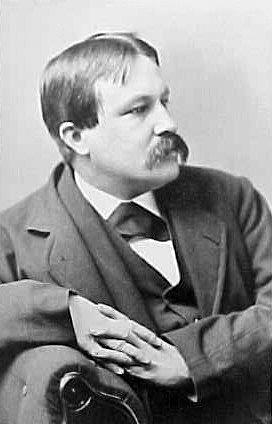
Before there was Updike or Franzen, there was William Dean Howells, the man Henry James called 'the Dean of American Letters,' and the author who essentially invented American literary realism. This trilogy follows Basil and Isabel March from their modest honeymoon journey through the American Northeast to their later years in New York City, and finally to Germany for their silver wedding anniversary. Howells captures the texture of late nineteenth-century American life: the anxieties of newlyweds, the clash between capital and labor, the immigrant experience in a rapidly industrializing nation. In A Hazard of New Fortunes, his masterpiece, Basil March finds himself torn between a wealthy employer and his former professor, a German immigrant fighting for workers' rights. The novel pulses with the energy of a city remaking itself. These aren't grand adventures; they're quiet, precise dissections of marriage, money, and the American impulse to reinvent oneself. Howells wrote against sentimentality, giving us instead characters who argue, doubt, and grow. More than a century later, his clear-eyed view of domestic life and class still feels startlingly modern.
Editions
Link to this book
Add a free, dofollow link to Lex on your blog, forum, syllabus, or reading list.

<a href="https://lex-books.com/book/the-entire-march-family-trilogy-14e4601c-df7d-4431-8147-59ecb040f65e"><img src="https://lex-books.com/badges/read-on-lex.svg" alt="Read The Entire March Family Trilogy by William Dean Howells free on Lex" width="160" height="40"></a>[](https://lex-books.com/book/the-entire-march-family-trilogy-14e4601c-df7d-4431-8147-59ecb040f65e)[url=https://lex-books.com/book/the-entire-march-family-trilogy-14e4601c-df7d-4431-8147-59ecb040f65e][img]https://lex-books.com/badges/read-on-lex.svg[/img][/url]Read The Entire March Family Trilogy by William Dean Howells free on Lex: https://lex-books.com/book/the-entire-march-family-trilogy-14e4601c-df7d-4431-8147-59ecb040f65eCite this book
Reading this edition for a paper or guide? Copy a citation.
Howells, William Dean. The Entire March Family Trilogy. Lex, lex-books.com/book/the-entire-march-family-trilogy-14e4601c-df7d-4431-8147-59ecb040f65e.Howells, W. D. (n.d.). The Entire March Family Trilogy. Lex. https://lex-books.com/book/the-entire-march-family-trilogy-14e4601c-df7d-4431-8147-59ecb040f65eHowells, William Dean. The Entire March Family Trilogy. Lex. https://lex-books.com/book/the-entire-march-family-trilogy-14e4601c-df7d-4431-8147-59ecb040f65e.