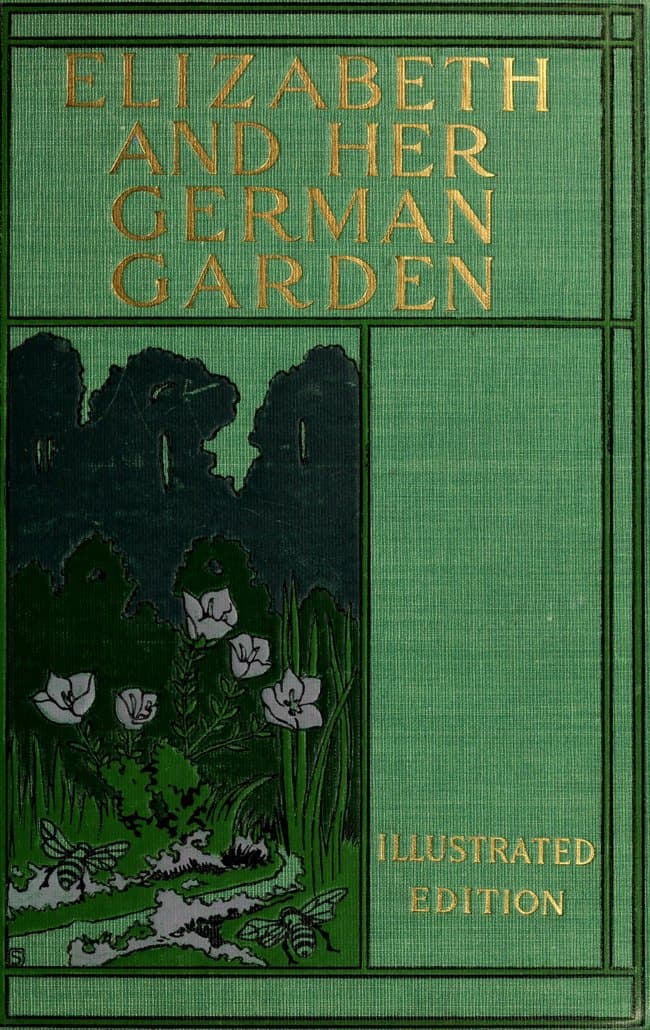
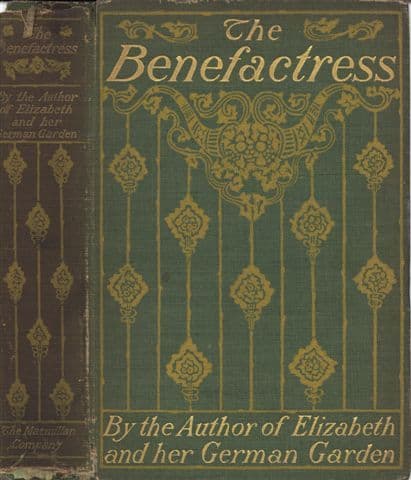
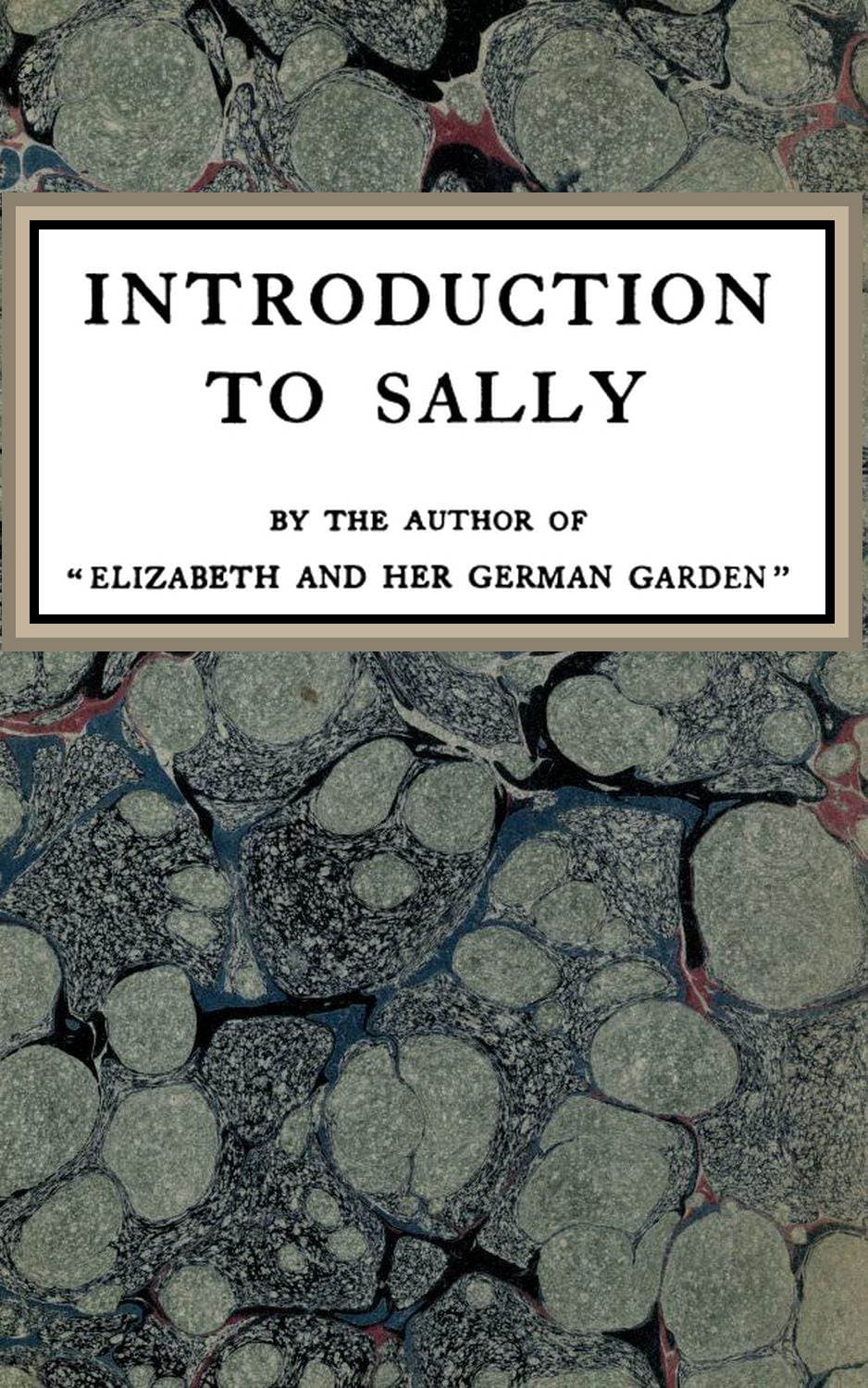
The Enchanted April
1922
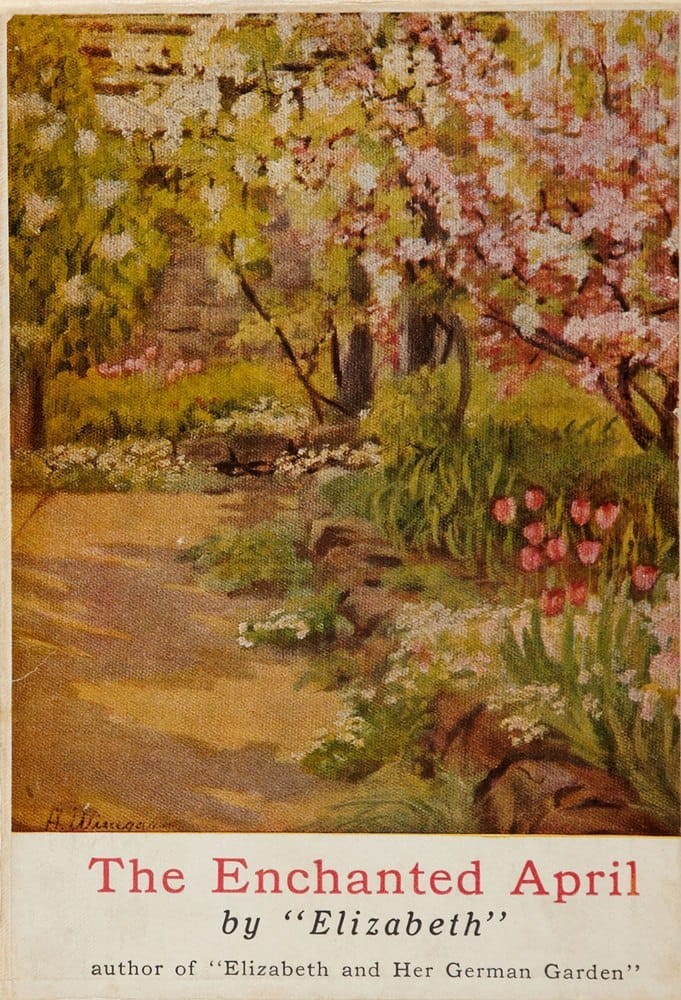
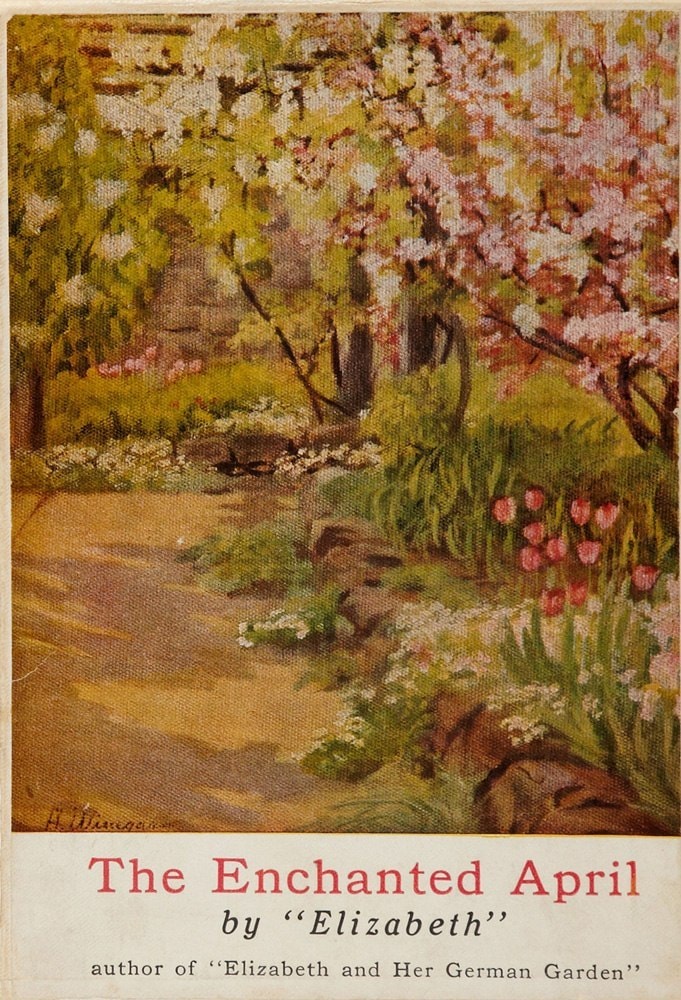
Four women answer a newspaper advertisement for an Italian castle in February, when London is at its grayest. Mrs. Wilkins and Mrs. Arbuthnot, trapped in joyless marriages and tedious routines, convince two strangers to share the cost of renting a medieval villa in Portofino for April. What begins as a desperate escape from English dreariness becomes something far more profound: a month of wisteria-draped terraces, Mediterranean sun, and the slow unmasking of four women who have forgotten what contentment feels like. Each arrives carrying invisible weight, neglect, resentment, years of putting everyone else's needs before her own. What unfolds in that enchanted castle is not merely a holiday, but a quiet revolution. This 1922 bestseller remains irresistible because it argues, with wit and warmth, that women deserve beauty and happiness, and that sometimes the most radical act is simply claiming joy. For anyone who has ever stared at gray rain and dreamed of sun.
Editions

X-Ray
“Beauty made you love, and love made you beautiful.””
— Elizabeth Von Arnim
“... Why, it would really be being unselfish to go away and be happy for a little, because we would come back so much nicer.””
— Elizabeth Von Arnim
“It is true she liked him most when he wasn't there, but then she usually liked everybody most when they weren't there.””
— Elizabeth Von Arnim
“How they had dreamed together, he and she... how they had planned, and laughed, and loved. They had lived for a while in the very heart of poetry.””
— Elizabeth Von Arnim
“I'm sure it's wrong to go on being good for too long, till one gets miserable. And I can see you've been good for years and years, because you look so unhappy.””
— Elizabeth Von Arnim
“How passionately she longed to be important to somebody again - not important on platforms, not important as an asset in an organisation, but privately important, just to one other person, quite privately, nobody else to know or notice. It didn't seem much to ask in a world so crowded with people, just to have one of them, only one out of all the millions to oneself. Somebody who needed one, who thought of one, who was eager to come to one - oh, oh how dreadfully one wanted to be precious.””
— Elizabeth Von Arnim
“This was the simple happiness of complete harmony with her surroundings, the happiness that asks for nothing, that just accepts, just breathes, just is.””
— Elizabeth Von Arnim
“Now she had taken off her goodness and left it behind her like a heap of rain-sodden clothes, and she only felt joy.””
— Elizabeth Von Arnim
“All the radiance of April in Italy lay gathered together at her feet. The sun poured in on her. The sea lay asleep in it, hardly stirring. Across the bay the lovely mountains, exquisitely different in color, were asleep too in the light; and underneath her window, at the bottom of the flower-starred grass slope from which the wall of castle rose up, was a great cypress, cutting through the delicate blues and violets and rose-colors of the mountains and the sea like a great black sword.She stared. Such beauty; and she there to see it. Such beauty; and she alive to feel it. Her face was bathed in light.””
— Elizabeth Von Arnim
About The Enchanted April
Chapter Summaries
- 1
- Mrs. Wilkins, a neglected wife, sees an advertisement for a medieval Italian castle to let for April and dreams of escape. She then encounters Mrs. Arbuthnot, a pious but unhappy woman, also reading the advertisement, and impulsively suggests they share the cost.
- 2
- Mrs. Arbuthnot, despite her reservations about self-indulgence, agrees to send an inquiry for the castle. Both women feel guilty about their secret act. Mrs. Arbuthnot reflects on her unhappy marriage to Frederick, a writer of scandalous memoirs, and her life of duty and charity.
- 3
- The castle owner, Mr. Briggs, replies with a high rent and demands for references. Mrs. Arbuthnot pays the full rent in advance, charming Mr. Briggs. Mrs. Wilkins then proposes they find two more ladies to share expenses, and they interview Lady Caroline Dester and Mrs. Fisher, who eventually waive references.
Key Themes
- Escape and Liberation
- The primary motivation for the women is to escape their mundane, unhappy lives in London, characterized by oppressive husbands, societal expectations, and personal duties. San Salvatore offers a physical and psychological space for them to shed these burdens.
- Transformation and Self-Discovery
- The idyllic setting of San Salvatore acts as a powerful catalyst for the characters to shed their old selves and discover new, often suppressed, aspects of their personalities. Each woman undergoes a significant internal change, leading to greater happiness and self-awareness.
- The Nature of Happiness
- The book explores various facets of happiness, from selfish indulgence to selfless love, and how it can be found or lost. It suggests that true happiness comes from within and from genuine connection, rather than external circumstances or rigid adherence to duty.
Characters
- Mrs. Wilkins(protagonist)
- A shy, neglected wife who finds liberation and joy in Italy, becoming more confident and loving.
- Mrs. Arbuthnot(protagonist)
- A pious, dutiful wife burdened by her husband's profession and her own self-imposed austerity, who yearns for love and connection.
- Lady Caroline Dester(supporting)
- A beautiful, cynical socialite tired of being admired and pursued, who seeks solitude and self-discovery.
- Mrs. Fisher(supporting)
- An elderly, intellectual widow who clings to the past and propriety, but is subtly transformed by the atmosphere of San Salvatore.
- Mr. Wilkins(minor)
- Mrs. Wilkins's husband, a respectable solicitor who is initially controlling and thrifty, but becomes amiable and appreciative in Italy.
- Frederick Arbuthnot(minor)
- Mrs. Arbuthnot's husband, a writer of scandalous memoirs, emotionally distant, who unexpectedly arrives at San Salvatore and reconciles with his wife.
Link to this book
Add a free, dofollow link to Lex on your blog, forum, syllabus, or reading list.

<a href="https://lex-books.com/book/the-enchanted-april-9cab96ce-60fa-4dc6-91c2-1e49911da26d"><img src="https://lex-books.com/badges/read-on-lex.svg" alt="Read The Enchanted April by Elizabeth Von Arnim free on Lex" width="160" height="40"></a>[](https://lex-books.com/book/the-enchanted-april-9cab96ce-60fa-4dc6-91c2-1e49911da26d)[url=https://lex-books.com/book/the-enchanted-april-9cab96ce-60fa-4dc6-91c2-1e49911da26d][img]https://lex-books.com/badges/read-on-lex.svg[/img][/url]Read The Enchanted April by Elizabeth Von Arnim free on Lex: https://lex-books.com/book/the-enchanted-april-9cab96ce-60fa-4dc6-91c2-1e49911da26dCite this book
Reading this edition for a paper or guide? Copy a citation.
Arnim, Elizabeth Von. The Enchanted April. Lex, lex-books.com/book/the-enchanted-april-9cab96ce-60fa-4dc6-91c2-1e49911da26d.Arnim, E. V. (1922). The Enchanted April. Lex. https://lex-books.com/book/the-enchanted-april-9cab96ce-60fa-4dc6-91c2-1e49911da26dArnim, Elizabeth Von. The Enchanted April. Lex. https://lex-books.com/book/the-enchanted-april-9cab96ce-60fa-4dc6-91c2-1e49911da26d.