The Eagle's Shadow
1904
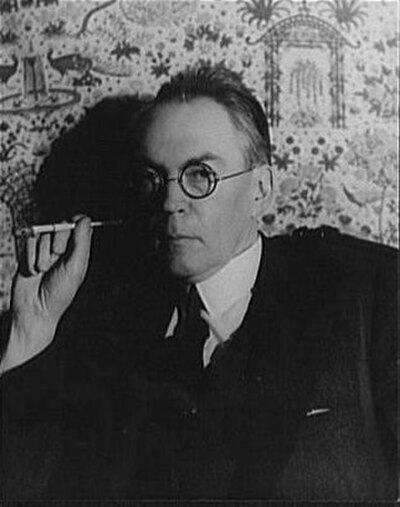
This is Cabell before the scandal. Before "Jurgen" made him famous (and briefly infamous), the young author turned his satirical eye on the comfortable world of Edwardian country estates and the elaborate courtship rituals of the upper classes. At Selwoode, the radiant Margaret Hugonin presides over a house full of suitors, each one a specimen of masculine vanity and social ambition. Her father, the gruff Colonel Hugonin, watches with weary affection as the parade of young men circles his daughter, all of them angling for her hand and the fortune that comes with it. What follows is a comedy of manners in the finest tradition: sharp dialogue, social observation that cuts both ways, and a heroine who is far more perceptive than any of her suitors dare to imagine. Cabell already displays the wit and structural elegance that would later make "Jurgen" a cause celebre. The romantic entanglements are genuinely engaging, but what elevates the novel is its clear-eyed view of how wealth and social position shape desire. For all its surface gentility, "The Eagle's Shadow" asks uncomfortable questions about what people really want when they want a wife or a husband. For readers who enjoy the social satire of Edith Wharton or the knowing wit of early twentieth-century comedy of manners.
Editions
Link to this book
Add a free, dofollow link to Lex on your blog, forum, syllabus, or reading list.

<a href="https://lex-books.com/book/the-eagle-s-shadow-62017a12-36bf-4184-88de-92f39e1b559b"><img src="https://lex-books.com/badges/read-on-lex.svg" alt="Read The Eagle's Shadow by James Branch Cabell free on Lex" width="160" height="40"></a>[](https://lex-books.com/book/the-eagle-s-shadow-62017a12-36bf-4184-88de-92f39e1b559b)[url=https://lex-books.com/book/the-eagle-s-shadow-62017a12-36bf-4184-88de-92f39e1b559b][img]https://lex-books.com/badges/read-on-lex.svg[/img][/url]Read The Eagle's Shadow by James Branch Cabell free on Lex: https://lex-books.com/book/the-eagle-s-shadow-62017a12-36bf-4184-88de-92f39e1b559bCite this book
Reading this edition for a paper or guide? Copy a citation.
Cabell, James Branch. The Eagle's Shadow. Lex, lex-books.com/book/the-eagle-s-shadow-62017a12-36bf-4184-88de-92f39e1b559b.Cabell, J. B. (1904). The Eagle's Shadow. Lex. https://lex-books.com/book/the-eagle-s-shadow-62017a12-36bf-4184-88de-92f39e1b559bCabell, James Branch. The Eagle's Shadow. Lex. https://lex-books.com/book/the-eagle-s-shadow-62017a12-36bf-4184-88de-92f39e1b559b.