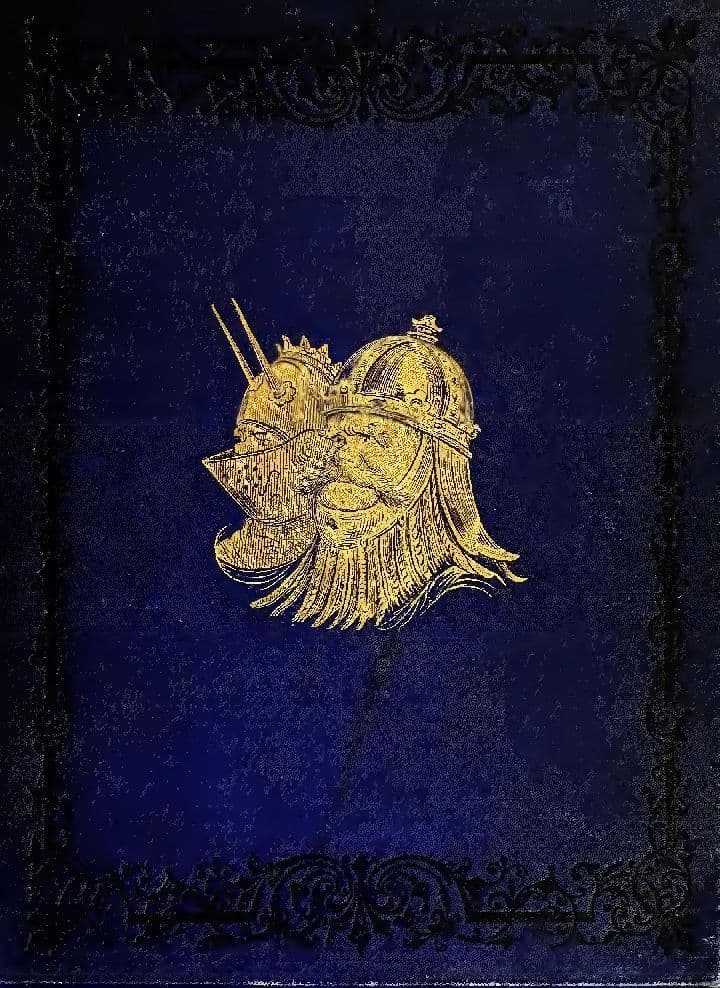
Figures of Earth: A Comedy of Appearances
1921
Figures of Earth: A Comedy of Appearances
1921
Published in 1921, 'Figures of Earth: A Comedy of Appearances' by James Branch Cabell is a fantasy novel that explores themes of identity, desire, and reality through the adventures of Dom Manuel, a swineherd with dreams of greatness. Under a geas from his mother, Manuel embarks on a quest to rescue a kidnapped princess, accompanied by a clever boy named Niafer. The narrative blends humor and philosophical inquiry, reflecting on ambition and personal growth while showcasing Manuel's journey against the backdrop of fantastical elements.
Editions

X-Ray
“For although this was a very heroic war, with a parade of every sort of high moral principle, and with the most sonorous language employed upon both sides, it somehow failed to bring about either the reformation or the ruin of humankind: and after the conclusion of the murdering and general breakage, the world went on pretty much as it has done after all other wars, with a vague notion that a deal of time and effort had been unprofitably invested, and a conviction that it would be inglorious to say so.””
— James Branch Cabell
“What have you learned," says Manuel, "out yonder?""I cannot tell you," replied Ruric, laughing sillily, "but in place of it, I will tell you a tale. Yes, yes, Count Manuel, I will tell you a merry story of how a great while ago our common grandmother Eve was washing her children one day near Eden when God called to her. She hid away the children that she had not finished washing: and when the good God asked her if all her children were there, with their meek little heads against His knees, to say their prayers to Him, she answered, Yes. So God told her that what she had tried to hide from God should be hidden from men: and He took away the unwashed children, and made a place for them where everything stays young, and where there is neither good nor evil, because these children are unstained by human sin and unredeemed by Christ's dear blood."The Count said, frowning: "What drunken nonsense are you talking at broad noon? It is not any foolish tatter of legend that I am requiring of you, my boy, but civil information as to what is to be encountered out yonder.""All freedom and all delight," young Ruric told him wildly, "and all horror and all rebellion.””
— James Branch Cabell
Link to this book
Add a free, dofollow link to Lex on your blog, forum, syllabus, or reading list.

<a href="https://lex-books.com/book/figures-of-earth-a-comedy-of-appearances-eb2e9996-2087-48da-b845-7a2e9f1c625f"><img src="https://lex-books.com/badges/read-on-lex.svg" alt="Read Figures of Earth: A Comedy of Appearances by James Branch Cabell free on Lex" width="160" height="40"></a>[](https://lex-books.com/book/figures-of-earth-a-comedy-of-appearances-eb2e9996-2087-48da-b845-7a2e9f1c625f)[url=https://lex-books.com/book/figures-of-earth-a-comedy-of-appearances-eb2e9996-2087-48da-b845-7a2e9f1c625f][img]https://lex-books.com/badges/read-on-lex.svg[/img][/url]Read Figures of Earth: A Comedy of Appearances by James Branch Cabell free on Lex: https://lex-books.com/book/figures-of-earth-a-comedy-of-appearances-eb2e9996-2087-48da-b845-7a2e9f1c625fCite this book
Reading this edition for a paper or guide? Copy a citation.
Cabell, James Branch. Figures of Earth: A Comedy of Appearances. Lex, lex-books.com/book/figures-of-earth-a-comedy-of-appearances-eb2e9996-2087-48da-b845-7a2e9f1c625f.Cabell, J. B. (1921). Figures of Earth: A Comedy of Appearances. Lex. https://lex-books.com/book/figures-of-earth-a-comedy-of-appearances-eb2e9996-2087-48da-b845-7a2e9f1c625fCabell, James Branch. Figures of Earth: A Comedy of Appearances. Lex. https://lex-books.com/book/figures-of-earth-a-comedy-of-appearances-eb2e9996-2087-48da-b845-7a2e9f1c625f.