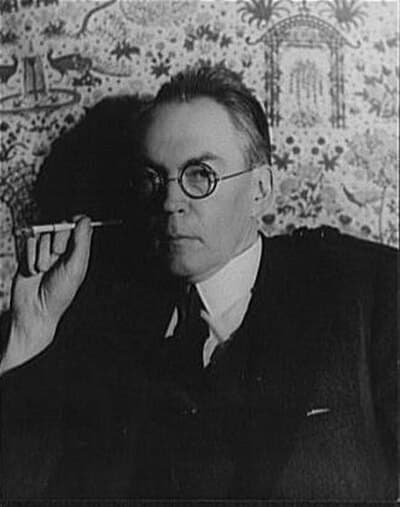
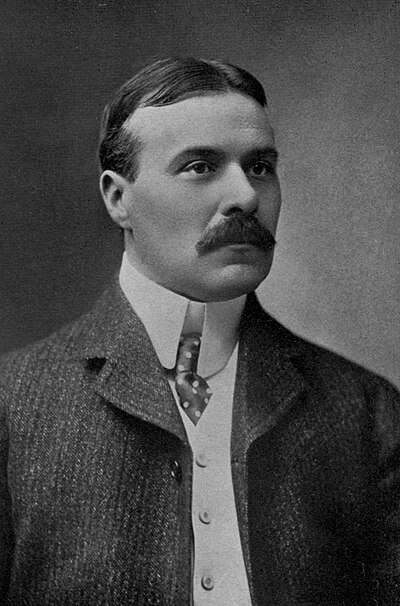
James Branch Cabell
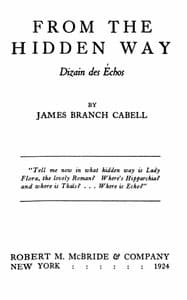
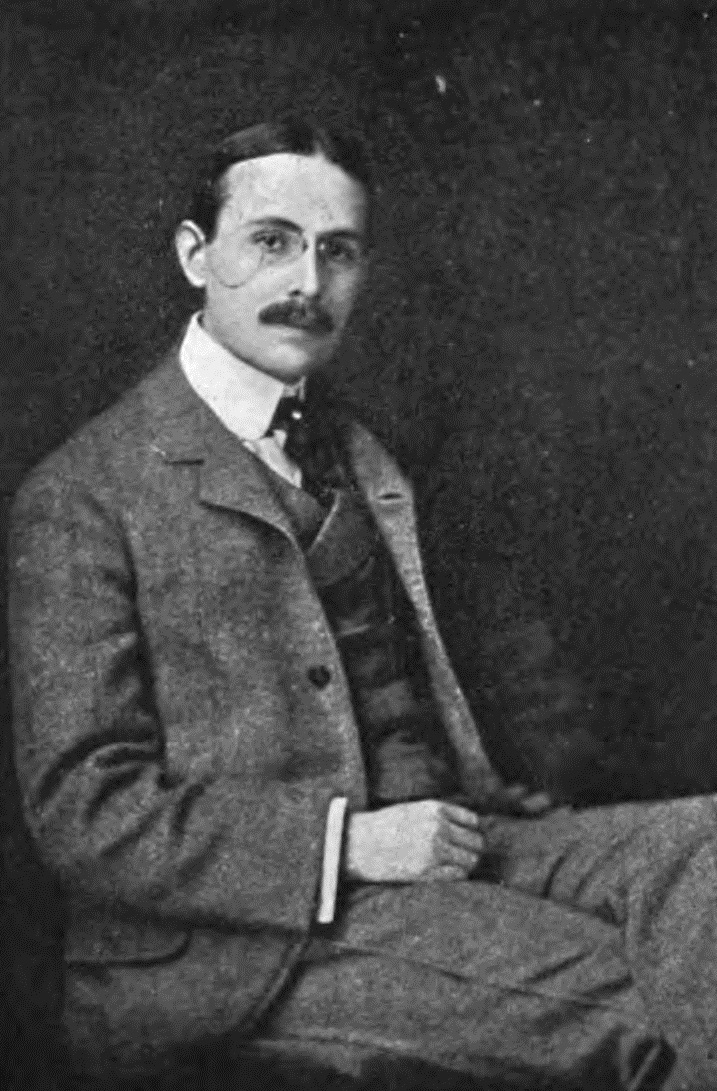
James Branch Cabell was an American author renowned for his contributions to fantasy fiction and belles-lettres. He gained significant acclaim during the 1920s, a period marked by a cultural embrace of escapism, with contemporaries such as H. L. Mencken and Sinclair Lewis praising his work. Cabell's writing is characterized by its ironic and satirical tone, challenging the conventions of romanticism. He famously asserted that veracity was the 'one unpardonable sin,' highlighting his belief that art should serve as an escape from the harsh realities of life. His notable works, including 'Jurgen, A Comedy of Justice' and 'The Cream of the Jest,' exemplify his unique blend of fantasy and social commentary, often featuring gaudy heroes on quests that mirror the absurdities of modern existence. Despite his initial success, Cabell's popularity waned in the 1930s, partly due to his reluctance to evolve beyond his established fantasy niche amid the changing literary landscape and the onset of World War II. Critics noted a disconnect between Cabell's idealized worlds and the grim realities of his time, as exemplified by Alfred Kazin's remark that 'Cabell and Hitler did not inhabit the same universe.' Nevertheless, Cabell's legacy endures, with his works continuing to be studied for their innovative approach to narrative and their incisive social critique. The library at Virginia Commonwealth University honors his contributions to literature, ensuring that his influence remains recognized in the literary canon.
Famous Quotes
View all 3 quotes“The optimist proclaims that we live in the best of all possible worlds; and the pessimist fears this is true.”
“There is not any memory with less satisfaction than the memory of some temptation we resisted.”
“For although this was a very heroic war, with a parade of every sort of high moral principle, and with the most sonorous language employed upon both sides, it somehow failed to bring about either the reformation or the ruin of humankind: and after the conclusion of the murdering and general breakage, the world went on pretty much as it has done after all other wars, with a vague notion that a deal of time and effort had been unprofitably invested, and a conviction that it would be inglorious to say so.”
Books from the author

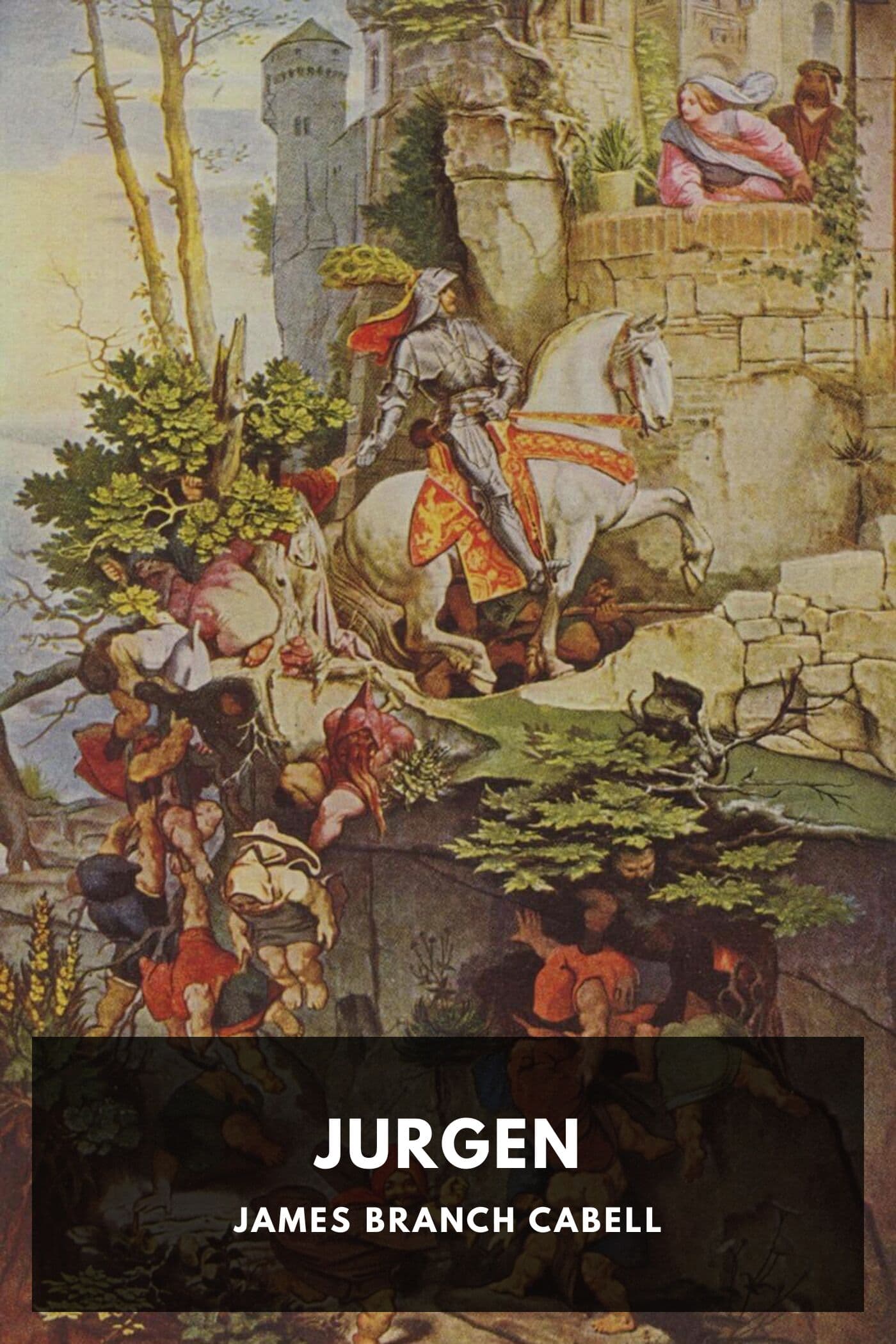


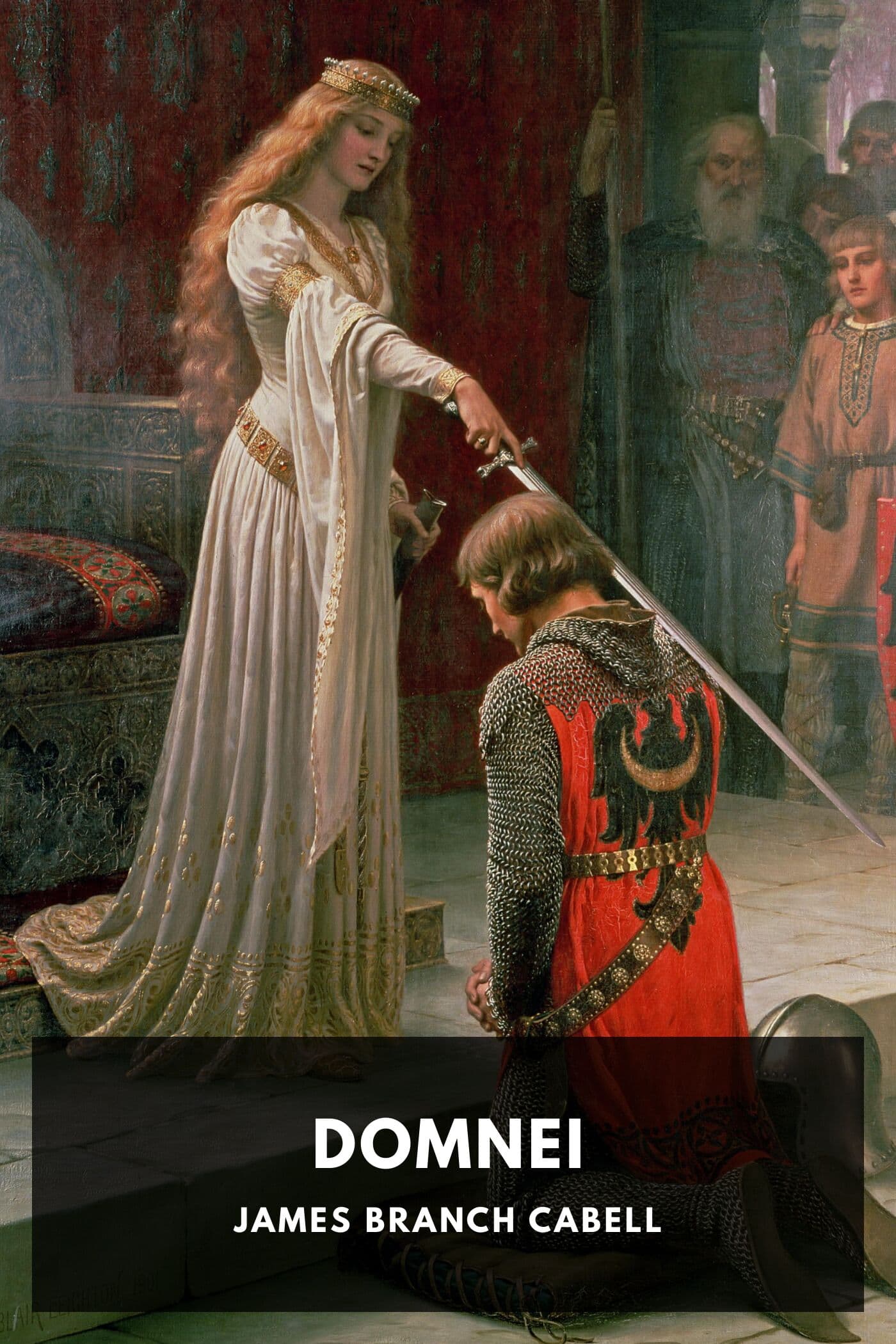
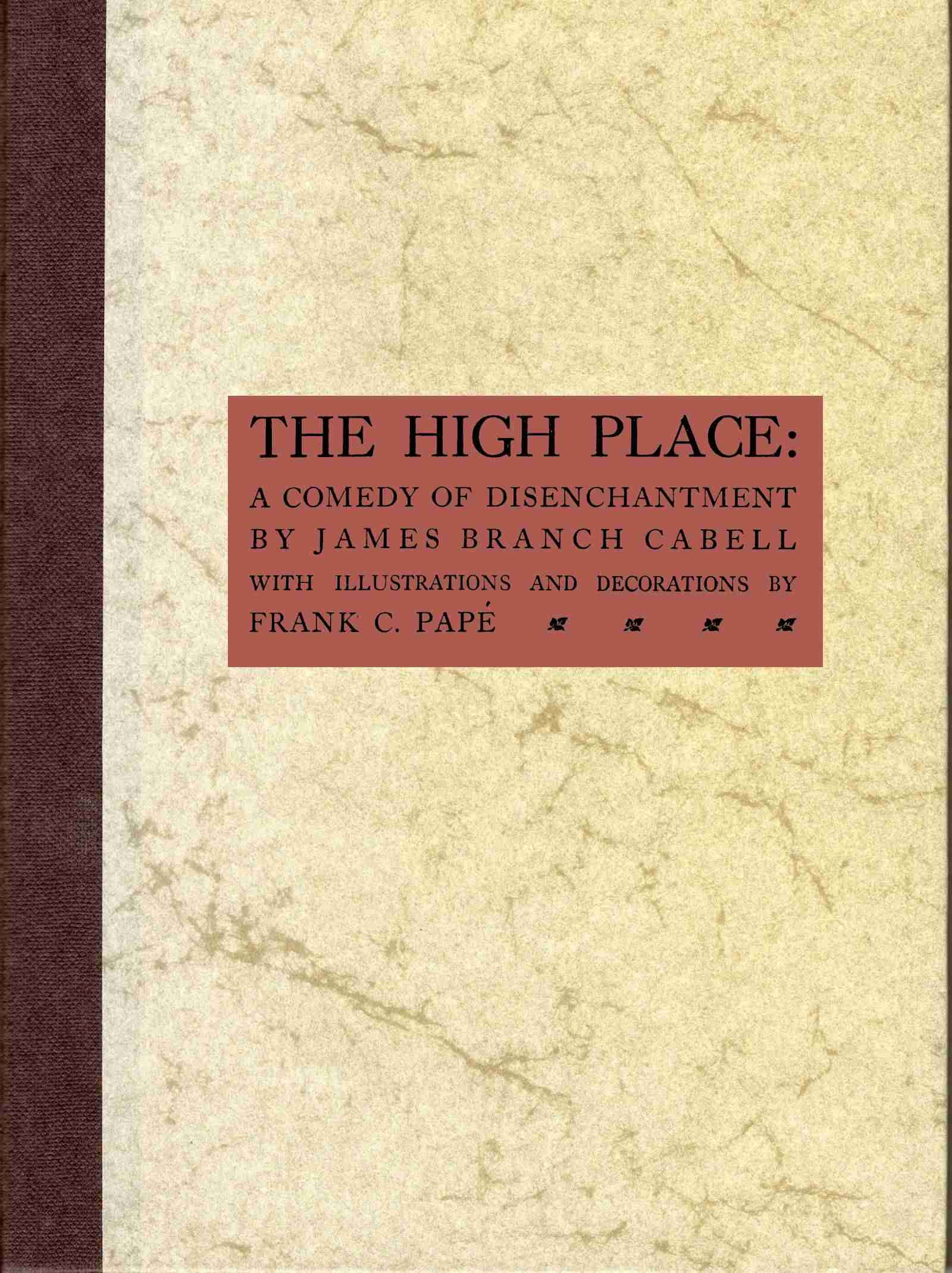




Link to this page
Add a free, dofollow link to Lex on your blog, forum, syllabus, or reading list.

<a href="https://lex-books.com/author/james-branch-cabell"><img src="https://lex-books.com/badges/read-on-lex.svg" alt="James Branch Cabell on Lex" width="160" height="40"></a>[](https://lex-books.com/author/james-branch-cabell)[url=https://lex-books.com/author/james-branch-cabell][img]https://lex-books.com/badges/read-on-lex.svg[/img][/url]James Branch Cabell on Lex: https://lex-books.com/author/james-branch-cabell