The Comedies of Terence
1859
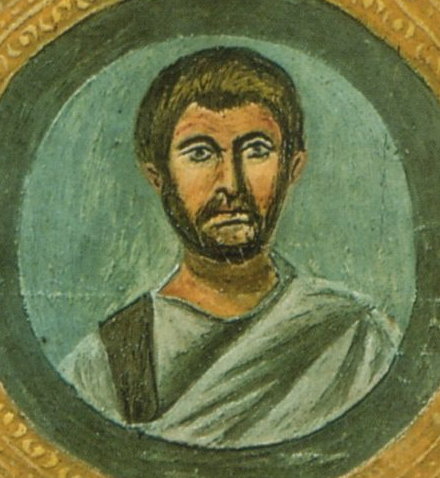
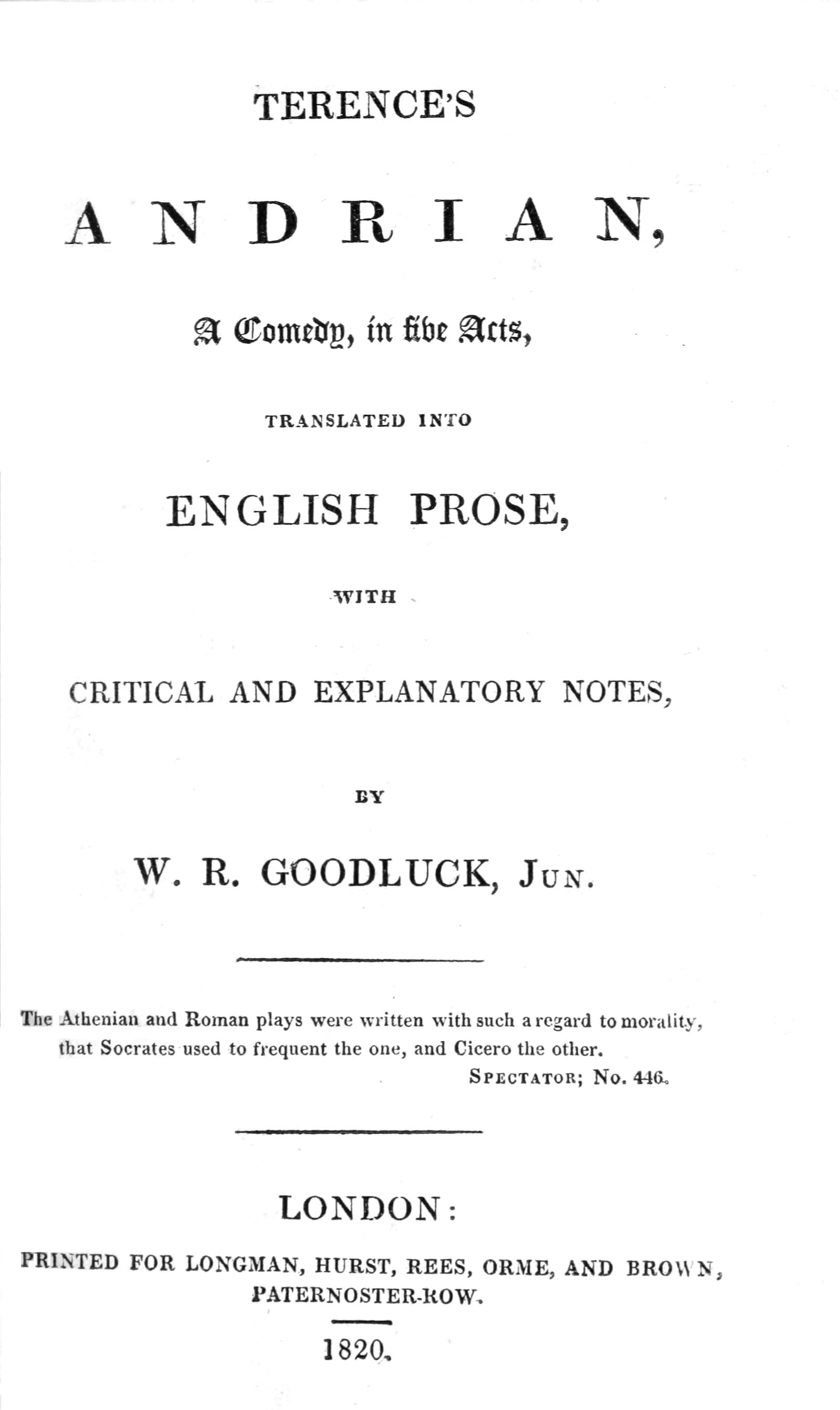
Terence emerged from slavery to become one of Rome's most celebrated playwrights, and these six comedies have survived nearly two millennia because they understand something eternal about human nature: the collision between desire and duty, between what we want and what society demands. Written in the 2nd century BCE, these plays follow young lovers navigating tangled romantic predicaments, often complicated by scheming slaves, suspicious fathers, and the rigid class structures of Roman society. The Girl from Andros introduces Pamphilus, whose father pressures him toward an advantageous marriage while his heart belongs to Glycerium, a woman of uncertain status. A clever slave named Davus hatches schemes to obstruct the match, maneuvering through the intricate social and romantic politics of ancient Athens. Other comedies explore parallel territories: fathers who control, lovers who deceive, slaves who manipulate. Terence writes with psychological precision about conflicts that remain relevant across the centuries: the tension between individual happiness and social expectation, the ways love disrupts tidy plans, and the complex negotiations between masters and slaves, parents and children. These are comedies of manners, yes, but also comedies of survival.
Editions
Link to this book
Add a free, dofollow link to Lex on your blog, forum, syllabus, or reading list.

<a href="https://lex-books.com/book/the-comedies-of-terence-355d5397-8196-4d92-80d3-b3d0558a29c9"><img src="https://lex-books.com/badges/read-on-lex.svg" alt="Read The Comedies of Terence by Terence free on Lex" width="160" height="40"></a>[](https://lex-books.com/book/the-comedies-of-terence-355d5397-8196-4d92-80d3-b3d0558a29c9)[url=https://lex-books.com/book/the-comedies-of-terence-355d5397-8196-4d92-80d3-b3d0558a29c9][img]https://lex-books.com/badges/read-on-lex.svg[/img][/url]Read The Comedies of Terence by Terence free on Lex: https://lex-books.com/book/the-comedies-of-terence-355d5397-8196-4d92-80d3-b3d0558a29c9Cite this book
Reading this edition for a paper or guide? Copy a citation.
Terence. The Comedies of Terence. Lex, lex-books.com/book/the-comedies-of-terence-355d5397-8196-4d92-80d3-b3d0558a29c9.Terence (1859). The Comedies of Terence. Lex. https://lex-books.com/book/the-comedies-of-terence-355d5397-8196-4d92-80d3-b3d0558a29c9Terence. The Comedies of Terence. Lex. https://lex-books.com/book/the-comedies-of-terence-355d5397-8196-4d92-80d3-b3d0558a29c9.