The Bucolics and Eclogues
1925
The Bucolics and Eclogues
1925
Translated by Human Translation (Linked Edition)
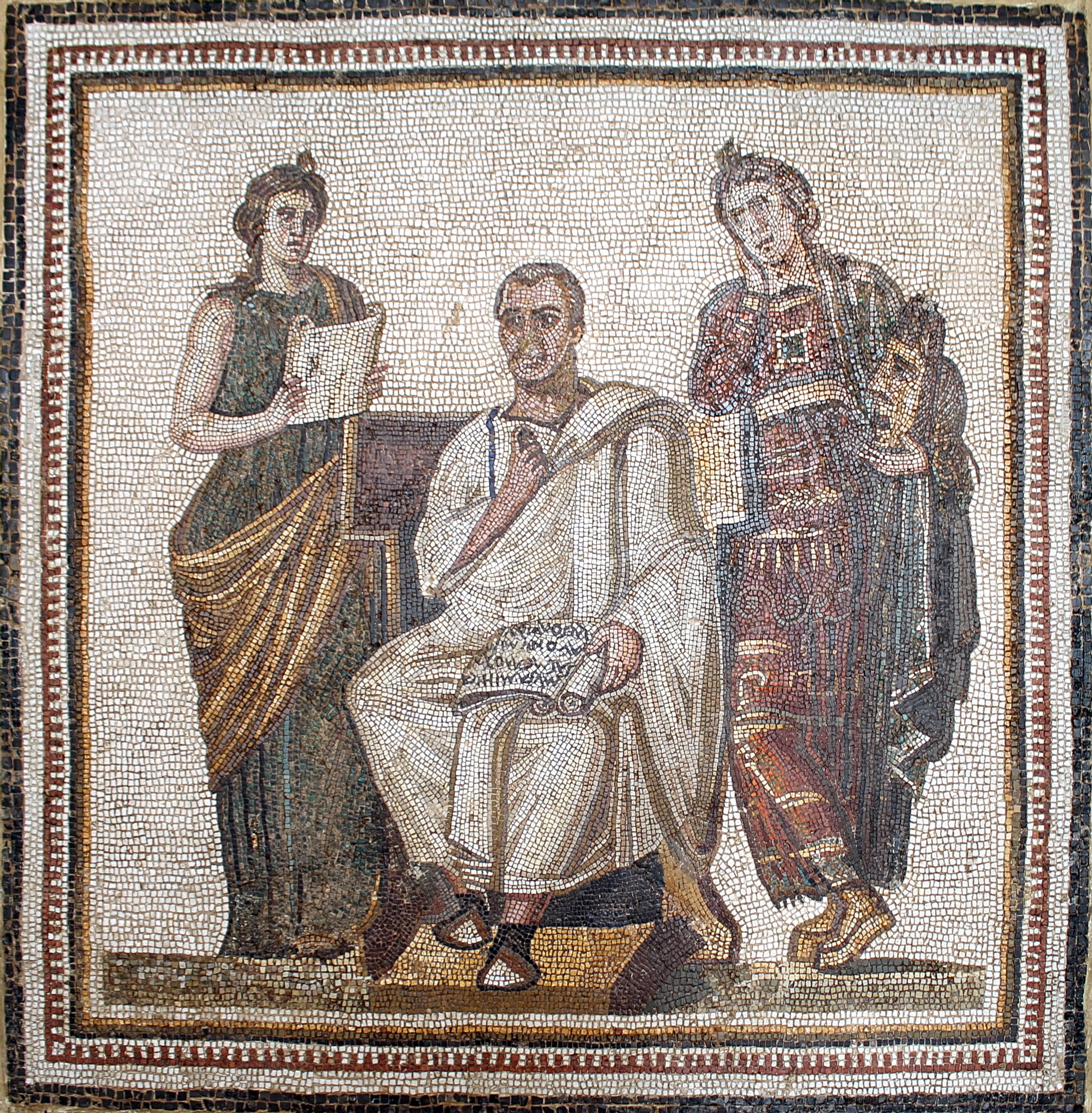
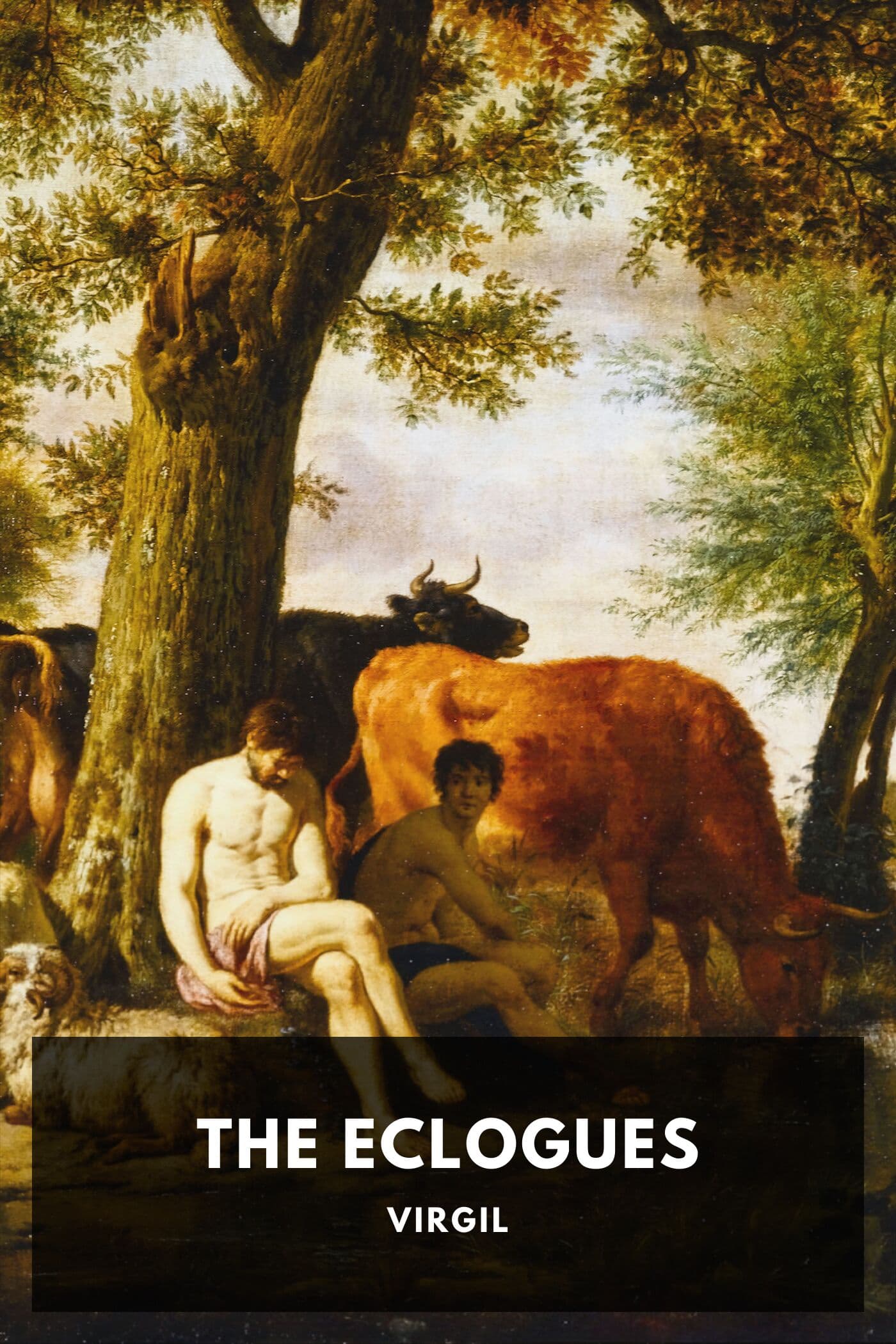
In the ash of Roman civil war, Virgil gave the world something startling: a shepherd's song that would echo for two thousand years. The ten eclogues collected here, known as the Bucolics, invented an entire literary tradition. Here is a goatherd singing to a boy who will not love him back; an old man turned from his land as soldiers march across Italy; two poets trading verses while the world changes around them. Virgil wove longing, grief, and the golden light of the Italian countryside into verses that transcended their moment. This is where Western pastoral begins, where Dante and Milton would later find their roots. For readers drawn to the origins of things, or anyone who has ever ached for what they cannot quite name, these ancient songs still speak.
Editions
X-Ray
“Amor vincit omnia, et nos cedamus amori.Love conquers all things, so we too shall yield to love.””
— Virgil
“I too am a poet who has found some favour with the Muse. I too have written songs. I too have heard the shepherds call me bard. But I take it from them with a grain of salt: I have the feeling that I cannot yet compare with Varius or Cinna, but cackle like a goose among melodious swans.””
— Virgil
“Love conquers all. Let Love then smile at our defeat.””
— Virgil
“Omnia vincit amor et nos cedamus amori.””
— Virgil
“Time carries all things, even our wits, away.””
— Virgil
“The grim lioness follows the wolf, the wolf himself the goat, the wanton goat the flowering clover, and Corydon follows you, Alexis. Each is led by his liking.””
— Virgil
“Non omnia possumus omnes(We are not all capable of all things)””
— Virgil
“Now the last age by Cumae's Sibyl sung has come and gone, and the majestic roll of circling centuries begins anew: justice returns, returns old Saturn's reign, with a new breed of men sent down from heaven. Only do thou, at the boy's birth in whom the iron shall cease, the golden race arise, befriend him, chaste Lucina; 'tis thine own apollo reigns. And in thy consulate, this glorious age, O Pollio, shall begin, and the months enter on their mighty march. Under thy guidance, whatso tracks remain of our old wickedness, once done away, shall free the earth from never-ceasing fear. He shall receive the life of gods, and see heroes with gods commingling, and himself be seen of them, and with his father's worth reign o'er a world at peace. For thee, O boy, first shall the earth, untilled, pour freely forth her childish gifts, the gadding ivy-spray with foxglove and Egyptian bean-flower mixed, and laughing-eyed acanthus. Of themselves, untended, will the she-goats then bring home their udders swollen with milk, while flocks afield shall of the monstrous lion have no fear. Thy very cradle shall pour forth for thee caressing flowers. The serpent too shall die, die shall the treacherous poison-plant, and far and wide Assyrian spices spring. But soon as thou hast skill to read of heroes' fame, and of thy father's deeds, and inly learn what virtue is, the plain by slow degrees with waving corn-crops shall to golden grow, fom the wild briar shall hang the blushing grape, and stubborn oaks sweat honey-dew. Nathless yet shall there lurk within of ancient wrong some traces, bidding tempt the deep with ships, gird towns with walls, with furrows cleave the earth. Therewith a second Tiphys shall there be, her hero-freight a second Argo bear; new wars too shall arise, and once again some great Achilles to some Troy be sent.””
— Virgil
Link to this book
Add a free, dofollow link to Lex on your blog, forum, syllabus, or reading list.

<a href="https://lex-books.com/book/the-bucolics-and-eclogues-7567461f-b54e-4d00-a048-fe3a7c6f6edf"><img src="https://lex-books.com/badges/read-on-lex.svg" alt="Read The Bucolics and Eclogues by Virgil free on Lex" width="160" height="40"></a>[](https://lex-books.com/book/the-bucolics-and-eclogues-7567461f-b54e-4d00-a048-fe3a7c6f6edf)[url=https://lex-books.com/book/the-bucolics-and-eclogues-7567461f-b54e-4d00-a048-fe3a7c6f6edf][img]https://lex-books.com/badges/read-on-lex.svg[/img][/url]Read The Bucolics and Eclogues by Virgil free on Lex: https://lex-books.com/book/the-bucolics-and-eclogues-7567461f-b54e-4d00-a048-fe3a7c6f6edfCite this book
Reading this edition for a paper or guide? Copy a citation.
Virgil. The Bucolics and Eclogues. Lex, lex-books.com/book/the-bucolics-and-eclogues-7567461f-b54e-4d00-a048-fe3a7c6f6edf.Virgil (1925). The Bucolics and Eclogues. Lex. https://lex-books.com/book/the-bucolics-and-eclogues-7567461f-b54e-4d00-a048-fe3a7c6f6edfVirgil. The Bucolics and Eclogues. Lex. https://lex-books.com/book/the-bucolics-and-eclogues-7567461f-b54e-4d00-a048-fe3a7c6f6edf.