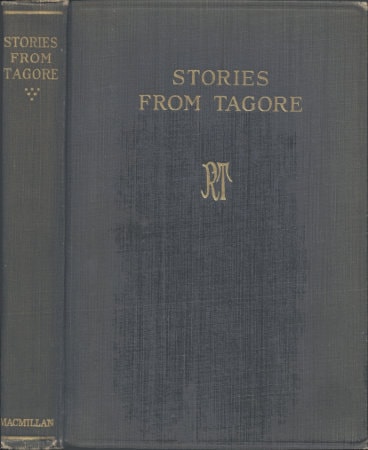
Stories from Tagore

Rabindranath Tagore won the Nobel Prize in Literature in 1913, becoming the first Asian to do so, and these early short stories reveal precisely why. Set in the villages and towns of Bengal, each narrative pulses with an uncanny tenderness: the Afghan fruit-seller who finds unexpected joy in a merchant's curious daughter, a woman waiting for a husband who may never return, servants who watch their masters with more clarity than anyone realizes. Tagore writes about ordinary people with extraordinary compassion, finding nobility in humble lives and quiet tragedy in circumstances that would pass unnoticed by other writers. The stories move between joy and sorrow with the unhurried grace of a river, and they possess a quality rare in any era: the ability to make you feel that you have been trusted with something precious. This is literature that asks only that you pay attention, and rewards that attention with a kind of peace.
Editions
X-Ray
“Alas for our foolish human nature! Its fond mistakes are persistent. The dictates of reason take a long time to assert their own sway. The surest proofs meanwhile are disbelieved. False hope is clung to with all one's might and main, till a day comes when it has sucked the heart dry and it forcibly breaks through its bonds and departs. After that comes the misery of awakening, and then once again the longing to get back into the maze of the same mistakes.””
— Rabindranath Tagore
“These were autumn mornings, the very time of year when kings of old went forth to conquest; and I, never stirring from my little corner in Calcutta, would let my mind wander over the whole world.””
— Rabindranath Tagore
“One clings desperately to some vain hope, till a day comes when it has sucked the heart dry and then it breaks through its bonds and departs. After that comes the misery of awakening, and then once again the longing to get back into the maze of the same mistakes.””
— Rabindranath Tagore
“When we express our thought in words, the medium is not found easily. There must be a process of translation, which is often inexact, and then we fall into error. But””
— Rabindranath Tagore
“Tears came to my eyes. I forgot that he was a poor Cabuli fruit-seller, while I was”
— Rabindranath Tagore
“We never cared for such useless things as knowledge. We only cared for truth. And our unsophisticated little hearts knew well where the Crystal Palace of Truth lay and how to reach it. But to-day we are expected to write pages of facts, while the truth is simply this: "There was a king.””
— Rabindranath Tagore
“In the depth of night when no one is awake to arrest me”
— Rabindranath Tagore
“Vanity is not like a horse or an elephant requiring expensive fodder.””
— Rabindranath Tagore
“It came to be the natural rule of life with him, that no one should add to the burden of the world, but that each should try to lighten it.””
— Rabindranath Tagore
Link to this book
Add a free, dofollow link to Lex on your blog, forum, syllabus, or reading list.

<a href="https://lex-books.com/book/stories-from-tagore-2fd44c60-0d48-45bd-8763-67e3e50b6b1c"><img src="https://lex-books.com/badges/read-on-lex.svg" alt="Read Stories from Tagore by Rabindranath Tagore free on Lex" width="160" height="40"></a>[](https://lex-books.com/book/stories-from-tagore-2fd44c60-0d48-45bd-8763-67e3e50b6b1c)[url=https://lex-books.com/book/stories-from-tagore-2fd44c60-0d48-45bd-8763-67e3e50b6b1c][img]https://lex-books.com/badges/read-on-lex.svg[/img][/url]Read Stories from Tagore by Rabindranath Tagore free on Lex: https://lex-books.com/book/stories-from-tagore-2fd44c60-0d48-45bd-8763-67e3e50b6b1cCite this book
Reading this edition for a paper or guide? Copy a citation.
Tagore, Rabindranath. Stories from Tagore. Lex, lex-books.com/book/stories-from-tagore-2fd44c60-0d48-45bd-8763-67e3e50b6b1c.Tagore, R. (n.d.). Stories from Tagore. Lex. https://lex-books.com/book/stories-from-tagore-2fd44c60-0d48-45bd-8763-67e3e50b6b1cTagore, Rabindranath. Stories from Tagore. Lex. https://lex-books.com/book/stories-from-tagore-2fd44c60-0d48-45bd-8763-67e3e50b6b1c.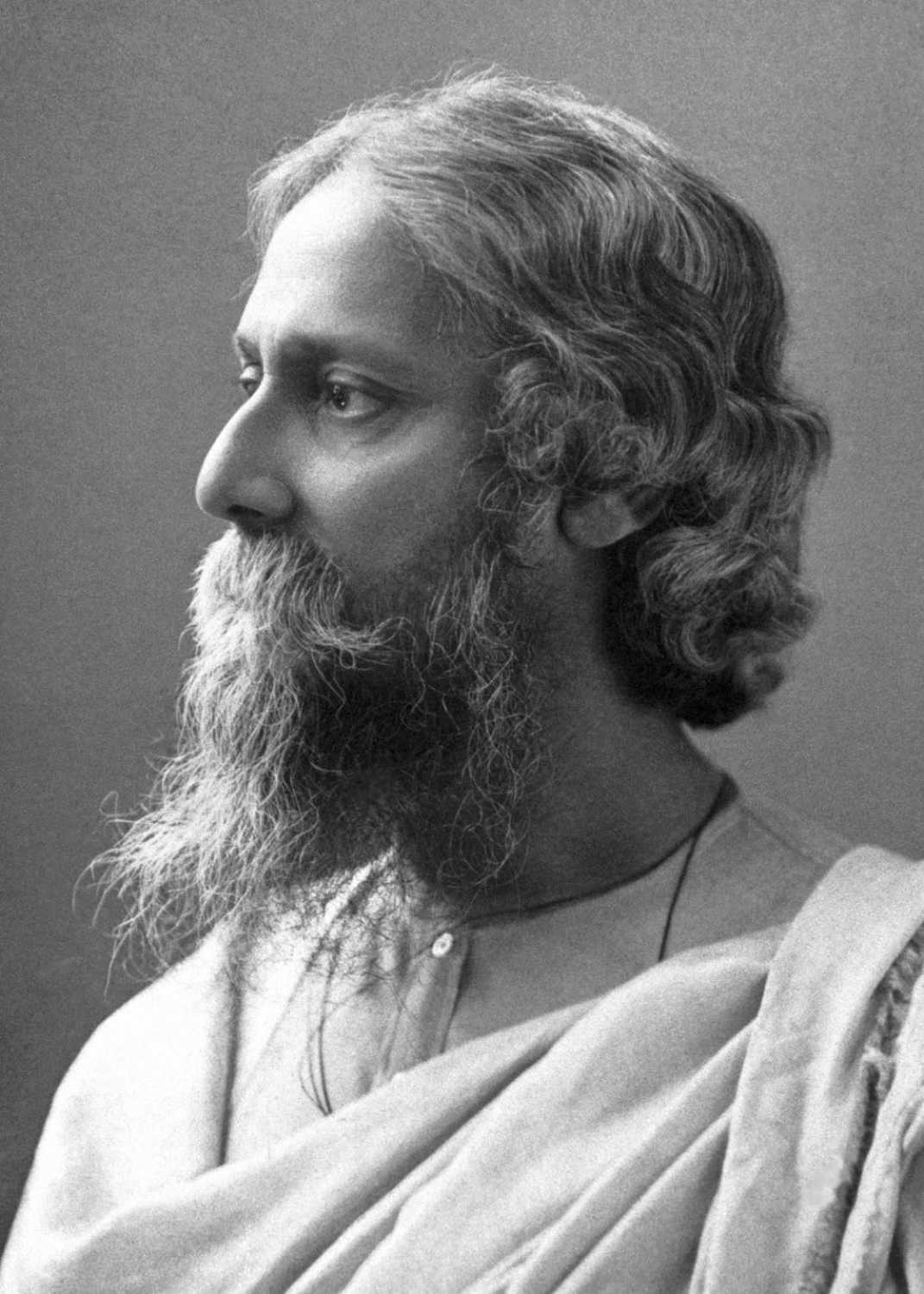
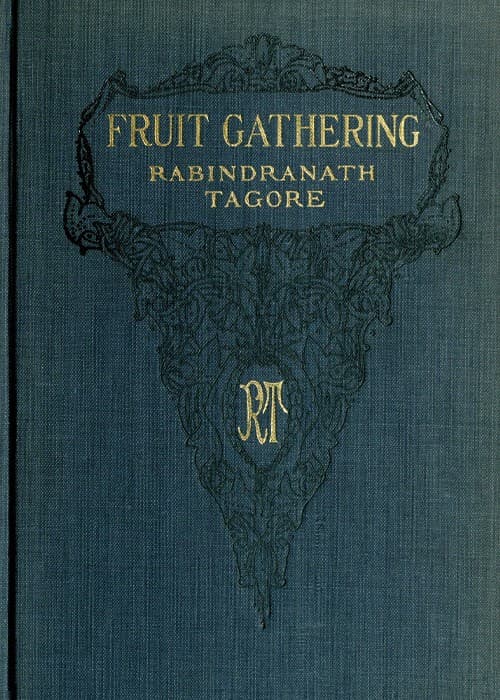
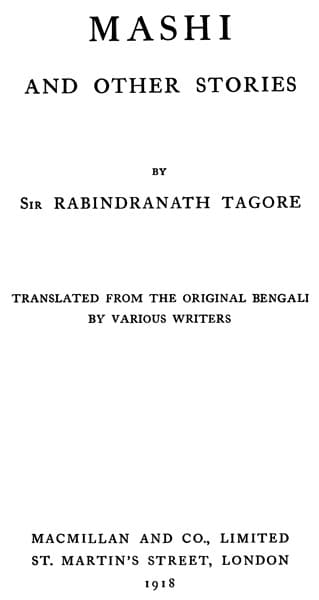

![Night Watches [complete]](/_next/image?url=https%3A%2F%2Fd3b2n8gj62qnwr.cloudfront.net%2FCOVERS%2Fgutenberg_covers75k%2Febook-12161.png&w=3840&q=75)