The Fugitive
1921
The Fugitive is a collection of lyrical poems by Rabindranath Tagore, first published in 1921. Written during the late 19th century, the poems explore themes of love, longing, and existential contemplation, reflecting on the emotional complexities of relationships and the passage of time. The work is notable for its vivid imagery and deep emotional expression, as it intertwines the spiritual and temporal, inviting readers to ponder the search for meaning and connection in life.
Editions
X-Ray
“For once be careless, timid traveller, and utterly lose your way; wide-awake though you are, be like broad daylight enticed by and netted in mist.Do not shun the garden of Lost Hearts waiting at the end of the wrong road, where the grass is strewn with wrecked red flowers, and disconsolate water heaves in the troubled sea.Long have you watched over the store gathered by weary years. Let it be stripped, with nothing remaining but the desolate triumph of losing all.””
— Rabindranath Tagore
“My mind still buzzed with the cares of a busy day; I sat on without noting how twilightwas deepening into dark.Suddenly light stirred across the gloom and touched me as with a finger.I lifted my head and met the gaze of the full moon widened in wonder like a child's. It held my eyes for long, and I felt as though a love-letter had been secretly dropped in at my window.And ever since my heart is breaking to write for answer something fragrant as Night's unseen flowers”
— Rabindranath Tagore
“In the night the song came to me; but you were not there.It found the words for which I had been seeking all day. Yes, in the stillness a moment after dark they throbbed into music, even as the stars then began to pulse with light; but you were not there. My hope was to sing it to you in the morning; but, try as I might, though the music came, the words hung back, when you were beside me.””
— Rabindranath Tagore
“I am like the night to you, little flower.I can only give you peace and a wakeful silence hidden in the dark.When in the morning you open your eyes, I shall leave you to a world a-hum with bees, and songful with birds.My last gift to you will be a tear dropped into the depth of your youth; it will make your smile all the sweeter, and bemist your outlook on the pitiless mirth of day.””
— Rabindranath Tagore
“Give me the supreme courage of love, this is my prayer”
— Rabindranath Tagore
“In the evening after they have brought their cattle home, they sit on the grass before their huts to know that you are among them unseen, to repeat in their songs the name which they have fondly given you.While kings' crowns shine and disappear like falling stars, around village huts your name rises through the still night from the simple hearts of your lovers whose names are unrecorded.””
— Rabindranath Tagore
“I have looked on this picture in many a month of March when the mustard is in bloom”
— Rabindranath Tagore
“I am the boat, you are the sea, and also the boatman.Though you never make the shore, though you let me sink, why should I be foolish and afraid?Is reaching the shore a greater prize than losing myself with you?If you are only the haven, as they say, then what is the sea?Let it surge and toss me on its waves, I shall be content.I live in you whatever and however you appear.Save me or kill me as you wish, only never leave me in other hands.””
— Rabindranath Tagore
“Eyes see only dust and earth, but feel with the heart, and know pure joy.The delights blossom on all sides in every form, but where is your heart's thread to make a wreath of them?My master's flute sounds through all things, drawing me out of my lodgings wherever they may be, and while I listen I know that every step I take is in my master's house.For he is the sea, he is the river that leads to the sea, and he is the landing-place.””
— Rabindranath Tagore
Link to this book
Add a free, dofollow link to Lex on your blog, forum, syllabus, or reading list.

<a href="https://lex-books.com/book/the-fugitive-a43db860-6e2b-4083-8b4d-00d5520ed6b7"><img src="https://lex-books.com/badges/read-on-lex.svg" alt="Read The Fugitive by Rabindranath Tagore free on Lex" width="160" height="40"></a>[](https://lex-books.com/book/the-fugitive-a43db860-6e2b-4083-8b4d-00d5520ed6b7)[url=https://lex-books.com/book/the-fugitive-a43db860-6e2b-4083-8b4d-00d5520ed6b7][img]https://lex-books.com/badges/read-on-lex.svg[/img][/url]Read The Fugitive by Rabindranath Tagore free on Lex: https://lex-books.com/book/the-fugitive-a43db860-6e2b-4083-8b4d-00d5520ed6b7Cite this book
Reading this edition for a paper or guide? Copy a citation.
Tagore, Rabindranath. The Fugitive. Lex, lex-books.com/book/the-fugitive-a43db860-6e2b-4083-8b4d-00d5520ed6b7.Tagore, R. (1921). The Fugitive. Lex. https://lex-books.com/book/the-fugitive-a43db860-6e2b-4083-8b4d-00d5520ed6b7Tagore, Rabindranath. The Fugitive. Lex. https://lex-books.com/book/the-fugitive-a43db860-6e2b-4083-8b4d-00d5520ed6b7.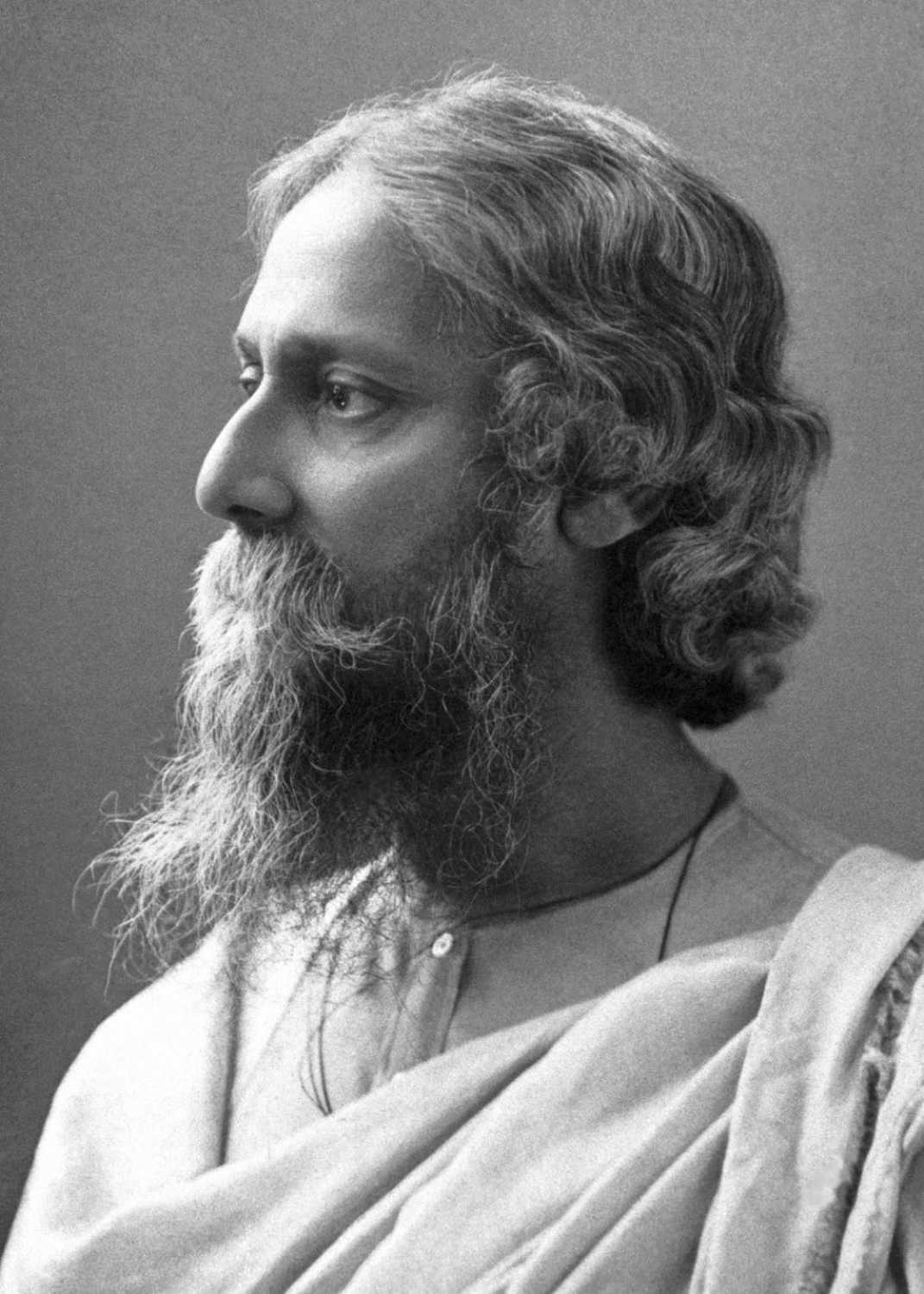



![Birds and Nature, Vol. 12 No. 1 [June 1902]illustrated by Color Photography](/_next/image?url=https%3A%2F%2Fd3b2n8gj62qnwr.cloudfront.net%2FCOVERS%2Fgutenberg_covers75k%2Febook-47881.png&w=3840&q=75)