Sonnets from the Portuguese

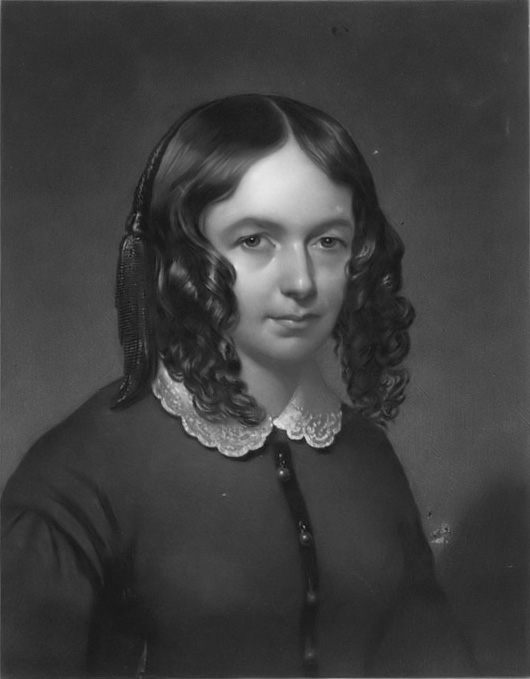
These forty-four sonnets read like love letters intercepted before they could be sent, urgent, intimate, trembling with the fear of being seen. Written in secret during Elizabeth Barrett Browning's courtship with Robert Browning, they chronicle the precise moment a reclusive poet, confined to her father's house and her own frailty, allowed herself to be found. The sequence moves from doubt to surrender, from "I love no more" to the famous declaration that love has "depth and breadth and height" the soul can reach. Barrett Browning nearly burned them. She publish them disguised as translations from a fictional Portuguese poet, hoping to shield their personal origin. Robert Browning convinced her otherwise, calling them the best English sonnets since Shakespeare. He called her "my little Portuguese," and she named the collection after that term of endearment. The result is one of the most passionate love sequences in the language, poems that feel like watching someone learn, in real time, that they are worthy of being loved.
Editions


Link to this book
Add a free, dofollow link to Lex on your blog, forum, syllabus, or reading list.

<a href="https://lex-books.com/book/sonnets-from-the-portuguese-1ed32e36-8bce-4dbc-8d18-792210c5c612"><img src="https://lex-books.com/badges/read-on-lex.svg" alt="Read Sonnets from the Portuguese by Elizabeth Barrett Browning free on Lex" width="160" height="40"></a>[](https://lex-books.com/book/sonnets-from-the-portuguese-1ed32e36-8bce-4dbc-8d18-792210c5c612)[url=https://lex-books.com/book/sonnets-from-the-portuguese-1ed32e36-8bce-4dbc-8d18-792210c5c612][img]https://lex-books.com/badges/read-on-lex.svg[/img][/url]Read Sonnets from the Portuguese by Elizabeth Barrett Browning free on Lex: https://lex-books.com/book/sonnets-from-the-portuguese-1ed32e36-8bce-4dbc-8d18-792210c5c612Cite this book
Reading this edition for a paper or guide? Copy a citation.
Browning, Elizabeth Barrett. Sonnets from the Portuguese. Lex, lex-books.com/book/sonnets-from-the-portuguese-1ed32e36-8bce-4dbc-8d18-792210c5c612.Browning, E. B. (n.d.). Sonnets from the Portuguese. Lex. https://lex-books.com/book/sonnets-from-the-portuguese-1ed32e36-8bce-4dbc-8d18-792210c5c612Browning, Elizabeth Barrett. Sonnets from the Portuguese. Lex. https://lex-books.com/book/sonnets-from-the-portuguese-1ed32e36-8bce-4dbc-8d18-792210c5c612.