Sonnet 43
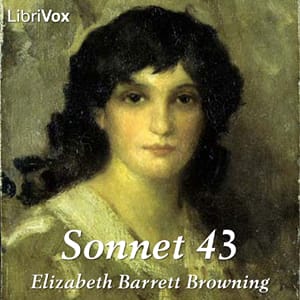
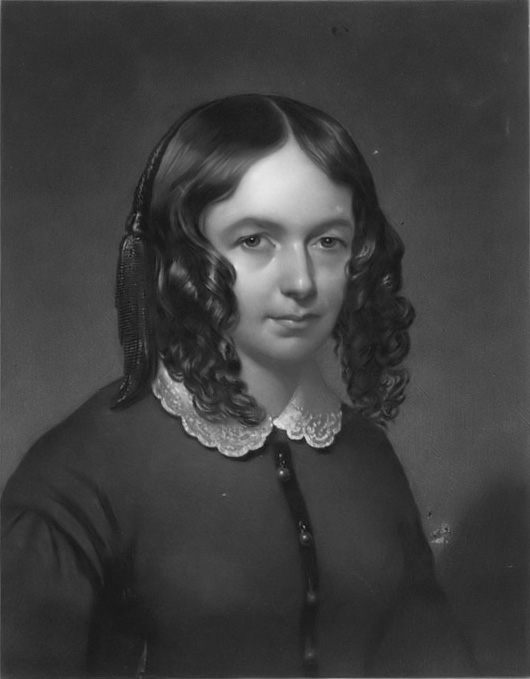
"How do I love thee?" These five words have echoed through nearly two centuries of lovers' lips. Elizabeth Barrett Browning's Sonnet 43, the most renowned from her collection "Sonnets from the Portuguese," stands as perhaps the most powerful declaration of love in the English language. Written in 1850 for her husband Robert Browning, the poem counts the ways of loving: "I love thee to the depth and breadth and height / My soul can reach." Each quatrain expands the scope of her devotion beyond romance into spirituality, ethics, and eternity. The final couplet lands with quiet certainty: "And, if God choose, / I shall but love thee better after death." This is love as transcendence, as permanent fixture in the soul. The poem endures because it names what we all want: love so complete it becomes a form of prayer. Whether read at weddings or alone at midnight, it still aches with authenticity.
Editions

Read by
Group Narration
23 readers
Alan Davis Drake (1945-2010), Amalor Myrnnyx, Ancilla, Annie Coleman Rothenberg +19 more
Link to this book
Add a free, dofollow link to Lex on your blog, forum, syllabus, or reading list.

<a href="https://lex-books.com/book/sonnet-43-0ed03a0b-0693-43e2-8fcb-4407a9be8a8c"><img src="https://lex-books.com/badges/read-on-lex.svg" alt="Read Sonnet 43 by Elizabeth Barrett Browning free on Lex" width="160" height="40"></a>[](https://lex-books.com/book/sonnet-43-0ed03a0b-0693-43e2-8fcb-4407a9be8a8c)[url=https://lex-books.com/book/sonnet-43-0ed03a0b-0693-43e2-8fcb-4407a9be8a8c][img]https://lex-books.com/badges/read-on-lex.svg[/img][/url]Read Sonnet 43 by Elizabeth Barrett Browning free on Lex: https://lex-books.com/book/sonnet-43-0ed03a0b-0693-43e2-8fcb-4407a9be8a8cCite this book
Reading this edition for a paper or guide? Copy a citation.
Browning, Elizabeth Barrett. Sonnet 43. Lex, lex-books.com/book/sonnet-43-0ed03a0b-0693-43e2-8fcb-4407a9be8a8c.Browning, E. B. (n.d.). Sonnet 43. Lex. https://lex-books.com/book/sonnet-43-0ed03a0b-0693-43e2-8fcb-4407a9be8a8cBrowning, Elizabeth Barrett. Sonnet 43. Lex. https://lex-books.com/book/sonnet-43-0ed03a0b-0693-43e2-8fcb-4407a9be8a8c.