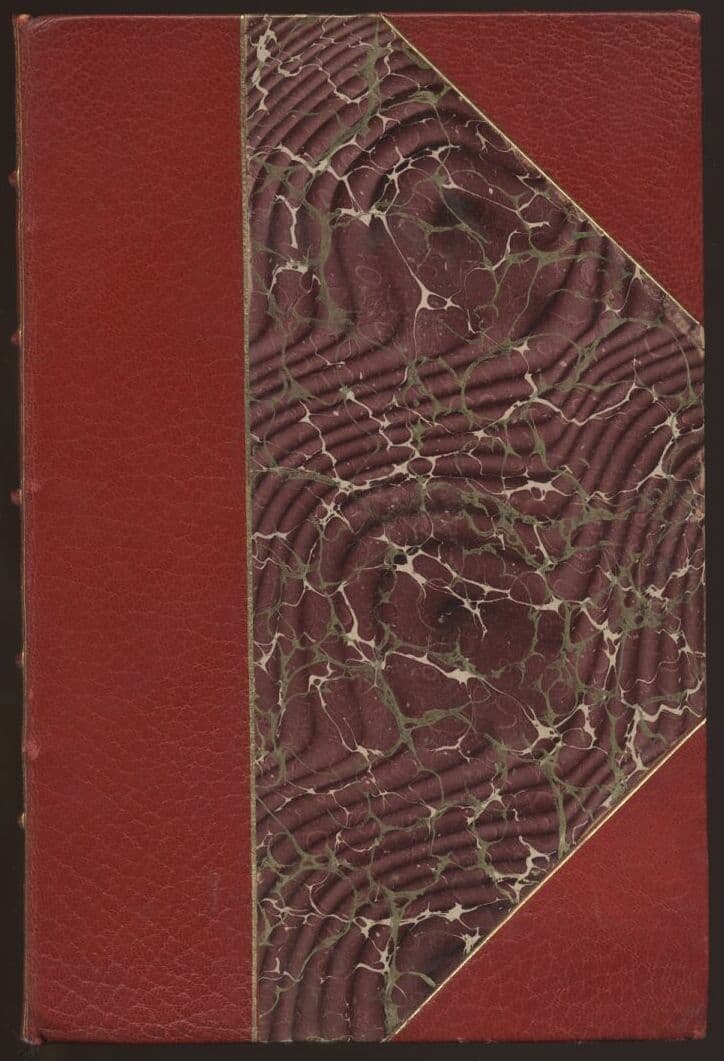
Prufrock and Other Observations
1917
In 1917, a young poet published a collection that shattered everything English poetry thought it knew about itself. The opening poem, 'The Love Song of J. Alfred Prufrock,' introduced a narrator so paralyzed by self-consciousness that he cannot even finish an invitation to dinner. 'Do I dare to eat a peach?' he wonders, measuring out his life 'with coffee spoons.' The question echoes across a century: in an age of infinite choice, have we become unable to choose anything at all? Eliot's speakers drift through city streets at night, through tedious social gatherings, through the mundane rhythms of urban existence, searching for some authentic moment that never arrives. These are poems of fragmentation and urban alienation, where the modern self feels shattered, watched, inadequate. Yet for all its despair, the collection crackles with dark wit and precise, unforgettable imagery, yellow smoke rubbing its back along the pavement, the evening spread out against the sky like a patient etherized upon a table. This is the poetry that birthed modernism, the template every subsequent poet has had to reckon with. It speaks to anyone who has ever felt trapped in their own head, who measures life in small hesitations and missed connections.
Editions
X-Ray
“For I have known them all already, known them all”
— T. S. Eliot
“I have heard the mermaids singing, each to each. I do not think that they will sing to me.””
— T. S. Eliot
“We have lingered in the chambers of the seaBy sea-girls wreathed with seaweed red and brownTill human voices wake us... and we drown.””
— T. S. Eliot
“And would it have been worth it, after all,Would it have been worth while,After the sunsets and the dooryards and the sprinkled streets, After the novels, after the teacups, after the skirts that trail along the floor - And this, and so much more? -””
— T. S. Eliot
“I have seen the moment of my greatness flicker, and I have seen the eternal Footman hold my coat, and snicker, and in short, I was afraid.””
— T. S. Eliot
“I grow old … I grow old … I shall wear the bottoms of my trousers rolled.””
— T. S. Eliot
“I should have been a pair of ragged claws/ Scuttling across the floors of silent seas.””
— T. S. Eliot
“I have seen them riding seaward on the waves Combing the white hair of the waves blown back When the wind blows the water white and black. We have lingered in the chambers of the sea By sea-girls wreathed with seaweed red and brown Till human voices wake us, and we drown.””
— T. S. Eliot
“I grow old … I grow old … I shall wear the bottoms of my trousers rolled. Shall I part my hair behind? Do I dare to eat a peach? I shall wear white flannel trousers, and walk upon the beach. I have heard the mermaids singing, each to each. I do not think that they will sing to me. I have seen them riding seaward on the waves Combing the white hair of the waves blown back When the wind blows the water white and black. We have lingered in the chambers of the sea By sea-girls wreathed with seaweed red and brown Till human voices wake us, and we drown.””
— T. S. Eliot
Link to this book
Add a free, dofollow link to Lex on your blog, forum, syllabus, or reading list.

<a href="https://lex-books.com/book/prufrock-and-other-observations-35cc72d1-508b-4012-b99f-790a85398e97"><img src="https://lex-books.com/badges/read-on-lex.svg" alt="Read Prufrock and Other Observations by T. S. Eliot free on Lex" width="160" height="40"></a>[](https://lex-books.com/book/prufrock-and-other-observations-35cc72d1-508b-4012-b99f-790a85398e97)[url=https://lex-books.com/book/prufrock-and-other-observations-35cc72d1-508b-4012-b99f-790a85398e97][img]https://lex-books.com/badges/read-on-lex.svg[/img][/url]Read Prufrock and Other Observations by T. S. Eliot free on Lex: https://lex-books.com/book/prufrock-and-other-observations-35cc72d1-508b-4012-b99f-790a85398e97Cite this book
Reading this edition for a paper or guide? Copy a citation.
Eliot, T. S.. Prufrock and Other Observations. Lex, lex-books.com/book/prufrock-and-other-observations-35cc72d1-508b-4012-b99f-790a85398e97.Eliot, T. S. (1917). Prufrock and Other Observations. Lex. https://lex-books.com/book/prufrock-and-other-observations-35cc72d1-508b-4012-b99f-790a85398e97Eliot, T. S.. Prufrock and Other Observations. Lex. https://lex-books.com/book/prufrock-and-other-observations-35cc72d1-508b-4012-b99f-790a85398e97.