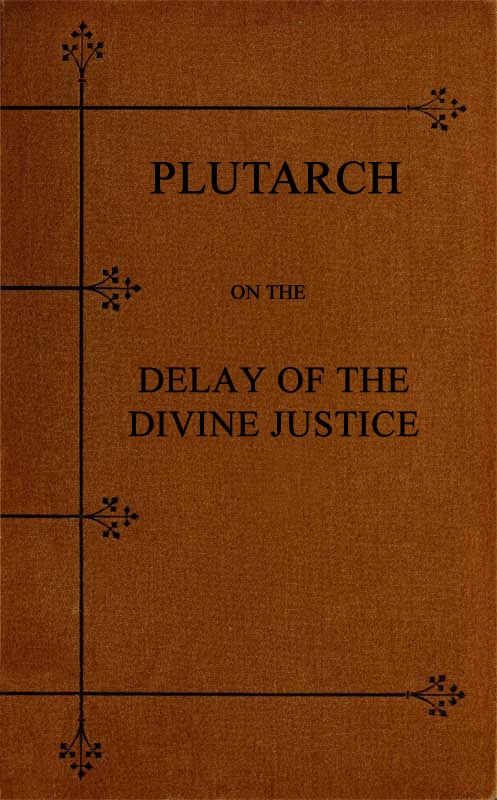
This is a philosophical dialogue from ancient Greece addressing one of humanity's most persistent theological puzzles: why do the wicked sometimes prosper while the innocent suffer? Plutarch, the great moralist of the classical world, presents a gathering of thinkers who wrestle with Epicurus's famous challenge to divine providence. If the gods are both powerful and good, why does justice appear so slow? The dialogue explores the visceral discomfort of watching evil go unpunished, the temptation to doubt divine benevolence entirely, and Plutarch's own elegant answer: that such delays serve higher purposes, giving the wicked opportunity to reform while exemplifying virtues like clemency and patience. This isn't abstract theology but urgent moral philosophy about how to live with the world's apparent unfairness. For readers grappling with questions of justice, faith, and the nature of moral order, Plutarch offers not simple answers but a dignified framework for sustaining belief in meaning amid suffering.