On a Chinese Screen
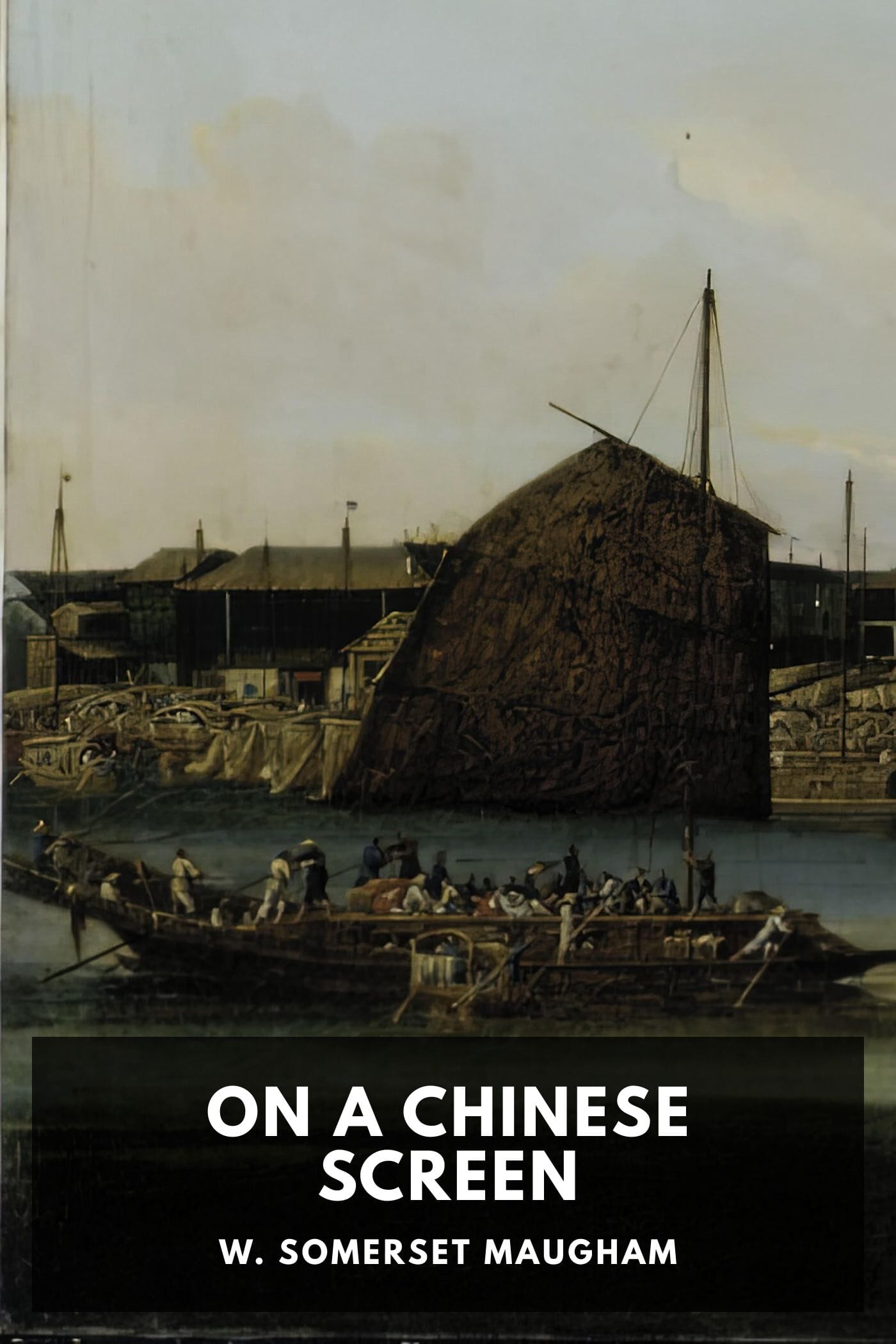
In the wake of WWI, W. Somerset Maugham embarked on a transformative journey up the the Yangtze River, a sojourn that yielded *On a Chinese Screen*. This collection of 58 vignettes, more a series of psychological portraits than travelogue, offers a piercing look at the European expatriate community in China during the early 20th century. Maugham, ever the astute observer of human folly and pretense, dissects the lives of diplomats, missionaries, merchants, and adventurers, revealing their often-stifling insularity, their barely concealed prejudices, and their complex, sometimes pathetic, struggles with a culture they rarely sought to understand beyond its utility to their own ambitions. His gaze is unflinching, often critical, yet always imbued with a novelist's deep curiosity for the human condition. While the "Chinese screen" of the title provides a vibrant backdrop, the true focus is on the dramas unfolding before it—the quiet desperation, the petty grievances, and the profound loneliness of individuals adrift in a foreign land. Maugham’s prose, precise and elegant, elevates these fleeting encounters into enduring studies of cultural alienation and the enduring human capacity for both resilience and self-deception. This isn't a book about China, but rather a masterclass in character study, using a specific historical moment and geographical setting to illuminate universal truths about identity, belonging, and the often-uncomfortable mirror of the 'other.' It’s a fascinating precursor to his later, more expansive novels set in the East, offering a distilled glimpse into the themes and psychological depth that would define his enduring legacy.
Editions

Link to this book
Add a free, dofollow link to Lex on your blog, forum, syllabus, or reading list.

<a href="https://lex-books.com/book/on-a-chinese-screen-b13eeeea-a0bb-4f22-889b-caf9f1ec30c1"><img src="https://lex-books.com/badges/read-on-lex.svg" alt="Read On a Chinese Screen by W. Somerset Maugham free on Lex" width="160" height="40"></a>[](https://lex-books.com/book/on-a-chinese-screen-b13eeeea-a0bb-4f22-889b-caf9f1ec30c1)[url=https://lex-books.com/book/on-a-chinese-screen-b13eeeea-a0bb-4f22-889b-caf9f1ec30c1][img]https://lex-books.com/badges/read-on-lex.svg[/img][/url]Read On a Chinese Screen by W. Somerset Maugham free on Lex: https://lex-books.com/book/on-a-chinese-screen-b13eeeea-a0bb-4f22-889b-caf9f1ec30c1Cite this book
Reading this edition for a paper or guide? Copy a citation.
Maugham, W. Somerset. On a Chinese Screen. Lex, lex-books.com/book/on-a-chinese-screen-b13eeeea-a0bb-4f22-889b-caf9f1ec30c1.Maugham, W. S. (n.d.). On a Chinese Screen. Lex. https://lex-books.com/book/on-a-chinese-screen-b13eeeea-a0bb-4f22-889b-caf9f1ec30c1Maugham, W. Somerset. On a Chinese Screen. Lex. https://lex-books.com/book/on-a-chinese-screen-b13eeeea-a0bb-4f22-889b-caf9f1ec30c1.