Nuoren Wertherin Kärsimykset
1774
Nuoren Wertherin Kärsimykset
1774
Translated by Volter Kilpi
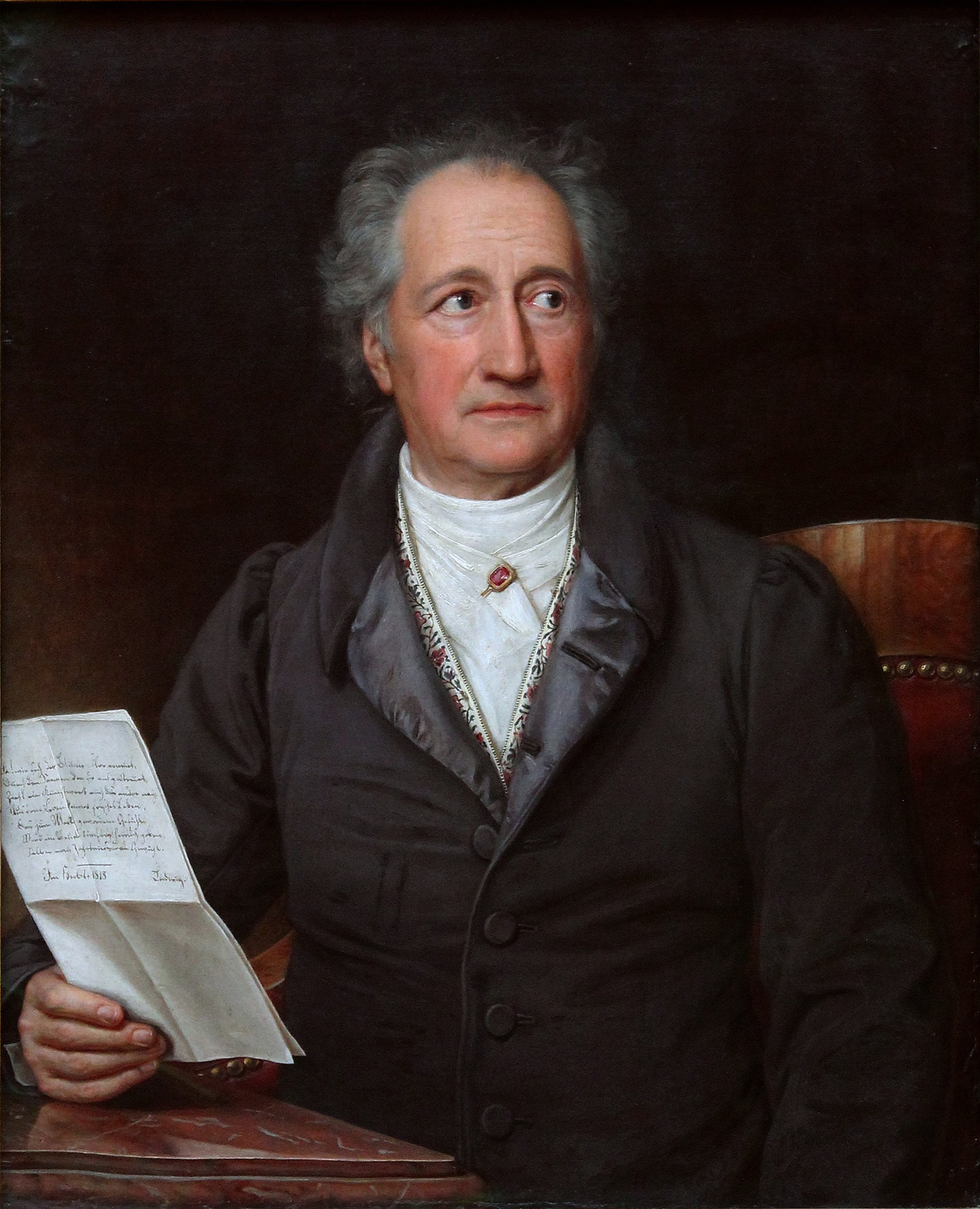
Nuoren Wertherin Kärsimykset, published in 1774 by Johann Wolfgang von Goethe, is a novel that explores the emotional turmoil of a young artist named Werther. Through a series of letters to his friend Wilhelm, Werther articulates his deep feelings of unrequited love for a woman named Leonore, alongside his philosophical reflections on life and the human condition. This work is notable for its profound exploration of romantic anguish and has had a significant influence on the Sturm und Drang literary movement in Germany.
Editions
X-Ray
“The human race is a monotonous affair. Most people spend the greatest part of their time working in order to live, and what little freedom remains so fills them with fear that they seek out any and every means to be rid of it.””
— Johann Wolfgang von Goethe
“I have so much in me, and the feeling for her absorbs it all; I have so much, and without her it all comes to nothing.””
— Johann Wolfgang von Goethe
“I am proud of my heart alone, it is the sole source of everything, all our strength, happiness and misery. All the knowledge I possess everyone else can acquire, but my heart is all my own””
— Johann Wolfgang von Goethe
“No one is willing to believe that adults too, like children, wander about this earth in a daze and, like children, do not know where they come from or where they are going, act as rarely as they do according to genuine motives, and are as thoroughly governed as they are by biscuits and cake and the rod.””
— Johann Wolfgang von Goethe
“Sometimes I don't understand how another can love her, is allowed to love her, since I love her so completely myself, so intensely, so fully, grasp nothing, know nothing, have nothing but her!””
— Johann Wolfgang von Goethe
“It's true that nothing in this world makes us so necessary to others as the affection we have for them.””
— Johann Wolfgang von Goethe
“Is this the destiny of man? Is he only happy before he has acquired his reason or after he has lost it?””
— Johann Wolfgang von Goethe
“The suffering may be moral or physical; and in my opinion it is just as absurd to call a man a coward who destroys himself, as to call a man a coward who dies of a malignant fever.””
— Johann Wolfgang von Goethe
“And when I look around the apartment where I now am,”
— Johann Wolfgang von Goethe
Link to this book
Add a free, dofollow link to Lex on your blog, forum, syllabus, or reading list.

<a href="https://lex-books.com/book/nuoren-wertherin-k-rsimykset-70381ad8-382a-474c-af3c-755a60a3592f"><img src="https://lex-books.com/badges/read-on-lex.svg" alt="Read Nuoren Wertherin Kärsimykset by Johann Wolfgang von Goethe free on Lex" width="160" height="40"></a>[](https://lex-books.com/book/nuoren-wertherin-k-rsimykset-70381ad8-382a-474c-af3c-755a60a3592f)[url=https://lex-books.com/book/nuoren-wertherin-k-rsimykset-70381ad8-382a-474c-af3c-755a60a3592f][img]https://lex-books.com/badges/read-on-lex.svg[/img][/url]Read Nuoren Wertherin Kärsimykset by Johann Wolfgang von Goethe free on Lex: https://lex-books.com/book/nuoren-wertherin-k-rsimykset-70381ad8-382a-474c-af3c-755a60a3592fCite this book
Reading this edition for a paper or guide? Copy a citation.
Goethe, Johann Wolfgang von. Nuoren Wertherin Kärsimykset. Lex, lex-books.com/book/nuoren-wertherin-k-rsimykset-70381ad8-382a-474c-af3c-755a60a3592f.Goethe, J. W. V. (1774). Nuoren Wertherin Kärsimykset. Lex. https://lex-books.com/book/nuoren-wertherin-k-rsimykset-70381ad8-382a-474c-af3c-755a60a3592fGoethe, Johann Wolfgang von. Nuoren Wertherin Kärsimykset. Lex. https://lex-books.com/book/nuoren-wertherin-k-rsimykset-70381ad8-382a-474c-af3c-755a60a3592f.