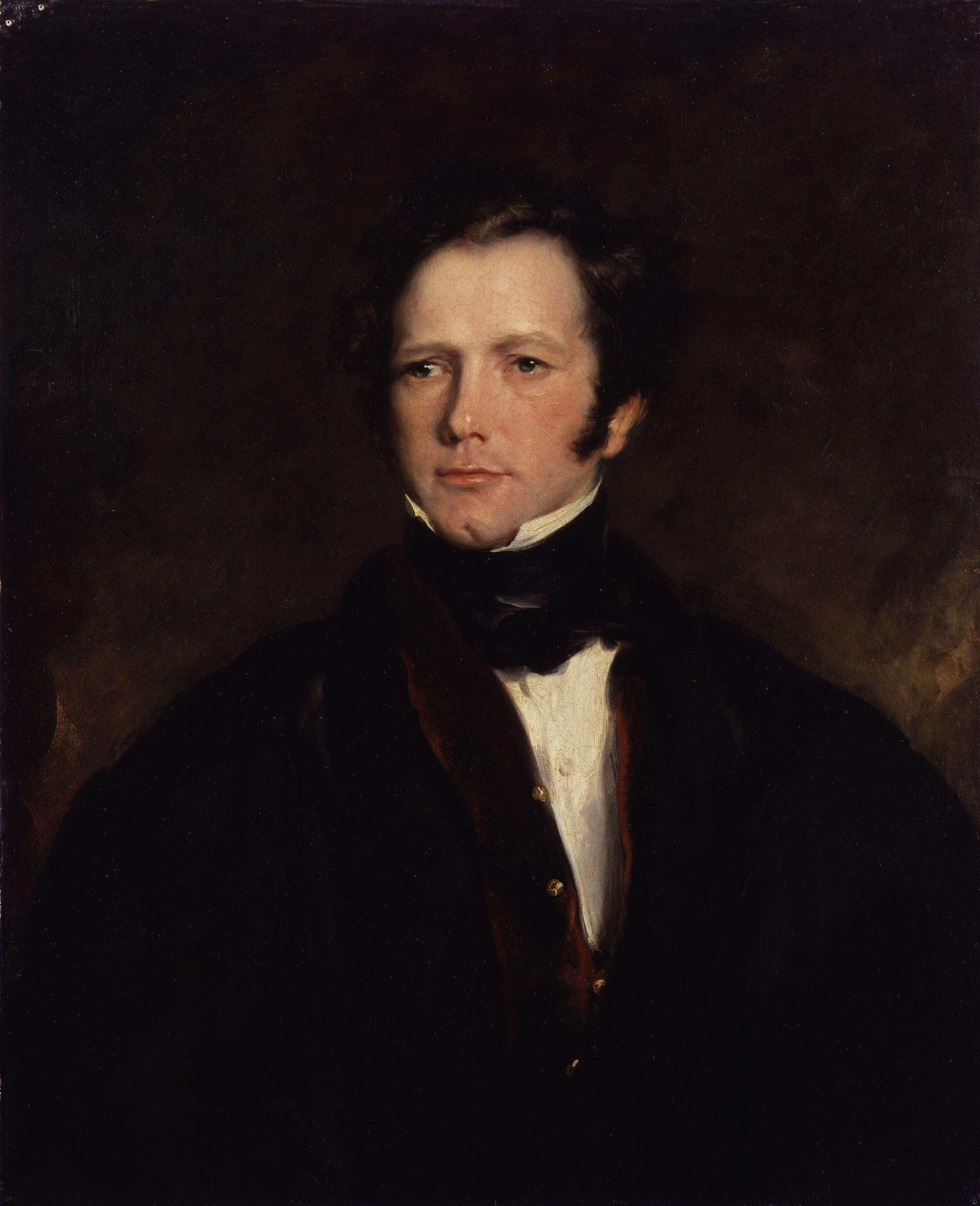
Mr. Midshipman Easy
1836
Jack Easy enters the world with a peculiar inheritance: a father who has spent years pontificating about the rights of man and the equality of all souls. Nicodemus Easy is a Hampshire gentleman whose philosophical musings about liberty sound revolutionary at dinner tables, yet somehow never interfere with his comfortable lifestyle. When young Jack sets sail as a midshipman in Nelson's navy, he carries his father's ideals into a world built on hierarchy, caning, and the brutal economics of maritime power. The comedy crackles as Jack discovers that the abstract equality his father preached meets the hard reality of a ship's deck where the captain's word is law and a pressed man has no more freedom than a slave. Frederick Marryat drew this novel from his own service under Lord Thomas Cochrane, and the nautical details ring with the authority of someone who has actually weathered gales and traded broadsides with the enemy. But what elevates the book beyond mere adventure yarn is its satirical edge. Jack's earnest attempts to treat his shipmates as equals create chaos, while his father's philosophy proves far easier to proclaim from a country estate than to practice aboard a man-of-war. The novel crackles with wit, navigates French prisons and love affairs, and builds toward a coming-of-age that involves learning when principles matter and when survival demands compromise. The book endures because Marryat understood something essential: ideas have consequences, and the collision between idealism and experience makes for magnificent drama. Joseph Conrad, Ernest Hemingway, and Ford Madox Ford all recognized Marryat as a master, with Ford calling him the greatest of English novelists. For readers who want adventure that thinks as well as it thrills, this remains the gold standard of 19th-century sea fiction.
Editions
X-Ray
“My wisdom is for my friends, my folly for myself.””
— Frederick Marryat
“Philosophy is said to console a man under disappointment, although Shakespeare asserts that it is no remedy for a toothache; so Mr Easy turned philosopher, the very best profession a man can take up who is fit for nothing else.””
— Frederick Marryat
“The wine was good, if the arguments were not, and we must take things as we find them in this world.””
— Frederick Marryat
“In Frederick Marryat's Jack's father, Mr. Easy, became a(n) ____________ as it was the very best profession a man can take up who is fit for nothing else. ””
— Frederick Marryat
“here I am, after having been a warrior and a prince, cook, steward and everything else, boiling kettle for de young gentlemen.””
— Frederick Marryat
“Thus did Jack Easy make the best use that he could of his strength, and become, as it were, the champion and security””
— Frederick Marryat
Link to this book
Add a free, dofollow link to Lex on your blog, forum, syllabus, or reading list.

<a href="https://lex-books.com/book/mr-midshipman-easy-5f6b19ca-68fe-4015-8905-916de41719cc"><img src="https://lex-books.com/badges/read-on-lex.svg" alt="Read Mr. Midshipman Easy by Frederick Marryat free on Lex" width="160" height="40"></a>[](https://lex-books.com/book/mr-midshipman-easy-5f6b19ca-68fe-4015-8905-916de41719cc)[url=https://lex-books.com/book/mr-midshipman-easy-5f6b19ca-68fe-4015-8905-916de41719cc][img]https://lex-books.com/badges/read-on-lex.svg[/img][/url]Read Mr. Midshipman Easy by Frederick Marryat free on Lex: https://lex-books.com/book/mr-midshipman-easy-5f6b19ca-68fe-4015-8905-916de41719ccCite this book
Reading this edition for a paper or guide? Copy a citation.
Marryat, Frederick. Mr. Midshipman Easy. Lex, lex-books.com/book/mr-midshipman-easy-5f6b19ca-68fe-4015-8905-916de41719cc.Marryat, F. (1836). Mr. Midshipman Easy. Lex. https://lex-books.com/book/mr-midshipman-easy-5f6b19ca-68fe-4015-8905-916de41719ccMarryat, Frederick. Mr. Midshipman Easy. Lex. https://lex-books.com/book/mr-midshipman-easy-5f6b19ca-68fe-4015-8905-916de41719cc.