Moral letters to Lucilius (Epistulae morales ad Lucilium)
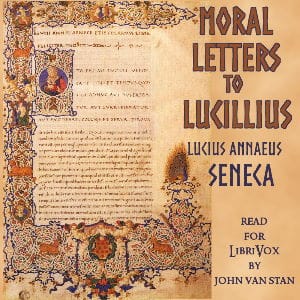
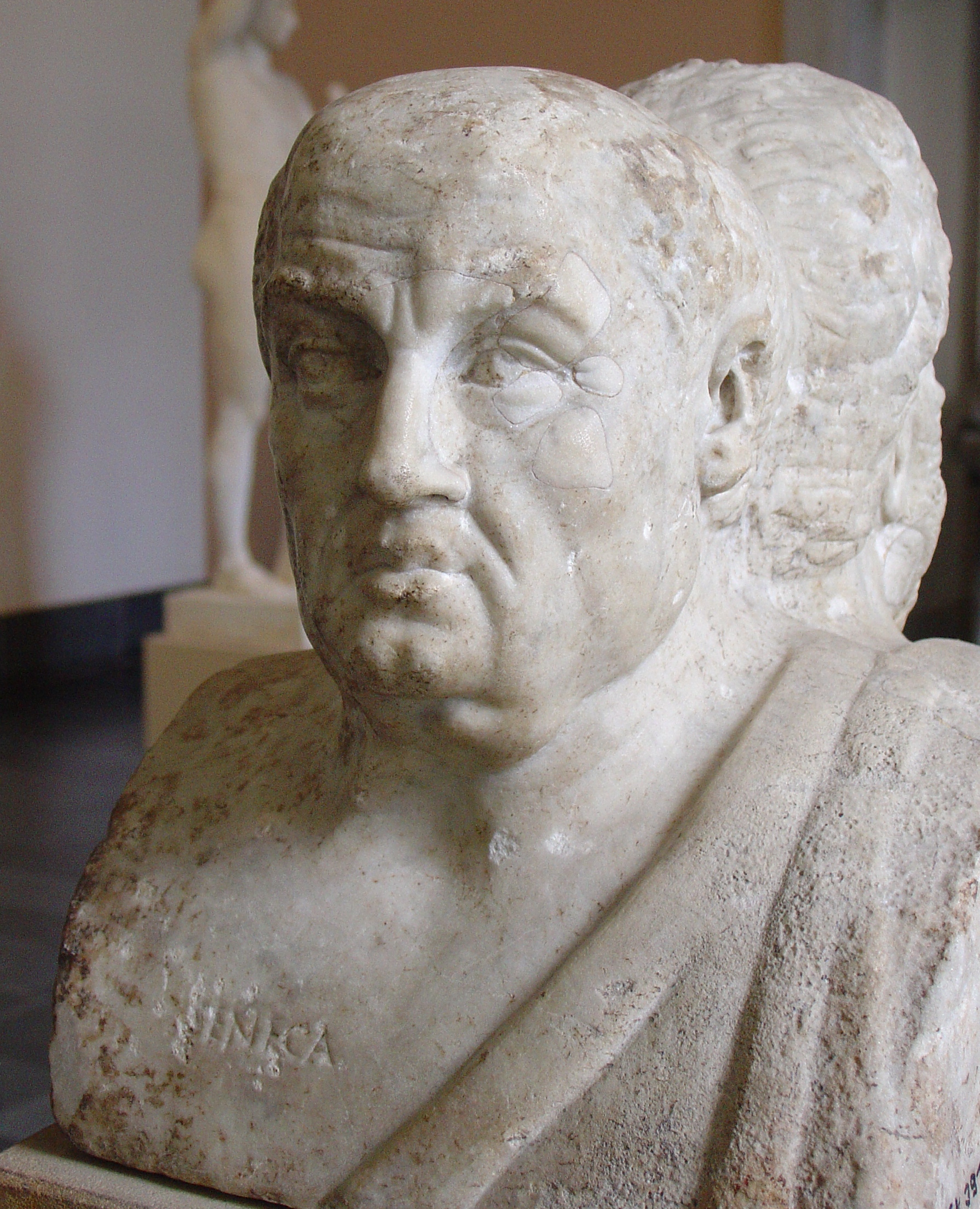
If you could ask a wise friend how to live with less fear, less anger, and more meaning, these are the letters they might write. Seneca composed these 124 missives to his younger friend Lucilius around 65 CE, near the end of his own turbulent life, and something remarkable happened: the greatest Stoic teacher in Rome turned philosophy from abstract doctrine into intimate conversation. He writes about wealth and poverty, about grief and old age, about the terror of death and the art of spending time well. He admits his own failures. He quotes poets, observes nature, and occasionally launches fierce attacks on the foolishness of his contemporaries. These are not lectures. They are dispatches from one human being to another, wrestling with the same questions that keep you awake at 2am. The power lies in Seneca's willingness to be honest about how hard it is to live wisely, even when you know better. Two thousand years later, these letters remain the most accessible and humane gateway into Stoic thought.
Editions

Link to this book
Add a free, dofollow link to Lex on your blog, forum, syllabus, or reading list.

<a href="https://lex-books.com/book/moral-letters-to-lucilius-epistulae-morales-ad-lucilium-662dc8a6-7a29-46b9-b0fe-8318a7fdd1d0"><img src="https://lex-books.com/badges/read-on-lex.svg" alt="Read Moral letters to Lucilius (Epistulae morales ad Lucilium) by Lucius Annaeus Seneca free on Lex" width="160" height="40"></a>[](https://lex-books.com/book/moral-letters-to-lucilius-epistulae-morales-ad-lucilium-662dc8a6-7a29-46b9-b0fe-8318a7fdd1d0)[url=https://lex-books.com/book/moral-letters-to-lucilius-epistulae-morales-ad-lucilium-662dc8a6-7a29-46b9-b0fe-8318a7fdd1d0][img]https://lex-books.com/badges/read-on-lex.svg[/img][/url]Read Moral letters to Lucilius (Epistulae morales ad Lucilium) by Lucius Annaeus Seneca free on Lex: https://lex-books.com/book/moral-letters-to-lucilius-epistulae-morales-ad-lucilium-662dc8a6-7a29-46b9-b0fe-8318a7fdd1d0Cite this book
Reading this edition for a paper or guide? Copy a citation.
Seneca, Lucius Annaeus. Moral letters to Lucilius (Epistulae morales ad Lucilium). Lex, lex-books.com/book/moral-letters-to-lucilius-epistulae-morales-ad-lucilium-662dc8a6-7a29-46b9-b0fe-8318a7fdd1d0.Seneca, L. A. (n.d.). Moral letters to Lucilius (Epistulae morales ad Lucilium). Lex. https://lex-books.com/book/moral-letters-to-lucilius-epistulae-morales-ad-lucilium-662dc8a6-7a29-46b9-b0fe-8318a7fdd1d0Seneca, Lucius Annaeus. Moral letters to Lucilius (Epistulae morales ad Lucilium). Lex. https://lex-books.com/book/moral-letters-to-lucilius-epistulae-morales-ad-lucilium-662dc8a6-7a29-46b9-b0fe-8318a7fdd1d0.