Maggie: A Girl of the Streets
1893
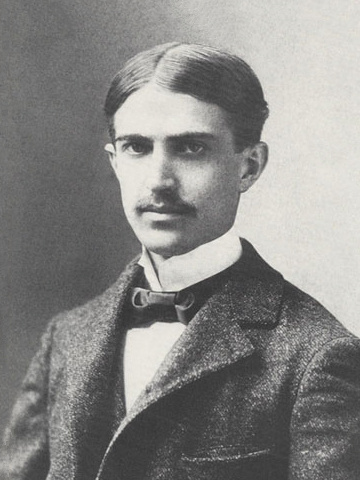
In the Bowery's tenements, a girl with eyes like the glimpses of a tomb reaches for something more. Maggie Johnson wants love, dignity, a life beyond Rum Alley's violence and her brutal family. Then she meets Pete. What follows is one of American literature's most ruthless portraits of hope crushed by circumstance: an eighteen-year-old driven to the streets and, finally, to suicide. Stephen Crane wrote this at twenty-one, self-published it in 1893, and watched it fail. A century later, it reads like a prophecy: raw, unsentimental, devastating in its honesty about what poverty does to people who dare to want. This is not a story with a moral. It's a story with a body count.
Editions
X-Ray
“The man had arrived at that stage of drunkenness where affection is felt for the universe.””
— Stephen Crane
“The girl, Maggie, blossomed in a mud puddle.””
— Stephen Crane
“Nevertheless, he had, on a certain star-lit evening, said wonderingly and quite reverently: "Deh moon looks like hell, don't it?””
— Stephen Crane
“To her the earth was composed of hardships and insults. She felt instant admiration for a man who openly defied it. She thought that if the grim angel of death should clutch his heart, Pete would shrug his shoulders and say, "Oh, ev'ryt'ing goes."She anticipated that he would come again shortly. She spent some of her week's pay in the purchase of flowered cretonne for a lambrequin. She made it with infinite care, and hung it to the slightly careening mantel over the stove in the kitchen. She studied it with painful anxiety from different points in the room. She wanted it to look well on Sunday night when, perhaps, Jimmie's friend would come. On Sunday night, however, Pete did not appear.Afterwards the girl looked at it with a sense of humiliation. She was now convinced that Pete was superior to admiration for lambrequins.””
— Stephen Crane
“She thinks my name is Freddie, you know, but of course it ain't. Ialways tell these people some name like that, because if they got ontoyour right name they might use it sometime. Understand?””
— Stephen Crane
“The open mouth of a saloon called seductively to passengers to enter and annihilate sorrow or create rage.””
— Stephen Crane
“Whereupon she went to work, having the feminine aversion of going to hell.””
— Stephen Crane
“Formidable women, with uncombed hair and disordered dress, gossiped while leaning on railings, or screamed in frantic quarrels.””
— Stephen Crane
Link to this book
Add a free, dofollow link to Lex on your blog, forum, syllabus, or reading list.

<a href="https://lex-books.com/book/maggie-a-girl-of-the-streets-1bc02d65-b446-43c5-a1ba-1ad572abe91b"><img src="https://lex-books.com/badges/read-on-lex.svg" alt="Read Maggie: A Girl of the Streets by Stephen Crane free on Lex" width="160" height="40"></a>[](https://lex-books.com/book/maggie-a-girl-of-the-streets-1bc02d65-b446-43c5-a1ba-1ad572abe91b)[url=https://lex-books.com/book/maggie-a-girl-of-the-streets-1bc02d65-b446-43c5-a1ba-1ad572abe91b][img]https://lex-books.com/badges/read-on-lex.svg[/img][/url]Read Maggie: A Girl of the Streets by Stephen Crane free on Lex: https://lex-books.com/book/maggie-a-girl-of-the-streets-1bc02d65-b446-43c5-a1ba-1ad572abe91bCite this book
Reading this edition for a paper or guide? Copy a citation.
Crane, Stephen. Maggie: A Girl of the Streets. Lex, lex-books.com/book/maggie-a-girl-of-the-streets-1bc02d65-b446-43c5-a1ba-1ad572abe91b.Crane, S. (1893). Maggie: A Girl of the Streets. Lex. https://lex-books.com/book/maggie-a-girl-of-the-streets-1bc02d65-b446-43c5-a1ba-1ad572abe91bCrane, Stephen. Maggie: A Girl of the Streets. Lex. https://lex-books.com/book/maggie-a-girl-of-the-streets-1bc02d65-b446-43c5-a1ba-1ad572abe91b.