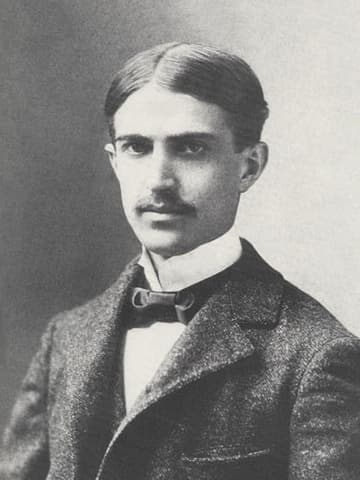
Stephen Crane
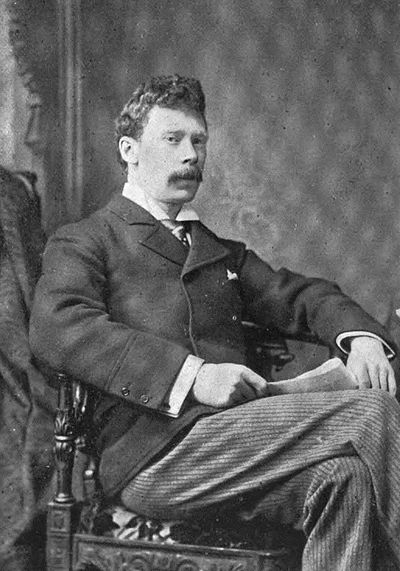
Stephen Crane was an American poet, novelist, and short story writer, recognized as one of the most innovative literary figures of his generation. Born into a large Methodist family, he began writing at a remarkably young age and published his first articles by the age of 16. Crane's literary career took off after he left Syracuse University in 1891 to pursue journalism, leading to the publication of his first novel, 'Maggie: A Girl of the Streets' in 1893, which is often hailed as the first work of American literary Naturalism. His most acclaimed work, 'The Red Badge of Courage' (1895), offered a profound exploration of the psychological effects of war and established him as a master of Realism and Impressionism. Crane's life was marked by both literary triumphs and personal turmoil. He gained notoriety for his involvement in a scandalous trial in 1896, which did not deter his pursuit of journalism and literature. His experiences as a war correspondent during the Cuban War of Independence, including a harrowing shipwreck that inspired 'The Open Boat,' further enriched his writing. Despite his early success, Crane faced financial struggles and health issues, ultimately succumbing to tuberculosis at the young age of 28. His works have left a lasting impact on American literature, influencing future generations of writers and solidifying his legacy as a pioneer of modern narrative techniques.
Famous Quotes
View all 18 quotes“A man said to the universe: “Sir, I exist!”“However,” replied the universe, “The fact has not created in me A sense of obligation.””
“In the desert I saw a creature, naked, bestial, Who, squatting upon the ground, Held his heart in his hands, And ate of it. I said, “Is it good, friend?” “It is bitter”
“When it occurs to a man that nature does not regard him as important, and that she feels she would not maim the universe by disposing of him, he at first wishes to throw bricks at the temple, and he hates deeply the fact that there are no bricks and no temples.””
Books from the author



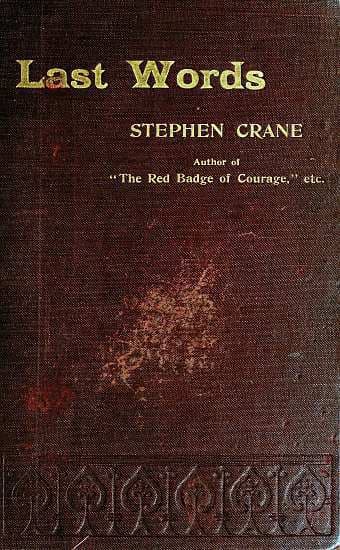
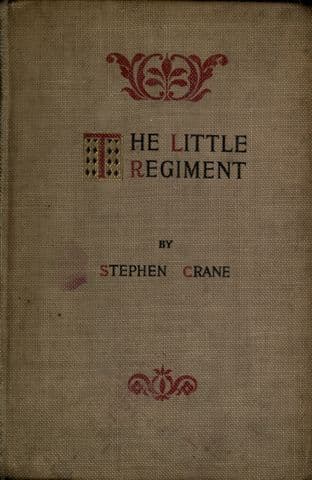




Link to this page
Add a free, dofollow link to Lex on your blog, forum, syllabus, or reading list.

<a href="https://lex-books.com/author/stephen-crane"><img src="https://lex-books.com/badges/read-on-lex.svg" alt="Stephen Crane on Lex" width="160" height="40"></a>[](https://lex-books.com/author/stephen-crane)[url=https://lex-books.com/author/stephen-crane][img]https://lex-books.com/badges/read-on-lex.svg[/img][/url]Stephen Crane on Lex: https://lex-books.com/author/stephen-crane