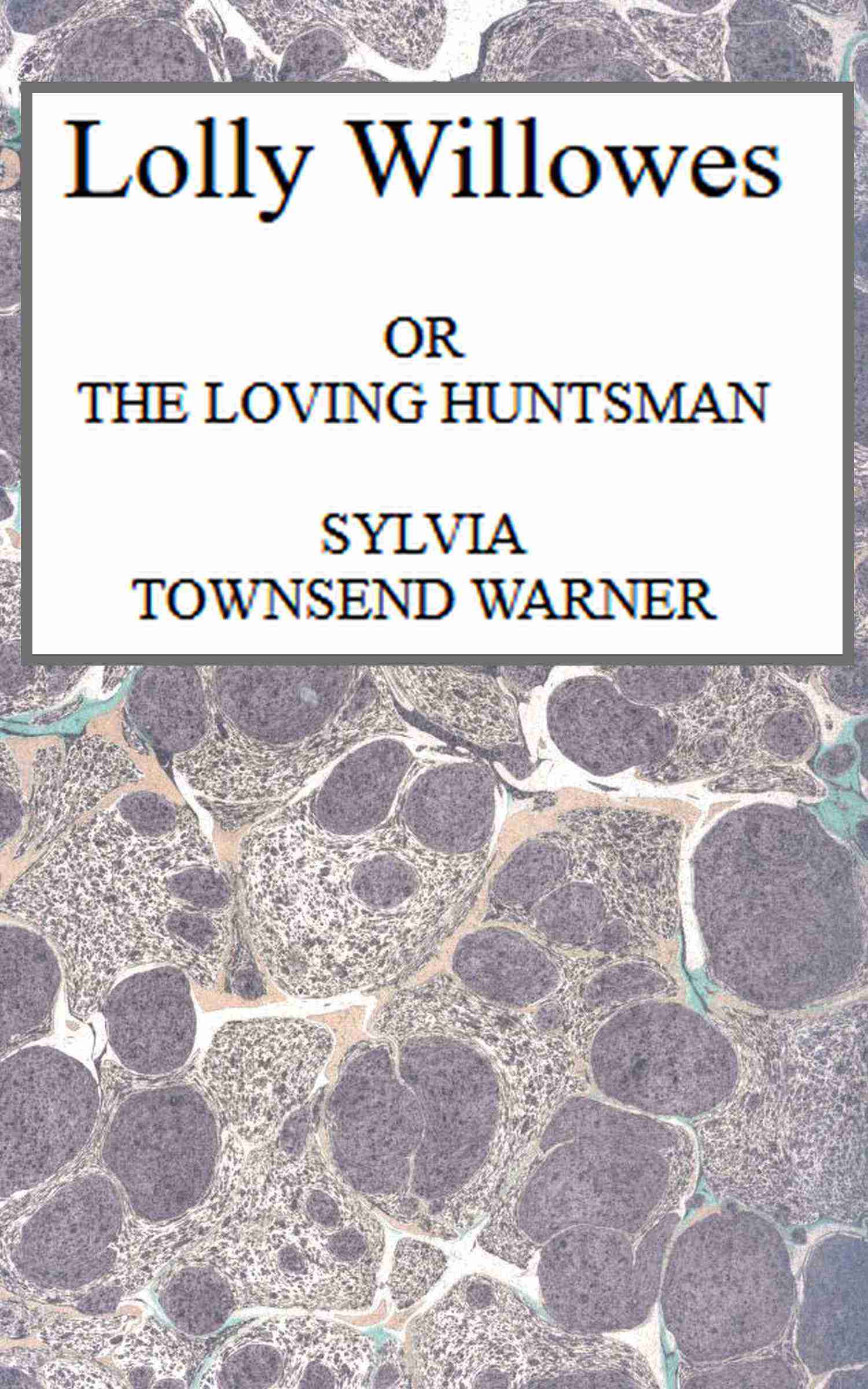
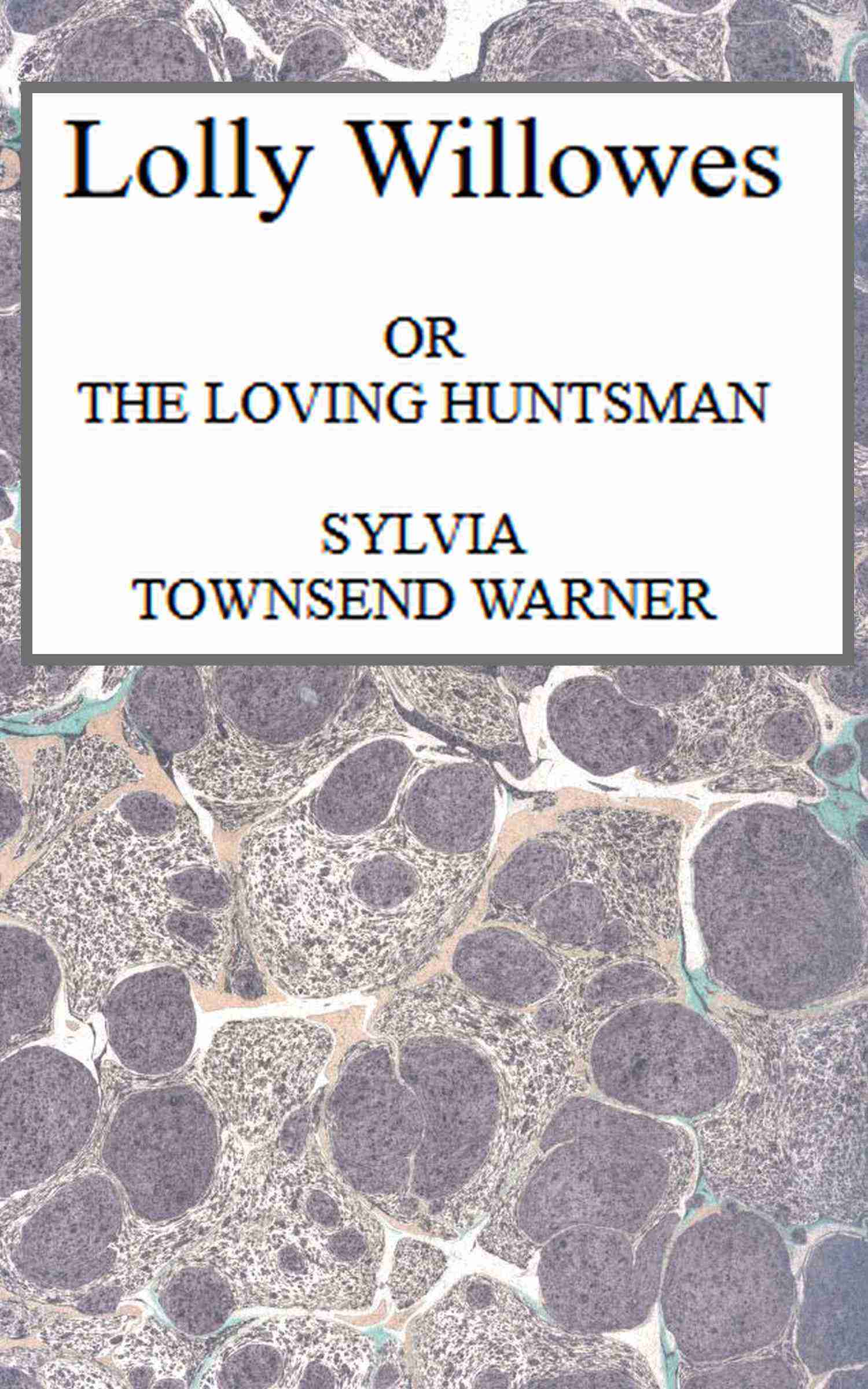
Lolly Willowes: Or, The Loving Huntsman
1926
At twenty-eight, Laura Willowes loses her father and, with him, the last tether to her own life. Absorbed into her brother's London household, she becomes Aunt Lolly: indispensable, invisible, a genteel spinster whose existence serves only to raise her nieces. For two decades she performs this role flawlessly, until something snaps. She moves to a village in the Chilterns, where the air is sharp with autumn and she is finally, breathtakingly, alone. But when her nephew arrives, threatening to drag her back into the role she escaped, Lolly makes a different kind of choice. She reaches for something darker, something ancient, something that women have always been told to deny. Sylvia Townsend Warner writes with a wit that cuts and a compassion that stings: this is a novel about the small violences of domestic obligation and the radical, even terrifying, act of choosing oneself. The Loving Huntsman waits in these pages, patient and strange.
Editions

X-Ray
“It is best as one grows older to strip oneself of possessions, to shed oneself downward like a tree, to be almost wholly earth before one dies.””
— Sylvia Townsend Warner
“One doesn’t become a witch to run around being harmful, or to run around being helpful either, a district visitor on a broomstick. It’s to escape all that - to have a life of one’s own, not an existence doled out to by others.””
— Sylvia Townsend Warner
“One doesn’t become a witch to run around being helpful either…. It’s to escape all that – to have a life of one’s own, not an existence doled out to you by others, charitable refuse of their thoughts, so many ounces of stale bread of life a day.””
— Sylvia Townsend Warner
“That’s why we become witches: to show our scorn of pretending life’s a safe business, to satisfy our passion for adventure. It’s not malice, or wickedness - well, perhaps it is wickedness, for most women love that - but certainly not malice, not wanting to plague cattle and make horrid children spout up pins and - what is it? - “blight the genial bed.””
— Sylvia Townsend Warner
“The night was at her disposal. She might walk back to Great Mop and arrive very late; or she might sleep out and not trouble to arrive till to-morrow. Whichever she did Mrs Leak would not mind. That was one of the advantages of dealing with witches; they do not mind if you are a little odd in your ways, frown if you are late for meals, fret if you are out all night, pry and commiserate when at length you return. Lovely to be with people who prefer their thoughts to yours, lovely to live at your own sweet will, lovely to sleep out all night!””
— Sylvia Townsend Warner
“During the last few years of her life Mrs. Willowes grew continually more skilled in evading responsibilities, and her death seemed but the final perfected expression of this skill. It was as if she had said, yawning a delicate cat’s yawn, “I think I will go to my grave now,” and had left the room.””
— Sylvia Townsend Warner
“There is an amusing sense of superiority in seeing and remaining unseen.””
— Sylvia Townsend Warner
“She had thrown away twenty years of her life like a handful of old rags, but the wind had blown them back again, and dressed her in the old uniform.””
— Sylvia Townsend Warner
“The amusement she had drawn from their disapproval was a slavish remnant, a derisive dance on the north bank of the Ohio. There was no question of forgiving them. She had not, in any case, a forgiving nature; and the injury they had done her was not done by them. If she were to start forgiving she must needs forgive Society, the Law, the Church, the History of Europe, the Old Testament, great-great-aunt Salome and her prayer-book, the Bank of England, Prostitution, the Architect of Apsley Terrace, and half a dozen other useful props of civilization. All she could do was to go on forgetting them. But now she was able to forget them without flouting them by her forgetfulness.””
— Sylvia Townsend Warner
Link to this book
Add a free, dofollow link to Lex on your blog, forum, syllabus, or reading list.

<a href="https://lex-books.com/book/lolly-willowes-or-the-loving-huntsman-5e1c6d3e-c3ae-406e-9e3f-7f33e514f6d6"><img src="https://lex-books.com/badges/read-on-lex.svg" alt="Read Lolly Willowes: Or, The Loving Huntsman by Sylvia Townsend Warner free on Lex" width="160" height="40"></a>[](https://lex-books.com/book/lolly-willowes-or-the-loving-huntsman-5e1c6d3e-c3ae-406e-9e3f-7f33e514f6d6)[url=https://lex-books.com/book/lolly-willowes-or-the-loving-huntsman-5e1c6d3e-c3ae-406e-9e3f-7f33e514f6d6][img]https://lex-books.com/badges/read-on-lex.svg[/img][/url]Read Lolly Willowes: Or, The Loving Huntsman by Sylvia Townsend Warner free on Lex: https://lex-books.com/book/lolly-willowes-or-the-loving-huntsman-5e1c6d3e-c3ae-406e-9e3f-7f33e514f6d6Cite this book
Reading this edition for a paper or guide? Copy a citation.
Warner, Sylvia Townsend. Lolly Willowes: Or, The Loving Huntsman. Lex, lex-books.com/book/lolly-willowes-or-the-loving-huntsman-5e1c6d3e-c3ae-406e-9e3f-7f33e514f6d6.Warner, S. T. (1926). Lolly Willowes: Or, The Loving Huntsman. Lex. https://lex-books.com/book/lolly-willowes-or-the-loving-huntsman-5e1c6d3e-c3ae-406e-9e3f-7f33e514f6d6Warner, Sylvia Townsend. Lolly Willowes: Or, The Loving Huntsman. Lex. https://lex-books.com/book/lolly-willowes-or-the-loving-huntsman-5e1c6d3e-c3ae-406e-9e3f-7f33e514f6d6.